




Does Insurance Cover Roof Replacement What to Know
 11min Read
 Posted 11.13.2025
Does Insurance Cover Roof Replacement? What to Know
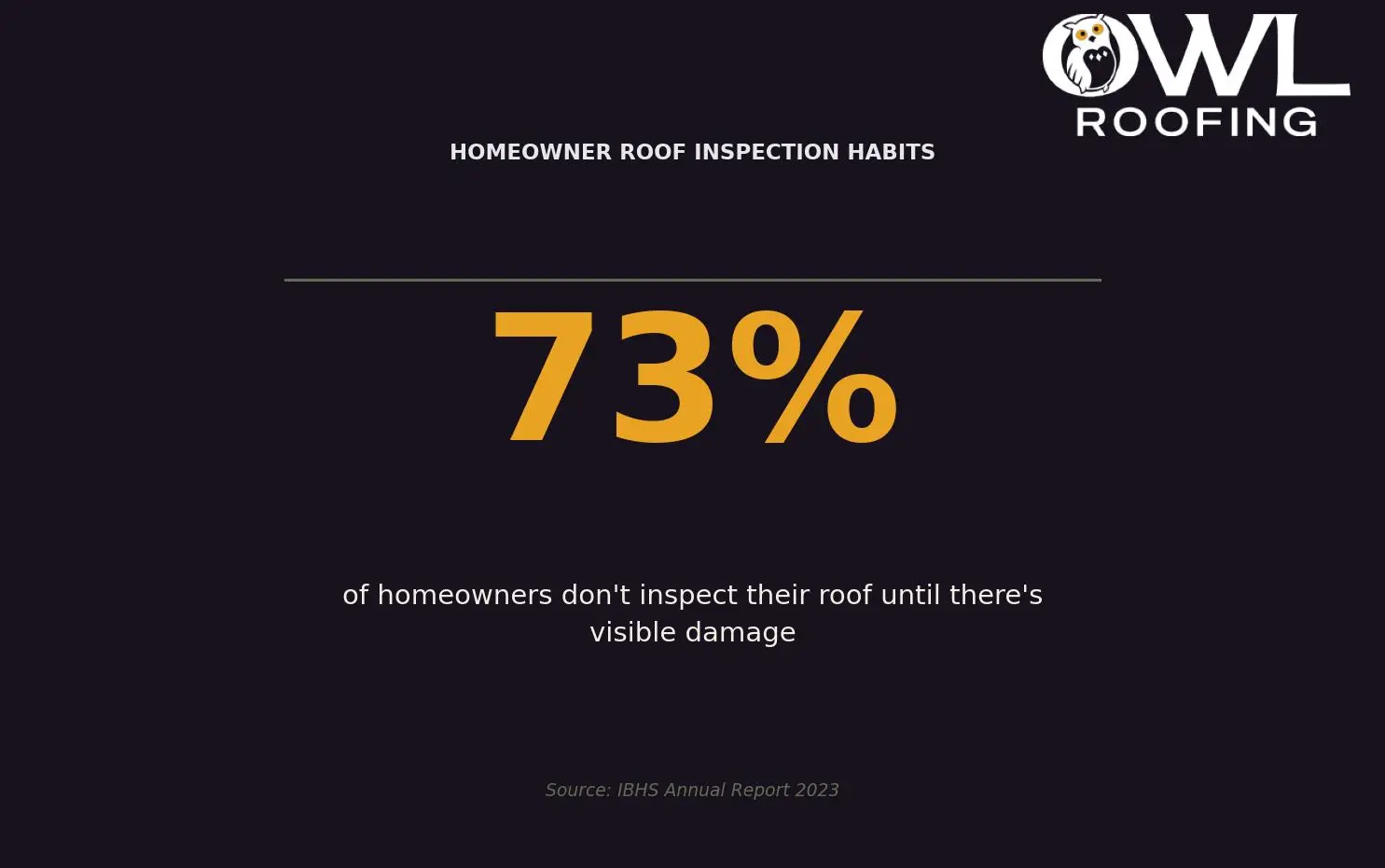
Here’s a number that might make you choke on your morning coffee: the average roof damage claim in Minnesota runs about $8,000. And if you’re one of the 73% of homeowners who don’t inspect their roof until something’s visibly wrong? That number can climb a lot higher, a lot faster.
We get it. Nobody wakes up excited to think about insurance policies and roofing claims. But after a nasty hailstorm rolls through Shoreview—or those brutal freeze-thaw cycles do their quiet damage all winter—the difference between knowing your coverage and guessing at it can be thousands of dollars out of your pocket.
So let’s break this down in plain English. No insurance jargon, no corporate doublespeak. Just what you actually need to know to protect your home and your wallet.
The Problem: Roof Damage Is Expensive, Confusing, and Stressful
Picture this: A summer storm just tore through the Twin Cities. You’re standing in your yard, counting shingles scattered across the grass like oversized confetti. Your stomach drops as you look up at the bare patches on your roof.
The questions hit fast: How much is this going to cost? Will insurance cover it? What if they say no? Do I even know what my policy says?
According to the National Association of Realtors, a roof replacement typically runs between $5,000 and $15,000, depending on your home’s size and the materials involved. That’s not pocket change. That’s a family vacation, a chunk of your kid’s college fund, or several months of mortgage payments.
And here’s the thing—most people don’t find out what their insurance actually covers until they’re standing in that yard, panicking. That’s the worst possible time to learn you’ve got the wrong policy or that your 18-year-old roof only qualifies for partial coverage.
Why This Hits Harder in Minnesota
Living in the Twin Cities means your roof takes a beating that homeowners in milder climates can’t imagine. We’re talking about:
- Brutal freeze-thaw cycles that turn small cracks into big problems
- Heavy snow loads that stress your entire roof structure
- Summer hailstorms that can shred shingles in minutes
- High winds that rip off what the hail didn’t destroy
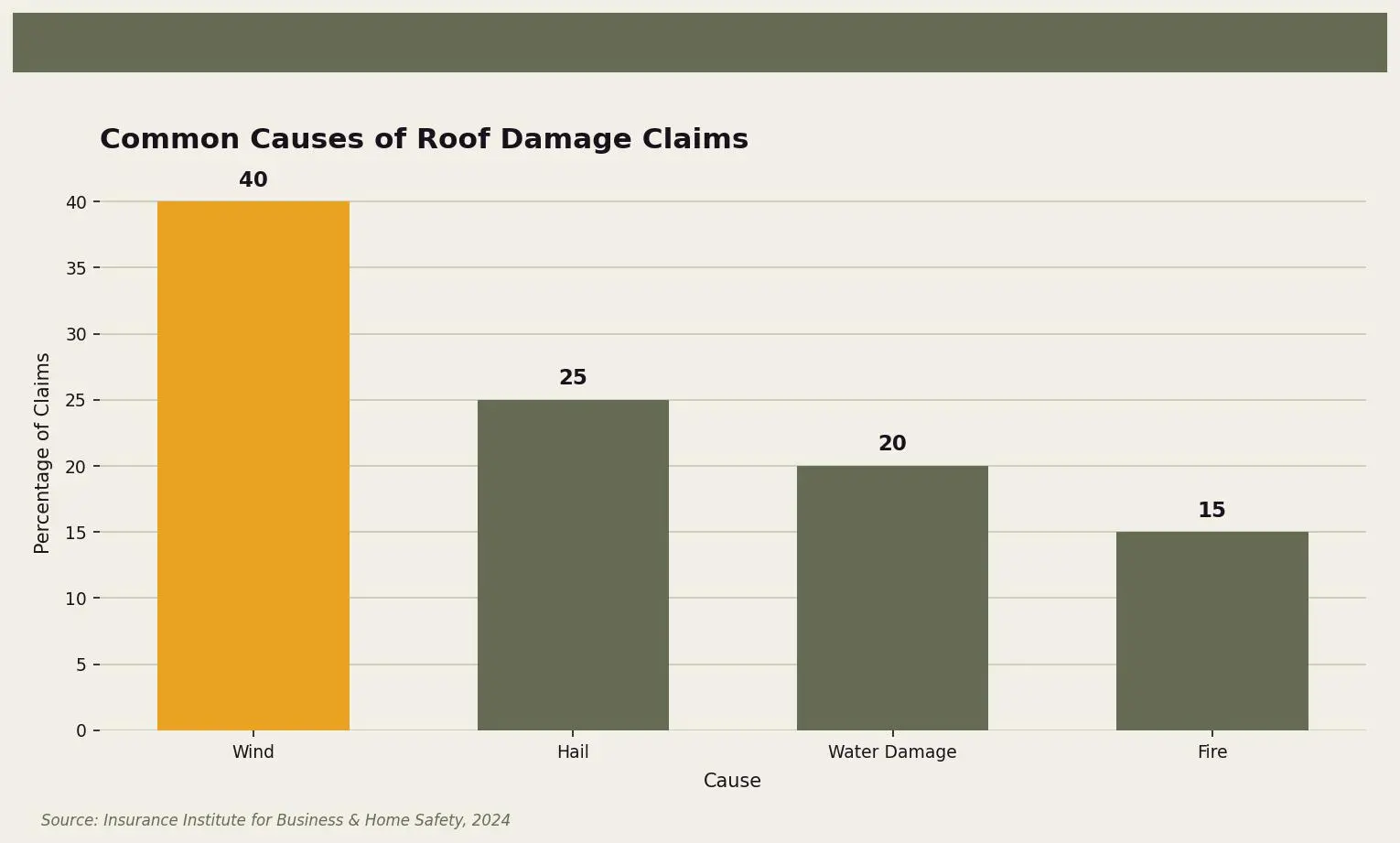
The Insurance Institute for Business & Home Safety (IBHS) confirms what we already know: areas with severe weather patterns like Minnesota see significantly higher rates of roof-related claims. Wind and hail alone account for nearly 40% of all homeowners insurance claims nationwide—and we get plenty of both.
This isn’t meant to scare you. It’s meant to prepare you. Because when (not if) your roof needs attention, you’ll want to know exactly where you stand with your insurance company.
What Homeowners Insurance Actually Covers
Let’s cut through the confusion. Here’s the basic rule of thumb:
Generally covered: Sudden, unpreventable damage from storms, hail, wind, falling trees, and fire.
Generally NOT covered: Wear and tear, aging, neglect, and “gradual” damage that happens over time.
So if a tree branch crashes through your roof during a thunderstorm? You’re probably covered. If you’ve been ignoring that slow leak for three years and now have water damage? That’s likely on you.
The Catch: “Covered” Doesn’t Mean “Fully Paid For”
Here’s where things get tricky—and where a lot of homeowners get unpleasant surprises.
Even when your damage is clearly covered, your insurance might not pay for a complete replacement. Several factors determine how much you’ll actually receive:
Your roof’s age: The National Roofing Contractors Association (NRCA) says a typical asphalt shingle roof lasts about 20 years. If yours is pushing 15 or older, many policies will depreciate the payout significantly. That means you might only get a fraction of what a new roof costs.
Your deductible: Before insurance pays anything, you’re covering the deductible. On a $10,000 claim with a $2,500 deductible, you’re paying the first $2,500 out of pocket.
Your policy type: This is the big one. And most people don’t even know which type they have.
Actual Cash Value vs. Replacement Cost: The Difference That Costs Thousands
There are two main types of roof coverage, and they’re dramatically different:
Actual Cash Value (ACV) Policies
ACV policies pay what your roof is worth today—after depreciation. If you have a 15-year-old roof that originally cost $12,000, your insurance might calculate its current value at $4,000 or less. That’s what you’d get, minus your deductible.
Translation: You could be on the hook for $8,000+ to replace a roof that was “covered” by insurance.
Replacement Cost Policies
Replacement cost policies pay what it actually costs to replace your roof with similar materials—no depreciation deductions. That same 15-year-old roof? You’d get the full replacement cost, minus your deductible.
According to a J.D. Power survey, homeowners with replacement cost policies report significantly higher satisfaction. No surprise there—they’re not getting blindsided by out-of-pocket expenses they didn’t expect.
Which One Do You Have?
Here’s a homework assignment: Pull out your policy and find out. If you have ACV coverage on an older roof, it might be worth talking to your insurance agent about upgrading before you need to file a claim.
Yes, replacement cost coverage usually costs more. But it costs a lot less than covering a $6,000 gap when your roof fails.
Real Talk: When Insurance Claims Get Denied
Nobody wants to hear this, but it happens. Insurance companies deny roof claims regularly, and usually for one of these reasons:
- Poor maintenance: If your roof shows obvious signs of neglect—missing shingles you never replaced, clogged gutters, visible moss or decay—insurers may argue the damage resulted from lack of upkeep, not the storm.
- Pre-existing damage: That “storm damage” you’re claiming? If the adjuster finds evidence it existed before the storm, your claim is toast.
- Age-related exclusions: Some policies won’t cover roofs over a certain age at all, or will only cover specific types of damage.
- Cosmetic damage clauses: Certain policies exclude “cosmetic” hail damage that doesn’t affect the roof’s function. Those dents might look terrible, but if the roof still keeps water out, you might not have a claim.
The good news? Most of these denials are preventable with proper maintenance and documentation. Which brings us to what you can actually do about all this.
Your Action Plan: How to Protect Yourself Starting Today
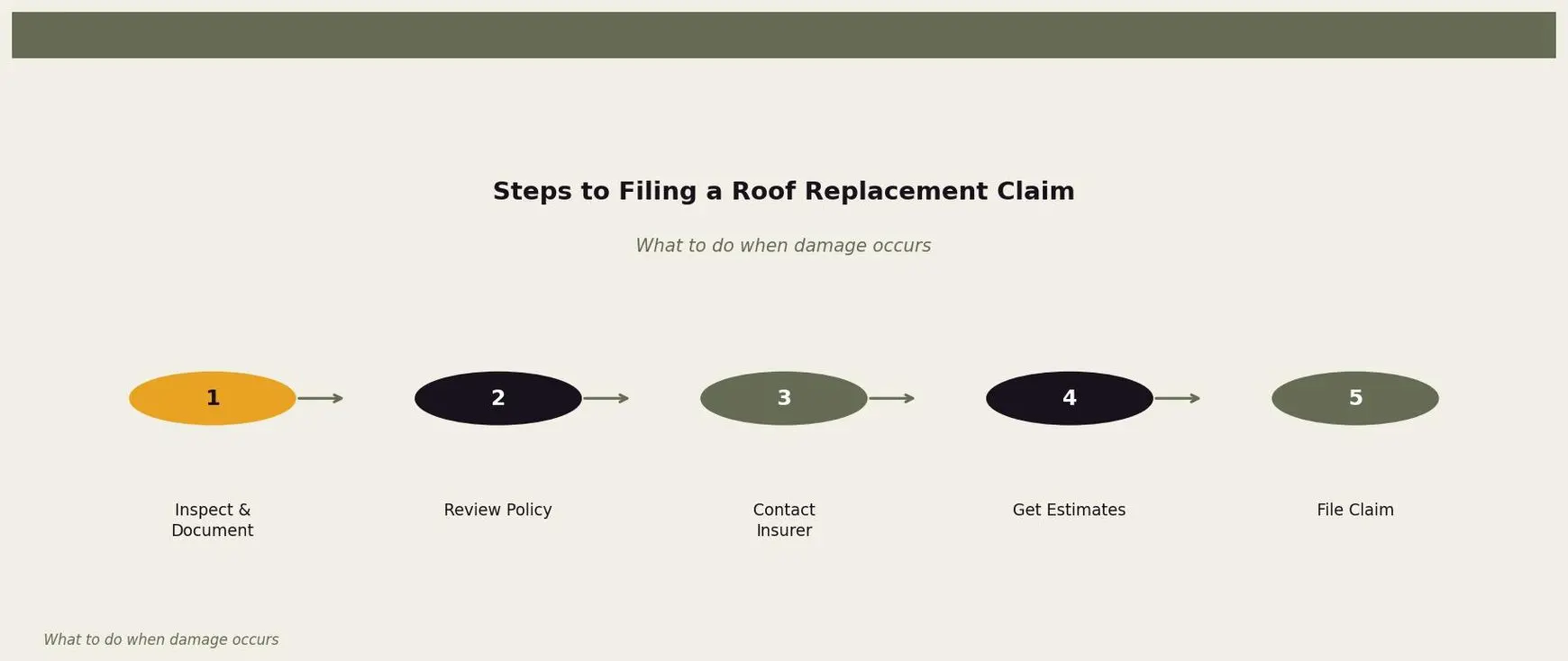
You don’t need to become a roofing expert. But a little preparation now can save you massive headaches later. Here’s what smart Twin Cities homeowners do:
1. Inspect Your Roof Regularly (Yes, Really)
Remember that stat about 73% of homeowners not inspecting their roof until there’s visible damage? Don’t be part of that majority.
You don’t need to climb up there yourself. Just do a visual check from the ground after major storms—look for missing shingles, debris, or anything that looks off. Once a year, have a professional inspection done. It’s usually inexpensive, and it creates documentation that can support a future claim.
2. Document Everything
When you spot damage—or even when you don’t—take photos. After every significant storm, snap a few pictures of your roof from different angles. Save them with dates.
This creates a timeline. If you file a claim six months from now, you can prove exactly when the damage occurred. Insurance companies love documentation, and they’re suspicious of claims without it.
3. Understand Your Policy Before You Need It
Dig out your homeowners insurance policy and find answers to these questions:
- Do you have ACV or replacement cost coverage for your roof?
- What’s your deductible for weather-related damage?
- Are there any age restrictions or exclusions?
- Does your policy have a cosmetic damage exclusion?
If you can’t figure it out (insurance policies aren’t exactly beach reading), call your agent. This is literally what they’re there for. A 15-minute conversation now beats a $10,000 surprise later.
4. Keep Your Roof Maintained
This is the most important thing you can do—and the easiest to neglect. Replace damaged shingles promptly. Keep gutters clean. Trim back branches that hang over your roof. Address small issues before they become big ones.
A well-maintained roof is easier to insure, more likely to have claims approved, and less likely to need a full replacement in the first place.
5. Build a Relationship with a Local Roofer
When storm damage hits, you don’t want to be scrambling to find someone trustworthy. That’s how people end up with storm chasers—those out-of-town crews that flood into Minnesota after every major hail event, do questionable work, and disappear before problems surface.
Having a roofer you trust means you can get a professional inspection and honest estimate quickly when you need it. It also means having someone in your corner who can help you navigate the claims process and communicate with adjusters.
The Bottom Line
Does insurance cover roof replacement? Usually—but the details matter a lot. The type of damage, the age of your roof, your policy type, and how well you’ve maintained things all affect whether you’ll get a check, and how big it’ll be.
The homeowners who come out ahead aren’t lucky—they’re prepared. They know their coverage, they document their roof’s condition, they keep up with maintenance, and they have trusted professionals ready to help when something goes wrong.
Minnesota weather isn’t going to get any gentler. But with the right preparation, you can face the next storm knowing exactly where you stand.
Need a Roof Inspection or Honest Advice? Give Us a Call
We’re Owl Roofing—a family-owned company right here in Shoreview, serving neighbors across the Twin Cities. We’ve helped homeowners navigate every kind of roof situation you can imagine, from “just checking things out” to “a tree literally fell through my kitchen.”
If you’re not sure what shape your roof is in, or you want help understanding what your insurance might cover before you need to file a claim, we’re happy to take a look. No pressure, no sales pitch—just a straightforward assessment from people who live and work in your community.
Give us a call at 651-977-6027 or visit owlroofing.com/ to schedule an inspection. We’ll tell you exactly what your roof needs (and what it doesn’t).
Protect Your Nest.
📍 Owl Roofing Serves the Entire Twin Cities Metro
Andover · Anoka · Apple Valley · Arden Hills · Big Lake · Blaine · Bloomington · Brooklyn Center · Brooklyn Park · Burnsville · Champlin · Chanhassen · Chaska · Columbia Heights · Coon Rapids · Cottage Grove · Crystal · deephaven · Delano · Eagan · East Bethel · Eden Prairie · Excelsior · Farmington · Forest Lake · Fridley · Golden Valley · Ham Lake · Hastings · Hopkins · Hugo · Inver Grove Heights · Lake Elmo · Lakeville · Lino Lakes · Mahtomedi · Maplewood · Mendota Heights · Minneapolis · Minnetrista · Mound · Mounds View · New Brighton · New Hope · North Oaks · North St. Paul · Oak Grove · Oakdale · Plymouth · Prior Lake · Ramsey · Richfield · Robbinsdale · Rosemount · Roseville · Saint Paul · Savage · Shakopee · Shoreview · South St. Paul · St. Louis Park · St. Michael · St. Paul · Stillwater · Vadnais Heights · Victoria · Waconia · wayzata · West St. Paul · White Bear Lake · woodbury
Licensed Minnesota roofing contractor · Free inspections · 10-year workmanship warranty · Get a free estimate →
