


What Happens if It Rains During Roof Installation
 13min Read
 Posted 11.02.2025
What Happens If It Rains During Roof Installation?
You’ve finally pulled the trigger on a new roof. The crew shows up Monday morning, starts tearing off old shingles—and then you spot it. A dark wall of clouds rolling in from the west. Your stomach drops. Half your roof is now exposed plywood, and rain is 20 minutes out. What now?
If you’ve lived in the Twin Cities for more than a single summer, you know our weather has a sense of humor. Sunny skies can turn into a downpour faster than you can drag the patio furniture inside. And when your roof is mid-installation? That’s when things get stressful. But here’s the good news: rain during roof installation doesn’t have to become a disaster. It just takes the right planning, the right crew, and knowing exactly what to expect.
Let’s walk through what actually happens when rain meets an open roof—and how you can protect your home (and your sanity) through the whole process.
Why Rain During Roof Installation Is a Big Deal
Here’s the thing about roofing and rain: they don’t play well together. Your roof isn’t just shingles—it’s a carefully layered system designed to keep water out. When that system is partially dismantled and the sky opens up, you’ve got a problem.
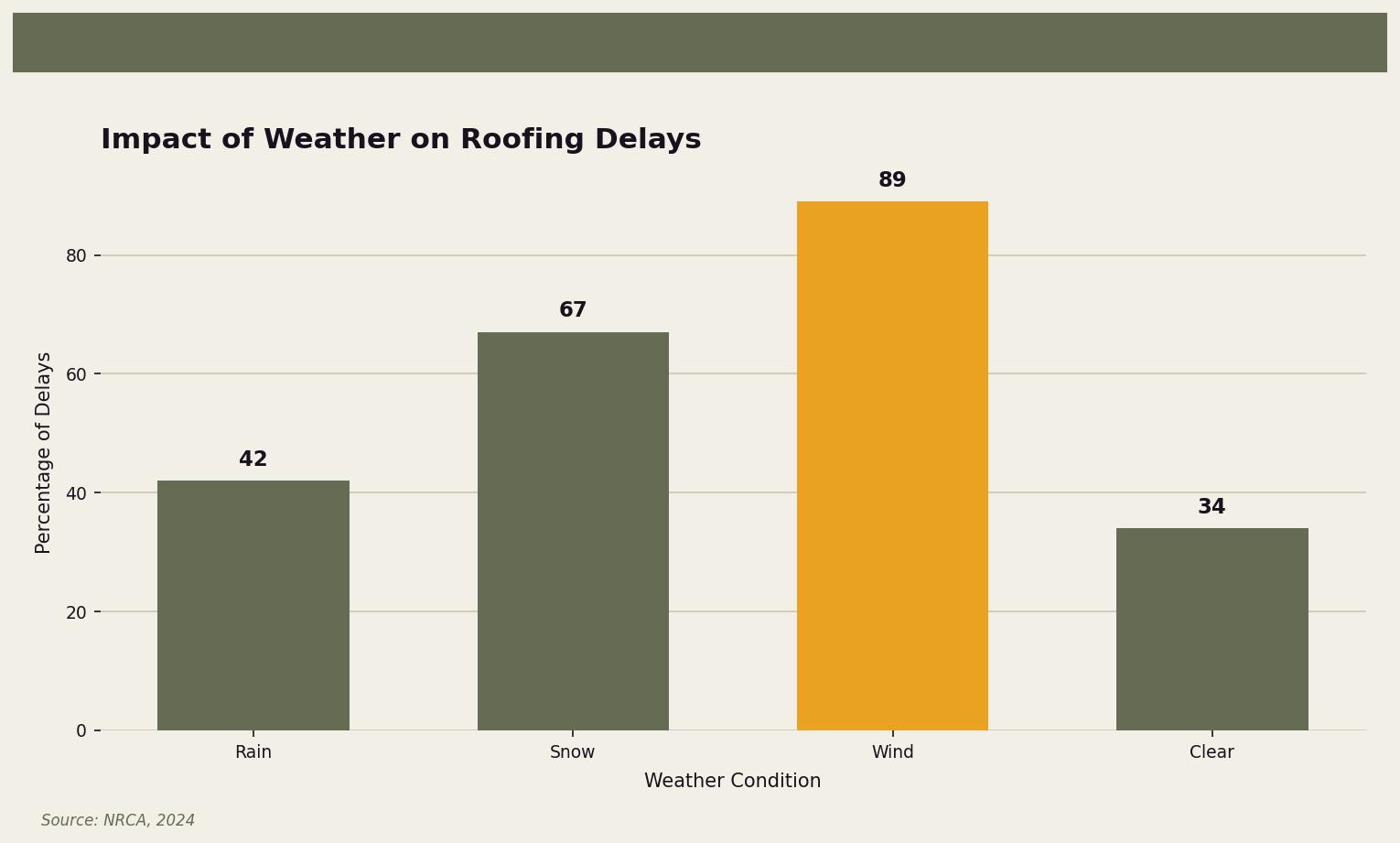
According to the National Roofing Contractors Association (NRCA), water is one of the most significant threats to roof integrity. It doesn’t just sit on the surface and wait politely for things to dry out. It seeps. It soaks. It finds every gap and grain in the wood beneath your shingles.
The Insurance Institute for Business & Home Safety (IBHS) reports that 40% of all insurance claims related to roof damage involve weather—and rain is a primary culprit. That’s not a small number. Nearly half of all roof-related claims tie back to moisture getting where it shouldn’t be.
So when rain delays roofing or catches a crew mid-project, it’s not just an inconvenience. It’s a real threat to your home’s structure, your timeline, and potentially your wallet. Understanding what’s at stake helps you ask the right questions and make smart decisions before a single shingle comes off.
What Rain Actually Does to an Exposed Roof
The Damage Starts With the Deck
When roofers tear off your old shingles, they expose what’s called the roof deck—that layer of plywood or OSB (oriented strand board) that forms the structural foundation of your roof. Think of it as the subfloor of your roofing system. It needs to stay dry.
When rain hits an exposed roof deck, a few things can happen—none of them good:
- Warping and swelling: Plywood and OSB absorb water. When they do, they swell and warp. That creates an uneven surface that won’t hold shingles properly.
- Mold and mildew growth: Trapped moisture is a breeding ground for mold. Once mold takes hold in your roof deck, it’s a headache to remediate—and a health concern for your family.
- Compromised adhesives: The underlayment and shingles rely on adhesives to create a watertight seal. Wet surfaces don’t bond well. Period.
- Structural weakening: Over time, repeated moisture exposure weakens the wood fibers, reducing the overall strength of your roof structure.
An NRCA study found that improperly installed roofs in wet conditions are 25% more likely to fail prematurely. That’s one in four roofs coming back to haunt homeowners with leaks, repairs, or full replacements years earlier than expected.
Wet Roof Sheathing: The Hidden Problem
Wet roof sheathing is sneaky. It might look fine on the surface once it dries, but the damage can be lurking underneath. Moisture trapped between layers—between the deck and underlayment, or between underlayment and shingles—has nowhere to go. It sits there, slowly rotting wood, growing mold, and undermining everything above it.
This is why experienced roofers won’t just “push through” a rainstorm. They know that installing over wet materials is asking for trouble down the road. A reputable crew will wait for proper drying conditions, even if it means extending the timeline.
The Real Cost of Roofing Weather Delays
More Than Just Lost Time
Nobody wants their roofing project to drag on longer than planned. You’ve got cars to move, schedules to juggle, and maybe a dog who’s losing her mind at all the noise. But rain delays are about more than inconvenience.
When roofers halt work, your home sits partially exposed. Even with tarping (more on that in a minute), you’re vulnerable. Every extra day with an open roof is another day something could go wrong—another storm, another leak, another headache.
The National Association of Realtors (NAR) notes that delays don’t just disrupt your calendar. They can lead to additional labor costs if crews need to return multiple times. They can push your project into less favorable weather windows. And they can leave your home exposed to the elements longer than anyone wants.
The Energy Efficiency Hit
Here’s a stat that might surprise you: the Census Bureau notes that homes with compromised roofing are 30% less energy-efficient. That means higher utility bills—month after month—if moisture damage goes unaddressed.
Your roof does more than keep rain out. It’s part of your home’s thermal envelope, working with insulation to maintain comfortable temperatures. When water damage compromises that system, your HVAC works overtime to compensate. You pay the difference.
What Good Contractors Do When Rain Threatens
Tarping: Your Roof’s Emergency Raincoat
Any experienced roofing crew watches the weather obsessively during a project. When rain is forecasted—or when those ominous clouds start building—they shift into protection mode.
The first line of defense is tarping. Heavy-duty tarps are secured over exposed sections of the roof to create a temporary barrier against rain. It’s not a permanent solution, but it’s effective at keeping water out during a storm.
A good crew will:
- Have tarps on-site and ready to deploy at a moment’s notice
- Secure tarps properly so wind doesn’t rip them off mid-storm
- Cover not just the exposed deck, but also any materials stored on the roof
- Check the tarping after the storm passes to ensure nothing shifted
This is where experience matters. A crew that’s been through a hundred Minnesota storms knows how to button things up fast. A crew that’s new to the area? They might not move quickly enough—or might not have the right materials on hand.
Strategic Scheduling
The best way to handle rain during roof installation is to avoid it in the first place. That sounds obvious, but it requires real planning.
Experienced contractors in the Twin Cities know our weather patterns. They know that August afternoons often bring pop-up thunderstorms. They know spring can be a rollercoaster. They schedule accordingly—starting early, working efficiently, and aiming to get vulnerable sections closed up before afternoon weather moves in.
They also won’t overpromise. If the forecast looks dicey, they might delay the start rather than risk getting caught mid-tear-off with a storm bearing down.
Clear Communication
You shouldn’t have to guess what’s happening with your roof. A good contractor keeps you in the loop—before, during, and after any weather delays. They’ll explain their contingency plan, let you know what’s been protected, and give you a realistic updated timeline.
If your contractor goes quiet when weather hits, that’s a red flag. You deserve to know what’s happening to your home.
Why Twin Cities Homeowners Face Extra Challenges
Minnesota weather is its own special beast. We’re not just dealing with rain—we’re dealing with the whole package.
According to the Minnesota Department of Natural Resources, the state experiences an average of 30-50 freeze-thaw cycles per year. That’s 30-50 times where temperatures swing above and below freezing, causing materials to expand and contract. Any moisture trapped in your roof deck during installation will go through that cycle, accelerating damage.
Our summers can swing from 90-degree heat to severe thunderstorms in the span of an afternoon. Our springs are unpredictable at best. Even fall—often the ideal roofing season—can throw curveballs.
This is why working with a locally experienced roofer matters so much. Someone who’s been installing roofs in Shoreview, Roseville, and across the Twin Cities for years understands these patterns. They know when to push and when to pause. They’ve seen what happens when you cut corners in Minnesota weather, and they know better.
The Surprising Stat: Most Homeowners Wait Too Long
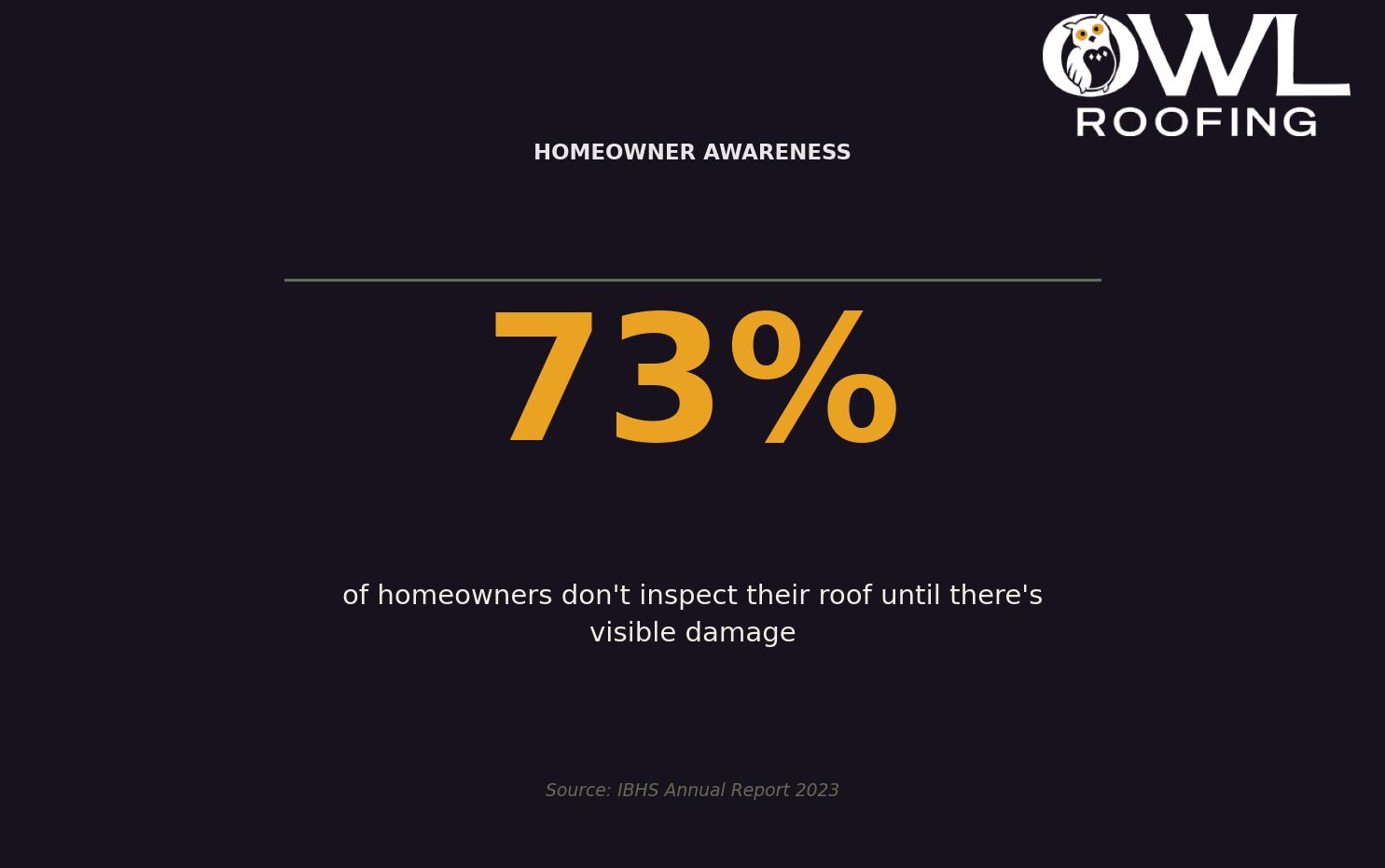
Here’s something that keeps us up at night: according to IBHS, 73% of homeowners don’t inspect their roof until there’s visible damage. That means nearly three out of four people wait until they see water stains on the ceiling, missing shingles, or obvious sagging before they even look up.
By then, the damage is done. What might have been a minor repair becomes a major project. What might have been a controlled installation becomes an emergency scramble.
Don’t be part of that 73%. Being proactive about your roof—before problems become obvious—saves money, stress, and hassle. And if you’re already in the middle of an installation when weather threatens, knowing what to expect makes all the difference.
Your Action Plan: Staying Ahead of the Weather
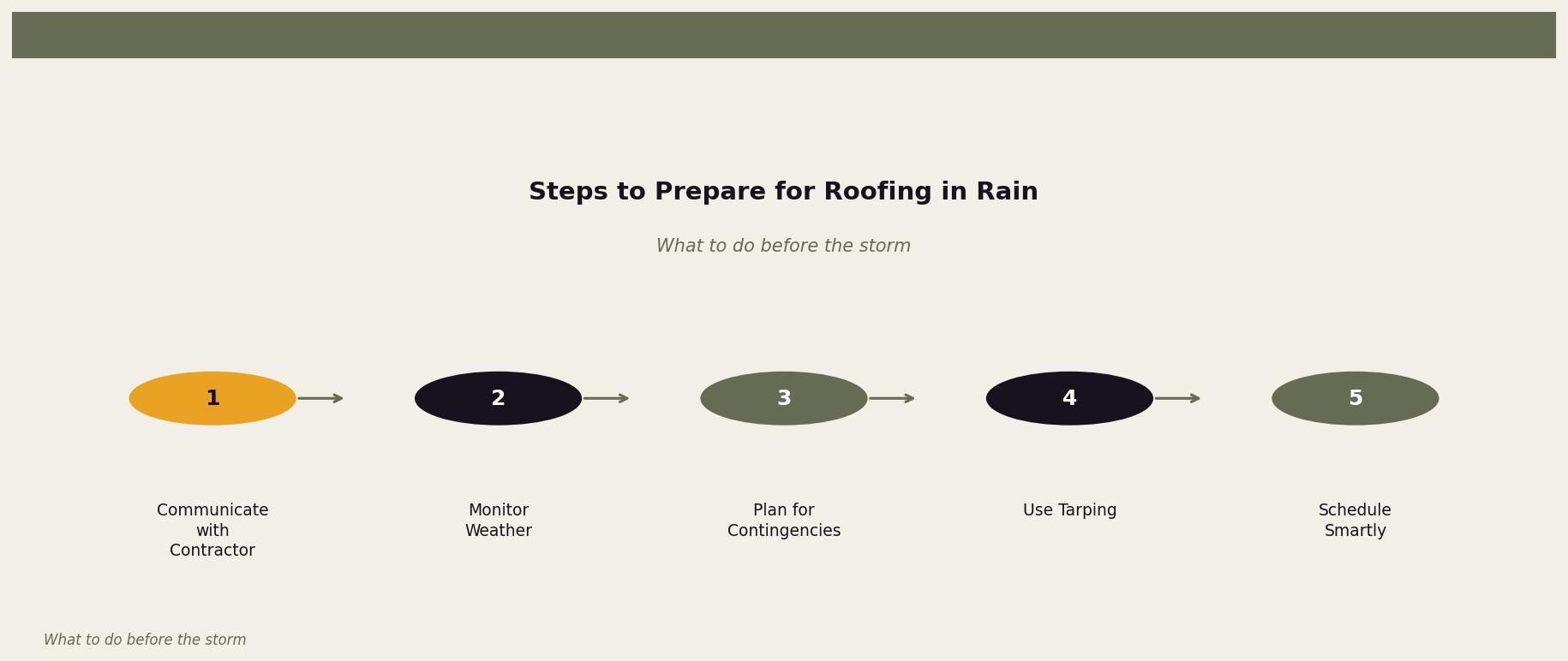
So what should you actually do to protect your home when rain threatens your roof installation? Here’s your game plan:
1. Talk to Your Contractor Before Day One
Don’t wait until the first drops fall to ask about weather contingencies. Before work begins, ask your contractor:
- What’s your plan if rain is in the forecast?
- Do you have tarping materials on-site?
- How quickly can you secure an exposed roof?
- What’s your communication plan during weather delays?
A confident answer tells you they’ve done this before. Hesitation or vague responses? That’s worth noting.
2. Monitor the Weather Yourself
Don’t rely solely on your contractor to watch the radar. Keep an eye on forecasts throughout your project. Apps like Weather Underground or the National Weather Service site give hour-by-hour predictions that can help you anticipate issues.
If you see storms building, a quick text to your project manager lets them know you’re paying attention—and gives them a heads-up if they haven’t seen it yet.
3. Consider Timing Strategically
If you have flexibility on when to schedule your roof installation, think about seasonal patterns. Late summer and early fall often offer the most stable weather in Minnesota—though nothing is guaranteed. Spring can be wet and unpredictable. Winter brings its own challenges.
That said, don’t let weather fears paralyze you. A good contractor can work around Minnesota’s moods. Just be realistic about what conditions might look like.
4. Know What “Dry Enough” Means
After rain, your roof deck needs to dry before work continues. But how dry is dry enough? Generally, the deck should be completely dry to the touch, with no standing water or damp spots. Depending on humidity and temperature, this can take anywhere from a few hours to a full day or more.
Quality contractors won’t rush this. They’ll test moisture levels if needed and wait until conditions are right. Cutting corners here leads to problems later.
5. Document Everything
If rain does impact your installation, take photos. Document the condition of the exposed deck before and after tarping. Keep notes on communication with your contractor. This protects you if issues arise down the road and gives you a clear record of how the situation was handled.
Protecting Your Nest: Getting It Done Right
Rain during roof installation is stressful—there’s no way around it. But it doesn’t have to turn into a nightmare. With the right preparation, the right contractor, and clear communication, you can navigate weather delays and come out the other side with a roof that’ll protect your home for decades.
Your roof is your home’s first line of defense against everything Minnesota throws at it: the summer storms, the winter ice, the 30-50 freeze-thaw cycles that test every material and every seam. It deserves careful installation by people who know what they’re doing and won’t cut corners when weather gets complicated.
If you're planning a roof installation—or if you're mid-project and feeling nervous about the forecast—we'd love to talk. At Owl Roofing, we've seen every type of weather curveball the Twin Cities can throw at a roofing project. We're based right here in Shoreview, and we serve neighbors across the metro. We're not a franchise, and we're definitely not storm chasers passing through. We're Tim, Bea, Noah, and Anya—local folks who've spent 15+ years combined making sure roofs get installed right, rain or shine. Give us a call at 651-977-6027 or visit owlroofing.com/ to get your questions answered. Protect Your Nest.
📍 Owl Roofing Serves the Entire Twin Cities Metro
Andover · Anoka · Apple Valley · Arden Hills · Big Lake · Blaine · Bloomington · Brooklyn Center · Brooklyn Park · Burnsville · Champlin · Chanhassen · Chaska · Columbia Heights · Coon Rapids · Cottage Grove · Crystal · deephaven · Delano · Eagan · East Bethel · Eden Prairie · Excelsior · Farmington · Forest Lake · Fridley · Golden Valley · Ham Lake · Hastings · Hopkins · Hugo · Inver Grove Heights · Lake Elmo · Lakeville · Lino Lakes · Mahtomedi · Maplewood · Mendota Heights · Minneapolis · Minnetrista · Mound · Mounds View · New Brighton · New Hope · North Oaks · North St. Paul · Oak Grove · Oakdale · Plymouth · Prior Lake · Ramsey · Richfield · Robbinsdale · Rosemount · Roseville · Saint Paul · Savage · Shakopee · Shoreview · South St. Paul · St. Louis Park · St. Michael · St. Paul · Stillwater · Vadnais Heights · Victoria · Waconia · wayzata · West St. Paul · White Bear Lake · woodbury
Licensed Minnesota roofing contractor · Free inspections · 10-year workmanship warranty · Get a free estimate →
