


Gutters and Roofing Minneapolis How They Work Together to Prevent Damage
 11min Read
 Posted 2.19.2026
That Dripping Sound? Your Roof and Gutters Are Trying to Tell You Something

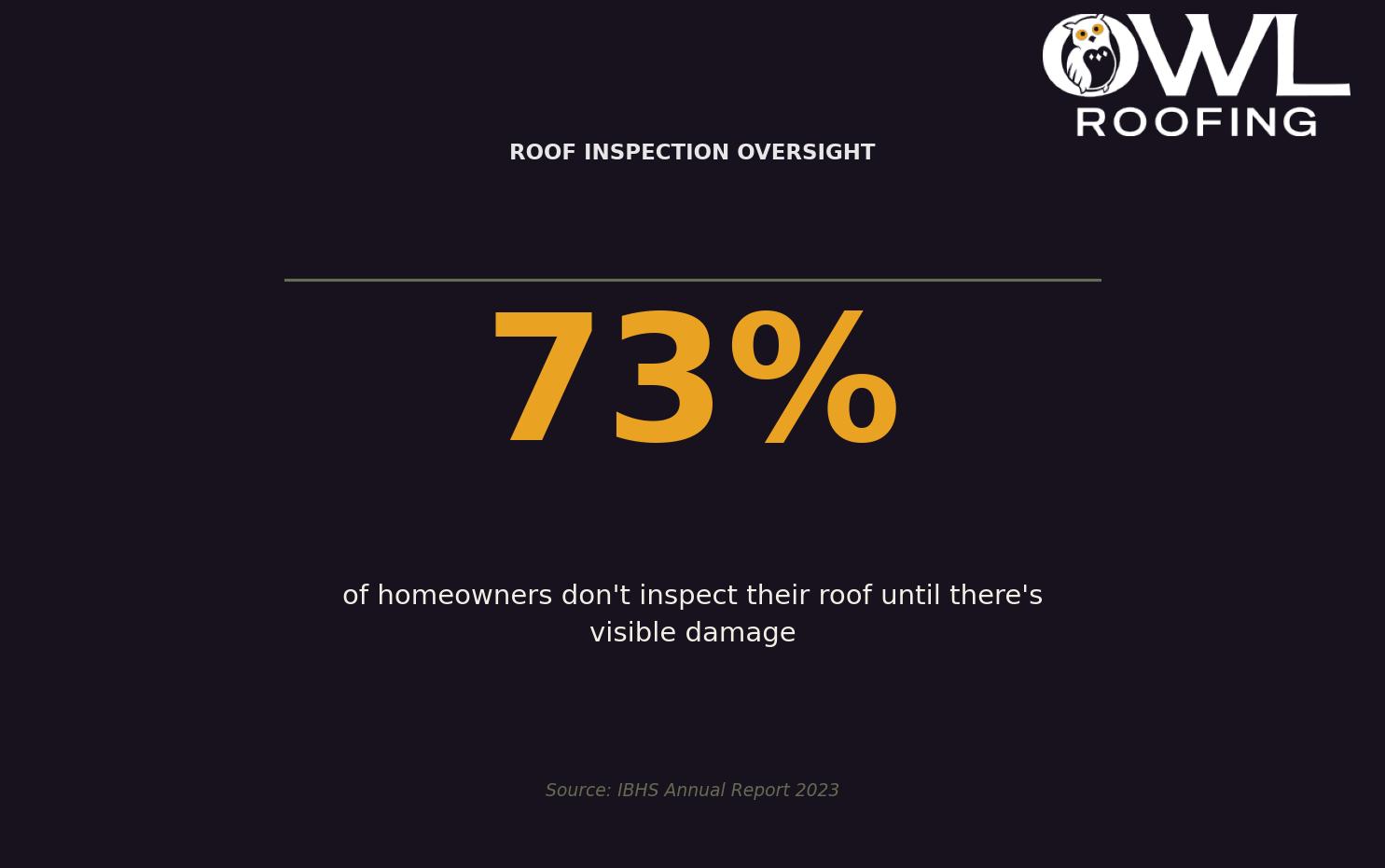
Here’s a stat that might keep you up at night: 73% of homeowners don’t inspect their roof until they see visible damage. In Minneapolis, where we get hammered with 50+ inches of snow annually, “visible damage” often means water dripping through your ceiling while you’re trying to enjoy a quiet Sunday morning. By then, you’re not looking at a quick fix — you’re looking at a project.
The thing is, most of that damage is preventable. Your roof and gutters aren’t separate systems — they’re partners. When they work together, water goes where it should (away from your house). When they don’t? You end up with ice dams, foundation cracks, rotting fascia, and that sinking feeling in your stomach when a contractor says, “Well, here’s your problem.”
Let’s break down how gutters and roofing in Minneapolis actually work together — and what you can do right now to keep your home dry and damage-free.
The Situation: Twin Cities Weather Doesn’t Play Nice
If you’ve lived through even one Minnesota winter, you know the drill. Heavy snow piles up on your roof. Then we get that weird 40-degree day in February, and suddenly everything’s melting. Then it drops to 15 degrees overnight, and all that meltwater freezes solid. Rinse and repeat from November through March.
This freeze-thaw cycle is brutal on homes. According to the National Weather Service, the Twin Cities area averages over 50 inches of snowfall per year. That’s a lot of weight on your roof — and a lot of water that needs somewhere to go when it melts.
Here’s where the partnership between your roof and gutters becomes critical. Your roof’s job is to shed water — push it off and away. Your gutters’ job is to catch that water and direct it safely away from your foundation. When one system fails, the other can’t compensate. And in Minneapolis, failure usually shows up in one of three ways:
- Ice dams — thick ridges of ice that form at the edge of your roof, blocking drainage and forcing water under your shingles
- Foundation damage — when water pools around your home instead of draining away, it seeps into cracks and causes serious structural issues
- Fascia and soffit rot — overflowing or clogged gutters keep wood components constantly wet, leading to decay and costly repairs
The National Roofing Contractors Association (NRCA) puts it plainly: a well-maintained roofing system can last 20-25 years. Neglect it, and you might be replacing the whole thing in under 15. That’s a decade of roof life lost to skipped maintenance.
The Task: Getting Your Roof and Gutters to Actually Work Together
So what does a functional roof-gutter system actually look like? Let’s walk through it.
Your Roof: The First Line of Defense
Think of your roof as a giant umbrella. Its pitch (the angle of the slope) is designed to move water and snow toward the edges. Shingles overlap like fish scales, creating a water-resistant barrier that directs everything downward. In a perfect world, every drop of rain and every snowflake ends up in your gutters.
But here’s the catch: if your attic isn’t properly insulated and ventilated, heat escapes through the roof. That warmth melts the snow sitting on top. The meltwater trickles down toward the eaves — the coldest part of the roof — and refreezes. Do this a few dozen times, and you’ve got a wall of ice blocking your gutters. That’s an ice dam, and it’s one of the most common (and destructive) roofing problems in Minneapolis.
Your Gutters: The Unsung Heroes
Gutters don’t get much glory, but they do critical work. When your roof sheds water, gutters catch it and channel it through downspouts, depositing it safely away from your foundation. Without functioning gutters, all that water dumps directly off your roof edge, splashing against your siding, pooling around your foundation, and generally causing chaos.
For gutters to do their job in Minnesota, a few things need to be true:
- They need to be clear — leaves, twigs, shingle grit, and ice can all create blockages
- They need the right slope — Consumer Reports recommends 1/4 inch of drop for every 10 feet of gutter to keep water moving toward downspouts
- They need to be securely attached — heavy snow and ice can pull gutters away from the fascia if hangers aren’t properly spaced
- They need to be the right size — standard 5-inch gutters work for most homes, but larger roofs or steep pitches may need 6-inch gutters to handle the volume
The Action: Practical Steps to Protect Your Home
Now that you understand how the system works, let’s talk about what you can actually do to keep it working. This isn’t complicated, but it does require some consistency.
Step 1: Inspect Your Roof (Without Climbing On It)
Twice a year — spring and fall — take a walk around your house and look up. You’re looking for:
- Missing, cracked, or curling shingles
- Dark streaks (which could indicate algae or moisture problems)
- Sagging areas or visible dips in the roofline
- Damaged flashing around chimneys, vents, and skylights
From inside your attic (if you can access it safely), look for daylight coming through the roof boards, water stains, or signs of mold. Any of these warrant a closer look from a professional.
Step 2: Clean Your Gutters (Or Have Someone Do It)
This is the maintenance task everyone knows they should do and nobody wants to do. But clogged gutters are the number one cause of preventable water damage to homes.
In the Twin Cities, plan to clean gutters at least twice a year: once in late spring after the cottonwood fluff settles, and once in late fall after the leaves drop. If you have a lot of trees near your house, you might need a third cleaning in midsummer.
While you’re up there (or while your gutter cleaner is), check for:
- Rust spots or holes in the gutter channels
- Separating seams where gutter sections meet
- Hangers that have pulled loose from the fascia
- Downspouts that aren’t directing water at least 4-6 feet away from your foundation
Step 3: Consider Gutter Guards
If you’re tired of the gutter-cleaning routine (and honestly, who isn’t?), gutter guards might be worth the investment. These covers fit over your gutters to keep debris out while letting water flow through.
According to the Insurance Institute for Business & Home Safety (IBHS), homes with gutter guards require 50% less maintenance than those without. That’s a significant time savings — and it means less opportunity for clogs to cause problems between cleanings.
For gutter guards in Minneapolis, look for models designed to handle heavy rain and snowmelt. Some cheaper guards can actually make ice dam problems worse by trapping moisture, so this is one area where quality matters.
Step 4: Address Ice Dam Prevention Before Winter
Ice dams are a Minneapolis specialty, and they form when your roof is too warm. The fix starts in your attic:
- Add insulation — most Twin Cities homes need R-49 to R-60 in the attic to meet current energy codes and keep heat from escaping through the roof
- Improve ventilation — soffit vents, ridge vents, and gable vents work together to keep your attic cold in winter (yes, cold is good)
- Seal air leaks — gaps around light fixtures, plumbing stacks, and attic hatches let warm air escape into the attic space
These improvements pay off year-round — your heating bills drop in winter and your air conditioning works less hard in summer. But the real win is a roof that stays cold and ice-dam-free.
Step 5: Know When to Call a Professional
Some gutter and roof issues are DIY-friendly. Others need expert attention. Call a professional if you notice:
- Active leaks inside your home
- Multiple missing or damaged shingles
- Gutters that are pulling away from the house
- Visible sagging in your roofline
- Ice dams that keep forming despite your prevention efforts
- Your roof is approaching 20 years old and you want an honest assessment
The NRCA recommends professional inspections as part of regular maintenance — most problems are cheaper to fix when they’re caught early.
The Result: A Home That Handles Whatever Minnesota Throws at It

When your roof and gutters work as a team, water management becomes invisible. Snow melts, drains into the gutters, flows through the downspouts, and ends up in your yard — exactly where it should. Your foundation stays dry. Your fascia stays solid. Your ceiling stays stain-free.
More importantly, you’re not scrambling for emergency repairs in January when every contractor in the metro is booked solid. You’re not dealing with insurance claims for water damage that could have been prevented. You’re just… living in your house, comfortable and dry, while the snow piles up outside.
That peace of mind is worth a few hours of maintenance each year. Your home is probably your biggest investment — it deserves the attention.
Need a Second Opinion on Your Roof and Gutters?
If you’ve noticed any of the warning signs we talked about — or if it’s just been a while since anyone took a close look at your roof — we’re happy to help. At Owl Roofing, we’re a family-owned company based right here in Shoreview, serving homeowners across the Twin Cities. Tim, Bea, Noah, and Anya have over 15 years of combined experience, and we’ve seen every type of roof and gutter issue Minnesota weather can create.
We’ll give you an honest assessment, explain exactly what your home needs, and handle the work from start to finish. No pressure, no runaround — just neighbors helping neighbors keep their homes in great shape. Give us a call at 651-977-6027 or visit owlroofing.com/ to schedule an inspection.
Protect Your Nest.
📍 Owl Roofing Serves the Entire Twin Cities Metro
Andover · Anoka · Apple Valley · Arden Hills · Big Lake · Blaine · Bloomington · Brooklyn Center · Brooklyn Park · Burnsville · Champlin · Chanhassen · Chaska · Columbia Heights · Coon Rapids · Cottage Grove · Crystal · deephaven · Delano · Eagan · East Bethel · Eden Prairie · Excelsior · Farmington · Forest Lake · Fridley · Golden Valley · Ham Lake · Hastings · Hopkins · Hugo · Inver Grove Heights · Lake Elmo · Lakeville · Lino Lakes · Mahtomedi · Maplewood · Mendota Heights · Minneapolis · Minnetrista · Mound · Mounds View · New Brighton · New Hope · North Oaks · North St. Paul · Oak Grove · Oakdale · Plymouth · Prior Lake · Ramsey · Richfield · Robbinsdale · Rosemount · Roseville · Saint Paul · Savage · Shakopee · Shoreview · South St. Paul · St. Louis Park · St. Michael · St. Paul · Stillwater · Vadnais Heights · Victoria · Waconia · wayzata · West St. Paul · White Bear Lake · woodbury
Licensed Minnesota roofing contractor · Free inspections · 10-year workmanship warranty · Get a free estimate →
