


How Long Can Underlayment Be Exposed
 12min Read
 Posted 1.14.2026
How Long Can Underlayment Be Exposed?

Your roofer tore off the old shingles three weeks ago. Now that black underlayment is baking in the August sun—or worse, getting pounded by a surprise Minnesota thunderstorm. Is it ruined? Here’s the short answer: synthetic underlayment can handle 90 to 180 days of exposure, while traditional felt paper starts breaking down after just 7 to 30 days. Miss that window, and you’re looking at water damage, rot, or mold creeping into your roof deck before a single shingle goes down.
For Twin Cities homeowners, this isn’t just roofing trivia. Our weather doesn’t wait for convenient construction schedules. A project delay in July can turn into an October problem real fast when that underlayment has been sitting exposed through summer storms and early frost. Knowing your underlayment exposure limits—and planning around them—can save you thousands in repairs you never saw coming.
Why Underlayment Exposure Limits Actually Matter
Think of underlayment as your roof’s backup goalie. Shingles take the first hit from rain, snow, and ice. But when water sneaks past (and it will, eventually), underlayment is standing there to block it from reaching your roof deck and the structure of your home.
Here’s the problem: underlayment wasn’t designed to fly solo. It’s meant to live under shingles, protected from direct UV rays and weather. When it’s left exposed too long, it degrades. Felt paper gets brittle and tears. Synthetic materials lose their waterproofing properties. And once that layer is compromised, water has a clear path into your home.
The numbers back this up. According to the Insurance Institute for Business & Home Safety (IBHS), water intrusion is one of the leading causes of roof damage and subsequent insurance claims, affecting nearly 14% of all homeowners annually. That’s not a small slice. And in Minnesota, where we get everything from ice dams to summer deluges, the margin for error shrinks even more.
The real kicker? Most homeowners don’t catch underlayment problems until they’ve already caused damage. The IBHS notes that 73% of homeowners don’t inspect their roof until there’s visible damage—meaning stains on the ceiling, warped decking, or mold in the attic. By then, what could have been a simple fix has turned into a major project.
What Exactly Is Roofing Underlayment?
Before we get deeper into exposure limits, let’s make sure we’re all talking about the same thing. Roofing underlayment is a water-resistant or waterproof barrier installed directly onto your roof deck—that’s the plywood or OSB sheathing that forms the structural surface of your roof. It goes down before the shingles and acts as a secondary line of defense against moisture.
The National Roofing Contractors Association (NRCA) emphasizes just how critical this layer is. In their guidelines, they stress that proper underlayment installation is essential for preventing water infiltration, especially in climates with severe weather. That description fits Minnesota pretty perfectly.
Underlayment also serves a few other purposes you might not think about:
- Moisture barrier during construction: It protects your roof deck from rain while the shingles are being installed
- Added protection against wind-driven rain: Even after shingles are in place, underlayment catches water that gets forced under them during heavy storms
- Ice dam defense: In areas prone to ice dams (hello, Minnesota), specialized underlayment helps prevent water backup from seeping into your home
Without it, your roof deck is essentially one bad storm away from water damage. With it—and with shingles installed in a timely manner—you’ve got a layered defense system that can handle decades of Minnesota weather.
The Two Main Types of Underlayment (And Why It Matters for Exposure)
Not all underlayment is created equal, especially when it comes to how long it can sit exposed. There are two main categories you’ll encounter on residential roofing projects: felt paper and synthetic underlayment. Each has its own strengths, weaknesses, and exposure limits.
Felt Paper (Asphalt-Saturated Felt)
Felt paper—sometimes called tar paper—is the old-school choice. It’s made from organic materials (usually cellulose or fiberglass) saturated with asphalt for water resistance. Roofers have been using it for over a century, and it’s still common because it’s affordable and gets the job done.
But felt paper has limitations. It absorbs moisture over time, which causes it to wrinkle, buckle, and eventually tear. UV exposure breaks down the asphalt coating relatively quickly. And once it’s compromised, it stops doing its job.
Felt paper exposure limits: Generally 7 to 30 days, depending on weather conditions. Heavy rain, high humidity, or intense sun can shorten that window significantly. The NRCA advises that felt paper is best suited for short-term use in areas with milder weather—which is not exactly a description of the Twin Cities.
If your roofing project is expected to take more than a few weeks, or if there’s any chance of delays, felt paper might not be your best bet.
Synthetic Underlayment
Synthetic underlayments are the newer option, made from polypropylene or polyethylene. They’re engineered specifically to handle what felt paper can’t: extended exposure, harsh UV rays, and significant moisture.
These materials are lighter, stronger, and more tear-resistant than felt. They lay flatter on the roof deck, making shingle installation easier. And crucially for our purposes, they can handle much longer exposure times without degrading.
Synthetic underlayment exposure limits: 90 to 180 days, depending on the specific product and manufacturer specifications. Some premium synthetics are rated for even longer. According to a report from the National Association of Realtors (NAR), homeowners who invest in synthetic underlayment often experience fewer weather-related issues during construction—which makes sense when you consider the extended protection window.
The tradeoff? Synthetic costs more upfront. But for projects with uncertain timelines or homes in volatile climates, that extra cost often pays for itself in avoided problems.
Head-to-Head: Felt vs. Synthetic for Minnesota Homes
Let’s break this down in practical terms for Twin Cities homeowners:
- Cost: Felt paper runs about $15-25 per roll (covers roughly 400 sq ft). Synthetic runs $50-100 per roll for similar coverage. For an average-sized roof, that’s a difference of a few hundred dollars.
- Durability during exposure: Felt can fail in as little as a week under bad conditions. Synthetic can last months.
- Weather resistance: Felt absorbs water and degrades in UV. Synthetic sheds water and resists UV breakdown.
- Installation: Synthetic is lighter and less prone to tearing, making it easier (and often faster) to install.
- Long-term performance: Both do their job under shingles, but synthetic provides better peace of mind if you’re concerned about future weather events.
For most Minnesota roofing projects, synthetic underlayment is the smarter choice—not because felt paper doesn’t work, but because our weather creates so many scenarios where that extra exposure tolerance becomes valuable.
What Twin Cities Weather Does to Exposed Underlayment
Minnesota doesn’t do “mild.” Our roofs see temperature swings of 100+ degrees between winter lows and summer highs. We get ice storms in November and scorching UV in July. That freeze-thaw cycle that destroys our roads? It’s working on your roof too.
Here’s what this means for exposed underlayment:
Summer exposure: Direct UV radiation breaks down asphalt in felt paper and can degrade even synthetic materials over extended periods. A felt paper underlayment left exposed through a hot July and August may be ready for replacement by September.
Fall and spring rain: Minnesota’s transitional seasons bring heavy rain and extended cloudy periods. Felt paper absorbs this moisture, leading to wrinkles, bubbles, and weak spots. If rain gets trapped under partially-installed shingles, you’ve got a recipe for mold.
Winter freeze-thaw: Any moisture that gets into the underlayment will freeze and expand, then thaw and shift. Do this enough times, and even good materials start to fail. Ice dam formation makes this worse by forcing water backward under shingles and onto exposed underlayment edges.
According to the U.S. Census Bureau, homes in Minnesota experience more roof repairs than those in many other states. Our climate is simply harder on roofing materials than most of the country. That’s not a scare tactic—it’s just geography. Planning for it means fewer surprises.
How to Protect Your Underlayment (And Your Roof)
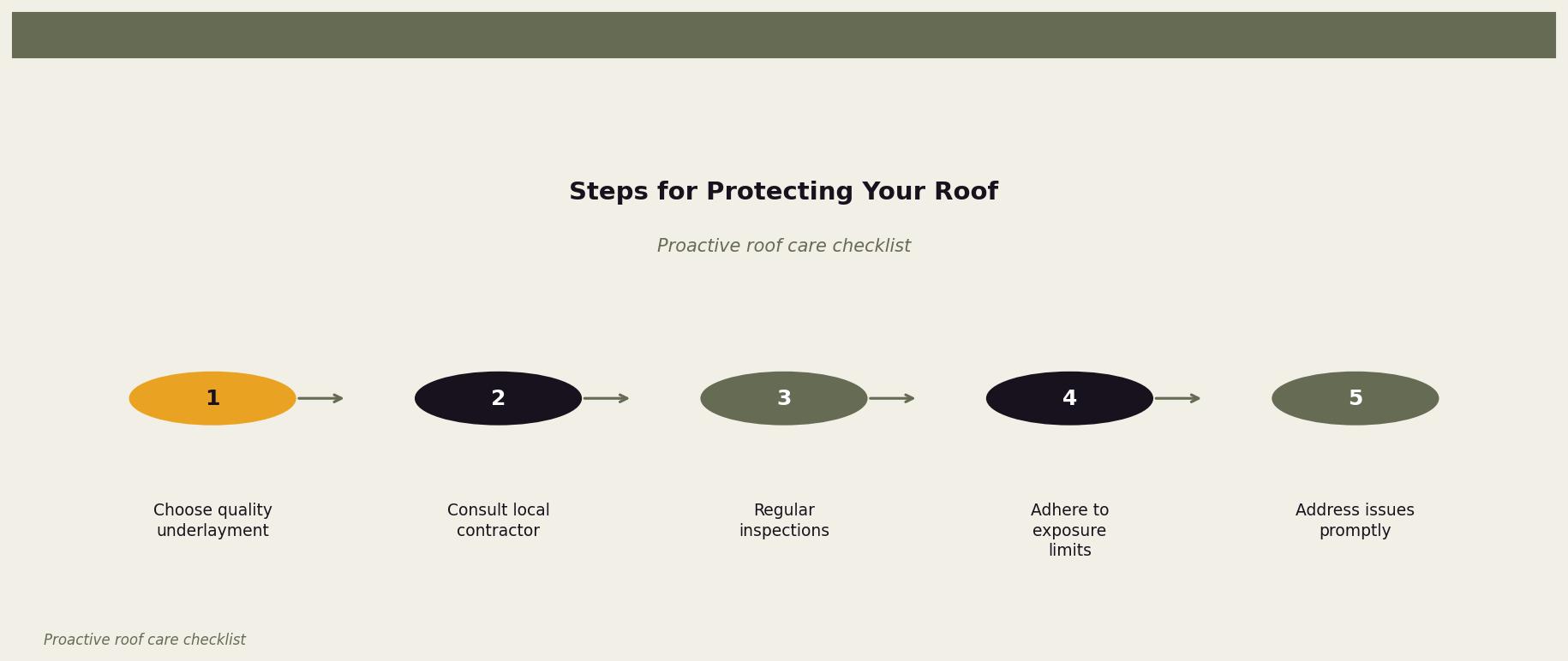
Whether you’re planning a new roof installation or dealing with an unexpected delay mid-project, here’s how to keep your underlayment from becoming a problem:
1. Choose the Right Underlayment for Your Timeline
If your project is straightforward—tear off, install, done in a few days—felt paper may work fine. But if there’s any chance of delays (contractor scheduling, weather windows, supply chain issues), synthetic is worth the extra investment. Know your exposure limits before work starts.
2. Work with a Contractor Who Plans for Minnesota Weather
A good local roofer knows not to start a tear-off on Thursday if rain is expected Friday and the crew can’t work the weekend. They’ll also know which underlayment products perform best in our climate and which manufacturers stand behind their exposure ratings.
3. Get Shingles On As Soon as Possible
This sounds obvious, but it bears repeating: the less time your underlayment sits exposed, the better. A well-organized crew should be able to install underlayment and shingles in close sequence, minimizing the exposure window.
4. Inspect Before Final Installation
If there’s been a significant delay between underlayment installation and shingling, have your contractor inspect the underlayment before proceeding. Look for wrinkles, tears, bubbles, or areas where the material has become brittle. Damaged underlayment should be replaced—it’s much cheaper to fix now than after shingles are in place.
5. Don’t Wait for Visible Damage to Check Your Roof
Remember that 73% statistic? Don’t be part of it. Check your roof periodically, especially after major storms or at season changes. Catching small problems early—whether it’s underlayment issues or anything else—prevents big problems later.
6. Keep Records
Know when your underlayment was installed and what type it is. If your project faces delays, you’ll know exactly where you stand relative to the manufacturer’s exposure limits. This information is also valuable for warranty purposes.
When Underlayment Has Been Exposed Too Long
So what happens if you’ve already blown past those exposure limits? Maybe a project got delayed, or maybe you just bought a house mid-renovation and the previous owner left things half-done.
Here’s the reality check: if your underlayment has been exposed significantly beyond its rated limit, it may need to be replaced before shingles can go on. That’s frustrating and adds cost, but it’s far better than installing shingles over compromised material and dealing with water damage a year or two down the road.
Signs that underlayment needs replacement:
- Visible tears, holes, or sections missing
- Brittle texture that cracks when touched
- Significant wrinkling or buckling
- Faded color (especially with felt paper)
- Water stains on the roof deck beneath the underlayment
If you’re unsure, have a qualified roofer take a look. They can assess the material’s condition and give you a straight answer about whether it’s still serviceable.
Let Owl Roofing Take a Look
If you’re dealing with an exposed underlayment situation—or you’re planning a roofing project and want to do it right the first time—we’re happy to help. Owl Roofing is locally owned and operated right here in Shoreview, and we serve homeowners throughout the Twin Cities. We’ve seen every type of underlayment scenario Minnesota weather can create, from summer UV damage to winter ice dam complications.
We’ll tell you exactly what your roof needs, explain your options in plain English, and get the work done right. No pressure, no runaround. Just honest answers from neighbors who understand what our climate demands.
Give us a call at 651-977-6027 or visit owlroofing.com/ to schedule a free inspection. We’ll make sure your underlayment—and everything else under those shingles—is ready to protect your home for years to come.
Protect Your Nest.
📍 Owl Roofing Serves the Entire Twin Cities Metro
Andover · Anoka · Apple Valley · Arden Hills · Big Lake · Blaine · Bloomington · Brooklyn Center · Brooklyn Park · Burnsville · Champlin · Chanhassen · Chaska · Columbia Heights · Coon Rapids · Cottage Grove · Crystal · deephaven · Delano · Eagan · East Bethel · Eden Prairie · Excelsior · Farmington · Forest Lake · Fridley · Golden Valley · Ham Lake · Hastings · Hopkins · Hugo · Inver Grove Heights · Lake Elmo · Lakeville · Lino Lakes · Mahtomedi · Maplewood · Mendota Heights · Minneapolis · Minnetrista · Mound · Mounds View · New Brighton · New Hope · North Oaks · North St. Paul · Oak Grove · Oakdale · Plymouth · Prior Lake · Ramsey · Richfield · Robbinsdale · Rosemount · Roseville · Saint Paul · Savage · Shakopee · Shoreview · South St. Paul · St. Louis Park · St. Michael · St. Paul · Stillwater · Vadnais Heights · Victoria · Waconia · wayzata · West St. Paul · White Bear Lake · woodbury
Licensed Minnesota roofing contractor · Free inspections · 10-year workmanship warranty · Get a free estimate →
