


How Noisy Is Roof Replacement What to Expect
 12min Read
 Posted 1.20.2026
How Noisy is Roof Replacement: What to Expect
That pounding above your head at 7:30 AM? It can hit 120 decibels—the same volume as a rock concert. If you’ve got a roof replacement coming up, you’re probably wondering: just how disruptive is this going to be? Whether you’re working from home, have a baby who naps, or just want to know what you’re in for, understanding the roof replacement noise level helps you plan your week and keep your sanity intact.
Here’s the reality: a roof replacement is loud. There’s no sugarcoating it. But it’s also temporary, predictable, and entirely manageable when you know what’s coming. Let’s walk through exactly what causes the noise, how it compares to other projects, and what you can do to make those few days as painless as possible.
The Situation: Why Roof Noise Catches People Off Guard
Most homeowners have never been through a roof replacement. Maybe you bought your house with a newer roof, or the previous owners handled it before you moved in. So when the crew shows up and the hammering starts, the sheer volume can be startling.
The noise during roof installation isn’t just background construction sounds—it’s directly above your living space. Every nail gun blast, every footstep, every bundle of shingles hitting the deck reverberates through your ceiling. According to the National Roofing Contractors Association (NRCA), the average roof replacement takes about 2 to 3 days, which means you’re looking at a sustained period of increased noise, not just a few hours of disruption.
For families with young children, pets, or anyone working from home, this matters. A study by the Insurance Institute for Business & Home Safety (IBHS) highlights that noise can impact cognitive function and stress levels. If you’re trying to concentrate on a Zoom call while someone’s running a nail gun six feet above your head, you’re going to have a rough time. That’s not meant to scare you—it’s meant to help you prepare.
The good news? Once you understand what’s happening up there and why, you can plan around it. No surprises, no scrambling, just a few days of controlled chaos that ends with a brand new roof.
The Task: Understanding What Actually Makes All That Noise
Before you can manage the noise, it helps to know where it’s coming from. Roof replacement isn’t one continuous sound—it’s a series of different activities, each with its own noise profile.
Hammering and Nail Guns: The Main Event
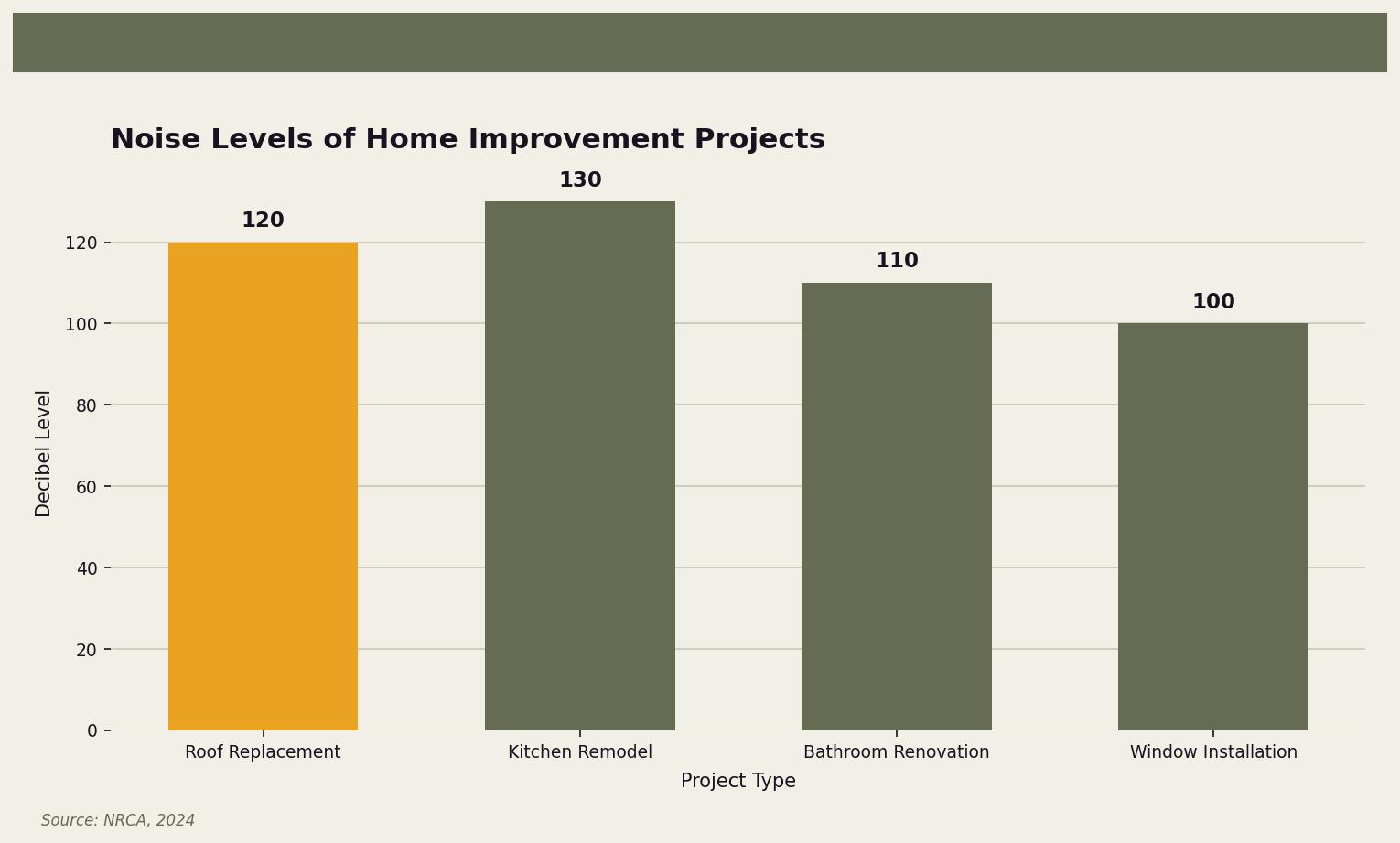
The primary source of noise during a roof replacement is the use of tools, specifically nail guns and hammers. These are essential for securing shingles, and they’re not quiet about it. Pneumatic nail guns can create sounds exceeding 120 decibels. For context, that’s comparable to the noise level of a rock concert, according to the Occupational Safety and Health Administration (OSHA). It’s also why professional roofers wear hearing protection.
The nail gun phase is typically the loudest part of the project. You’ll hear rapid-fire bursts as shingles get fastened down, row by row. This happens during the installation phase, after the old roof has been stripped and the underlayment is in place.
Tear-Off: Loud, But Different
Before the new shingles go on, the old ones have to come off. This tear-off phase involves prying up existing materials, which creates a different kind of noise—scraping, cracking, and the thud of debris hitting the ground or sliding down into a dumpster. It’s not as sharp as the nail gun noise, but it’s persistent and can feel chaotic.
Tear-off usually happens on day one. If your roof has multiple layers of old shingles (which is common in older Twin Cities homes), this phase takes longer and generates more noise and debris.
Foot Traffic and Material Movement
Another contributor to roofing sounds is the movement of workers and materials. Roofers walk across your roof constantly, creating thuds and vibrations that resonate throughout your home. Bundles of shingles weigh around 60-80 pounds each, and dropping them into position isn’t a delicate process.
You’ll also hear ladders being repositioned, tools being set down, and communication between crew members. It can feel like your house has become a construction site—because temporarily, it has.
Equipment and Vehicles
Don’t forget the ground-level noise: trucks delivering materials, compressors powering nail guns, and the occasional use of power saws for cutting flashing or trim pieces. If your replacement includes dumpster delivery and pickup, that’s another noise event at the beginning and end of the project.
The Action: How Roof Noise Compares to Other Home Projects
Here’s some perspective that might actually make you feel better about the noise situation.
Roof Replacement vs. Interior Renovations
While roof replacement noise is significant, it often pales in comparison to major interior renovations. The National Association of Realtors (NAR) notes that kitchen remodels, for example, can involve demolition and power tools that generate noise levels on par or even above roof installations—sometimes hitting 130 decibels during demo phases.
The key difference? Duration and location. A kitchen remodel might last 6-8 weeks, with noise happening sporadically throughout. A roof replacement is intense but short—typically 2-3 days, and then it’s done.
Outside vs. Inside: The Sound Buffer
One real advantage of roof replacement is that the noise is primarily contained outside. Unlike interior projects where noise reverberates through your walls and floors, roofing noise has to travel through your roof deck, insulation, and ceiling before it reaches your ears. It’s still loud, but it’s muffled compared to someone running a circular saw in your kitchen.
That said, the noise level inside varies depending on your home’s construction. Wooden structures might transmit more sound compared to brick or stucco. Homes with good attic insulation tend to buffer noise better than those without. And if you have a vaulted ceiling with no attic space, you’re essentially one layer away from the action—expect it to be louder.
A Minnesota Perspective on Roof Replacement Noise
Living in the Twin Cities adds some unique factors to the roof replacement experience.
Timing and Weather Windows
Minnesota’s roofing season runs roughly from late spring through early fall. Our freeze-thaw cycles mean most contractors schedule work during warmer months when shingles seal properly and conditions are safe for crews. The catch? You’re probably going to have your windows open during this time.
Open windows mean more noise gets in. If your replacement is scheduled for July and it’s 85 degrees, you’re facing a choice: close the windows and sweat, or leave them open and hear everything. Planning ahead with fans or temporary AC in key rooms can help.
Popular Materials in Our Region
According to the U.S. Census Bureau, asphalt shingles remain the most popular roofing material in the region due to their resilience against our harsh winters and their relative affordability. From a noise perspective, asphalt shingle installation is pretty standard—you’re looking at typical nail gun noise levels.
Metal roofing, which is growing in popularity for its durability and energy efficiency, involves different installation sounds—more drilling and screwing than nailing—but similar overall volume. Cedar shakes or tile roofs might have slightly different noise profiles, but the nail gun remains the common denominator.
Neighborhood Considerations
In established Twin Cities neighborhoods like Shoreview, Roseville, or Woodbury, houses are often close together. That means your roof replacement affects your neighbors too. A thoughtful contractor will keep work within reasonable hours (typically 7 AM to 6 PM) and communicate with adjacent homeowners about the timeline. It’s just good neighbor behavior.
The Result: Your Action Plan for Managing the Noise
Now that you know what’s coming, here’s how to make those few days as smooth as possible:
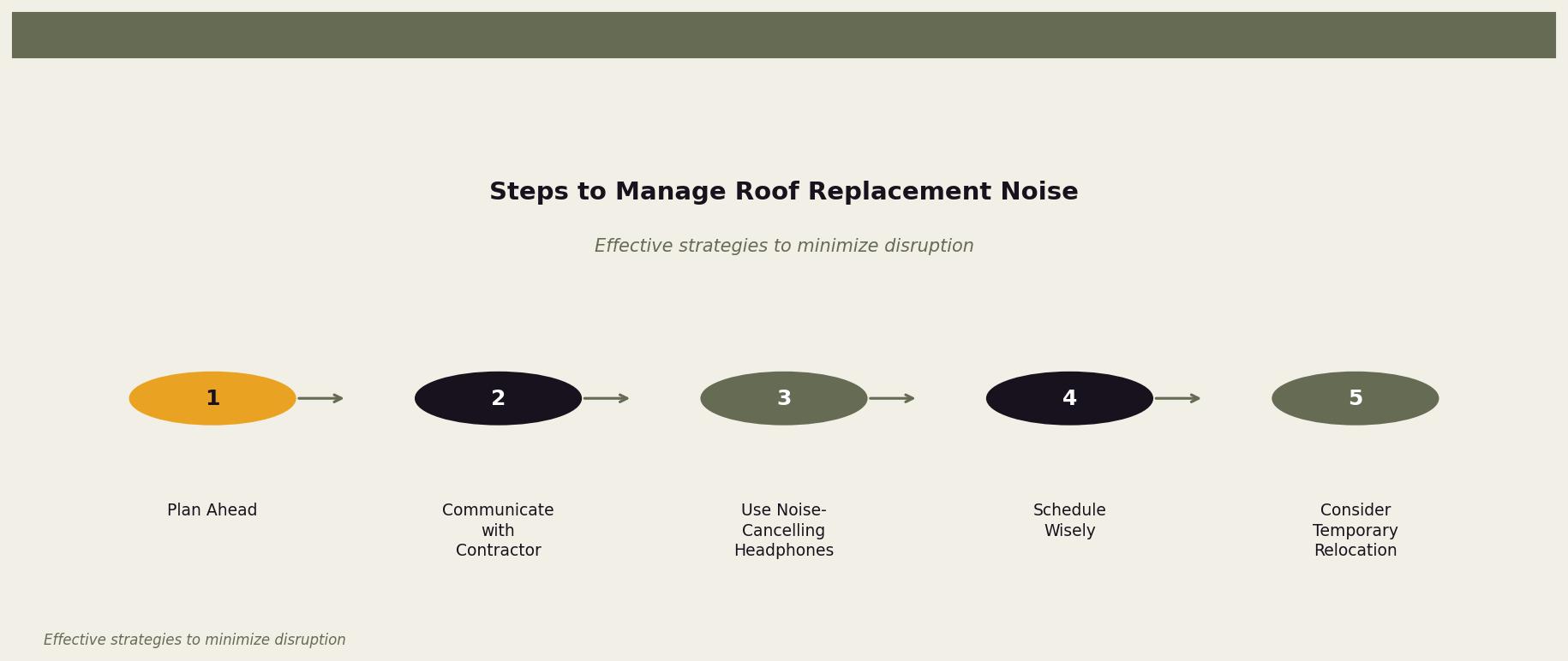
- Plan Your Schedule Around It: If you can, schedule the replacement during a week when you have flexibility. Working from a coffee shop, a library, or a friend’s house for a day or two makes a huge difference. If you’re taking a family vacation anyway, that’s ideal timing.
- Talk to Your Contractor About the Timeline: Ask which day will be loudest (usually the tear-off and initial installation phases) and which hours the crew will be working. Most professional crews start early and wrap up by late afternoon. Knowing the schedule lets you plan naps, meetings, or pet care accordingly.
- Invest in Noise-Cancelling Headphones: If you have to stay home, a good pair of noise-cancelling headphones is worth every penny. They won’t eliminate the noise completely—you’ll still feel some vibration—but they take the edge off significantly.
- Prepare Your Pets: Dogs and cats can get anxious with the strange noises and vibrations. Consider having them stay with a friend, at doggy daycare, or in a room farthest from the work with some white noise playing. A little preparation prevents a lot of stress.
- Give Your Neighbors a Heads Up: A quick text or knock on the door letting them know what’s happening goes a long way. They’ll appreciate the courtesy, and it prevents any confusion about the sudden construction sounds.
- Consider Temporary Relocation for the Loudest Day: If you have a family member who works night shifts, a newborn who needs quiet, or anyone particularly sensitive to noise, spending day one somewhere else might be the simplest solution.
What Happens After the Noise Stops
Here’s the payoff: once the crew packs up and the last nail is set, you’ve got a roof that should protect your home for 25-50 years depending on materials. The 2-3 days of noise translates into decades of not thinking about your roof.
A good contractor will do a final walkthrough with you, clean up all the debris, and run a magnetic sweeper over your yard to catch any stray nails. Within a day of completion, you’d never know anyone had been up there—except for the brand new roof overhead.
Ready to Get Started? We’re Right Here in Shoreview.
At Owl Roofing, we’ve been through hundreds of roof replacements across the Twin Cities, and we know the noise question comes up almost every time. It’s a fair concern. We walk you through exactly what to expect—which days will be loudest, how long we’ll be there, and how to prep your household so the disruption stays minimal.
We’re a family-owned company based right here in Shoreview. Tim, Bea, Noah, and Anya—we’re your neighbors, not a franchise crew passing through. We show up when we say we will, keep our work hours reasonable, and leave your property cleaner than we found it. If you’ve got questions about your roof or want to talk through what a replacement would look like for your home, give us a call at 651-977-6027 or visit owlroofing.com/.
Protect Your Nest.
📍 Owl Roofing Serves the Entire Twin Cities Metro
Andover · Anoka · Apple Valley · Arden Hills · Big Lake · Blaine · Bloomington · Brooklyn Center · Brooklyn Park · Burnsville · Champlin · Chanhassen · Chaska · Columbia Heights · Coon Rapids · Cottage Grove · Crystal · deephaven · Delano · Eagan · East Bethel · Eden Prairie · Excelsior · Farmington · Forest Lake · Fridley · Golden Valley · Ham Lake · Hastings · Hopkins · Hugo · Inver Grove Heights · Lake Elmo · Lakeville · Lino Lakes · Mahtomedi · Maplewood · Mendota Heights · Minneapolis · Minnetrista · Mound · Mounds View · New Brighton · New Hope · North Oaks · North St. Paul · Oak Grove · Oakdale · Plymouth · Prior Lake · Ramsey · Richfield · Robbinsdale · Rosemount · Roseville · Saint Paul · Savage · Shakopee · Shoreview · South St. Paul · St. Louis Park · St. Michael · St. Paul · Stillwater · Vadnais Heights · Victoria · Waconia · wayzata · West St. Paul · White Bear Lake · woodbury
Licensed Minnesota roofing contractor · Free inspections · 10-year workmanship warranty · Get a free estimate →
