


Roof Inspection Minneapolis What to Expect and Why It Matters After Storms
 12min Read
 Posted 1.30.2026
Roof Inspection Minneapolis: What to Expect and Why It Matters After Storms
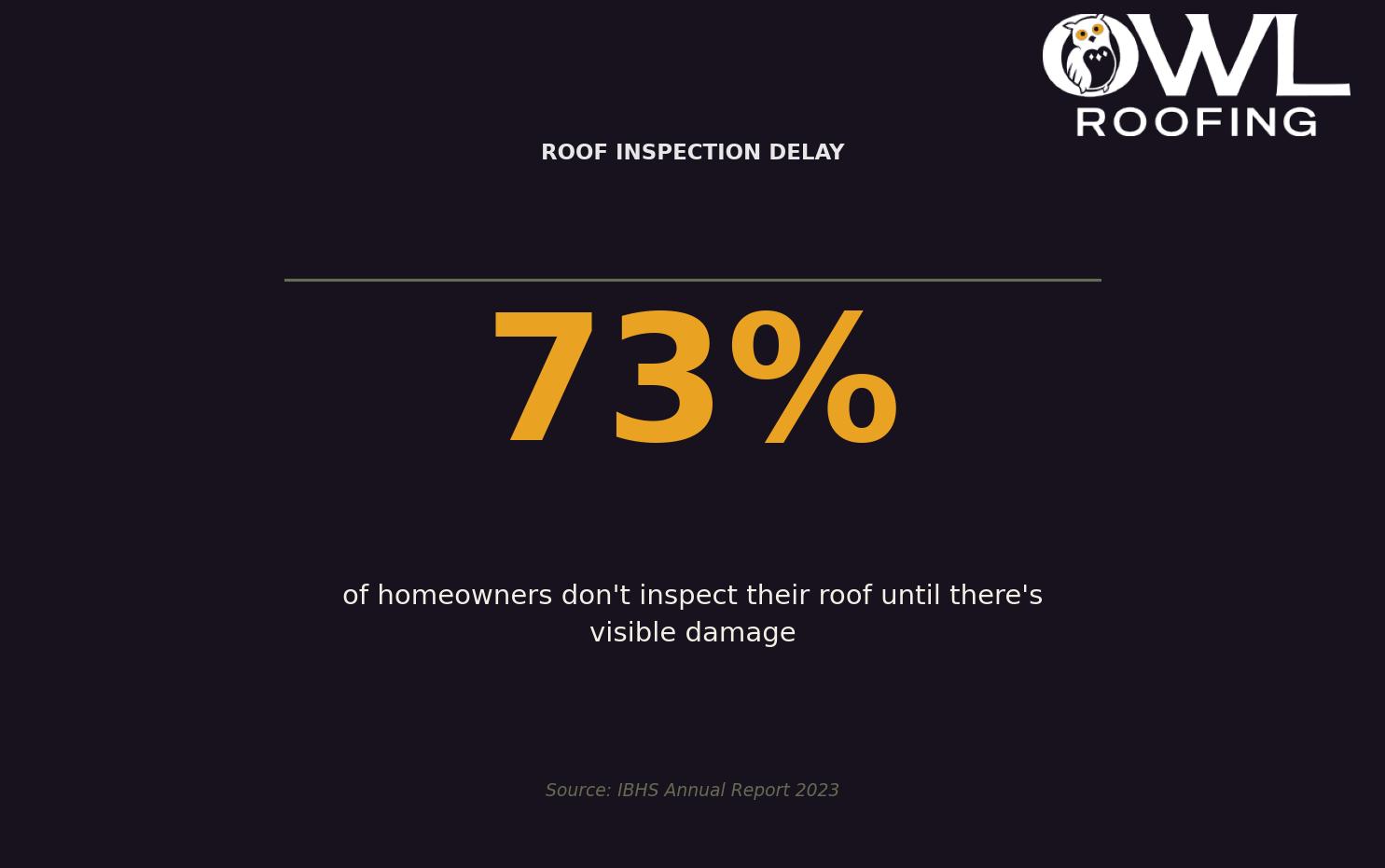
Last summer, a Bloomington family woke up to a ceiling stain the size of a dinner plate—three weeks after a hailstorm they barely remembered. The damage had been up there the whole time, quietly getting worse. Here’s the thing: 73% of homeowners don’t inspect their roof until there’s visible damage inside their home, according to the Insurance Institute for Business & Home Safety. By then, that “small” problem has often become a much bigger (and pricier) one.
If you’ve lived through a Minnesota storm season—and let’s be honest, that’s every year—you know the drill. The sky turns green, the sirens go off, and you hunker down until it passes. But what happens after the storm matters just as much as weathering it. A roof inspection in Minneapolis isn’t just a box to check. It’s how you catch problems before they punch through your ceiling.
The Situation: Why Twin Cities Roofs Take a Beating
Your roof is the first thing standing between your family and whatever Minnesota’s weather decides to throw at you. And Minnesota throws a lot.
According to the Insurance Institute for Business & Home Safety (IBHS), wind and hail are the top two causes of property damage nationwide—and our state sees plenty of both. In fact, Census data shows Minnesota consistently ranks among the top states for hail damage claims. We’re not talking about gentle spring showers here. We’re talking about golf-ball-sized ice falling from the sky at highway speeds.
But here’s what makes our region especially tough on roofs: the freeze-thaw cycle. Water seeps into tiny cracks during the day when things warm up, then freezes and expands overnight. That expansion widens the crack. Rinse and repeat all winter long, and you’ve got damage that started as a hairline fracture turning into a full-blown leak by spring.
The National Roofing Contractors Association (NRCA) found that regular inspections can extend a roof’s life by 30–50%. That’s not a typo—you could get decades more out of your roof just by catching problems early. The math is simple: a $300 inspection now beats a $15,000 replacement later.
The Task: Understanding What a Roof Inspection Actually Covers
What Inspectors Are Really Looking For
When you schedule a roof inspection in Minneapolis, you’re not just paying someone to glance at your shingles and give you a thumbs up. A thorough inspection is detective work—piecing together the story of what your roof has been through and what it needs next.
Here’s what a proper inspection covers:
- Shingle condition: Missing, cracked, curled, or buckling shingles are obvious red flags. But inspectors also look for granule loss—those tiny bits that wash into your gutters. Excessive granule loss means your shingles are aging fast.
- Flashing integrity: The metal strips around chimneys, vents, and skylights are common leak points. Loose or corroded flashing is an invitation for water to sneak in.
- Gutter and downspout function: Clogged or damaged gutters can’t do their job—directing water away from your home. When they fail, water pools on your roof or floods your foundation.
- Ventilation assessment: Proper attic ventilation prevents moisture buildup and ice dams. Poor ventilation cuts years off your roof’s life.
- Structural concerns: Sagging areas, soft spots, or visible daylight through the roof deck signal serious problems that need immediate attention.
The Inspection Process, Step by Step
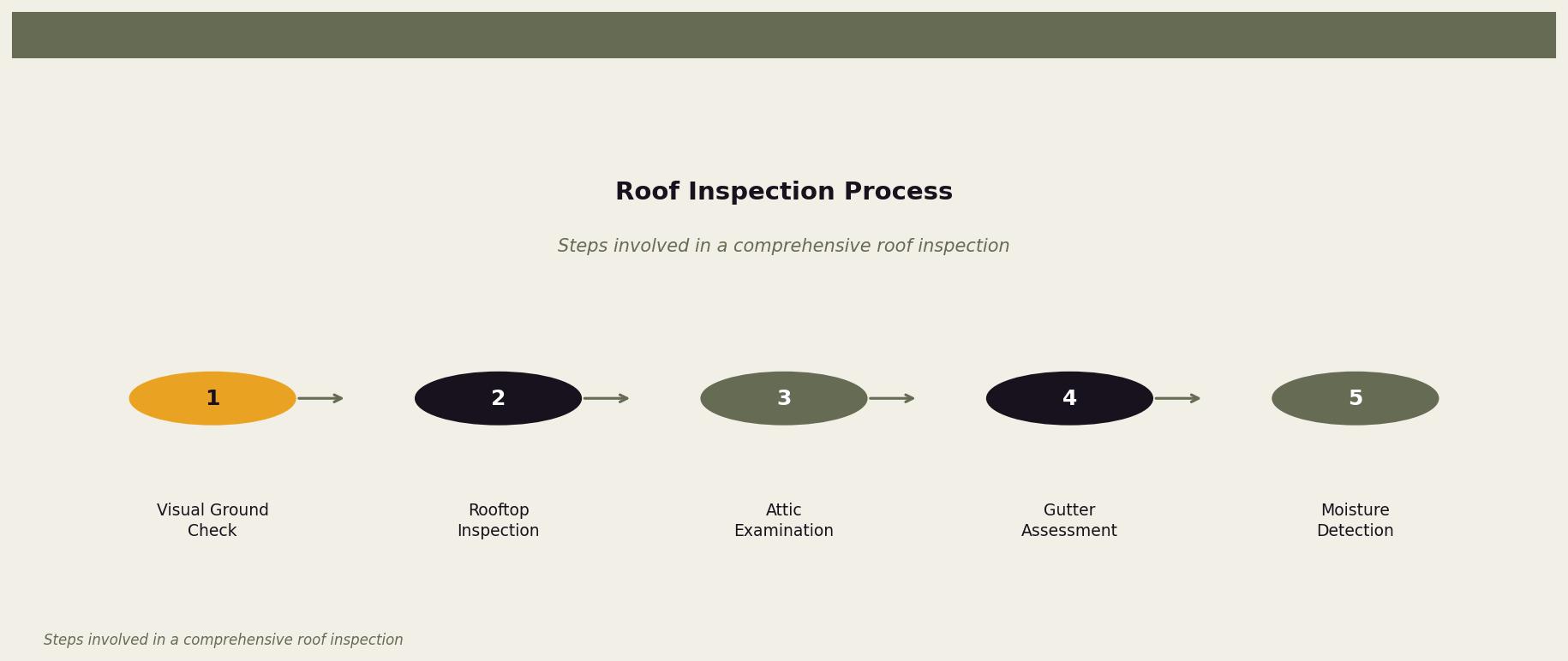
Most professional inspections follow a clear sequence:
Ground-level visual check: Inspectors start from the yard, scanning for obvious damage—missing shingles, damaged gutters, or debris. This gives them a roadmap for what to look at more closely.
Rooftop examination: Up on the roof, they check every surface—shingles, flashing, vents, and seams. They’re looking for storm damage like hail dents, wind uplift, and impact marks from fallen branches.
Attic inspection: This is where hidden damage lives. Water stains, mold growth, damp insulation, and daylight peeking through are all signs that moisture is getting where it shouldn’t.
Gutter assessment: Inspectors check for proper drainage, secure attachments, and any debris buildup that could cause problems during the next heavy rain.
Moisture detection: Many inspectors now use thermal imaging or moisture meters to find trapped water that’s invisible to the naked eye. This technology catches problems that would otherwise go undetected until they caused major damage.
Some companies also use drones to get detailed images of hard-to-reach areas without putting anyone at risk. It’s not just fancy technology for its own sake—it’s about being thorough.
The Action: Choosing the Right Inspection for Your Situation
Free vs. Paid Inspections: What’s the Real Difference?
You’ve probably seen the signs: “Free Roof Inspection!” They pop up all over the Twin Cities, especially after big storms. But here’s what you should know before you call.
Free inspections can be genuinely useful. A reputable local company offering a free inspection is often just looking to build trust in the community. They’ll give you an honest overview of your roof’s condition and let you know if anything needs attention.
However, free inspections typically provide a basic assessment—a quick look to identify obvious problems. They’re a good starting point, but they might not catch everything.
Paid inspections go deeper. The average roof inspection cost in Minneapolis runs between $200 and $400, depending on your roof’s size and complexity. For that investment, you usually get:
- A comprehensive written report with detailed findings
- Photos documenting current conditions and any damage
- Specific repair recommendations with priority rankings
- Estimated costs for necessary work
- A maintenance plan for extending your roof’s life
Think of it this way: a free inspection tells you if something’s obviously wrong. A paid inspection tells you everything you need to know to make smart decisions about your home.
Reading Your Inspection Report: What Actually Matters
When you get your inspection results, don’t just flip to the bottom line. Take time to understand what you’re looking at.
Focus on these key areas:
- Shingle condition: How much life is left? Are problems isolated or widespread?
- Flashing status: Any gaps, rust, or lifting that could let water in?
- Storm-specific damage: Hail impact marks, wind uplift, or debris damage that might be covered by insurance
- Immediate vs. future repairs: What needs fixing now, and what can wait?
A quality report doesn’t just list problems—it helps you prioritize. Some issues need immediate attention to prevent further damage. Others can be monitored and addressed during your next maintenance window.
The Twin Cities Factor: Local Weather, Local Knowledge
Every region has its roofing challenges, but Minneapolis and the surrounding Twin Cities face a unique combination of weather extremes that most of the country doesn’t deal with.
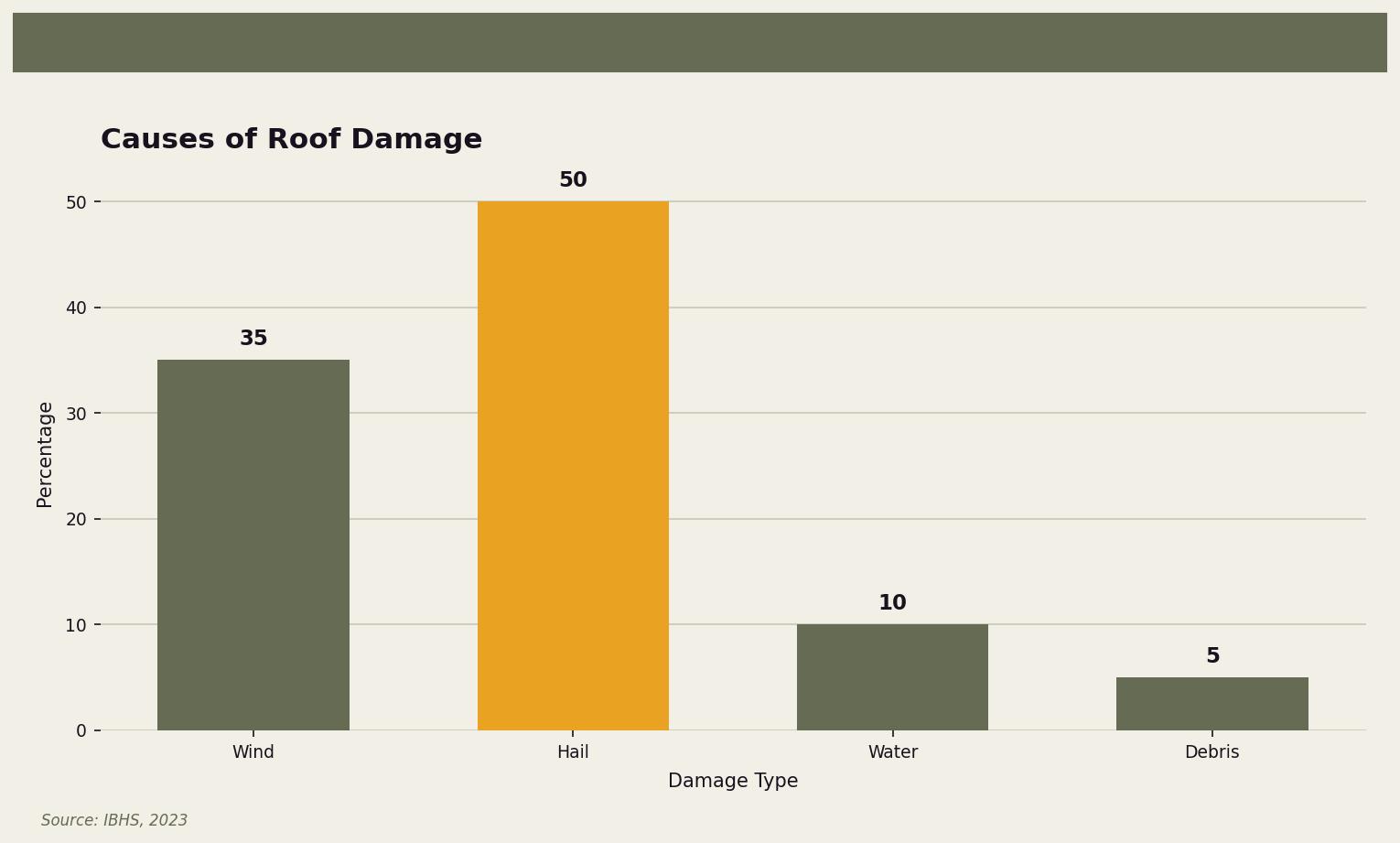
Our summers bring severe thunderstorms with damaging winds and hail. According to IBHS data, hail causes about 50% of all roof damage, and wind accounts for another 35%. When a storm rolls through Shoreview, Roseville, or Maple Grove, it can leave behind damage that’s not visible from the ground but very real.
Then winter arrives. Snow loads stress your roof structure. Ice dams form at the eaves, forcing water back under shingles. And that freeze-thaw cycle we mentioned? It works on your roof for months, slowly widening every tiny vulnerability.
Spring and fall bring their own challenges—rapid temperature swings, heavy rains, and the occasional late or early season storm that catches everyone off guard.
This is why working with inspectors who know Minnesota roofing matters. A contractor from out of state might miss the early signs of ice dam damage or not understand how our clay-heavy soil affects foundation drainage (which affects how water flows away from—or back toward—your home).
Local knowledge isn’t just a nice-to-have. It’s the difference between catching a problem early and missing it entirely.
Your Action Plan: What to Do After a Storm
If your roof has recently weathered a storm, here’s exactly what to do:
Step 1: Do a quick visual check from the ground. Walk around your property and look for obvious signs of damage—shingles in the yard, dented gutters, or debris on the roof. Don’t climb up there yourself. It’s not worth the risk.
Step 2: Check inside your home. Look at ceilings and walls for water stains, especially in upper floors and the attic. Note any musty smells that might indicate moisture problems.
Step 3: Document everything. Take photos of any damage you can see from the ground. If you file an insurance claim later, this documentation is invaluable.
Step 4: Contact a reputable local contractor. Schedule a professional roof inspection in Minneapolis promptly. Don’t wait for damage to get worse. Ask about their inspection process—what’s included, how long it takes, and when you’ll get a report.
Step 5: Review your insurance coverage. Know what your policy covers before you need it. Many storm damage repairs are covered, but there are often time limits for filing claims.
Step 6: Create a maintenance plan. Use your inspection report to schedule necessary repairs and plan for future maintenance. Regular upkeep prevents small problems from becoming big ones.
The key word in all of this is “promptly.” Water damage doesn’t wait. A small leak after Monday’s storm becomes mold and rotted decking by the time you notice it in October.
Protect Your Investment Before the Next Storm Hits
Regular roof inspections aren’t exciting. Nobody brags about them at neighborhood barbecues. But they’re one of the smartest things you can do as a homeowner in a climate like ours.
Think about it: your roof protects everything underneath it—your family, your belongings, your peace of mind. A little attention now prevents a lot of stress later. And in a region where storms are guaranteed, staying ahead of damage isn’t paranoid. It’s practical.
The homeowners who avoid nasty surprises are the ones who don’t wait for water dripping from the ceiling to take action. They schedule inspections after major storms and at least once a year for general maintenance. They catch problems when they’re small and fixable, not when they’ve turned into emergencies.
Let Your Neighbors Take a Look
If you’ve been putting off a roof inspection—or if a recent storm has you wondering what’s going on up there—we’d be happy to help. At Owl Roofing, we’re based right here in Shoreview and serve homeowners across the Twin Cities. Tim, Bea, Noah, and Anya have been climbing on local roofs for over 15 years combined, and we’ve seen every kind of storm damage Minnesota can dish out.
We’re not a franchise, and we’re definitely not storm chasers who’ll disappear when the weather clears. We’re your neighbors. We’ll look at your roof, tell you exactly what’s going on, and give you honest recommendations—even if that means saying “you’re fine for now.”
Give us a call at 651-977-6027 or visit owlroofing.com/ to schedule an inspection. Protect Your Nest.
📍 Owl Roofing Serves the Entire Twin Cities Metro
Andover · Anoka · Apple Valley · Arden Hills · Big Lake · Blaine · Bloomington · Brooklyn Center · Brooklyn Park · Burnsville · Champlin · Chanhassen · Chaska · Columbia Heights · Coon Rapids · Cottage Grove · Crystal · deephaven · Delano · Eagan · East Bethel · Eden Prairie · Excelsior · Farmington · Forest Lake · Fridley · Golden Valley · Ham Lake · Hastings · Hopkins · Hugo · Inver Grove Heights · Lake Elmo · Lakeville · Lino Lakes · Mahtomedi · Maplewood · Mendota Heights · Minneapolis · Minnetrista · Mound · Mounds View · New Brighton · New Hope · North Oaks · North St. Paul · Oak Grove · Oakdale · Plymouth · Prior Lake · Ramsey · Richfield · Robbinsdale · Rosemount · Roseville · Saint Paul · Savage · Shakopee · Shoreview · South St. Paul · St. Louis Park · St. Michael · St. Paul · Stillwater · Vadnais Heights · Victoria · Waconia · wayzata · West St. Paul · White Bear Lake · woodbury
Licensed Minnesota roofing contractor · Free inspections · 10-year workmanship warranty · Get a free estimate →
