




Roofing Underlayment Explained What It Does and Why It Matters
 20min Read
 Posted 9.30.2025
The Hidden Layer That’s Saving (or Destroying) Your Roof Right Now
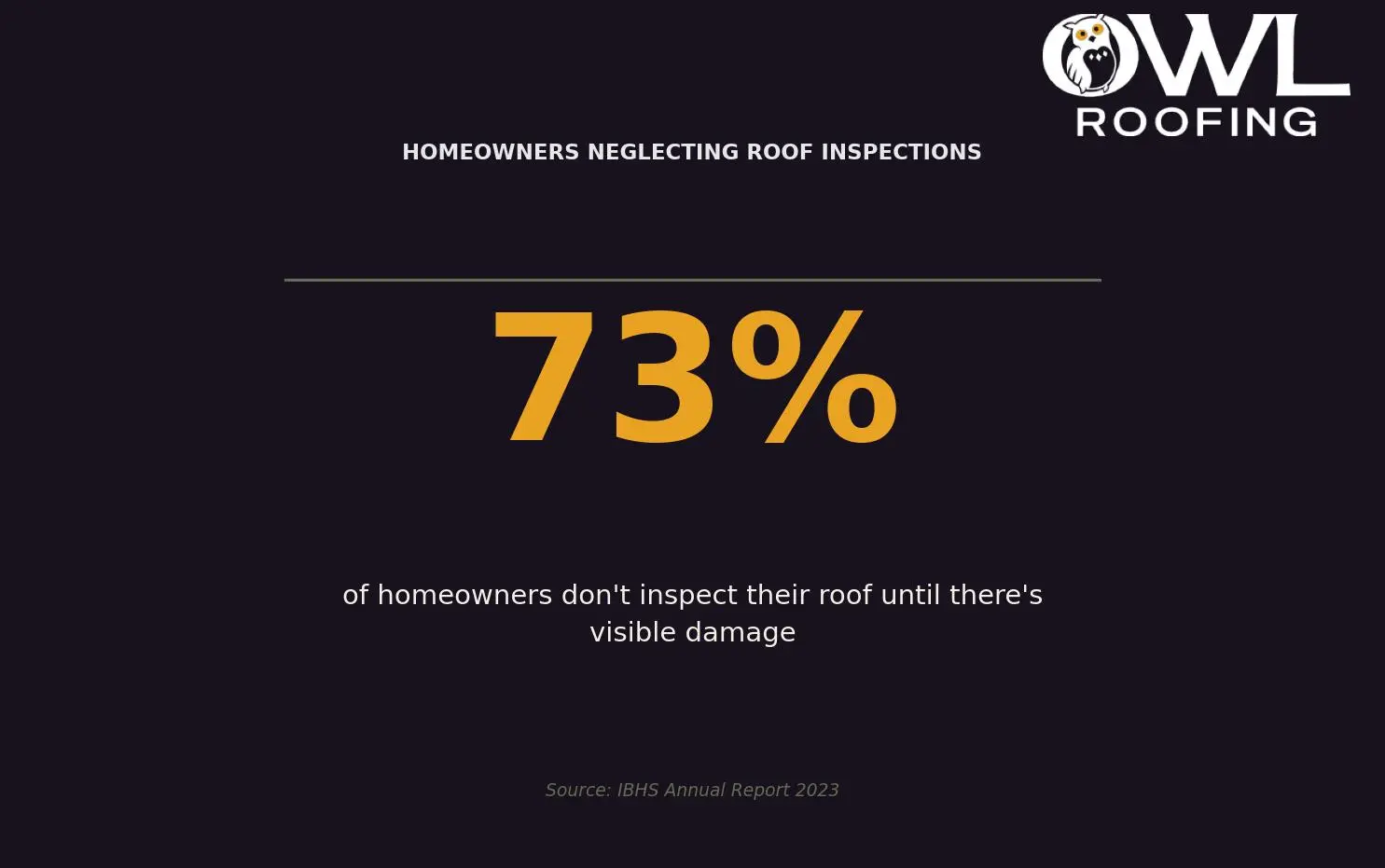
Here’s a stat that should make every Twin Cities homeowner nervous: 73% of us never inspect our roof until we see water dripping into our living room. By then, you’re not looking at a quick fix — you’re staring down thousands in repairs that could have been prevented by a layer of material you’ve probably never thought about. That layer? Roofing underlayment. And if yours is failing, you might not know it until your ceiling tells you the hard way.
The problem is simple: most homeowners have no idea what roofing underlayment actually does, why it matters, or whether theirs is up to the brutal demands of a Minnesota winter. We’re talking about a material that sits completely hidden beneath your shingles, quietly doing the heavy lifting of keeping your home dry — or slowly failing while you go about your life, blissfully unaware. Our promise? By the time you finish reading this, you’ll understand exactly what’s protecting your home (or not), what type of underlayment makes sense for our climate, and what steps to take to make sure your roof can handle whatever Minnesota throws at it next.
Why Roofing Underlayment Should Be on Every Twin Cities Homeowner’s Radar
Let’s be honest — roofing underlayment isn’t exactly dinner party conversation. It’s not the gleaming new shingles your neighbors compliment, and it’s not the dramatic copper flashing that catches the eye. It’s completely invisible once your roof is installed. But here’s the thing: that invisible layer might be the single most important component standing between your family and a catastrophic leak.
For those of us living in Shoreview, Roseville, Maplewood, or anywhere in the Twin Cities metro, the stakes are even higher. The Insurance Institute for Business & Home Safety (IBHS) has been clear: roofs without adequate underlayment are significantly more likely to suffer damage during heavy storms. And we don’t exactly have a shortage of those around here. When a summer thunderstorm rolls through with 60 mph winds, or when February dumps another foot of snow on top of the ice dam that’s been building all winter, your underlayment is working overtime to keep moisture out.
Think about what our roofs endure in a typical year. We go from 95°F July afternoons (when your attic can hit 140°F) to -20°F January nights. That’s over 100 degrees of temperature swing, and your roofing materials are expanding and contracting through every bit of it. Water finds its way into the smallest gaps, freezes, expands, and creates bigger gaps. Rinse and repeat, year after year. A quality underlayment acts as your backup plan — a secondary barrier that catches what the shingles miss.
Here’s proof this matters for your wallet, not just your comfort: according to a 2023 report by the National Association of Realtors (NAR), homes with well-maintained roofs command significantly higher resale values. Buyers (and their inspectors) know that a roof system with proper underlayment is a roof that’s been done right. It’s not just about avoiding leaks today — it’s about protecting your investment for the long haul.
What Exactly Is Roofing Underlayment? A Straight Answer
The Basics: What You’re Working With
Roofing underlayment is a water-resistant or fully waterproof barrier that gets installed directly onto your roof deck — that’s the plywood or OSB sheathing that forms the structural surface of your roof. It goes on before your shingles, tiles, or metal roofing, and it stays completely hidden once the job is done. Think of it as your roof’s insurance policy: if a shingle cracks, blows off, or fails in some way, the underlayment is there to catch the moisture before it hits the wood and starts causing real problems.
Now, here’s something most homeowners don’t realize: shingles are designed to shed water, not seal it out. They overlap in a way that directs water downward and off your roof, but they’re not waterproof in the way a tarp is waterproof. Wind-driven rain, ice backing up under your shingles, or a small puncture from a fallen branch — all of these can allow water past that outer layer. Without underlayment, that water goes straight into your roof deck. With underlayment, you’ve got a second chance to stop it.
The Real Purpose of Roofing Underlayment (And Why You Should Care)
The primary job of roofing underlayment is simple: keep water out of your home when the primary roofing material can’t. But it does more than just that. Quality underlayment also provides a smoother surface for shingle installation, which can actually help your shingles lay flatter and last longer. It offers some degree of protection against wind-driven debris. And certain types of underlayment — particularly the rubberized asphalt varieties — can improve your roof’s fire resistance rating, which your insurance company might care about more than you’d expect.
Here’s a number worth remembering: the National Roofing Contractors Association (NRCA) reports that roofs with properly installed underlayment can last up to 40% longer than those without. That’s not a marginal improvement — that’s potentially adding a decade or more to a roof’s functional life. When you’re talking about a replacement that costs $15,000 to $30,000 or more, pushing that expense back by 10 years makes a real difference in your financial planning.
The NRCA also emphasizes that proper underlayment is especially critical in regions prone to severe weather. And if you’ve lived through a Minnesota January, you know we qualify. The freeze-thaw cycle alone puts more stress on roofing systems than most parts of the country experience in a decade. Your underlayment needs to handle not just water, but the ice that forms, melts, refreezes, and generally makes life difficult for anything trying to keep the elements out.
Types of Roofing Underlayment: Know Your Options
Asphalt-Saturated Felt: The Old Reliable
For decades, asphalt-saturated felt (often called “tar paper” or just “felt paper”) was the go-to underlayment for almost every roofing job. It’s made from natural materials like wood cellulose or fiberglass, saturated with asphalt to make it water-resistant. You’ll typically see it described by weight — 15-pound felt and 30-pound felt are the most common, with the heavier option being thicker and more durable.
The pros? It’s affordable, it works, and contractors have been using it forever, so installation is straightforward. The cons? It’s heavier than synthetic options, which means more labor to handle it on the roof. It can tear relatively easily during installation, especially on windy days. And here’s the kicker for Minnesota homeowners: it doesn’t handle extreme temperature swings as gracefully as newer materials. The asphalt can dry out and become brittle over time, particularly if your roof gets a lot of direct sun exposure. That said, plenty of roofs in the Twin Cities are protected by felt underlayment and doing just fine.
Synthetic Underlayment: The Modern Standard
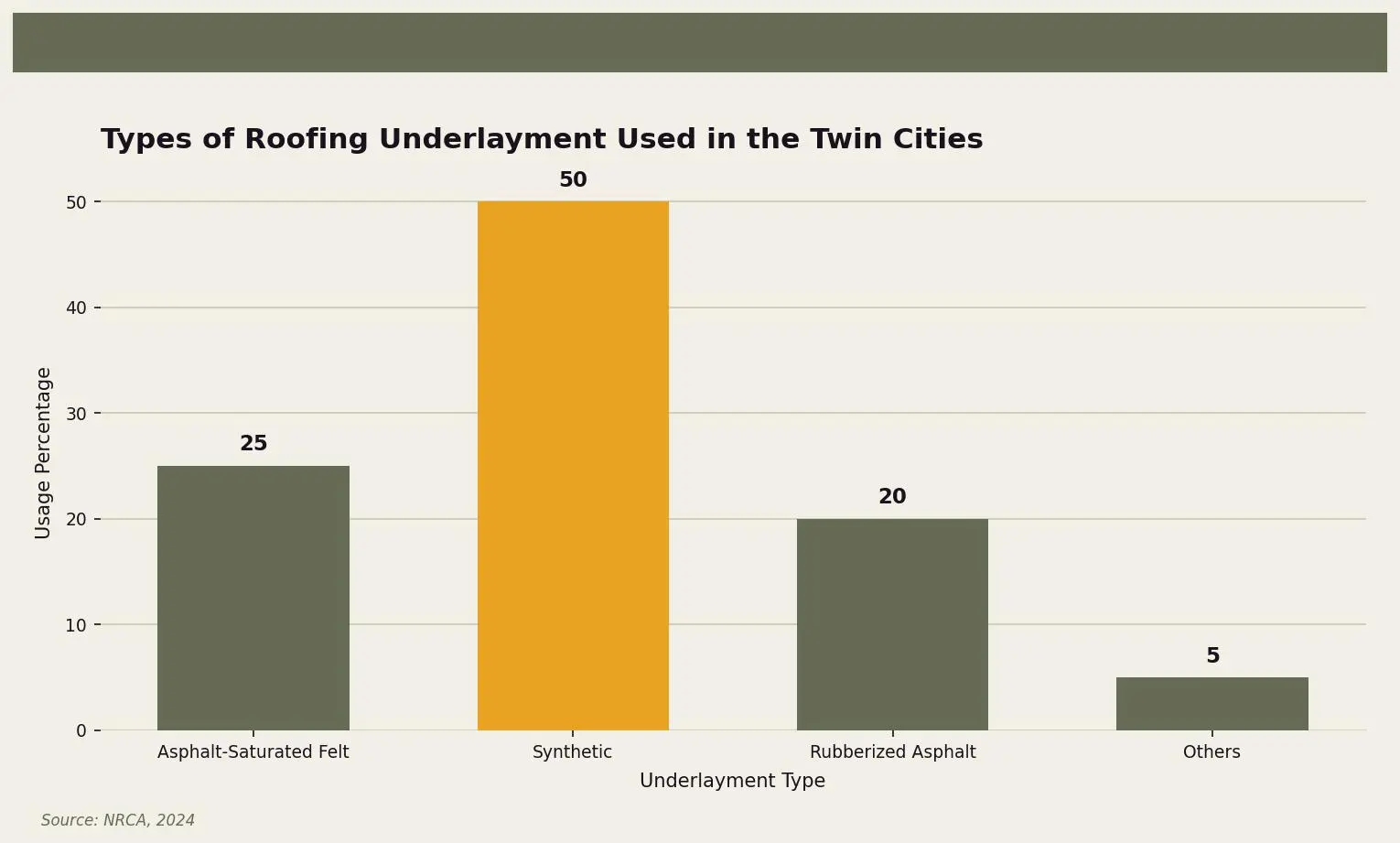
Synthetic underlayment is made from polypropylene or polyethylene — basically, tough plastic polymers woven into a durable, lightweight sheet. It’s been growing in popularity for good reason, and NRCA data shows that synthetic now accounts for about 50% of underlayment installations in the Twin Cities area, making it the most commonly used type in our market.
What makes synthetic underlayment a strong choice for Minnesota? Start with durability: it’s far more resistant to tearing than felt, which matters when crews are walking around on your roof during installation. It’s also lighter, meaning it’s easier and faster to roll out and secure. It won’t absorb water and wrinkle the way felt can if it’s exposed during a project. And perhaps most importantly for our climate, synthetic underlayment handles temperature extremes exceptionally well. It won’t become brittle in sub-zero temperatures the way felt can, and it won’t soften and wrinkle in the summer heat.
The tradeoff? Synthetic underlayment costs more than felt — sometimes significantly more. But given its longer lifespan and superior performance in harsh conditions, many local roofers (ourselves included) consider it the smarter investment for homes in the Twin Cities.
Rubberized Asphalt (Self-Adhering Membrane): The Heavy-Duty Option
Rubberized asphalt underlayment is the premium choice, and it’s specifically designed for the areas of your roof that take the most abuse. This material contains rubber polymers that give it genuine waterproof properties — not just water-resistant, but actually waterproof. Most products in this category have a self-adhesive backing, meaning they create a direct, sealed bond to your roof deck.
You’ll often hear this type called “ice and water shield” because that’s exactly what it’s designed for. In Minnesota, it’s typically installed along the eaves (the lower edge of your roof), in valleys where two roof planes meet, and around penetrations like vents and chimneys. These are the high-risk areas where ice dams form, where water tends to pool, and where leaks most commonly originate.
The Minnesota State Building Code actually requires ice and water shield underlayment along eaves in areas prone to ice dam formation — which is essentially the entire state. The requirement typically extends from the roof’s edge to at least 24 inches inside the exterior wall line of your home. Some roofers go further than code requires, especially on roofs with shallow pitches or complex geometry where water might move in unexpected ways.
Rubberized asphalt is the most expensive underlayment option, so using it across an entire roof isn’t always practical. But for those critical areas where failure isn’t an option? It’s often worth every penny.
Proper Installation: Where Good Intentions Meet Reality
Even the best underlayment material in the world won’t help you if it’s installed incorrectly. Proper installation starts with a clean, dry roof deck — any existing damage to the plywood or OSB needs to be addressed before the underlayment goes down. The material is then rolled out horizontally across the roof, starting at the bottom (the eave) and working upward toward the ridge.
Each course of underlayment overlaps the one below it — typically by 2 to 4 inches for synthetic underlayment, and sometimes more for felt. This overlap is crucial because it ensures water running down the roof always flows over the seam, not under it. The NRCA recommends using cap nails or staples with plastic caps to secure underlayment, as these provide better holding power and are less likely to tear through the material in high winds.
Special attention needs to be paid to valleys, where two roof planes meet and channel water together. This is where leaks love to start, so valley areas typically get additional layers of underlayment or the rubberized self-adhering type for extra protection. Same goes for areas around chimneys, skylights, vent pipes, and any other penetrations through the roof surface.
One thing experienced roofers know: don’t leave underlayment exposed to the elements longer than the manufacturer recommends. Most synthetic underlayments can handle 60 to 90 days of UV exposure before performance starts to degrade. Felt underlayment has a shorter window. If a project gets delayed, that underlayment sitting bare under the sun is slowly losing its protective properties. This is one of many reasons to work with a crew that can complete your roofing project efficiently, without leaving materials exposed for extended periods.
Minnesota-Specific Considerations: What Our Climate Demands
Let’s talk about what makes roofing in the Twin Cities different from roofing in, say, Phoenix or Miami. The Insurance Information Institute ranks Minnesota among the top 10 states for severe weather-related insurance claims, and anyone who’s lived here for a winter understands why. We’re dealing with a combination of challenges that stress roofing systems in ways most parts of the country don’t experience.
First, there’s the ice dam problem. Ice dams form when heat from your attic melts snow on your roof, the water runs down to the colder eaves, and refreezes. That ice backs up under your shingles, and if your underlayment isn’t up to the task, that water finds its way into your home. This is why the Minnesota State Building Code requires ice and water shield membrane along eaves — it’s not optional here like it might be in warmer states. That rubberized, self-adhering underlayment creates a waterproof barrier that can handle water sitting on it, which is exactly what happens when ice dams form.
Second, consider the temperature extremes. The expansion and contraction that comes with 100+ degree annual temperature swings fatigues roofing materials over time. Underlayment that becomes brittle in cold weather is underlayment that can crack and fail. This is another point in favor of synthetic options, which maintain their flexibility across our entire temperature range.
Third, we get serious wind. Straight-line winds from summer thunderstorms, occasional tornado activity, and just the general gustiness that comes with living on the prairie. Wind doesn’t just threaten to blow your shingles off — it drives rain horizontally, pushing water into gaps that would never see moisture in calm conditions. Quality underlayment catches that wind-driven rain.
Finally, consider the sheer duration of our winters. Your roof might be dealing with snow load for five months of the year. That’s five months of moisture sitting up there, freeze-thaw cycling through every warm spell, and ice dams threatening to form every time conditions line up. Your underlayment needs to be ready for a marathon, not a sprint.
Common Mistakes and Misconceptions: What Homeowners Get Wrong
After years of working on roofs in the Twin Cities, certain patterns emerge. Here are the mistakes and misconceptions we see most often when it comes to roofing underlayment:
“My shingles are good, so I don’t need to worry about what’s underneath.” This is probably the most dangerous misconception. Shingles are your first line of defense, but they’re not a complete waterproofing system. They’re designed to overlap and shed water, not to create an impermeable seal. The gap between shingles, the nail holes, the slight lift at the edges — all of these are potential entry points for water under the right (or wrong) conditions. Underlayment is what catches what the shingles miss.
“All underlayment is basically the same — just go with the cheapest option.” This kind of thinking can cost you dearly in the long run. The difference between a bargain felt underlayment and a quality synthetic product might be a few hundred dollars on a typical residential roof. The difference in lifespan, water resistance, and performance in extreme temperatures? That can mean the difference between a roof that lasts 25 years and one that starts leaking at 15. Given that a new roof costs $20,000 or more, investing an extra $500 in better underlayment is one of the smartest decisions you can make.
“I don’t need a roof inspection until I see a problem.” Remember that 73% statistic? Most homeowners wait until water is literally coming through their ceiling before they think about their roof. By then, you’re not dealing with a minor underlayment issue — you’re dealing with damaged decking, potential mold growth, compromised insulation, and a much bigger repair bill. Annual inspections catch small problems before they become big ones.
“Ice and water shield should cover my entire roof.” While ice and water shield is excellent for high-risk areas, covering an entire roof with it isn’t necessarily better. This material is designed to be airtight when applied, which can actually trap moisture if not properly ventilated. For most residential applications, ice and water shield at the eaves, in valleys, and around penetrations — combined with synthetic or felt underlayment on the field of the roof — is the right approach.
“My roofer knows what’s best — I don’t need to ask questions.” Most roofers are honest professionals, but not all of them are created equal. And even good roofers might default to whatever underlayment they’ve always used without considering whether it’s the best choice for your specific roof. Don’t be afraid to ask what type of underlayment is being installed, why that type was chosen, and whether there are upgrade options worth considering. An educated homeowner makes better decisions.
Your Action Plan: Protecting Your Roof the Smart Way
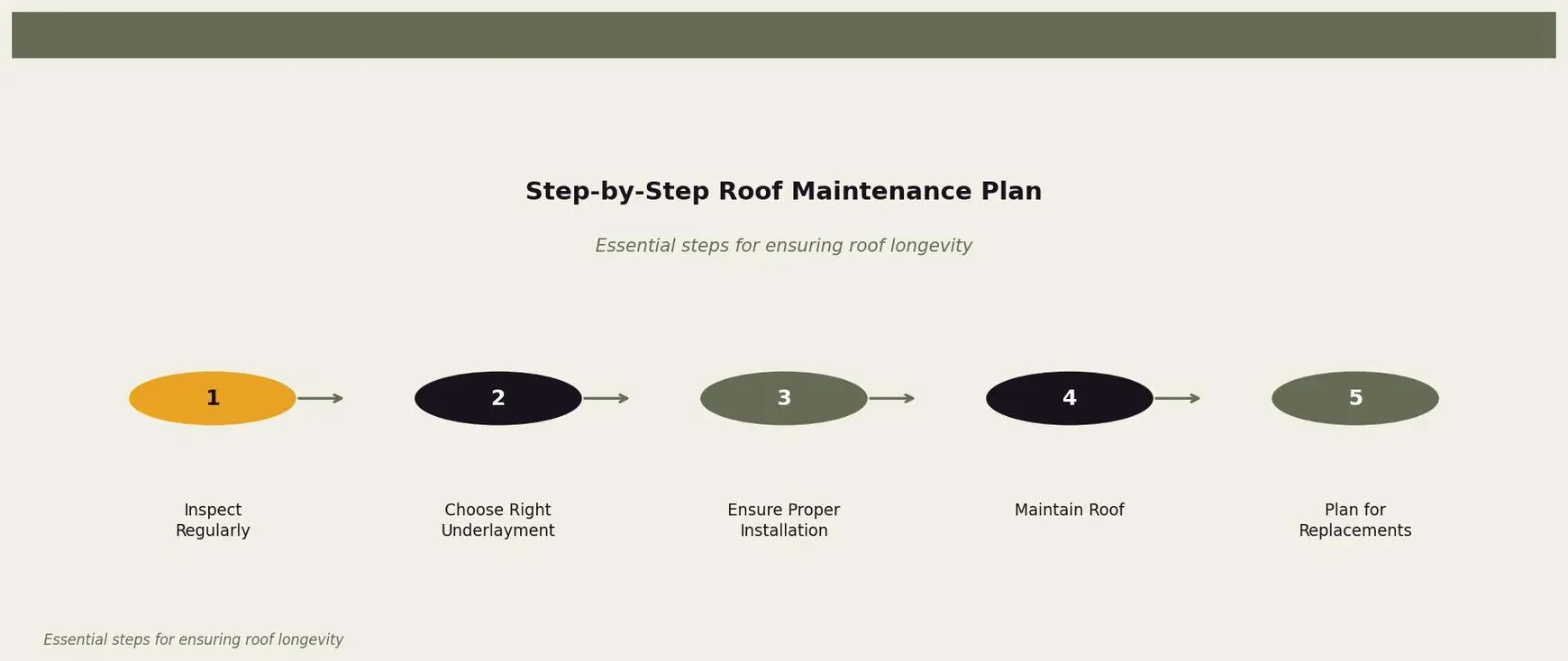
Enough theory — here’s what you actually need to do to make sure your roofing underlayment is protecting your home the way it should:
- Schedule Annual Roof Inspections: Don’t wait for a leak to tell you something’s wrong. A professional inspection can identify early signs of underlayment failure — things like exposed areas where shingles have shifted, bubbling or wrinkles that indicate trapped moisture, or deterioration around penetrations. Most reputable roofers offer inspections at reasonable rates, and the small cost is nothing compared to catching a problem early.
- Understand What’s on Your Roof Now: If you don’t know what type of underlayment is currently protecting your home, find out. If you had your roof installed recently, your contractor should have this information in your project documentation. If your roof is older and you don’t have records, a roofer can often tell by looking at exposed areas in your attic or by examining a small section if work is being done.
- Choose the Right Underlayment for Your Next Roof: When the time comes for a replacement, don’t just accept whatever the contractor defaults to. Ask questions. Synthetic underlayment is typically the better choice for Minnesota homes due to its superior handling of temperature extremes, but the specific best option depends on your roof’s pitch, complexity, and your budget. Ice and water shield at eaves and in valleys should be non-negotiable in our climate.
- Hire a Contractor Who Understands Minnesota: National franchises and storm chasers who roll into town after hail events often don’t understand the specific demands of our climate. A local roofer who lives through the same winters you do understands why ice dams form, where leaks tend to start, and what underlayment options actually perform in our conditions. Ask about their experience with Minnesota-specific roofing challenges.
- Maintain Your Entire Roof System: Underlayment doesn’t exist in isolation. Keep your gutters clean so water drains properly and doesn’t back up under your eaves. Trim overhanging branches that could damage shingles or drop debris on your roof. Address attic ventilation issues that contribute to ice dam formation. A healthy roof system works together, and neglecting one component stresses all the others.
- Plan Ahead for Replacement: Roofs don’t last forever, and neither does underlayment. If your roof is approaching the 20-year mark, start budgeting for replacement rather than waiting for an emergency. Planned replacements give you time to choose the right materials, the right contractor, and the right time of year for the work — rather than scrambling when a leak forces your hand.
Ready to Make Sure Your Roof Is Actually Protected?
If you’ve made it this far, you now know more about roofing underlayment than 95% of homeowners — and that knowledge matters. The layer between your shingles and your roof deck isn’t something you can see or show off to the neighbors, but it’s working every single day to keep your home dry, your family comfortable, and your investment protected.
Here at Owl Roofing, we’ve seen what happens when underlayment is done right — and what happens when it isn’t. We’ve been in attics where everything is bone dry despite twenty Minnesota winters because someone took the time to install quality materials properly. And we’ve been in attics where rot and mold have taken hold because corners were cut on something the homeowner never even knew existed. The difference in outcomes is dramatic, and it almost always comes down to decisions that were made years earlier, during the original installation.
We’re a family-owned company based right here in Shoreview — Tim and Bea Brown, Noah and Anya Bergland, with over 15 years of combined experience on Twin Cities roofs. We’re not a franchise following a corporate playbook from some headquarters out of state. We’re not storm chasers who show up after hail and disappear before the warranty matters. We’re your neighbors, and we’re going to be here next year and the year after that.
If you’re wondering whether your current underlayment is up to the job, or if you’re planning a roof replacement and want to make sure it’s done right, we’d be happy to take a look and give you honest answers. No pressure, no scare tactics — just a straightforward assessment of what your roof needs. That’s how we’d want to be treated, so that’s how we treat you.
Give us a call at 651-977-6027 or visit owlroofing.com/ to set up a time to chat. We serve all of the Twin Cities metro area, and we’d love to help you make sure your home is ready for whatever Minnesota weather throws at it next.
Protect Your Nest.
📍 Owl Roofing Serves the Entire Twin Cities Metro
Andover · Anoka · Apple Valley · Arden Hills · Big Lake · Blaine · Bloomington · Brooklyn Center · Brooklyn Park · Burnsville · Champlin · Chanhassen · Chaska · Columbia Heights · Coon Rapids · Cottage Grove · Crystal · deephaven · Delano · Eagan · East Bethel · Eden Prairie · Excelsior · Farmington · Forest Lake · Fridley · Golden Valley · Ham Lake · Hastings · Hopkins · Hugo · Inver Grove Heights · Lake Elmo · Lakeville · Lino Lakes · Mahtomedi · Maplewood · Mendota Heights · Minneapolis · Minnetrista · Mound · Mounds View · New Brighton · New Hope · North Oaks · North St. Paul · Oak Grove · Oakdale · Plymouth · Prior Lake · Ramsey · Richfield · Robbinsdale · Rosemount · Roseville · Saint Paul · Savage · Shakopee · Shoreview · South St. Paul · St. Louis Park · St. Michael · St. Paul · Stillwater · Vadnais Heights · Victoria · Waconia · wayzata · West St. Paul · White Bear Lake · woodbury
Licensed Minnesota roofing contractor · Free inspections · 10-year workmanship warranty · Get a free estimate →
