





How to Prepare for a New Roof Installation
 13min Read
 Posted 1.25.2026
How to Prepare for a New Roof Installation
You signed the contract. The crew’s coming Tuesday. And now you’re standing in your living room wondering: “Wait… what am I supposed to do before they get here?” You’re not alone. Most Twin Cities homeowners have never been through a roof replacement before — and the logistics can feel overwhelming when you don’t know what’s coming.
Here’s the thing: a little preparation goes a long way. Skip it, and you’re looking at potential damage to your landscaping, dust in your attic for months, or awkward conversations with neighbors who weren’t warned about the 7 AM nail guns. Get it right, and the whole project feels almost… easy. Your stuff stays safe, the crew works efficiently, and you’re back to normal life faster than you’d expect.
Let’s walk through exactly how to prepare for roof replacement — step by step, room by room, inside and out.
Why Preparation Actually Matters (More Than You Think)
Roof replacement isn’t like getting your gutters cleaned. This is a major project. We’re talking crews on your roof for one to three days, heavy materials being hauled up ladders, old shingles coming down, and a dumpster parked in your driveway. Things get loud. Things get messy. And if you’re not ready? Things can get expensive.
According to the National Roofing Contractors Association (NRCA), improper preparation can increase project costs by up to 20%. That’s not pocket change on a project that already costs several thousand dollars. We’re talking about damaged landscaping that needs replacing, broken items inside your home from vibrations, or delays because the crew couldn’t access what they needed.
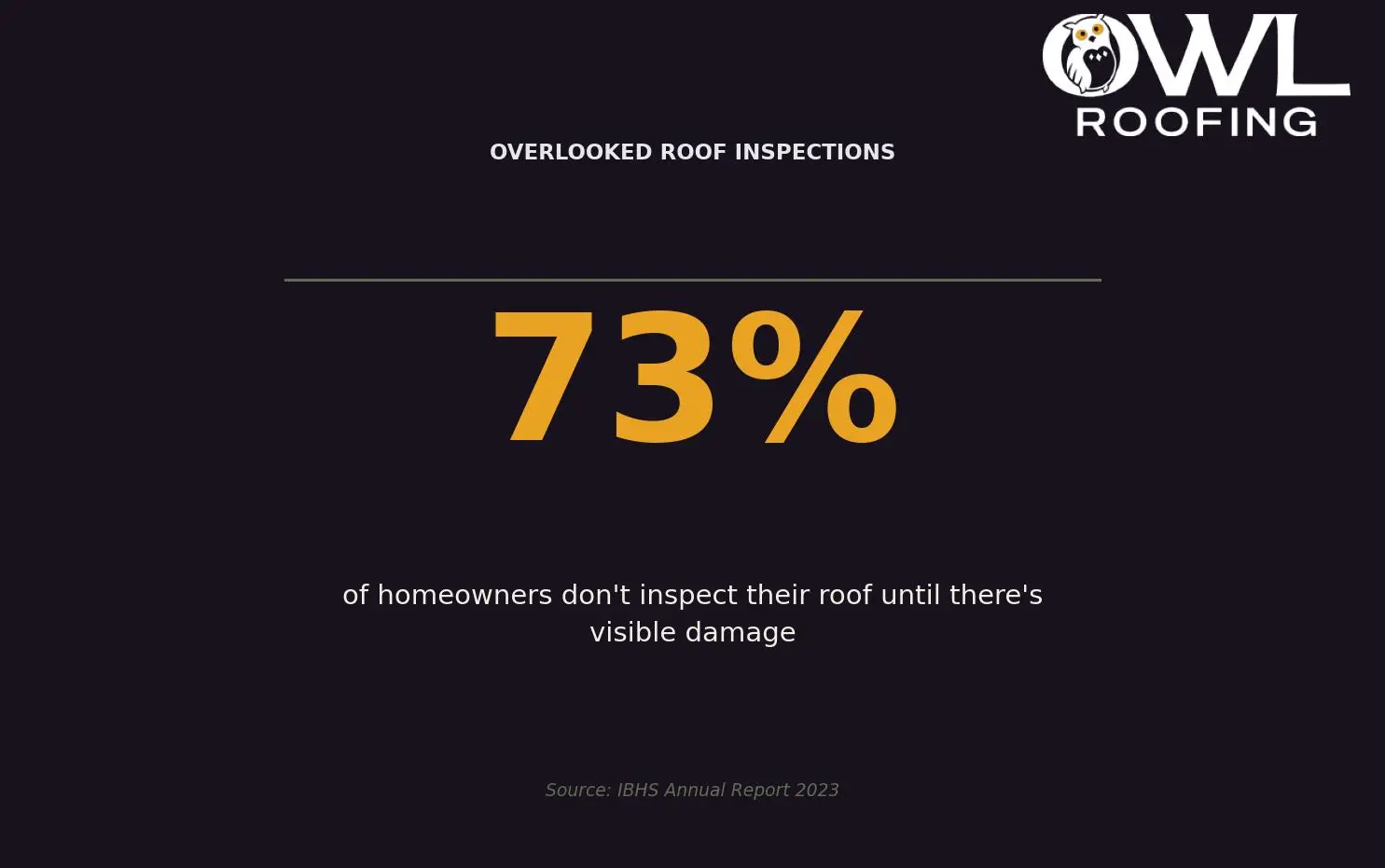
And here’s a stat that might surprise you: the Insurance Institute for Business & Home Safety (IBHS) found that 73% of homeowners only inspect their roofs after visible damage occurs. That means most people are already behind the eight ball when they finally call for a replacement — and they’re scrambling to figure out what comes next.
The good news? A couple hours of prep work protects your property, keeps the project on schedule, and honestly makes the whole experience way less stressful. You’ll sleep better the night before knowing everything’s handled.
Two Weeks Before: The Early Prep
Talk to Your Contractor About the Plan
Before you move a single piece of patio furniture, have a real conversation with your roofing contractor. Not a quick “see you Tuesday” — an actual discussion about logistics. Ask them:
- Where will the dumpster go? (You’ll want to know so you can plan parking)
- What time does the crew typically arrive?
- How many days should you expect the project to take?
- Where will they stage materials?
- What’s their plan for protecting your landscaping and property?
A good contractor will have clear answers for all of this. If they seem vague or annoyed by these questions? That’s a red flag. You want a crew that’s done this enough times to have systems in place.
Give Your Neighbors a Heads-Up
This one’s easy to forget, but it matters — especially in tight Twin Cities neighborhoods where houses are close together. A quick knock on the door or a friendly text goes a long way: “Hey, we’re getting our roof replaced starting Tuesday. It’ll be loud for a couple days. Just wanted to let you know!”
Your neighbors will appreciate the warning. And if debris accidentally lands in their yard (it happens), they’ll be a lot more understanding if you gave them advance notice. Plus, they might need to move their car if it’s parked close to your property line.
Check Your Homeowner’s Insurance
This is a good time to review your policy. Most homeowner’s insurance covers roof replacement if it’s due to storm damage or other covered events. But here’s the catch: you need to understand what’s covered before the work starts, not after.
Call your insurance company and ask about:
- What documentation they need (photos, contractor estimates, etc.)
- Whether they require a specific inspection process
- How the claim and payment process works with your contractor
Getting this squared away early prevents headaches down the road.
The Week Before: Inside Your Home
Protect Your Attic
Here’s something most homeowners don’t realize: roof replacement sends vibrations through your entire house, and dust and small debris can work their way into your attic — even with the most careful crews. The National Association of Realtors (NAR) points out that dust and debris can infiltrate even well-insulated spaces during roof work.
If you store anything valuable in your attic, now’s the time to either move it downstairs temporarily or cover it with plastic sheeting or old tarps. Holiday decorations, family keepsakes, that box of photos you’ve been meaning to organize — cover them up or move them out.
If your attic has exposed insulation, consider laying a tarp over it as well. A little prevention here saves you from finding a layer of grit on everything later.
Take Things Off the Walls
Those vibrations we mentioned? They can knock pictures off walls, shake mirrors loose, and send that decorative shelf crashing down. Walk through your home — especially upper floors — and remove:
- Framed photos and artwork
- Mirrors (especially heavy ones)
- Decorative shelves with items on them
- Anything hanging from the ceiling (light fixtures are usually fine, but that hanging plant might not be)
This sounds like overkill until you hear stories about the family photo that fell and shattered, or the vintage mirror that’s now in pieces. Fifteen minutes of prevention beats hours of regret.
Secure Fragile Items Throughout the House
It’s not just walls. Vibrations travel through the whole structure. That glass vase on the mantle? The collectibles on your display shelf? Anything that could topple or slide should be secured or moved temporarily. Think of it like earthquake-proofing, but for a day or two.
The Day Before: Outside Your Home
Clear the Perimeter
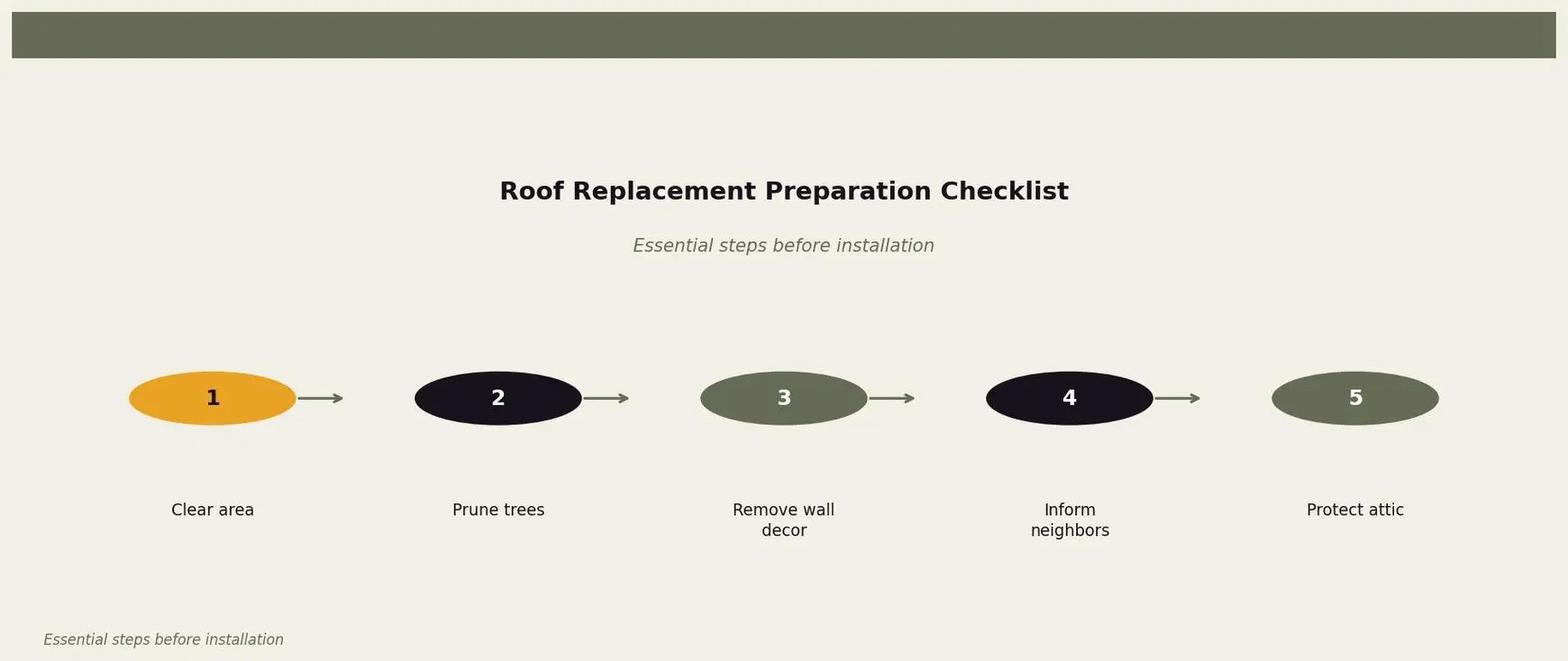
Roofing crews need clear access all around your house. That means moving anything within about 15 feet of your home’s exterior:
- Patio furniture (tables, chairs, umbrellas, fire pits)
- Grills and smokers
- Kids’ toys, bikes, trampolines
- Potted plants
- Garden hoses and sprinkler equipment
- Lawn ornaments and decorations
Old shingles, nails, and debris will be coming off your roof. Even with tarps and careful work, things fall. You don’t want your nice patio set getting dinged up — or worse, a nail puncturing your kid’s soccer ball.
Move Your Vehicles
Your driveway is about to become a work zone. There will likely be a dumpster, stacks of materials, and crew vehicles. Move your cars to the street or a neighbor’s driveway. And keep them moved until the project is complete — you don’t want to be that person who needs to interrupt the crew because you’re blocked in.
Protect Your Landscaping
If you’ve got prize-winning roses or a garden you’ve spent years cultivating, now’s the time to protect it. Lay tarps over flower beds and shrubs close to the house. This catches falling debris and makes cleanup much easier.
Compare this to not taking precautions: you could end up with shingle granules ground into your garden beds, nails hidden in the grass (hello, flat bicycle tires), and plants crushed by falling materials. A few tarps cost nothing compared to replanting your landscaping.
Talk to your contractor about their debris containment plan, too. Reputable crews use tarps, magnetic nail sweepers, and careful cleanup processes. Ask what their system is — it tells you a lot about how they operate.
Trim Overhanging Branches
Tree branches hanging over your roof create two problems: they obstruct the crew’s work, and they’re a hazard (falling branches + power tools = bad news). If you have branches within a few feet of your roofline, consider having them trimmed before the crew arrives. This also helps your new roof last longer — branches scraping against shingles accelerate wear.
Timing Your Roof Replacement in Minnesota
Living in the Twin Cities means dealing with weather that other parts of the country can’t imagine. Our roofs take a beating — brutal winters, summer storms, and that lovely freeze-thaw cycle that works its way into every crack and crevice. According to the U.S. Census Bureau, Minnesota experiences an average of 54 freeze-thaw cycles each year. That’s 54 opportunities for water to seep in, freeze, expand, and cause damage.
This makes timing your roof replacement important. The ideal windows are late spring (May-June) and early fall (September-October). Here’s why:
- Temperature matters for materials: Shingles need warm enough temperatures to seal properly. Too cold, and they won’t adhere correctly. Too hot, and they can be damaged during installation.
- Weather delays are expensive: Starting a roof project in November is asking for trouble. One early snowstorm can delay your project for days or weeks.
- Contractor availability: The best crews book up fast during prime roofing season. Planning ahead gets you on the schedule when conditions are optimal.
That said, roof emergencies don’t wait for perfect weather. If you’ve got active leaks or storm damage, you need it fixed now — not in six months. A good Minnesota contractor knows how to work with our climate and will be honest about what’s possible when.
Day-Of: What to Expect
The Noise Is Real
Let’s be honest: roof replacement is loud. Really loud. Nail guns, hammering, materials being moved around, crew communication — it’s a full construction zone directly above your head. If you work from home, plan to set up elsewhere for the day (or invest in very good noise-canceling headphones). If you have babies, naptime-sensitive pets, or anyone who needs quiet, consider alternative arrangements.
Plan for Pets and Kids
Speaking of pets — dogs especially can get anxious with all the noise and strangers around. Consider keeping them in a quiet interior room, or having them stay with a friend or at daycare for the day. Cats usually hide themselves, but make sure they can’t escape through any doors that might be propped open.
For kids, the same logic applies. A roof replacement in progress isn’t a great backdrop for homework or quiet play. If you can arrange a playdate or activity elsewhere, everyone will be happier.
Stay Accessible But Out of the Way
Your contractor may need to reach you with questions during the project. Keep your phone handy and be available. But resist the urge to hover or constantly check on progress — it slows the crew down and can create safety issues. Trust the process, and let them work.
Your Preparation Action Plan
Let’s make this concrete. Here’s your timeline:
Two weeks before:
- Have a detailed logistics conversation with your contractor
- Notify your neighbors
- Review your homeowner’s insurance and handle any documentation
- Schedule tree trimming if needed
One week before:
- Protect or relocate attic belongings
- Remove wall decorations and secure fragile items inside
- Purchase tarps for landscaping if your contractor isn’t providing them
The day before:
- Clear the 15-foot perimeter around your home
- Move vehicles out of the driveway
- Lay tarps over gardens and landscaping
- Make arrangements for pets and kids if needed
Day of:
- Stay accessible but out of the work zone
- Keep pets secure and calm
- Be patient with the noise — it’s temporary
Let Owl Roofing Handle the Hard Part
Preparing for a roof replacement takes some effort, but the actual roofing? That’s on us. At Owl Roofing, we’ve guided hundreds of Twin Cities homeowners through this exact process — from the first inspection to the final cleanup. We’re based right here in Shoreview, owned by two local families who actually live in the neighborhoods we serve. No corporate call centers. No disappearing after the sale. Just neighbors helping neighbors get solid roofs over their heads.
If you’re planning a roof replacement and want a crew that communicates clearly, shows up when they say they will, and treats your home like their own — give us a call at 651-977-6027 or visit owlroofing.com/. We’ll walk you through every step, answer your questions, and make sure you know exactly what to expect.
Protect Your Nest.
📍 Owl Roofing Serves the Entire Twin Cities Metro
Andover · Anoka · Apple Valley · Arden Hills · Big Lake · Blaine · Bloomington · Brooklyn Center · Brooklyn Park · Burnsville · Champlin · Chanhassen · Chaska · Columbia Heights · Coon Rapids · Cottage Grove · Crystal · deephaven · Delano · Eagan · East Bethel · Eden Prairie · Excelsior · Farmington · Forest Lake · Fridley · Golden Valley · Ham Lake · Hastings · Hopkins · Hugo · Inver Grove Heights · Lake Elmo · Lakeville · Lino Lakes · Mahtomedi · Maplewood · Mendota Heights · Minneapolis · Minnetrista · Mound · Mounds View · New Brighton · New Hope · North Oaks · North St. Paul · Oak Grove · Oakdale · Plymouth · Prior Lake · Ramsey · Richfield · Robbinsdale · Rosemount · Roseville · Saint Paul · Savage · Shakopee · Shoreview · South St. Paul · St. Louis Park · St. Michael · St. Paul · Stillwater · Vadnais Heights · Victoria · Waconia · wayzata · West St. Paul · White Bear Lake · woodbury
Licensed Minnesota roofing contractor · Free inspections · 10-year workmanship warranty · Get a free estimate →
