



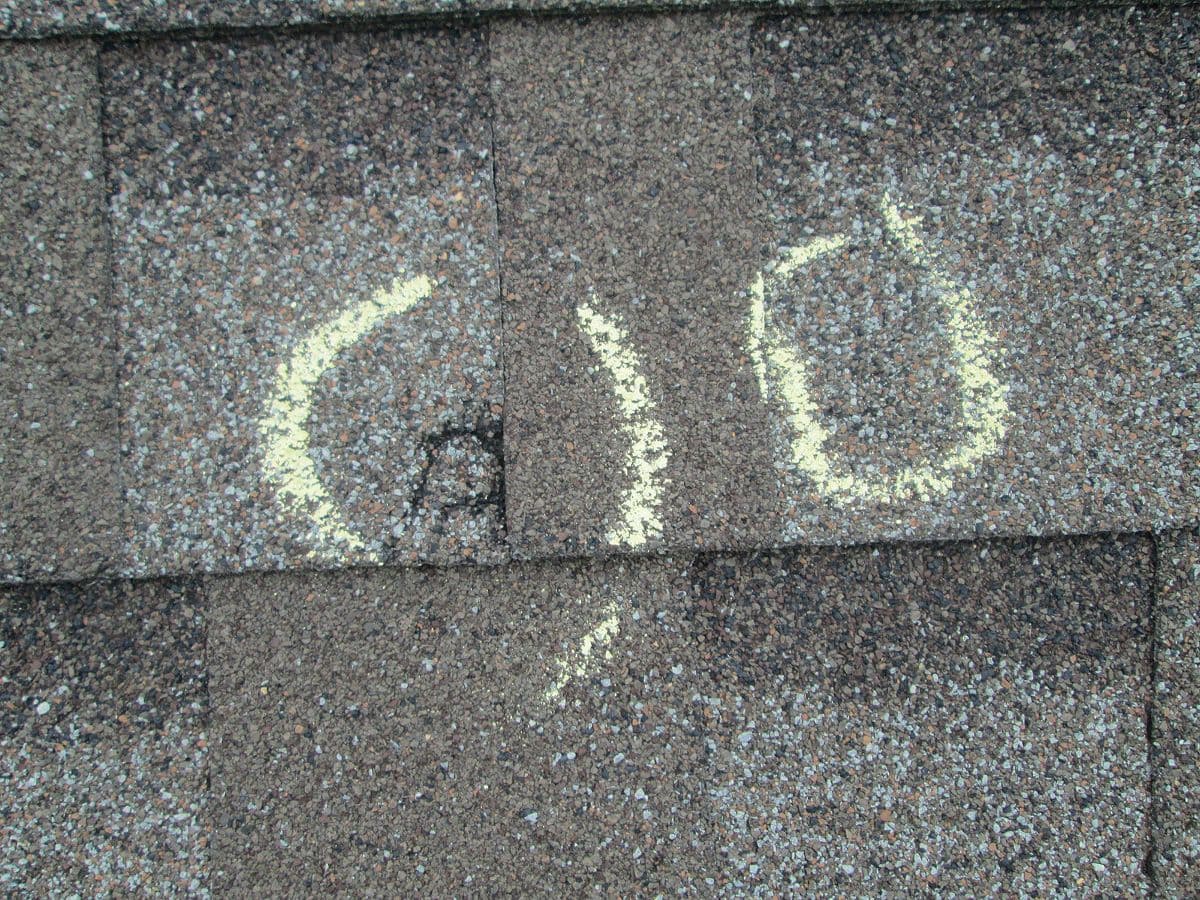
Roof Inspection After Storm North Oaks, MN Checklist
 16min Read
 Posted 7.20.2026
A roof inspection after storm North Oaks MN homeowners need follows eight specific steps that can be completed safely from the ground and inside the home: ensure family and home safety first, walk the property perimeter, check gutters and downspouts, look for dented metal components, check ceilings and upper-floor rooms, inspect the attic, check skylights and roof penetrations, and document everything with timestamped photos. Owl Roofing is a GAF and Owens Corning certified roofing contractor serving North Oaks and surrounding Twin Cities communities, and the team provides free professional inspections after major storms to identify damage homeowners cannot see from the ground. This guide walks through the eight-step homeowner inspection checklist, explains when to call a professional, and breaks down what inspection and repair work costs in North Oaks.
- Eight-step checklist: Specific actions homeowners can complete safely after a storm.
- Safety boundaries: What to inspect from the ground versus what requires a professional.
- Cost information: Real North Oaks pricing for professional inspections and storm repair.
Post-Storm Roof Inspection Basics
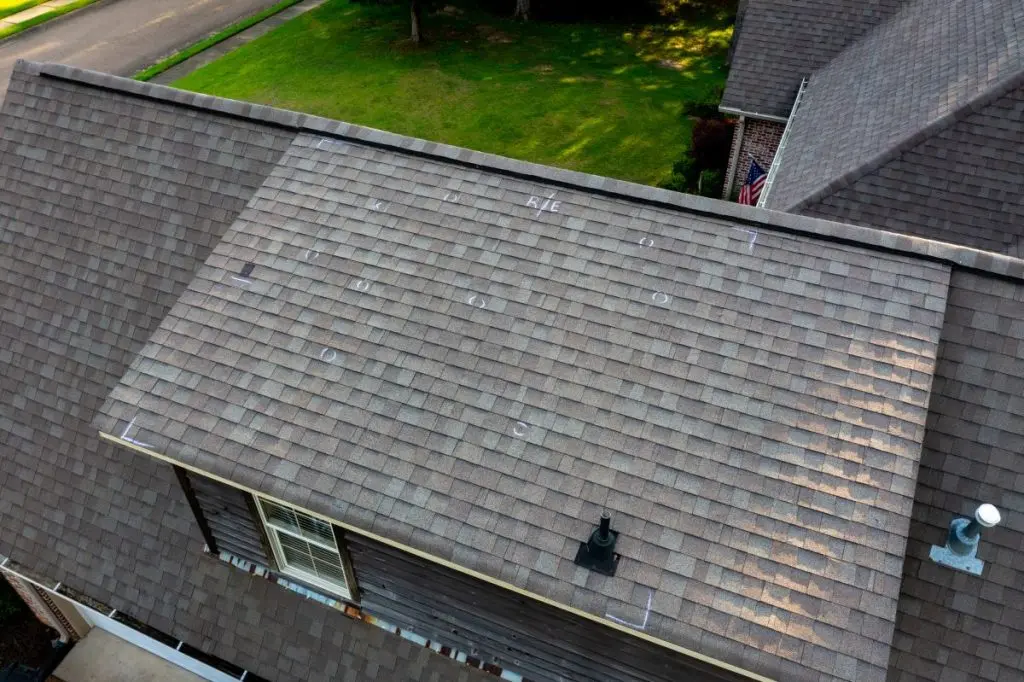
Post-storm roof inspection basics focus on safe assessment that protects the homeowner while gathering the information needed to file insurance claims and schedule repairs. Owl Roofing handles professional inspections in North Oaks and surrounding areas after every major storm event, with the homeowner-completed checklist serving as the first step before the professional arrives.
What Is a Post-Storm Roof Inspection?
A post-storm roof inspection is a systematic assessment of roof and attached components after severe weather to identify damage, document the scope, and determine whether repair or replacement is needed. The homeowner version of the inspection focuses on safe ground-level and interior checks, while the professional version includes roof surface access using proper safety equipment. Owl Roofing recommends North Oaks homeowners complete the eight-step checklist within 24 to 48 hours of any severe storm event and call for a professional inspection when any sign of damage appears. Most insurance carriers require notification within a defined window after the loss, which makes prompt inspection important for protecting the claim.
- Two inspection levels: Homeowner ground-level checklist plus professional surface assessment.
- Timing window: Within 24 to 48 hours of the storm event.
- Insurance trigger: Professional inspection supports claim documentation.
- Damage threshold: Any visible sign warrants professional follow-up.
When Should You Inspect Your Roof After a Storm?
You should inspect your roof after any storm that meets the National Weather Service definition of a severe thunderstorm, which is a thunderstorm producing hail one inch in diameter or larger or wind gusts at or above 58 miles per hour. Owl Roofing inspectors find that storms meeting the NWS severe thunderstorm threshold cause shingle damage on most North Oaks roofs the storm passes over. Less severe storms also warrant inspection when high winds, fallen branches, or significant rainfall occurred during the event. The inspection should be completed promptly after the storm passes when weather conditions are safe, with conditions typically safe within a few hours of the storm clearing.
- Severe thunderstorm threshold: 1+ inch hail or 58+ mph winds per NWS.
- Additional triggers: High winds, fallen branches, or significant rainfall.
- Timing: Within hours of the storm clearing when conditions are safe.
- NWS verification: Local weather reports confirm severe storm criteria.
8-Step Post-Storm Roof Inspection Checklist
Eight specific steps make up the safe homeowner checklist for post-storm roof inspection in North Oaks. Owl Roofing recommends completing each step in order during the first 24 to 48 hours after the storm.
1. Ensure Family and Home Safety First
Family and home safety first means confirming everyone in the home is safe and the home itself is structurally sound before beginning any inspection. Owl Roofing emergency response teams find North Oaks homeowners sometimes prioritize damage assessment over safety after storms, which creates unnecessary risk. Check for downed power lines near the home and surrounding area because storm aftermath often includes electrical hazards. Move family members away from any rooms with sagging ceilings, active water intrusion, or structural concerns. Confirm gas and electrical services are functioning safely before walking around the home. The first 30 minutes after a storm should focus entirely on safety confirmation before any inspection work begins.
- Power line check: Storm aftermath often includes downed lines.
- Structural concerns: Move away from sagging ceilings or active water intrusion.
- Utility verification: Confirm gas and electrical services are safe.
- First 30 minutes: Focus exclusively on safety confirmation.
2. Walk the Property Perimeter
Walking the property perimeter means circling the home from the ground to look for storm damage indicators visible at ground level. Owl Roofing recommends North Oaks homeowners check for fallen shingles, branches on the roof, damaged trees, broken windows, damaged outdoor air conditioning units, and any visible roof damage that can be seen from below. Shingles found in the yard or driveway confirm wind damage that may extend further across the roof. Tree branches resting on the roof indicate potential impact damage requiring immediate attention. Note the location and approximate size of any debris because the information helps the professional inspector locate damage during the follow-up inspection.
- Fallen shingles: Confirm wind damage to the roof surface.
- Branches on roof: Indicate potential impact damage.
- Outdoor unit damage: Confirms hail size affecting the property.
- Note locations: Help the professional inspector locate damage.
3. Check Gutters and Downspouts
Checking gutters and downspouts means looking for granules accumulating at downspout outlets, dents in the gutter or downspout metal, and any sections that have been bent, torn loose, or damaged by hail impact. Owl Roofing inspectors identify gutter and downspout damage as one of the most reliable ground-level indicators of hail and wind damage on North Oaks roofs. Granules look like coarse dark sand and collect at downspout outlets and on the ground beneath downspout extensions. A sudden accumulation of granules after a storm confirms hail impact on the shingles above. Round depressions on aluminum gutters confirm hail strikes of damaging size hit the property. Bent or detached gutter sections indicate severe wind damage that often extends to the roof itself.
- Granule accumulation: Coarse dark sand at downspout outlets.
- Gutter dents: Round depressions from hail impact.
- Detached sections: Severe wind damage indicator.
- Documentation: Photograph each damaged section.
4. Look for Dented Metal Components
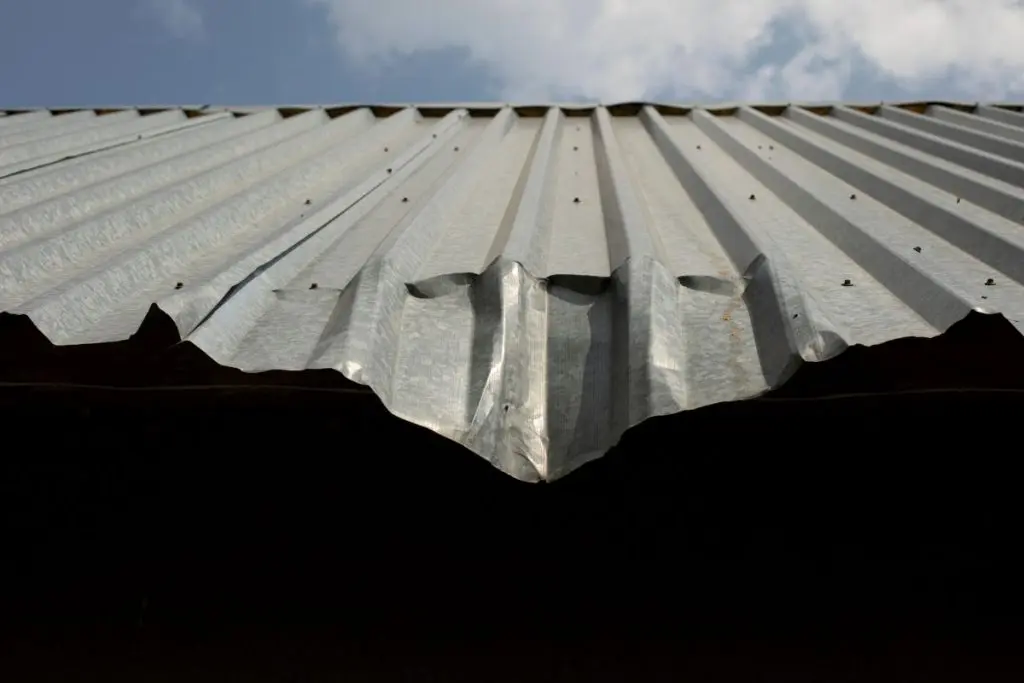
Looking for dented metal components means examining roof vents, plumbing boots, drip edge, chimney flashing, and any other metal roof component visible from the ground using binoculars or from upper-floor windows. Owl Roofing project leads use ladder access to examine these components from close range during professional inspections, but homeowners can identify obvious dents and damage from ground level. Roof vents sticking up from the roof surface often show pronounced dents because the components sit higher than the shingles. Plumbing boots and turbine vents commonly show damage from hail strikes. Visible dents on any metal roof component confirm hail impact occurred and justify a full professional inspection of the roof surface.
- Roof vents: Pronounced dents on raised components.
- Plumbing boots: Common damage point from hail strikes.
- Binoculars from ground: Examine without climbing onto the roof.
- Upper window view: Alternative vantage for ground-level inspection.
5. Check Ceilings and Upper-Floor Rooms
Checking ceilings and upper-floor rooms means inspecting every ceiling in the home for water stains, soft spots, sagging, or active drips that indicate water intrusion through the roof. Owl Roofing finds interior water signs during North Oaks storm response calls when the exterior damage is significant enough to allow water through the shingle layer, underlayment, and deck. Active drips during or immediately after a storm confirm roof damage requiring immediate emergency response. Yellow or brown stains on ceilings indicate water damage even when the leak appears to have stopped. Upper-floor rooms, hallways, and bathrooms directly below the roof are the highest-priority areas to check because water travels downward from the entry point.
- Active drips: Immediate emergency response trigger.
- Yellow or brown stains: Standard water damage signature.
- Soft spots: Indicate ongoing water exposure.
- Upper floors first: Highest-priority areas to check.
6. Inspect the Attic
Inspecting the attic means accessing the attic safely with adequate lighting and looking for water staining on the underside of the roof deck, wet insulation, daylight visible through the deck, and any signs of structural compromise. Owl Roofing inspectors check attic conditions during every North Oaks storm response because the attic often reveals damage that is not yet visible from below in the living spaces. Use a flashlight to examine the entire underside of the roof deck for water staining, mold growth, or visible damage. Check insulation for wet spots or compression that indicates water has reached the insulation layer. Look for daylight visible through the deck, which indicates structural damage from impact or punctures. Note any locations with damage to help the professional inspector during follow-up.
- Water staining underside: Visible on the roof deck.
- Wet insulation: Water has reached the attic layer.
- Daylight through deck: Structural puncture indicator.
- Adequate lighting: Flashlight required for proper inspection.
7. Check Skylights and Roof Penetrations
Checking skylights and roof penetrations means examining every skylight, sun tunnel, chimney, and roof-mounted feature from inside the home for water intrusion, cracked seals, or visible damage. Skylights are particularly vulnerable to hail damage because the impact angle directly exposes the glass to hail strikes. Owl Roofing identifies skylight damage during North Oaks storm inspections by looking for cracked glass, damaged exterior seals, water around the interior frame, and any visible debris on the skylight surface. Chimneys can show damage to flashing, cap, and crown that allows water entry through the roof intersection. Check the area immediately around every roof penetration for moisture, staining, or visible damage that indicates the seal has been compromised.
- Skylight glass: Cracks indicate severe hail damage.
- Skylight seals: Visible damage to exterior framing.
- Chimney damage: Flashing, cap, or crown compromise.
- Penetration seals: Check every roof opening.
8. Document Everything With Photos
Documenting everything with photos means taking timestamped photos of every damage point identified during the inspection plus general photos of the home’s exterior and any storm conditions still visible. Owl Roofing inspectors use homeowner-provided photos as supplemental documentation for insurance claims across North Oaks and surrounding areas. Photos taken immediately after the storm capture the original damage scope before cleanup, repair, or weathering changes the visible evidence. Take wide-angle shots establishing the storm’s impact on the property plus close-up shots of each specific damage point. Photograph hailstones next to a coin or measuring tape for size reference. Save photos with date and time information because insurance carriers use the data to confirm the storm event matches the damage claim.
- Timestamps required: Confirm photos taken immediately after the storm.
- Wide and close shots: Establish context plus specific damage points.
- Hailstone size reference: Coin or measuring tape next to stone.
- Date and time data: Supports insurance claim filing.
When to Call a Professional Roof Inspector
A professional roof inspector should be called after completing the homeowner checklist when any sign of damage was found, when active leaks are occurring, or when the storm met severe thunderstorm criteria even without visible damage from the ground. Owl Roofing provides free professional inspections in North Oaks after major storm events with no obligation to file a claim or proceed with repairs.
What Should You Do After Completing the Homeowner Checklist?
After completing the homeowner checklist, contact a qualified roofing contractor for a professional inspection if any damage was identified, contact your insurance carrier within 24 to 48 hours if damage is significant, and save all documentation including photos and notes for the claim process. Owl Roofing recommends North Oaks homeowners schedule the professional inspection before contacting the insurance carrier because the written damage documentation from a qualified contractor strengthens the claim significantly. The professional inspector identifies damage homeowners cannot see from the ground, documents the scope with photos that meet insurance carrier standards, and provides a written report supporting the claim.
- Schedule professional inspection: Within 1 to 2 weeks of the storm.
- Contact insurance carrier: Within 24 to 48 hours for significant damage.
- Inspector before adjuster: Strengthens claim documentation.
- Save all documentation: Photos and notes support the claim.
What Does a Professional Roof Inspection Include?
A professional roof inspection includes safe access to the roof surface using proper safety equipment, detailed photo documentation of all damage areas, a written damage report identifying every storm-related issue, a measurement of the roof for replacement scope estimation, attic inspection for water intrusion and structural damage, and a recommendation for repair or replacement based on damage extent. Owl Roofing inspectors complete every inspection element on every North Oaks storm response call. The written report supports the insurance claim filing and provides the basis for the adjuster’s scope determination during the formal claim inspection. The team uses proper safety protocols on every inspection because roof surface work after storms involves slippery and unstable conditions.
- Safe access: Proper safety equipment used on every inspection.
- Photo documentation: Detailed evidence of every damage area.
- Written report: Supports insurance claim filings.
- Attic inspection: Identifies hidden water and structural damage.
Cost of Roof Inspection and Storm Repair in North Oaks
The cost of roof inspection and storm repair in North Oaks depends on the inspection type, the damage extent, and whether repair work is part of a covered insurance claim. Owl Roofing provides itemized estimates for both inspection findings and any recommended repair work.
How Much Does a Professional Roof Inspection Cost?
A professional post-storm roof inspection in North Oaks costs nothing when Owl Roofing handles the work because storm-related inspections are free with no obligation to file a claim or proceed with repairs. Standard non-storm inspections from many contractors cost $150 to $400 in the Twin Cities market, though the cost is often waived when the homeowner proceeds with repair or replacement work after the inspection. Owl Roofing inspections include written damage reports, photo documentation, and roof measurement at no charge across North Oaks and surrounding Twin Cities communities. The free inspection model exists because storm damage assessment supports insurance claims that result in covered roof work.
- Owl Roofing storm inspections: Free with no obligation.
- Non-storm inspection range: $150 to $400 in the Twin Cities market.
- Inspection waiver: Often waived when repair work follows.
- Storm response model: Free supports insurance claim filings.
What Does Storm Damage Repair Cost in North Oaks?
Storm damage repair in North Oaks costs $400 to $3,500 for targeted repairs and $14,000 to $25,000 for full replacements depending on damage extent. Typical North Oaks storm damage replacements land around $18,500 for GAF Timberline HDZ architectural shingles installed with a complete system package. Insurance-approved storm damage replacements typically cost the homeowner only the policy deductible, which is $1,000 to $2,500 on most standard Minnesota policies. Owl Roofing pricing for storm repair work in North Oaks includes complete materials, labor, permits, disposal, and warranty registration with full line-item transparency on every estimate.
- Targeted repair range: $400 to $3,500 in North Oaks.
- Full replacement range: $14,000 to $25,000.
- Typical North Oaks replacement: Around $18,500 for Timberline HDZ.
- Insurance deductible only: $1,000 to $2,500 on covered claims.
Owl Roofing in North Oaks
Owl Roofing handles roof storm response across North Oaks and surrounding Twin Cities communities with free post-storm inspections and direct support through the insurance claim process. The team is GAF and Owens Corning certified.
Why Choose Owl Roofing for Post-Storm Inspections?
Owl Roofing is a strong choice for post-storm inspections in North Oaks because the team provides free inspections after major storms, identifies damage homeowners cannot see from the ground, supports homeowners through the insurance claim process, and completes any approved storm damage repair or replacement with manufacturer warranty registration. Owl Roofing inspectors document damage with photos and written reports that meet insurance carrier standards, attend follow-up adjuster inspections when scheduled, and provide honest recommendations for either targeted repair or full replacement based on the actual damage extent. Storm damage installations include the same quality standards as standard installations.
- Free post-storm inspections: With written damage documentation.
- Hidden damage identification: Found through safe roof access.
- Insurance claim support: Coordination through the claim process.
- Honest recommendations: Repair or replacement based on actual damage.
Frequently Asked Questions
How Soon After a Storm Should I Inspect My Roof?
Inspect your roof within 24 to 48 hours after a storm when conditions are safe, then call a qualified roofing contractor for a professional inspection within 1 to 2 weeks. Owl Roofing recommends North Oaks homeowners complete the homeowner checklist within the first 24 to 48 hours because insurance claim filing windows are short. Active leaks need emergency response immediately rather than waiting for the standard inspection timeline.
Should I Climb on My Roof to Check for Damage?
Homeowners should not climb on the roof to check for damage because storm-damaged shingles are extremely slippery and the unstable surface creates serious fall risk. Owl Roofing recommends North Oaks homeowners complete the inspection checklist from the ground, from upper-floor windows, and inside the attic instead. Professional inspectors use proper safety equipment to safely access the roof surface during follow-up inspections.
What Are the Most Common Types of Roof Storm Damage?
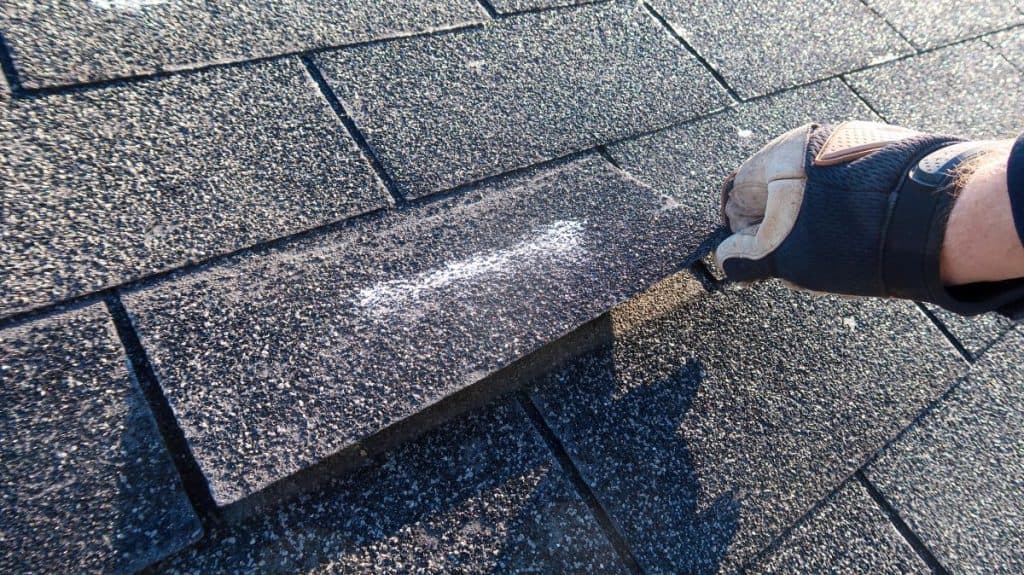
The most common types of roof storm damage in North Oaks include missing or torn shingles from wind, bruised and granule-stripped shingles from hail, dented metal flashing and vents from hail impact, and water intrusion through compromised shingle layers. Owl Roofing inspectors find these damage types on most North Oaks roofs after severe thunderstorm events. The damage pattern usually identifies the storm cause clearly when documented by an experienced inspector.
Does Owl Roofing Offer Free Storm Inspections in North Oaks?
Owl Roofing offers free post-storm inspections across North Oaks and surrounding Twin Cities communities with no obligation to file a claim or proceed with repairs. Each inspection includes a complete roof evaluation, photo documentation of any visible damage, and a written report homeowners use to support insurance claim filings. Inspections are scheduled promptly after major storm events.
How Does the Insurance Claim Process Work?
The insurance claim process starts with the homeowner contacting the insurance carrier within 24 to 48 hours of the storm event to open the claim, followed by an adjuster inspection to verify and scope the damage, then claim approval based on the inspection findings. Owl Roofing supports North Oaks homeowners through the claim process by providing written damage documentation, working with adjusters during the scope review, and completing approved repair or replacement work after claim approval.
What If I Cannot Find Visible Damage but the Storm Was Severe?
When you cannot find visible damage but the storm met severe thunderstorm criteria, schedule a professional roof inspection anyway because damage often exists that homeowners cannot see from the ground. Owl Roofing inspectors find significant damage on North Oaks roofs after severe storms even when the homeowner saw no obvious signs from below. The professional inspection catches the damage early and supports an insurance claim before any leaks develop in the home.
Get Your Free Storm Inspection Scheduled
Owl Roofing handles post-storm roof inspections across North Oaks and surrounding Twin Cities communities with GAF and Owens Corning certified installations, insurance claim coordination, emergency repair availability, free inspections, financing options, and a maintenance program designed to protect the roof investment for its full service life. Every Owl Roofing storm response includes a free inspection, written damage documentation, and an honest recommendation for repair or replacement based on the actual damage extent.
Contact Owl Roofing to schedule a free post-storm roof inspection for your North Oaks home and get a written damage report ready to support your insurance claim.

Recent Articles
Explore The Blog