





Should Your Roofer Be Licensed and Insured
 11min Read
 Posted 12.28.2025
Should Your Roofer Be Licensed and Insured?
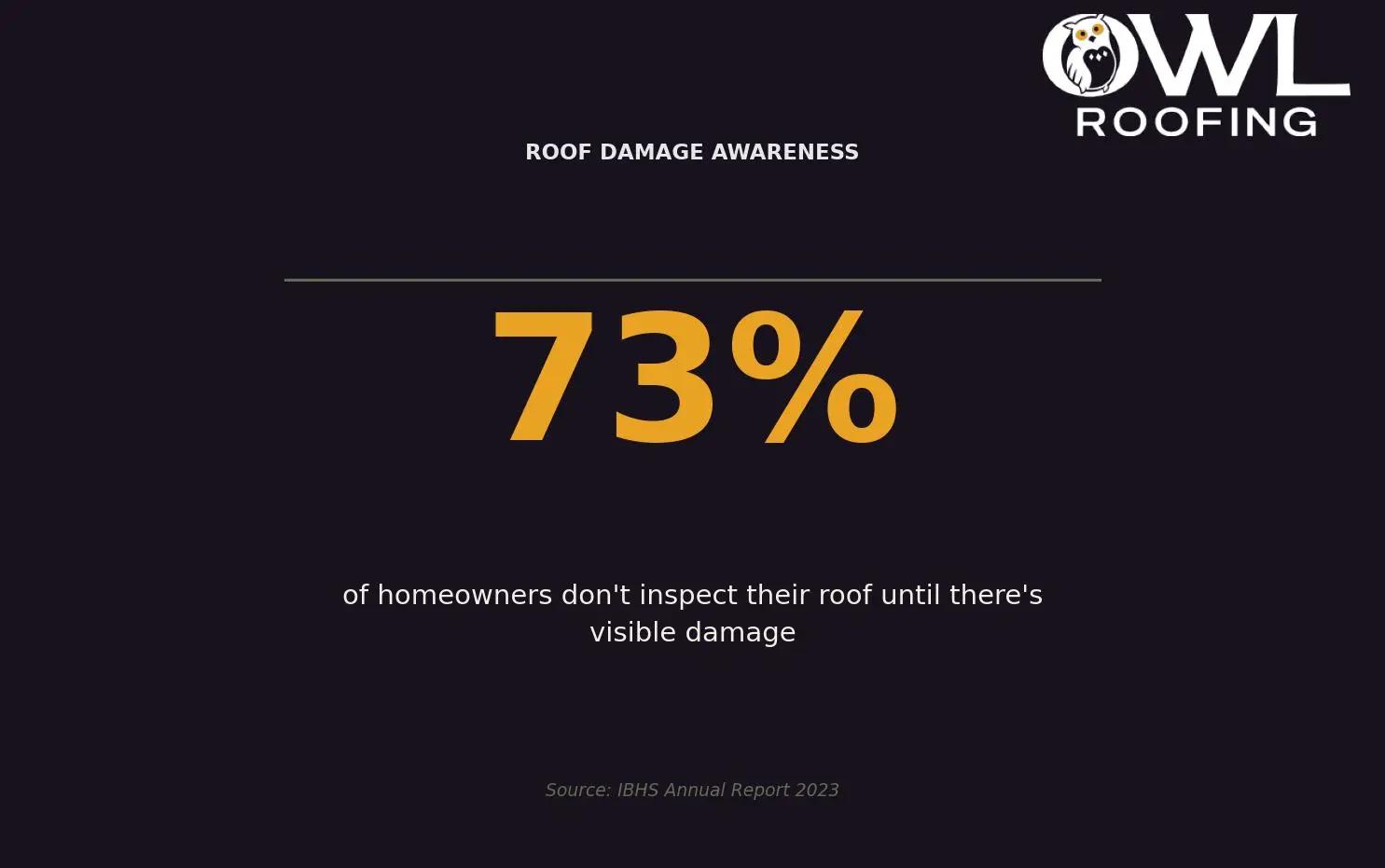
Here’s a stat that should make every Twin Cities homeowner nervous: 73% of us don’t look at our roofs until something’s already wrong. By then, you’re scrambling—and that’s exactly when the wrong contractor shows up at your door.
We’ve all seen it happen. A big storm rolls through Shoreview or Roseville, and suddenly there are trucks everywhere with out-of-state plates and promises of “quick, cheap repairs.” Three months later, the leaks are back, and that contractor? Gone. No forwarding address. No returned calls. Just you, a damaged roof, and a pile of regrets.
That’s the painful “before” scenario too many Minnesota homeowners know firsthand. But here’s the “after” worth working toward: a roof repaired or replaced by someone who actually lives here, carries real credentials, and stands behind their work because they’ll still be your neighbor next year. The bridge between those two realities? Understanding exactly why licensing and insurance matter—and how to verify them before you sign anything.
Why Credentials Aren’t Just Paperwork
Let’s be honest: most people don’t wake up excited to research contractor licensing. It sounds about as thrilling as reading your homeowner’s insurance policy cover to cover. But here’s why it matters more than you’d think.
According to the National Roofing Contractors Association (NRCA), hiring a licensed and insured roofer isn’t just a legal checkbox—it’s the single biggest factor in protecting both your home and your bank account. In Minnesota, roofing contractors have to meet specific state requirements before they can legally work on your house. Those requirements exist for a reason: our climate is brutal on roofs, and shoddy work doesn’t just look bad—it fails.
The Insurance Institute for Business & Home Safety (IBHS) found that nearly three-quarters of homeowners ignore their roof until damage is visible. Think about that. By the time you notice water stains on your ceiling or shingles in your garden, the underlying problem has likely been brewing for months. A licensed roofer catches issues early. An unlicensed one? They might not even know what to look for.
What “Licensed” Actually Means in Minnesota
It’s More Than a Piece of Paper
When a contractor holds a Minnesota roofing license, it means they’ve jumped through some serious hoops. We’re talking about passing a comprehensive exam that covers safety protocols, local building codes, and hands-on technical skills. It’s not a participation trophy—plenty of people fail.
According to the Minnesota Department of Labor and Industry, licensed roofers must also complete continuing education to keep their credentials current. This isn’t busywork. Roofing technology changes. Building codes update. And in a state where we deal with everything from ice dams in January to hail in July, staying current on best practices is the difference between a roof that lasts 25 years and one that needs repairs every spring.
Here’s what that means for you as a homeowner: when you hire a licensed contractor, you’re hiring someone who has proven—repeatedly—that they know what they’re doing. They understand how Minnesota’s freeze-thaw cycle stresses roofing materials. They know why proper attic ventilation matters here more than in, say, Arizona. They’ve been tested on it.
How to Actually Verify a License
Good news: this takes about three minutes. Ask any contractor for their license number. Then go to the Minnesota Department of Labor and Industry’s website and search their database. It’s free, it’s public, and it’ll tell you if the license is current or expired—or if it exists at all.
If a contractor gets weird about providing this information, that’s your answer. Walk away.
Insurance: Your Financial Safety Net
Why This Protects YOU, Not Just Them
Insurance might seem like the contractor’s problem, but here’s the thing: if they don’t have it, it becomes YOUR problem fast.
A properly insured roofer carries two key types of coverage. First is liability insurance, which covers damage to your property during the project. Say a worker accidentally puts a ladder through your window or drops materials on your car. Liability insurance handles that. Without it? You’re filing a claim on your own homeowner’s policy—and likely watching your premiums climb.
Second is workers’ compensation insurance. Roofing is dangerous work. According to the Bureau of Labor Statistics, it’s consistently one of the most hazardous occupations in the country. If an uninsured worker falls off your roof and gets injured, guess who can be held liable? You. The homeowner. The person who just wanted their shingles fixed.
The National Association of Realtors (NAR) has documented case after case of homeowners facing legal and financial nightmares because they hired uninsured contractors. It’s not worth the risk.
What “Insured” Should Actually Mean
Don’t just take a contractor’s word for it. Ask for a Certificate of Insurance (COI) and call the insurance company directly to confirm it’s active. Policies can lapse. Certificates can be forged. A quick phone call gives you real answers.
Make sure the coverage amounts are adequate for your project too. A contractor with a $10,000 liability policy working on your $500,000 home isn’t really covered—at least not enough to matter if something goes seriously wrong.
Licensed vs. Unlicensed: The Real Cost Difference
Here’s where it gets interesting. Unlicensed contractors almost always quote lower prices upfront. That’s the whole pitch, right? “We can save you money.” And on paper, they can—initially.
But according to data from the NRCA, unlicensed roofers are significantly more likely to cut corners, use subpar materials, or skip steps that aren’t immediately visible. That cheap repair? It might void your warranty. It might fail within two years. It might cause water damage that costs three times the original “savings” to fix.
The IBHS reports that projects done by uninsured contractors end up costing homeowners 20-30% more in the long run due to repairs, liability issues, and other complications. That “deal” starts looking a lot less appealing.
Licensed roofers aren’t perfect. No one is. But they have accountability built into the system. They can lose their license. They can face legal consequences. They have a reputation to maintain. Unlicensed contractors can simply disappear—and many do.
Why This Matters Even More in Minnesota
If you live in the Twin Cities, your roof works harder than roofs in most of the country. That’s just physics.
According to the Census Bureau, Minnesota averages about 54 inches of snow annually. That snow sits on your roof, melts, refreezes, and creates ice dams that can force water under your shingles and into your home. We also get severe thunderstorms, hail, and wind that can damage even newer roofs. And the constant temperature swings—from -20°F in winter to 90°F in summer—stress roofing materials in ways that more temperate climates simply don’t.
A licensed contractor in Minnesota understands these challenges because they’ve trained for them. They know which underlayment materials hold up best in our climate. They know how to install proper ice and water barriers. They know that ventilation isn’t optional here—it’s essential.
An unlicensed contractor from out of state? They might be perfectly competent in Florida. But Minnesota roofing is its own specialty, and hiring someone unfamiliar with our conditions is a gamble with your home.
Your Step-by-Step Verification Checklist
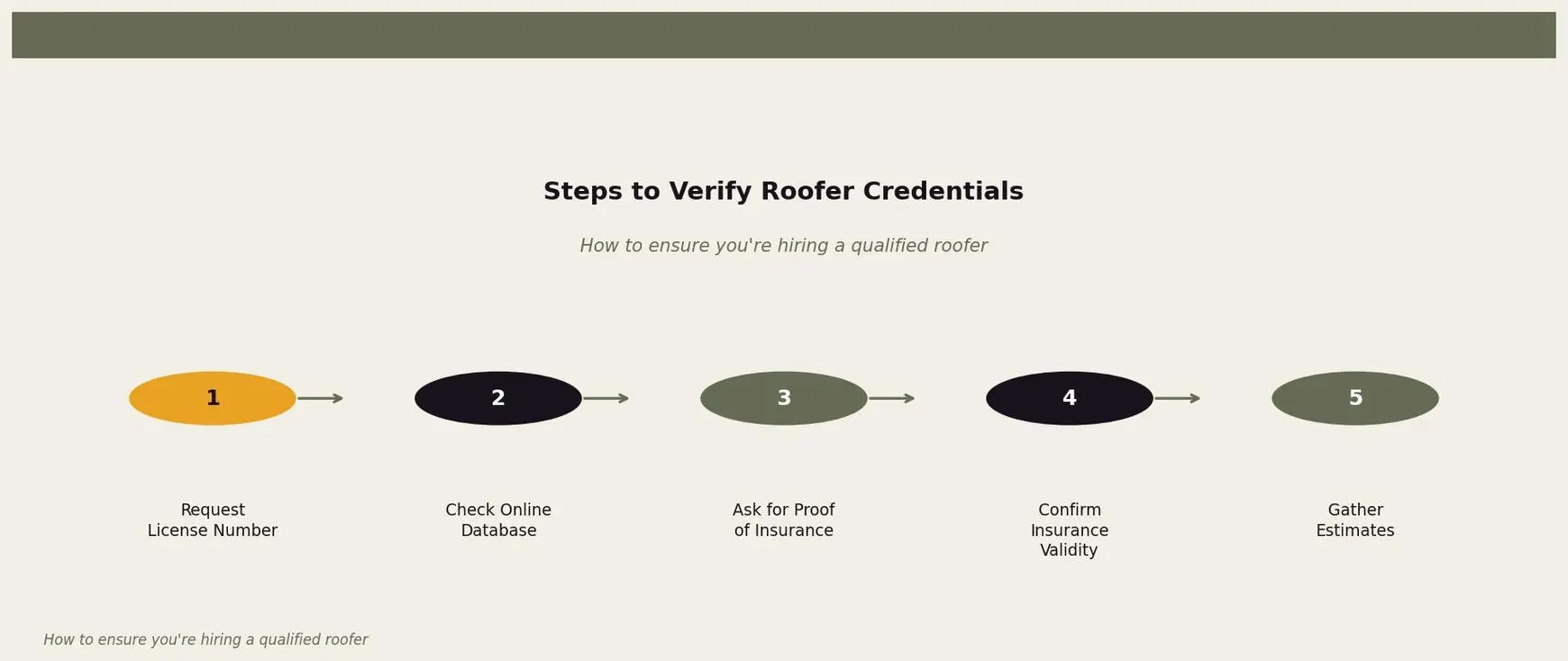
Alright, let’s make this practical. Before you hire any roofing contractor, here’s exactly what to do:
- Request their license number. Any legitimate contractor will provide this immediately and without hesitation.
- Check the Minnesota Department of Labor and Industry database. Confirm the license is current and matches the contractor’s name.
- Ask for a Certificate of Insurance. This should include both liability insurance and workers’ compensation.
- Call the insurance company directly. Confirm the policy is active and covers the scope of your project.
- Get multiple estimates. At least three. This helps you spot outliers—both suspiciously low and unreasonably high.
- Ask about experience with similar projects. Have they done this type of repair or replacement before? In this climate?
- Check reviews and ask for references. Talk to actual past customers. Ask if the project stayed on budget and timeline.
This process takes a few hours, max. The protection it provides? Potentially tens of thousands of dollars and years of headaches avoided.
Red Flags to Watch For
While we’re at it, here are warning signs that should make you pause:
- Door-to-door solicitation after a storm. Legitimate local contractors don’t need to chase business this way. They’re usually booked.
- Pressure to sign immediately. “This price is only good today” is a manipulation tactic, not a business practice.
- Cash-only requests or unusually large deposits. Standard practice is a reasonable deposit with the balance due upon completion.
- No physical address or local phone number. If you can’t find where they’re actually based, that’s a problem.
- Reluctance to provide credentials. Licensed, insured contractors are proud of their credentials. They’ll show you.
Peace of Mind Is the Point
Look, nobody wants to become an expert in contractor licensing. You’ve got better things to do. But spending a little time upfront verifying credentials saves you from becoming one of those cautionary tales—the neighbor who hired the wrong guy and is still dealing with the fallout two years later.
A licensed and insured roofer might cost a bit more on the initial estimate. But you’re paying for accountability. You’re paying for expertise. You’re paying for someone who’ll still be around if something goes wrong. In Minnesota’s climate, with the demands we put on our roofs, that’s not a luxury—it’s common sense.
Ready to Talk to Someone You Can Trust?
If you’re looking for a roofing contractor who checks all these boxes, we’d love to chat. Owl Roofing is family-owned and based right here in Shoreview—Tim and Bea Brown, Noah and Anya Bergland, and our crew. We’re not a franchise, and we’re definitely not storm chasers passing through. We’re your neighbors, with over 15 years of combined experience working on Twin Cities roofs.
We've seen every kind of roof damage Minnesota weather can dish out, and we handle the whole process—inspection, estimate, repair or replacement—so you're not left chasing anyone down or decoding confusing paperwork. Give us a call at 651-977-6027 or visit owlroofing.com/ to schedule a conversation. No pressure, no gimmicks. Just honest answers about what your roof actually needs.
Protect Your Nest.
📍 Owl Roofing Serves the Entire Twin Cities Metro
Andover · Anoka · Apple Valley · Arden Hills · Big Lake · Blaine · Bloomington · Brooklyn Center · Brooklyn Park · Burnsville · Champlin · Chanhassen · Chaska · Columbia Heights · Coon Rapids · Cottage Grove · Crystal · deephaven · Delano · Eagan · East Bethel · Eden Prairie · Excelsior · Farmington · Forest Lake · Fridley · Golden Valley · Ham Lake · Hastings · Hopkins · Hugo · Inver Grove Heights · Lake Elmo · Lakeville · Lino Lakes · Mahtomedi · Maplewood · Mendota Heights · Minneapolis · Minnetrista · Mound · Mounds View · New Brighton · New Hope · North Oaks · North St. Paul · Oak Grove · Oakdale · Plymouth · Prior Lake · Ramsey · Richfield · Robbinsdale · Rosemount · Roseville · Saint Paul · Savage · Shakopee · Shoreview · South St. Paul · St. Louis Park · St. Michael · St. Paul · Stillwater · Vadnais Heights · Victoria · Waconia · wayzata · West St. Paul · White Bear Lake · woodbury
Licensed Minnesota roofing contractor · Free inspections · 10-year workmanship warranty · Get a free estimate →
