


Do Dark Shingles Wear Out Faster Myths vs Facts
 12min Read
 Posted 10.23.2025
Do Dark Shingles Wear Out Faster? Myths vs. Facts
That gorgeous charcoal roof across the street? Your neighbor’s probably heard the same thing you have: “Dark shingles burn out faster.” It’s one of those roofing myths that gets passed around at backyard barbecues like it’s gospel truth. But here’s the thing—it’s mostly wrong. And if you’re a Twin Cities homeowner trying to decide between sleek black shingles and a lighter shade, this myth might be steering you away from the look you actually want.
Let’s cut through the noise. You deserve real answers, not roofing folklore. We’re going to break down what actually affects shingle lifespan, how Minnesota’s wild climate factors in, and whether that dark roof you’ve been eyeing is going to hold up just fine (spoiler: it probably will).
Why This Actually Matters for Your Home
Your roof isn’t just shingles and nails—it’s the thing standing between your family and Minnesota’s mood swings. Blizzards in January, 90-degree humidity in July, and everything in between. According to the National Roofing Contractors Association (NRCA), a typical asphalt shingle roof lasts 20 to 30 years. That’s a significant investment, and you want to get it right.
So when someone tells you dark shingles will cut that lifespan in half, it’s worth asking: is that actually true? Or is it one of those things “everyone knows” that doesn’t hold up under scrutiny?
Here’s the real concern behind the myth: dark colors absorb more heat. That part is true—basic physics. A black shingle will get hotter than a white one on a sunny day. The leap people make is assuming that extra heat dramatically shortens your roof’s life. But modern roofing technology has a few things to say about that assumption.
The Myth: Dark Shingles Burn Out Faster
Where This Idea Comes From
The logic sounds reasonable on the surface. Dark shingles absorb more sunlight. More sunlight means more heat. More heat means faster breakdown of the asphalt materials. Therefore, dark shingles must wear out faster than light ones. Right?
Not so fast.
Yes, dark shingles do absorb more solar energy. On a hot summer day, a black roof might reach 150-170°F while a white roof stays closer to 110-120°F. That’s a real difference. But here’s what the myth misses: shingle manufacturers aren’t oblivious to this. They’ve been engineering around it for decades.
What the Research Actually Shows
The Asphalt Roofing Manufacturers Association (ARMA) has been pretty clear on this: modern shingles of any color are designed to handle UV radiation and temperature swings. The technology has come a long way from your grandparents’ roof.
Today’s shingles use reflective granule technology—tiny ceramic-coated particles embedded in the surface that bounce back a significant portion of solar radiation. Even darker shingles now reflect more heat than older roofing materials of any color. The granules also protect the asphalt underneath from direct UV exposure, which is actually the bigger enemy of shingle longevity.
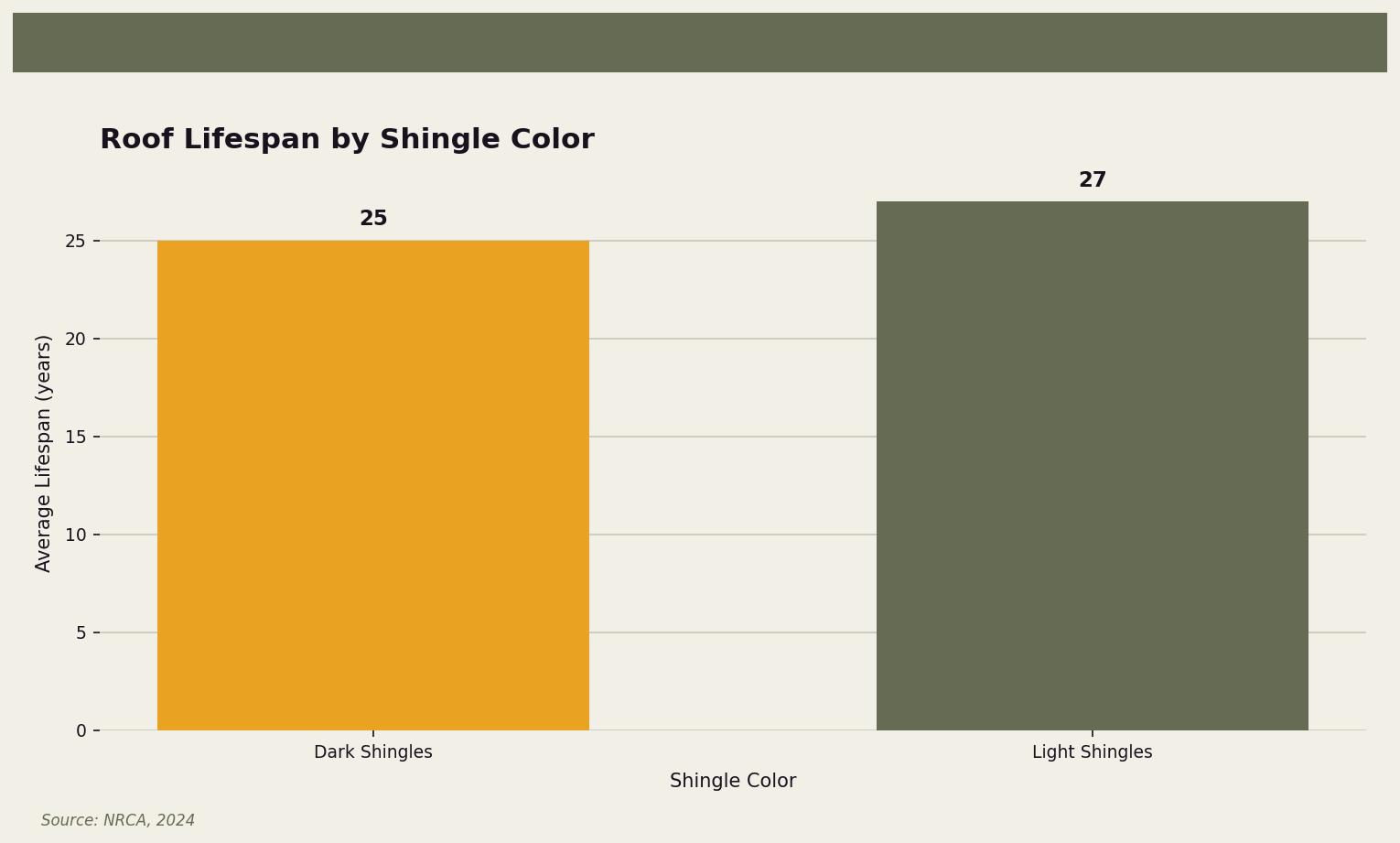
The bottom line? When you compare identical-quality shingles from the same manufacturer—one dark, one light—the lifespan difference is minimal. We’re talking maybe a year or two over a 25-year roof, not the dramatic gap the myth suggests.
Dark vs. Light Shingles: The Energy Question
What About Cooling Costs?
Fair question. The Insurance Institute for Business & Home Safety (IBHS) has studied this, and yes, shingle color can influence your home’s cooling costs. In Phoenix or Miami, lighter shingles can meaningfully reduce how hard your AC works during those brutal summer months.
But you don’t live in Phoenix. You live in Minnesota.
The Twin Cities Advantage
Here’s where geography works in your favor if you’re leaning toward dark shingles. Minnesota’s climate is predominantly cool. Our heating season is long—we’re running furnaces from October through April most years. Those summer months where dark shingles might add a few degrees to your attic? They’re outnumbered by the months where that extra heat absorption actually helps.
Think about it: dark shingles that soak up more winter sunlight can help with passive heating and snow melt. That’s not nothing when you’re looking at heating bills from December through March.
The energy impact cuts both ways, and in our climate, it’s closer to a wash—or even a slight advantage for darker colors.
Black Shingle Lifespan: What Really Matters

The Factors That Actually Affect How Long Your Roof Lasts
If shingle color isn’t the lifespan villain it’s made out to be, what should you actually worry about? Here’s what the data points to:
- Installation quality: A roof is only as good as the crew that installs it. Improper nailing, bad flashing work, or cutting corners on underlayment will shorten any roof’s life—dark or light.
- Attic ventilation: This is huge. The NRCA emphasizes that proper attic ventilation regulates both temperature and moisture levels under your roof. Poor ventilation traps heat and humidity, which breaks down shingles from below. A well-ventilated attic with dark shingles will outlast a poorly ventilated one with light shingles every time.
- Material quality: Not all shingles are created equal. A premium architectural shingle in charcoal gray will outperform a cheap three-tab in white. You get what you pay for.
- Maintenance: Roofs that get regular attention last longer. Period.
- Tree coverage and debris: Overhanging branches that scrape shingles and dump organic debris create problems regardless of color.
Color is pretty far down the list of things that determine whether your roof makes it 20 years or 30.
Minnesota Weather: The Real Test for Any Roof
Freeze-Thaw Cycles Are the Real Enemy
Want to know what actually stresses Twin Cities roofs? It’s not summer heat—it’s the freeze-thaw cycle. According to U.S. Census climate data, Minnesota homes experience about 40 freeze-thaw cycles every year. That’s 40 times water seeps into tiny cracks, freezes, expands, and then thaws again.
This constant expansion and contraction is brutal on roofing materials. It’s why ice dams form, why flashing fails, and why Minnesota roofs face challenges that Florida roofs never see.
How Dark Shingles Can Actually Help
Here’s an interesting twist: dark shingles’ heat absorption can work in your favor during Minnesota winters. When sunlight hits a dark roof, even on cold days, the surface warms up faster. This can help melt light snow accumulation and reduce ice buildup at the edges of your roof.
Ice dams form when heat escaping from your attic melts snow on the upper roof, and that water refreezes at the cold eaves. Dark shingles that warm more evenly in sunlight can help moderate this process. It’s not a cure-all—proper attic insulation and ventilation are still your primary defenses—but it’s another point in the “dark shingles aren’t the enemy” column.
Making the Right Choice: Your Action Plan
So you’re convinced the myth is overblown. Great. Now what? Here’s how to actually protect your roof investment, regardless of which color you choose:
1. Schedule Annual Roof Inspections
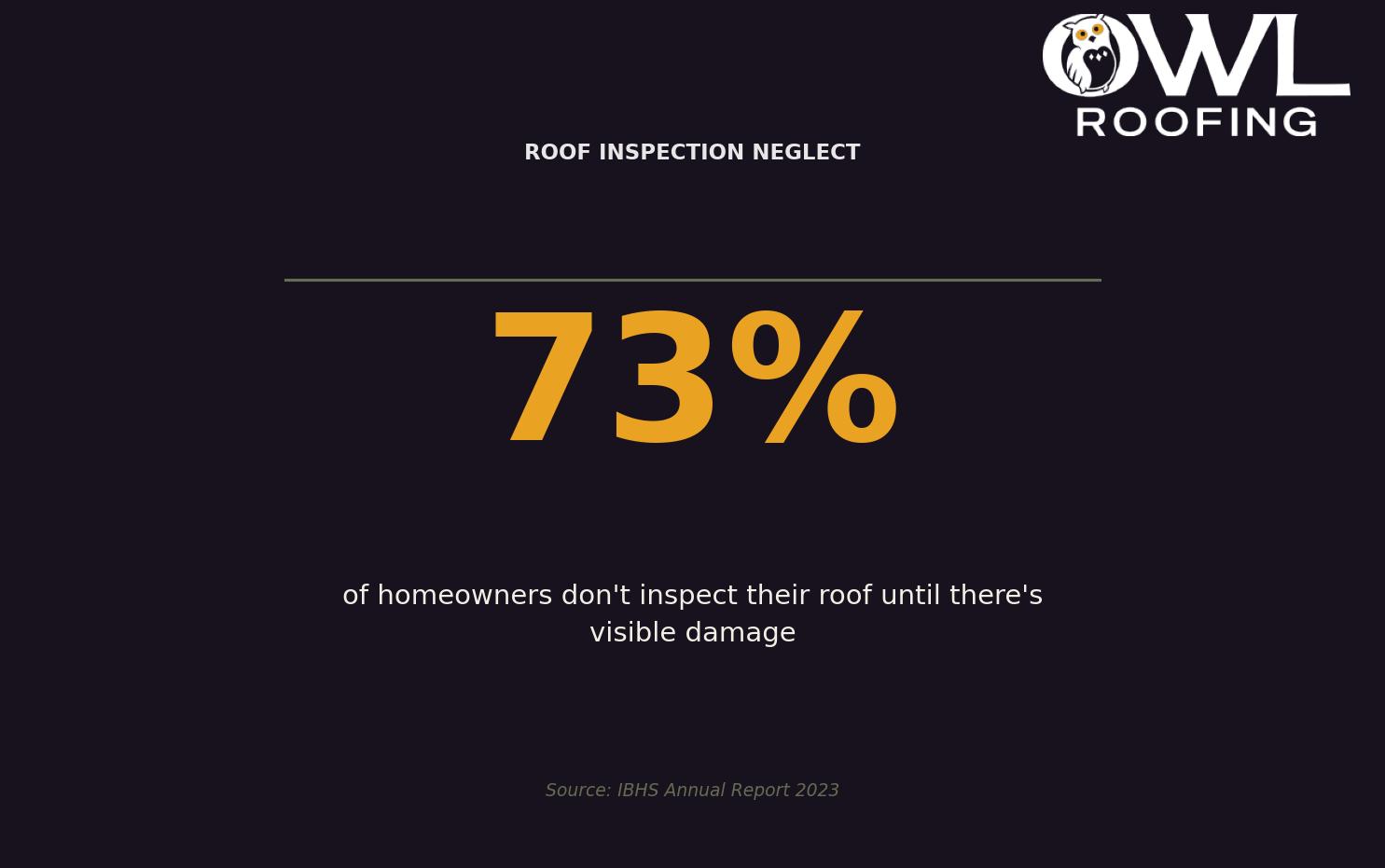
The IBHS reports that 73% of homeowners don’t inspect their roof until there’s visible damage. That’s like waiting until your car breaks down to check the oil. By the time you see water stains on your ceiling, the damage has been happening for a while.
Get up there (or have someone get up there) once a year—ideally in spring after winter’s done its worst. Look for cracked, curling, or missing shingles. Check the flashing around vents and chimneys. Catch problems early when they’re cheap to fix.
2. Verify Your Attic Ventilation
This is the single most impactful thing you can do for shingle longevity. Your attic needs intake vents (usually at the soffits) and exhaust vents (at the ridge or near the peak). Air should flow in at the bottom and out at the top, keeping temperatures and moisture levels stable.
If your attic feels like a sauna in summer or you’re seeing moisture or frost on the underside of your roof deck in winter, you’ve got a ventilation problem. Fix it before you worry about shingle color.
3. Keep Gutters Clear
Clogged gutters cause water to back up under shingles at the eaves. In Minnesota winters, this water freezes and creates ice dams. Clean your gutters at least twice a year—spring and fall—and consider gutter guards if you’re surrounded by trees.
4. Address Repairs Promptly
A missing shingle isn’t an emergency—until it rains. Or until wind drives snow under the gap. Or until the exposed underlayment degrades. Small repairs stay small if you handle them quickly. Ignore them and they grow.
5. Manage Snow and Ice Proactively
After heavy snowfalls, consider having excess snow removed from your roof, especially if you’ve had ice dam issues in the past. A roof rake can clear the lower few feet without you climbing up there. And if ice dams do form, address them carefully—hacking at ice with a hammer is a great way to damage shingles of any color.
The Bottom Line on Dark Shingles
Let’s bring this home. Do dark shingles wear out faster? The evidence says: barely, if at all. The difference in lifespan between a quality dark shingle and a quality light shingle is negligible—maybe a year or two over decades of service. That’s noise, not signal.
What actually determines whether your roof lasts 20 years or 30? Installation quality. Ventilation. Maintenance. Material grade. These factors dwarf shingle color in importance.
So if you love the look of charcoal, black, or dark brown shingles, don’t let an old myth talk you out of it. Choose the color that makes you happy when you pull into your driveway. Choose the color that complements your siding and fits your neighborhood. Just make sure you pair that choice with quality materials, proper installation, and regular maintenance.
Your roof’s job is to protect your home. Its color is allowed to make you smile while it does it.
Ready to Talk About Your Roof?
If you’re weighing shingle options—dark, light, or somewhere in between—we’d love to help you think it through. At Owl Roofing, we’re a family-owned company right here in Shoreview, serving neighbors across the Twin Cities. Tim and Bea, Noah and Anya—we’ve seen every type of roof in every condition Minnesota weather can create. We’ll look at your specific situation, tell you exactly what we see, and give you honest guidance on what makes sense for your home.
No pressure, no pushy sales tactics. Just straight answers from people who live here and actually care about doing good work for our community. Give us a call at 651-977-6027 or visit owlroofing.com/ to set up a conversation. We’re happy to answer questions, take a look at your roof, or just chat about what you’re considering.
Protect Your Nest.
📍 Owl Roofing Serves the Entire Twin Cities Metro
Andover · Anoka · Apple Valley · Arden Hills · Big Lake · Blaine · Bloomington · Brooklyn Center · Brooklyn Park · Burnsville · Champlin · Chanhassen · Chaska · Columbia Heights · Coon Rapids · Cottage Grove · Crystal · deephaven · Delano · Eagan · East Bethel · Eden Prairie · Excelsior · Farmington · Forest Lake · Fridley · Golden Valley · Ham Lake · Hastings · Hopkins · Hugo · Inver Grove Heights · Lake Elmo · Lakeville · Lino Lakes · Mahtomedi · Maplewood · Mendota Heights · Minneapolis · Minnetrista · Mound · Mounds View · New Brighton · New Hope · North Oaks · North St. Paul · Oak Grove · Oakdale · Plymouth · Prior Lake · Ramsey · Richfield · Robbinsdale · Rosemount · Roseville · Saint Paul · Savage · Shakopee · Shoreview · South St. Paul · St. Louis Park · St. Michael · St. Paul · Stillwater · Vadnais Heights · Victoria · Waconia · wayzata · West St. Paul · White Bear Lake · woodbury
Licensed Minnesota roofing contractor · Free inspections · 10-year workmanship warranty · Get a free estimate →
