


How Many Layers of Shingles Are Allowed
 13min Read
 Posted 11.01.2025
How Many Layers of Shingles Are Allowed?

That second layer of shingles on your roof? It might be a ticking time bomb. Every winter, we see Twin Cities homeowners discover—usually during a January cold snap—that their “money-saving” shingle overlay is now sagging under snow load or trapping moisture that’s rotting the deck underneath. The question isn’t just whether you can add another layer. It’s whether you should.
Here’s the situation most folks find themselves in: You spot a leak, some curling shingles, or maybe the neighbors just got a sleek new roof and now yours looks tired. A quick Google search later, you’re wondering if you can skip the expensive tear-off and just slap a fresh layer on top. It sounds simple. It sounds cheap. And sometimes—emphasis on sometimes—it actually works. But in Minnesota? With our freeze-thaw cycles, heavy snow loads, and wild temperature swings? The stakes are higher than you might think.
Let’s break down exactly what’s allowed, what’s smart, and what could come back to haunt you.
Why the Number of Shingle Layers Actually Matters
This isn’t just bureaucratic red tape or contractors trying to upsell you. The rules around shingle layers exist because roofs fail—and when they do, the damage goes far beyond a few missing shingles.
According to the National Roofing Contractors Association (NRCA), improper roofing practices are a leading cause of structural damage in residential homes. And here in Minnesota, our climate turns small roofing mistakes into big problems fast. That freeze-thaw cycle we’re so famous for? It’s brutal on roofs. Water seeps into tiny gaps, freezes, expands, and creates larger gaps. Repeat that process a hundred times between November and March, and you’ve got ice dams, lifted shingles, and water infiltrating places it absolutely shouldn’t be.
When you stack multiple shingle layers, you’re compounding these risks:
- Weight overload: Your roof structure was engineered for a specific load. Add a second layer of shingles plus a few feet of wet Minnesota snow, and you’re pushing limits that weren’t designed to be pushed.
- Trapped moisture: Old shingles underneath can trap moisture between layers, leading to mold growth and deck rot that you won’t see until it’s a major problem.
- Hidden damage: When you overlay, you’re covering up the existing roof deck. Any soft spots, rot, or damage gets buried—and continues to deteriorate invisibly.
- Reduced lifespan: That new layer you just installed? It won’t last as long as it would on a clean deck. Heat gets trapped, ventilation suffers, and your shingles age faster.
Following proper shingle overlay rules isn’t about playing it safe for no reason. It’s about protecting a structure that shelters your family and represents one of your biggest investments.
Understanding Maximum Shingle Layers: What the Codes Actually Say
The General Rule: Two Layers Max
The roofing industry standard—backed by the International Building Code (IBC)—allows for a maximum of two layers of asphalt shingles on most residential roofs. This is what’s commonly called a “two layer roof” or “re-roof” scenario.
Here’s the logic: one layer of asphalt shingles typically weighs between 2 and 4 pounds per square foot, depending on the type. Architectural shingles (the thicker, more dimensional kind that’s popular now) run on the heavier end. Standard three-tab shingles are lighter. Either way, doubling that weight is something most roof structures can handle—if the existing roof is in decent shape and if the structure was built to code.
But here’s the catch that trips people up: just because two layers are allowed doesn’t mean two layers are advisable in every situation. The code sets a maximum, not a recommendation.
When Even One More Layer Is Too Many
The Insurance Institute for Business & Home Safety (IBHS) is pretty clear on this point: roofs in regions with severe weather deserve extra scrutiny before anyone adds a second layer. Their research shows that homes in high-wind, heavy-snow, or extreme-temperature zones face significantly higher risks from layered roofing systems.
Sound like anywhere you know? Yeah, Minnesota checks all three boxes.
Situations where a second layer might be a bad idea, even if it’s technically allowed:
- Your existing shingles are severely curled, buckled, or damaged. Laying new shingles over a bumpy surface means the new layer won’t lie flat. Poor adhesion leads to wind uplift and premature failure.
- There’s evidence of deck damage or soft spots. You need to see what’s underneath, not bury it.
- Your attic ventilation is already marginal. Adding mass makes heat retention worse, accelerating shingle degradation.
- You’re in an older home. Structures built before modern codes may not have the load capacity that newer homes do.
- Your roof pitch is low. Low-slope roofs already struggle with water shedding. Extra layers can trap water and debris.
A professional inspection before deciding on a shingle overlay isn’t optional—it’s essential. And not just a guy eyeballing things from the ground. Someone needs to get up there, walk the deck, check the decking, and evaluate whether your specific roof can handle what you’re asking it to do.
The Real Math: Comparing Overlay vs. Full Replacement
Upfront Cost: Overlay Wins (Sort Of)
Let’s be honest about why people consider overlays in the first place: money. According to the National Association of Realtors (NAR), installing a new shingle layer costs roughly 25% less than a full tear-off and replacement. On an average Twin Cities home, that could mean saving $2,000 to $4,000 upfront.
That’s real money. We get it.
But here’s where the math gets complicated. That 25% savings comes with strings attached:
- You’re not fixing underlying problems. Any existing damage stays hidden and gets worse.
- The new layer won’t last as long. The NRCA reports that overlaid roofs typically have 20-30% shorter lifespans than roofs installed on clean decks.
- Future replacement costs more. When you eventually do need a full replacement, the crew has to tear off two layers instead of one. That’s more labor, more disposal fees, and more time.
- Insurance considerations. Some insurers won’t cover damage on roofs with multiple layers, or they’ll pay out less. Check your policy.
- Resale impact. Home inspectors flag multi-layer roofs. Buyers see them as deferred maintenance. It can affect your sale price or scare off offers entirely.
Longevity and Performance: Tear-Off Wins
The NRCA’s research on layered versus single-layer roofs tells a clear story: roofs with two layers age faster. The reasons are physics, not opinion.
Heat absorption increases with mass. More material means more thermal cycling stress. The trapped air between layers doesn’t insulate—it creates a moisture trap in humid conditions and a heat reservoir in summer. In Minnesota, where your roof might see a 100-degree temperature swing between January and July, that stress adds up fast.
Ventilation suffers too. Proper roof ventilation relies on air moving freely under the shingles and through the attic space. Extra layers restrict that flow, leading to ice dams in winter (when heat escapes and melts snow unevenly) and accelerated shingle deterioration in summer (when heat can’t escape at all).
The bottom line: if you’re planning to stay in your home for more than 5-7 years, a full replacement usually makes more financial sense, even if the upfront cost is higher.
Minnesota and Twin Cities: Why Local Conditions Change the Equation
We’ve mentioned Minnesota’s climate a few times already, but it’s worth drilling down on what makes our region particularly challenging for layered roofs.
The Minnesota Building Code follows the IBC’s two-layer allowance, but local building officials and experienced roofers know that our conditions push roofs harder than most places in the country. Here’s what we’re dealing with:
- Snow loads: A wet, heavy snow can add 20+ pounds per square foot to your roof. The Minnesota Building Code requires roofs to handle a minimum ground snow load of 50 pounds per square foot in most areas, but that’s for the structure—your shingles and decking still have to handle the extra weight of a second layer on top of everything else.
- Ice dams: These are endemic to Minnesota. When heat escapes from your attic, it melts snow on the roof. That water runs down and refreezes at the colder eaves, creating a dam that backs water up under your shingles. Two layers of shingles mean more places for that water to infiltrate.
- Freeze-thaw cycles: We can see dozens of these in a single season. Each cycle is an opportunity for trapped moisture to expand, contract, and work its way deeper into your roof system.
- Temperature extremes: From -20°F in January to 95°F in July, your shingles experience thermal expansion and contraction that tests every seal and adhesive bond. Layered systems, with their added mass and trapped air, experience more extreme temperature swings.
Homeowners in Shoreview, St. Paul, Minneapolis, and throughout the Twin Cities need to weigh these factors seriously. What works in Texas or California—where two layers might be fine—doesn’t automatically translate to our climate.
What Smart Homeowners Do Before Making This Decision
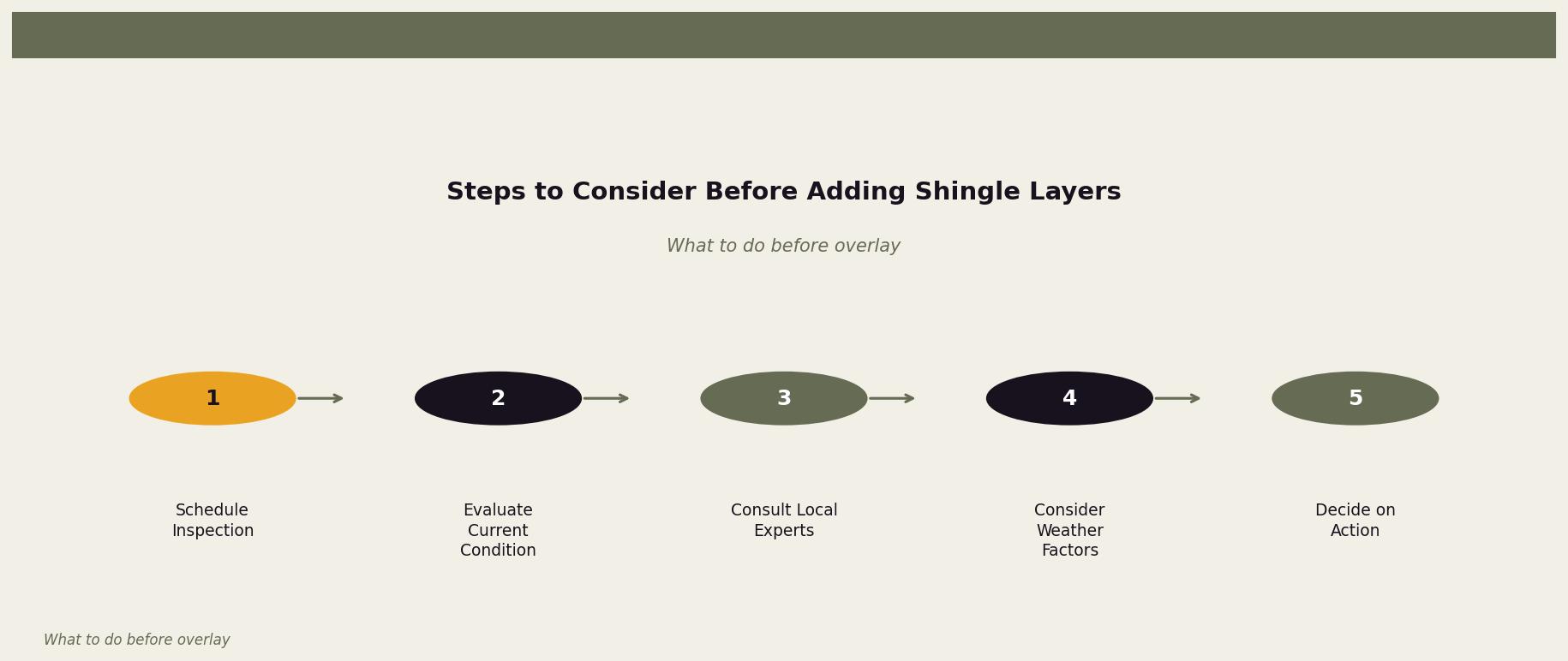
If you’re staring at a roof that needs attention and wondering whether to overlay or replace, here’s the action plan that sets you up for the best outcome:
Step 1: Get a Real Inspection
Not a windshield estimate. Not a quick look from the ladder. A thorough inspection means someone walking your roof, checking the decking for soft spots, examining the attic for ventilation and moisture issues, and evaluating the condition of your existing shingles. This is the only way to know what you’re actually working with.
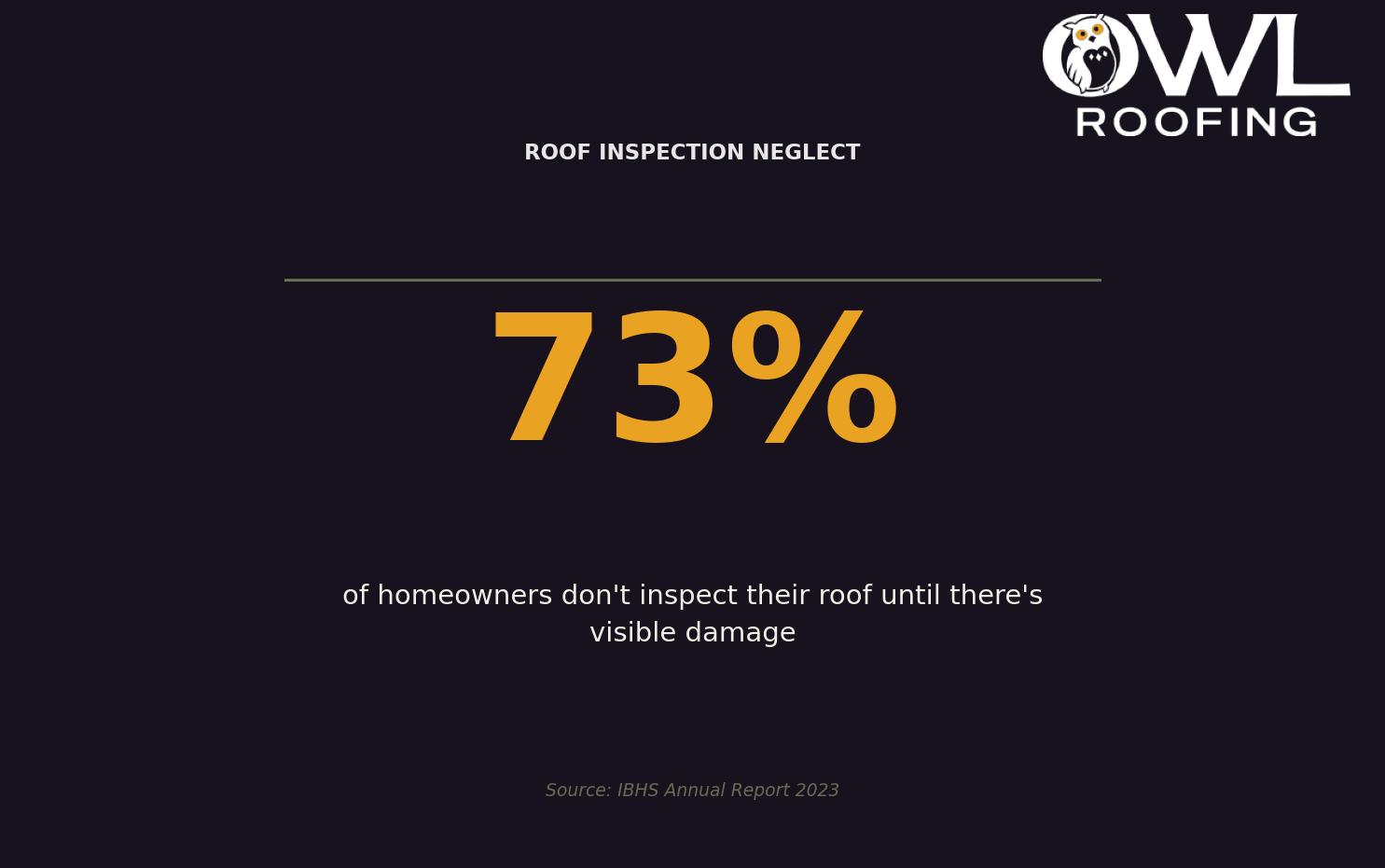
Here’s a sobering stat: according to the IBHS Annual Report, 73% of homeowners don’t inspect their roof until there’s visible damage—a leak, missing shingles, or water stains on the ceiling. By then, the underlying problem has usually been developing for months or years. Don’t be that homeowner.
Step 2: Ask the Right Questions
When you get that inspection, push for specifics:
- How many layers are currently on the roof?
- What’s the condition of the decking?
- Are there signs of moisture damage or rot?
- How’s the attic ventilation?
- What’s the remaining useful life of the existing shingles?
- Given this home’s specific conditions, would you overlay your own roof?
That last question is a good gut-check. Honest contractors will tell you what they’d do if it were their house.
Step 3: Factor in the Full Picture
Beyond the roof itself, consider:
- How long do you plan to stay in this home?
- What does your homeowner’s insurance say about layered roofs?
- Are you planning to sell within the next decade?
- What’s your tolerance for potentially dealing with this again sooner than expected?
Step 4: Get Multiple Opinions
Talk to more than one roofer. Get estimates for both overlay and full replacement so you can compare real numbers, not hypotheticals. Be wary of anyone who pushes hard for one option without explaining why it’s right for your specific situation.
Making the Right Call for Your Home
There’s no universal answer to the overlay-versus-replacement question. Two layers of shingles are allowed under code in Minnesota and most other states. For some homes—ones with solid decking, good ventilation, and relatively new existing shingles—an overlay can be a reasonable short-term solution that buys you another 10-15 years.
But for homes with any underlying issues, questionable ventilation, or structural concerns, the “savings” of an overlay often turn into bigger expenses down the road. And in Minnesota’s demanding climate, the margin for error is smaller than it might be elsewhere.
The right call depends on your specific roof, your specific home, and your specific plans. What it shouldn’t depend on is guesswork or assumptions. Get the information, understand the trade-offs, and make a decision you can stand behind.
Ready to Know What Your Roof Actually Needs?
At Owl Roofing, we’ve climbed on hundreds of Twin Cities roofs—single layers, double layers, and a few that probably shouldn’t have had any layers at all by the time we got there. We’ve seen what Minnesota winters do to overlaid roofs, and we’ve helped plenty of homeowners figure out whether adding a layer makes sense or whether it’s time to start fresh.
We’re based right here in Shoreview and serve the entire Twin Cities metro. Tim, Bea, Noah, and Anya—we’re the ones who show up. Not a franchise crew from out of state. Not storm chasers who’ll be gone next month. Just neighbors who’ve been doing this work for over 15 years combined and plan to keep doing it.
If you’re weighing your options on layers of shingles allowed, give us a call at 651-977-6027 or visit owlroofing.com/. We’ll take a real look at your roof, tell you exactly what we see, and give you straight answers about your options. No pressure, no runaround—just honest guidance from people who live here too.
Protect Your Nest.
📍 Owl Roofing Serves the Entire Twin Cities Metro
Andover · Anoka · Apple Valley · Arden Hills · Big Lake · Blaine · Bloomington · Brooklyn Center · Brooklyn Park · Burnsville · Champlin · Chanhassen · Chaska · Columbia Heights · Coon Rapids · Cottage Grove · Crystal · deephaven · Delano · Eagan · East Bethel · Eden Prairie · Excelsior · Farmington · Forest Lake · Fridley · Golden Valley · Ham Lake · Hastings · Hopkins · Hugo · Inver Grove Heights · Lake Elmo · Lakeville · Lino Lakes · Mahtomedi · Maplewood · Mendota Heights · Minneapolis · Minnetrista · Mound · Mounds View · New Brighton · New Hope · North Oaks · North St. Paul · Oak Grove · Oakdale · Plymouth · Prior Lake · Ramsey · Richfield · Robbinsdale · Rosemount · Roseville · Saint Paul · Savage · Shakopee · Shoreview · South St. Paul · St. Louis Park · St. Michael · St. Paul · Stillwater · Vadnais Heights · Victoria · Waconia · wayzata · West St. Paul · White Bear Lake · woodbury
Licensed Minnesota roofing contractor · Free inspections · 10-year workmanship warranty · Get a free estimate →
