


What Affects Roof Replacement Cost the Real Factors
 15min Read
 Posted 11.08.2025
🦉 Roof Replacement Cost Calculator
Ballpark your Minnesota roof replacement cost by size, material & complexity.
Ballpark estimate for the Twin Cities market — includes tear-off, materials & labor for a typical single-layer replacement. Decking repairs, permits, and code items (like ice & water shield coverage) can shift the final number. The only way to know for sure is a free inspection with real measurements.
- Lawn swept 3x with magnets
- Storm restoration specialists
- We actually answer: (651) 977-6027
 5.0 · 90+ reviews
 Accredited
Owl is the local family-owned roofer that actually cares.
250+ Twin Cities families have trusted us with their homes. Book a free inspection and see why.
★★★★★“We couldn’t be happier with how everything turned out. From the beginning to the end, the whole experience was great.”
Rob Larson, Local Homeowner + Owl Customer
A real person calls you back, usually within the hour.
What Affects Roof Replacement Cost: The Real Factors
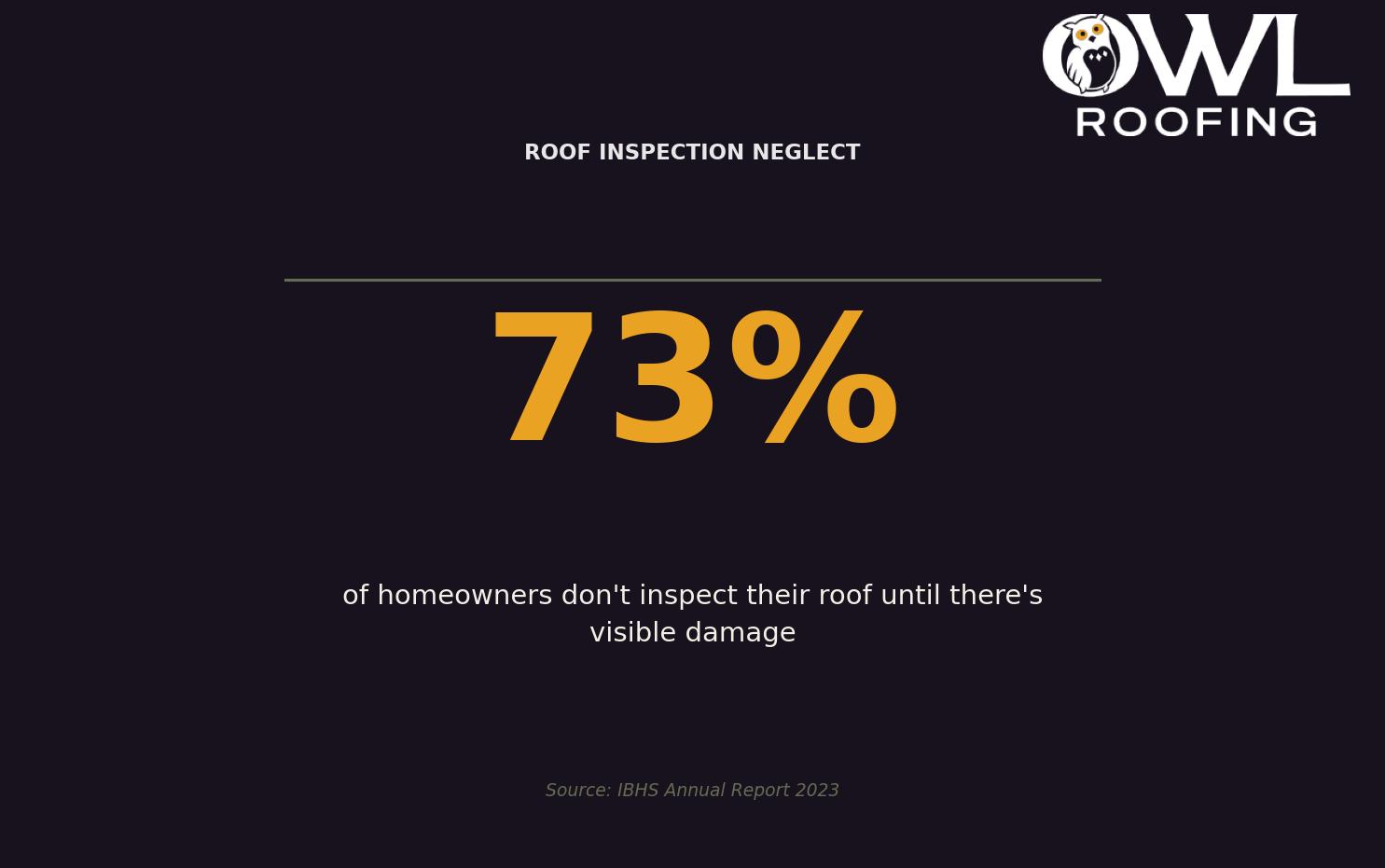
Here’s a number that might make you spit out your coffee: 73% of homeowners don’t inspect their roof until they see visible damage. By then? That small leak you’ve been ignoring has turned into water-stained ceilings, moldy insulation, and a repair bill that makes your eyes water. If you’re a Twin Cities homeowner staring down a roof replacement, you’re probably wondering why the quotes you’re getting vary by thousands of dollars — and whether anyone’s going to give you a straight answer about what this actually costs.
Let’s paint the picture you’re probably living right now: You’ve got three different estimates sitting on your kitchen counter. One seems suspiciously cheap. One looks like they’re charging you to re-shingle the Metrodome. And the third? You can’t even figure out what half the line items mean. You’re Googling “roofing cost factors” at 11 PM, trying to decode contractor jargon, and wondering if you’re about to get taken for a ride.
Now imagine this instead: You know exactly what drives the price of a roof replacement. You can look at an estimate and immediately spot what’s reasonable, what’s padded, and what’s missing entirely. You choose a contractor with confidence, the work gets done right, and you sleep soundly knowing your home is protected — without the nagging feeling that you overpaid. That’s where we’re headed. Understanding the real roofing cost factors is the bridge between confusion and clarity. Let’s break it all down.
Why Understanding Roofing Costs Actually Matters
A roof replacement isn’t like picking out new kitchen counters. It’s not optional. It’s not just aesthetic. It’s the thing standing between your family and Minnesota’s worst weather — and we’ve got plenty of that to go around.
Here’s the good news: according to the National Association of Realtors (NAR), a new roof can recoup approximately 107% of its cost at resale. That’s not a typo. It’s one of the few home improvements that can actually pay you back more than you put in. But here’s the catch — that return only happens if the job’s done right, with the right materials, at a fair price.
When you don’t understand what determines roof cost, you’re flying blind. You might overpay for materials you don’t need. You might underpay for labor and end up with shoddy installation that fails in three years. You might miss red flags in an estimate that a more informed homeowner would catch immediately.
Knowledge is leverage. And in a market flooded with storm chasers and fly-by-night operations, leverage is everything. Let’s get you some.
The Big-Ticket Items: Essential Roofing Cost Factors
Material Costs: Where Most of Your Money Goes
When it comes to roofing price factors, materials are the headliner. What’s going on top of your house makes the biggest dent in your budget — and the choices vary wildly in both price and performance.
According to the National Roofing Contractors Association (NRCA), here’s what you’re looking at per square (that’s 100 square feet, in roofing speak):
- Asphalt shingles: $100 to $400 per square. The workhorse of residential roofing. Affordable, reliable, and available in styles that don’t scream “budget option.”
- Metal roofing: Around $700 per square. Longer lifespan, excellent for shedding snow (hello, Minnesota winters), and increasingly popular for its durability.
- Cedar shakes: Approximately $900 per square. Beautiful, natural look with solid insulation properties, but requires more maintenance.
- Slate: Up to $1,200 per square. The luxury choice. Lasts a century if installed correctly, but your roof structure needs to handle the weight.
The material you choose doesn’t just affect today’s bill — it determines how long until you’re doing this again. Cheap materials installed cheaply might save you money in 2025 and cost you double in 2032. Spend wisely, not just minimally.
Labor Expenses: The Skill Behind the Shingles
Here’s something most homeowners don’t realize: labor accounts for approximately 40-60% of your total roofing cost, according to the Insurance Institute for Business & Home Safety (IBHS). That’s not your contractor padding the bill — that’s the reality of skilled work.
Think about what roofing actually involves: hauling materials up ladders, working on steep angles, dealing with unpredictable weather, making sure every shingle, flashing, and seal is placed correctly so water doesn’t find a way in. It’s physical, technical, and unforgiving. Cut corners on labor, and you’ll pay for it when the first ice dam forms.
A few things that drive labor costs up:
- Roof complexity: Multiple levels, dormers, skylights, chimneys — every feature adds time and difficulty.
- Steep pitch: Anything over a 6:12 pitch requires special equipment and safety measures. Steeper means slower, and slower means pricier.
- Tear-off requirements: If your old roof needs to come off completely (and in most cases, it should), that’s additional labor before new materials even go on.
- Accessibility: Is your house surrounded by landscaping? Tight lot lines? Limited space for materials and equipment? All of that affects how efficiently a crew can work.
The bottom line: skilled labor is worth paying for. A roof installed by experienced professionals lasts longer, performs better, and saves you money over its lifetime.
The Variables That Surprise People: Additional Roof Replacement Factors
Roof Size and Pitch: The Math You Can’t Escape
This one’s pretty straightforward: bigger roof equals more materials equals higher cost. But it’s not just about square footage.
The pitch — how steep your roof is — changes everything. A flat or low-slope roof is relatively easy to work on. A steep roof? Now you need harnesses, safety equipment, and crews who can work at angles that would make most people queasy. That means more time, more risk, and more cost.
For Twin Cities homes, many of which feature steeper pitches to shed snow, this is a real factor. Don’t be surprised if your neighbor’s quote on a similar-sized home comes in lower — their ranch-style roofline might be significantly easier to work on than your two-story Cape Cod.
Location and Permitting: The Local Stuff
Where you live affects your roofing costs in ways that go beyond material availability. In the Twin Cities, you’ll need permits for roof replacement — and that’s actually a good thing, even though it adds to your cost.
According to the U.S. Census Bureau, permits can range from $150 to $500, depending on your city and the scope of work. Shoreview, Minneapolis, St. Paul, Bloomington — they all have their own requirements and fee structures. A reputable contractor handles this for you, pulling the permits and scheduling inspections to make sure the work meets local building codes.
Why does this matter? Because a permit means accountability. It means someone other than your contractor is verifying the work was done correctly. It protects you if something goes wrong and protects your home’s value when you eventually sell.
Be wary of any contractor who suggests skipping permits to “save you money.” That shortcut can come back to haunt you in a big way.
Underlying Damage: The Hidden Costs
Here’s where estimates can go sideways in a hurry. Your contractor gives you a quote based on what they can see from the ground and a quick ladder inspection. But once the old shingles come off? Sometimes there’s rot in the decking. Water damage to the underlayment. Structural issues that weren’t visible until the surface was stripped away.
A good estimate will include language about how underlying damage is handled — typically an additional cost per sheet of decking replaced, or an hourly rate for unexpected repairs. This isn’t a scam; it’s reality. No one has X-ray vision. The important thing is that your contractor communicates with you immediately if they find issues, explains the problem clearly, and doesn’t proceed without your approval.
The Minnesota Factor: Twin Cities-Specific Considerations

Living in the Twin Cities means your roof faces challenges that homeowners in gentler climates don’t have to think about. Our freeze-thaw cycles are relentless. Ice dams are practically a rite of winter passage. And that beautiful snow we get? It’s heavy, and it sits on your roof for months.
Here’s what that means for roofing cost factors in our area:
- Material selection matters more here. Durable materials like architectural asphalt shingles or metal roofing handle the temperature swings better than builder-grade options. Spending a bit more upfront can prevent cracking, curling, and premature failure.
- Ice and water shield is essential. This membrane goes under your shingles along the eaves and in valleys. It’s required by code in Minnesota for good reason — it’s your last line of defense against ice dams forcing water under your shingles.
- Ventilation and insulation affect your roof’s lifespan. Poor attic ventilation leads to ice dams, which lead to leaks, which lead to damage. A good roofing contractor will assess your ventilation situation, not just slap shingles on top of a problem waiting to happen.
Remember that 73% statistic from the IBHS? That’s 73% of homeowners who wait until they see damage to inspect their roof. In Minnesota, where the damage happens gradually through freeze-thaw cycles and ice dam formation, that’s a recipe for expensive surprises. Proactive inspections — especially after harsh winters — are worth every penny.
Your Action Plan: Taking Control of Your Roofing Project
You’ve got the knowledge now. Here’s how to put it to work:
- Schedule a professional inspection first. Before you start collecting quotes, know what you’re working with. An inspection identifies current damage, potential problems, and gives you a baseline for evaluating what contractors tell you.
- Get at least three detailed estimates. And we mean detailed. Line items for materials, labor, permits, tear-off, disposal, warranties — all of it. If an estimate is vague, ask questions. If they can’t answer clearly, move on.
- Compare apples to apples. Make sure each estimate covers the same scope. One contractor might include upgraded underlayment while another doesn’t. You can’t compare prices if you’re not comparing the same job.
- Ask about warranties — and read them. Manufacturer warranties cover materials. Workmanship warranties cover installation. Both matter. A 50-year shingle warranty means nothing if poor installation causes it to fail in 10.
- Check credentials and references. Licensed? Insured? Local? Willing to provide references from nearby homeowners? These aren’t nice-to-haves; they’re the baseline for any contractor you should consider.
- Plan for ongoing maintenance. A roof replacement isn’t “set it and forget it.” Annual inspections, gutter cleaning, and addressing small issues before they become big ones will maximize your investment.
Take the Next Step With Confidence
Here’s the thing about roofing: it’s a big investment, but it doesn’t have to be a stressful one. When you understand the real roofing cost factors — materials, labor, complexity, location, and everything in between — you take control of the process. You ask better questions. You spot red flags. You make decisions based on knowledge, not just hope.
If you're in the Twin Cities and thinking about a roof replacement, we'd love to help. At Owl Roofing, we're a family-owned company based right here in Shoreview — not a franchise, not storm chasers passing through, just local neighbors who've been doing this work for over 15 years combined. We've seen every type of roof challenge Minnesota weather can throw at a home, from ice dam disasters to hail damage to roofs that were simply installed poorly the first time around. We look at your roof, tell you exactly what it needs, give you a clear estimate with no surprises, and get it done right. That's it. No pressure, no runaround, no decoding contractor-speak. Just honest work for our neighbors. Give us a call at 651-977-6027 or visit owlroofing.com/ to schedule your inspection. Protect Your Nest.
📍 Owl Roofing Serves the Entire Twin Cities Metro
Andover · Anoka · Apple Valley · Arden Hills · Big Lake · Blaine · Bloomington · Brooklyn Center · Brooklyn Park · Burnsville · Champlin · Chanhassen · Chaska · Columbia Heights · Coon Rapids · Cottage Grove · Crystal · deephaven · Delano · Eagan · East Bethel · Eden Prairie · Excelsior · Farmington · Forest Lake · Fridley · Golden Valley · Ham Lake · Hastings · Hopkins · Hugo · Inver Grove Heights · Lake Elmo · Lakeville · Lino Lakes · Mahtomedi · Maplewood · Mendota Heights · Minneapolis · Minnetrista · Mound · Mounds View · New Brighton · New Hope · North Oaks · North St. Paul · Oak Grove · Oakdale · Plymouth · Prior Lake · Ramsey · Richfield · Robbinsdale · Rosemount · Roseville · Saint Paul · Savage · Shakopee · Shoreview · South St. Paul · St. Louis Park · St. Michael · St. Paul · Stillwater · Vadnais Heights · Victoria · Waconia · wayzata · West St. Paul · White Bear Lake · woodbury
Licensed Minnesota roofing contractor · Free inspections · 10-year workmanship warranty · Get a free estimate →
