When Did Architectural Shingles Come Out? (clear, Simple Answer)
 9min Read
 Posted 12.20.2025
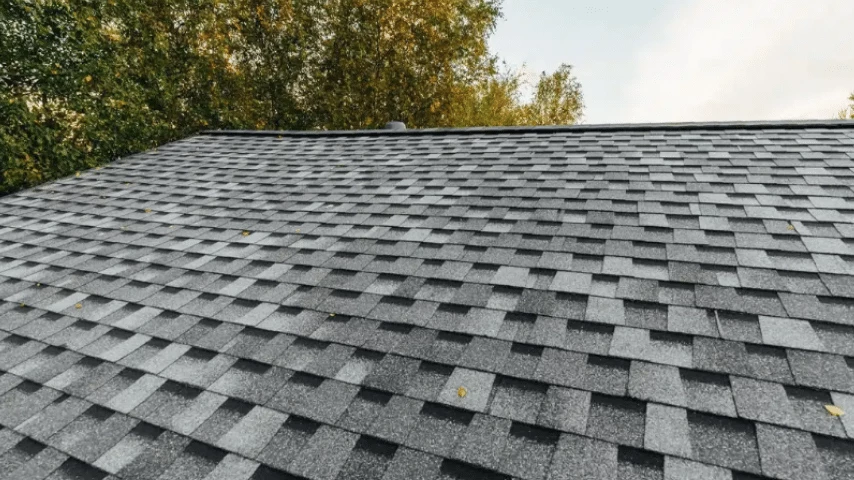
Architectural shingles first came out in the 1970s.
They were created as a stronger, better-looking alternative to basic 3-tab shingles, which dominated the market at the time.
Homeowners wanted something with more dimension, more durability, and a longer lifespan — so manufacturers developed a laminated, multi-layered shingle that looked richer and held up better.
That’s the exact answer most people search for.
Now here’s the quick context that helps it all click.
Why Architectural Shingles Were Invented
Back in the 60s and early 70s, roofs were mostly:
- Flat-looking
- Thin
- Easy to damage
- Short-lived
- Prone to curling and cracking
Architectural shingles were designed to solve those problems by stacking two or more layers of asphalt together.
This added:
- Better wind resistance
- More texture and depth
- Longer lifespan
- Less curling
- Better impact performance
They were originally considered a “premium” option, but today they’re the standard on most Minnesota homes.
How Architectural Shingles Have Improved Since the 1970s
Today’s architectural shingles are a different level:
- Stronger laminates
- Better adhesives
- Higher wind ratings
- More impact-resistant options
- Longer warranties
- Better granule retention
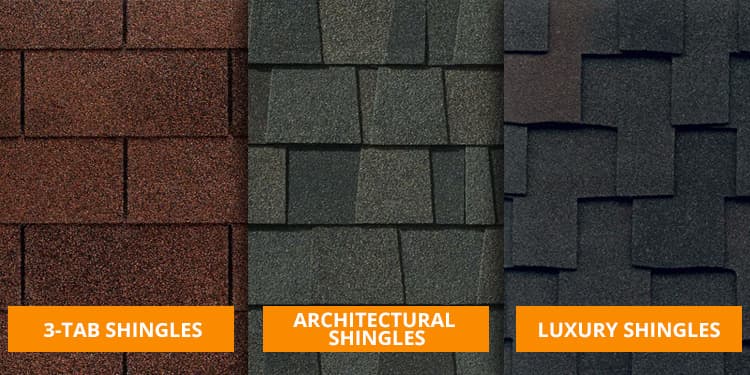
Some shingles now even mimic cedar or slate without the weight or maintenance.
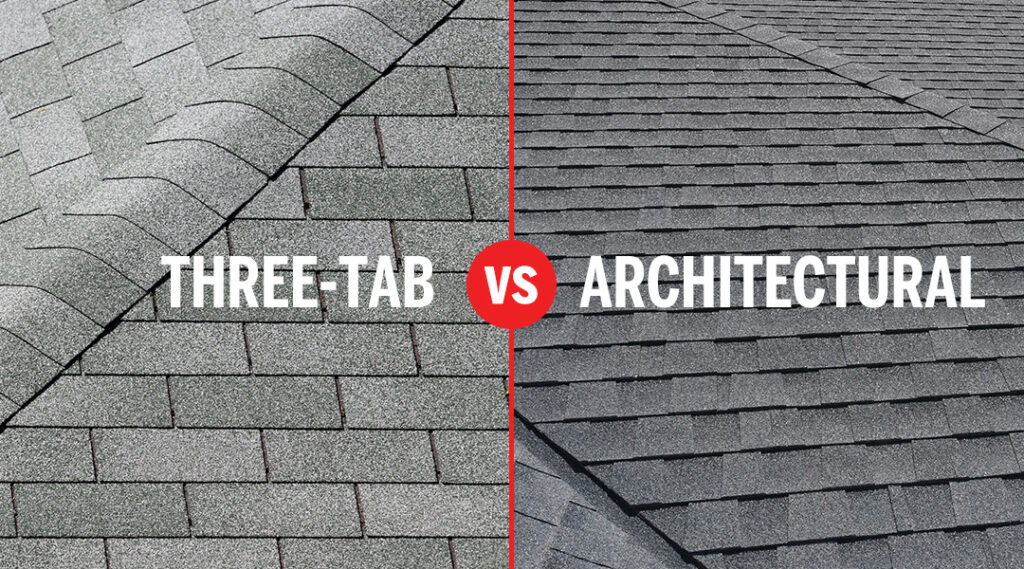
Architectural vs 3-Tab: Why the Change Happened
Here’s the simple difference:
3-Tab Shingles
One layer
Flat look
Lower cost
Shorter lifespan
Architectural Shingles
Two or more layers
Dimensional look
Stronger
Better lifespan
Better in storms
Architectural shingles quickly became the preferred choice because they solved almost every weakness 3-tabs had.
Are Architectural Shingles Still Worth It Today?
Yes. They’re the standard for a reason.
Most homeowners pick them because they do three things well:
- Protect the home
- Improve curb appeal
- Last longer in tough climates
That’s especially important in Minnesota, where roofs face wind, hail, and freeze-thaw cycles.
FAQ: Architectural Shingles
Are architectural shingles and dimensional shingles the same thing?
Yes — different names for the same product.
How long do architectural shingles last?
Typically 20–30 years depending on ventilation and installation.
Can architectural shingles handle Minnesota weather?
Yes. They perform better than 3-tabs in wind, snow, and temperature swings.
Are they heavier?
Yes, which is part of what makes them more durable.
Do they cost more?
Slightly, but the lifespan and performance offset the difference.
The Drawbacks of Architectural Shingles (What Most Blogs Won’t Say)
Architectural shingles are now the default choice—but they’re not perfect.
Here’s what homeowners should know:
They’re heavier.
This is usually good for durability, but older homes with weakened decking may need reinforcement.
They still suffer granule loss.
Heat, UV, and hail knock granules off over time. This shortens lifespan.
They aren’t hail-proof.
Even upgraded architectural shingles can bruise in Minnesota hailstorms.
They can mask early damage.
Because they’re thicker and more dimensional, it’s harder for homeowners to spot subtle failures.
They depend heavily on ventilation quality.
A top-tier shingle with a poorly vented attic will age faster than a cheap shingle on a well-vented home.
They vary significantly by brand.
Some brands hold up beautifully.
Others?… let’s talk about it.
The Spicy Part: Not All Architectural Shingles Are Created Equal
Here’s the breakdown most roofing companies tiptoe around.
GAF (Timberline Series)
Pros:
Strong warranties when installed by certified contractors.
Huge color lineup.
Widely available.
Cons:
Some lines have had documented issues with early granule loss in extreme climates.
Wind ratings vary significantly between product tiers.
Best for: Homeowners who want national brand confidence and lots of visual options.
Owens Corning (Duration Series)
Pros:
The SureNail strip gives strong fastening and solid wind resistance.
Colors are saturated and consistent.
Widely loved by installers.
Cons:
Duration shingles can still scuff easily during hot installs.
OC had reputation issues decades ago, but today’s products are solid.
Best for: Minnesota homes needing durability + consistent aesthetic.
CertainTeed (Landmark, Landmark Pro)
Pros:
Heavy, thick, durable.
Some of the richest color blends in the industry.
Landmark Pro is known for long-term performance.
Cons:
Higher price point.
Heavier weight may require decking checks on older homes.
Best for: Homeowners who want premium look + longevity.
Malarkey (Highlander, Vista Series)
Pros:
Sustainable materials.
Strong impact resistance.
Flexible asphalt formula performs well in cold climates.
Great for hail-prone areas.
Cons:
Limited color selection compared to GAF or OC.
Availability varies.
Best for: Homeowners who prioritize cold-weather performance and sustainability.
IKO
Pros:
Affordable.
Widespread availability.
Cons:
Criticized historically for quality inconsistencies.
Less popular among Minnesota installers due to past issues.
Best for: Budget-focused homeowners, but with caution.
What Manufacturers Don’t Tell Homeowners Out Loud
Architectural shingles changed the industry, but here are truths manufacturers rarely publish in brochures:
Shingle lifespan is 50% installation, 50% product.
A great shingle installed badly will fail fast.
Ventilation is everything.
Most “product failures” are actually attic humidity or heat problems.
Warranties are not lifetime in the way homeowners think.
They’re heavily prorated.
And some only activate when a certified installer handles the job.
Color fading is real.
Dark shingles fade fastest in direct sun.
Storm damage isn’t always visible.
Bruising won’t show from the ground.
That’s why insurance claims confuse people.
Hail-resistant shingles are not hail-proof.
They reduce impact damage—they don’t eliminate it.
Why Architectural Shingles Took Over the Market
Homeowners wanted something better than the flimsy 3-tab era.
Architectural shingles gave them:
More curb appeal.
More depth.
More strength.
Better warranties.
Better resale value.
Better weather resistance.
Contractors liked them because they’re easier to install properly, more forgiving with overlaps, and give customers better performance for the price.
The result:
By the 2000s, architectural shingles became the default in almost every region of the U.S.
Are Architectural Shingles Worth It in Minnesota Today?
Yes—when the right brand and system are used.
Minnesota’s roofing needs are unique:
Freeze-thaw cycles
Hail
Wind
Heavy snow
Moisture swings
Strict ventilation needs
Architectural shingles shine here, but only when matched with:
Strong underlayment
Ice and water shield where it counts
Balanced ventilation
Proper decking
A brand that performs in cold climates

What Owl Roofing Recommends (And Why)
You’ll never hear Owl Roofing push one brand blindly.
We choose materials based on your roof’s shape, your attic airflow, your home age, and your neighborhood’s weather patterns.
Still, here’s where we lean:
Owens Corning Duration for balanced durability + strong fastening
CertainTeed Landmark Pro for premium thickness + long-term reliability
Malarkey Vista for cold-weather resilience + sustainabilityYour roof should protect your nest, not create future problems.
And that comes down to the right shingle, installed the right way, with the right ventilation and care.
📍 Owl Roofing Serves the Entire Twin Cities Metro
Andover · Anoka · Apple Valley · Arden Hills · Big Lake · Blaine · Bloomington · Brooklyn Center · Brooklyn Park · Burnsville · Champlin · Chanhassen · Chaska · Columbia Heights · Coon Rapids · Cottage Grove · Crystal · deephaven · Delano · Eagan · East Bethel · Eden Prairie · Excelsior · Farmington · Forest Lake · Fridley · Golden Valley · Ham Lake · Hastings · Hopkins · Hugo · Inver Grove Heights · Lake Elmo · Lakeville · Lino Lakes · Mahtomedi · Maplewood · Mendota Heights · Minneapolis · Minnetrista · Mound · Mounds View · New Brighton · New Hope · North Oaks · North St. Paul · Oak Grove · Oakdale · Plymouth · Prior Lake · Ramsey · Richfield · Robbinsdale · Rosemount · Roseville · Saint Paul · Savage · Shakopee · Shoreview · South St. Paul · St. Louis Park · St. Michael · St. Paul · Stillwater · Vadnais Heights · Victoria · Waconia · wayzata · West St. Paul · White Bear Lake · woodbury
Licensed Minnesota roofing contractor · Free inspections · 10-year workmanship warranty · Get a free estimate →
What Owl Roofing Customers Actually Say
Real, verified Google reviews from real customers Owl Roofing maintains a 5.0 Google rating with 30+ five-star reviews.
Noah is the real deal. After our insurance denied our roof claim and the first roofer walked away, Noah showed up the next day and said he thought he could get us a new roof. He delivered. He got us a roof covered by insurance after it had already been declined. We came up with a nickname for him: “The Roof Whisperer.”
— Tyler Moberg, verified Google review
I am an Independent Insurance Agency owner and have worked with Noah on several roof projects. The homeowners have been extremely satisfied with the quality of work and craftsmanship Noah and his crews have provided. From filing the claim to replacing the roof and cleaning up the job site, Noah and his crew are the best!
— Fred Zappa, Independent Insurance Agency Owner
We used Owl Roofing for a repair on our roof in Brooklyn Park, and I was blown away by how good they were. Every member of the team communicated well about the process. Their price transparency was super helpful. They got the work done very fast, and the team was professional and very kind.
— Matt Brown, Brooklyn Park (verified Google review)
Noah and his team are outstanding! His clear communication, professionalism, and workmanship are top-notch. I recommend Owl Roofing to all my clients, friends, and family.
— Christine Westlund, verified Google review
It didn’t feel like dealing with a big company — it felt like working with people who actually care about the homes and community in the North Oaks and Shoreview area. Great people, great communication, and really solid work.
— Cody Warren, verified Google review

Recent Articles
Explore The Blog