


Do Roofers Remove Old Shingles First Explained
 12min Read
 Posted 10.31.2025
Why Do Roofers Remove Old Shingles First? An In-Depth Look for Twin Cities Homeowners
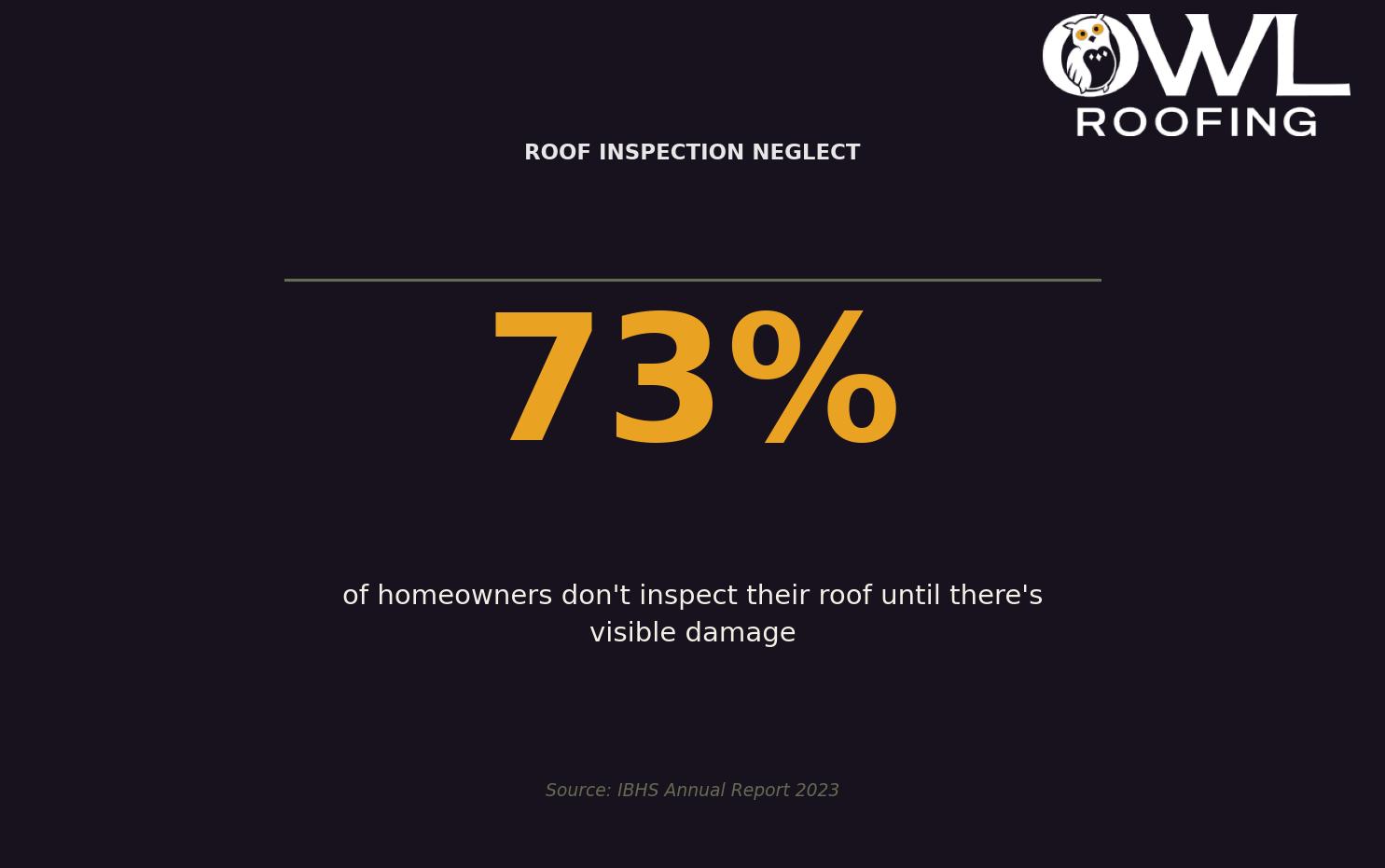
Here’s a number that might keep you up at night: 73% of homeowners don’t inspect their roof until they spot visible damage inside their home. By then? You’re not just paying for shingles—you’re paying for water damage, rotted decking, and maybe a new ceiling in your living room. If you’re a Twin Cities homeowner wondering whether your roofer should remove old roof shingles or just slap new ones on top, this question matters more than you think.
Let’s break down what actually happens during a roof replacement, why tearing off old shingles is usually the smarter move, and how Minnesota’s brutal weather makes this decision even more important. No jargon, no sales pitch—just the straight story so you can make a confident call for your home.
Why Removing Old Shingles Matters More Than You’d Think
When roofers remove old roof shingles before installing new ones, they’re not just creating extra work for themselves. They’re giving your roof a genuine fresh start. Here’s how that plays out:
The feature: Complete removal of existing shingles down to the roof deck.
The advantage: This exposes everything underneath—the plywood decking, the underlayment, any flashing around vents and chimneys. Your roofer can actually see what’s happening with your roof’s structure, not just guess.
The benefit to you: Hidden problems get caught and fixed before they’re buried under thousands of dollars worth of new materials. Water damage, soft spots, rot, mold—all of it gets addressed now instead of festering under your new shingles. The result? A roof that actually lasts as long as it’s supposed to, protecting your home through decades of Minnesota weather.
The National Roofing Contractors Association (NRCA) recommends a full tear-off as the gold standard for roof replacement. Why? Because they’ve seen what happens when shortcuts get taken. And in the Twin Cities, where your roof battles everything from ice storms to 90-degree summer days, starting clean isn’t just nice—it’s necessary.
Tear Off vs. Overlay: What’s the Real Difference?
You’ve got two basic options when it’s time for a new roof: tear off the old shingles completely, or overlay new shingles on top of what’s already there. Let’s look at both honestly.
The Full Tear Off: Doing It Right
A roof tear off means stripping every old shingle, removing the underlayment, and getting down to bare wood. From there, your roofer inspects every square foot of decking before anything new goes on.
The feature: Complete removal of all existing roofing materials.
The advantage over overlay: You get a full picture of your roof’s health. Soft spots in the decking? Fixed. Old flashing that’s starting to fail? Replaced. Moisture trapped under layers of old material? Gone. There’s no guessing about what you’re building on top of.
The benefit: Your new roof performs exactly as the manufacturer intended. Shingles lay flat and seal properly. Warranties stay valid. And you’re not gambling that the layer underneath is still solid—you know it is, because you saw it get inspected and repaired.
According to the National Association of Realtors (NAR), a new roof delivers a 105% return on investment. That number assumes the job was done right. A proper tear-off protects that investment by ensuring your roof has a solid foundation.
The Overlay: Tempting, But Risky
Overlaying means nailing new shingles directly over your existing layer. It’s faster and cheaper upfront, which makes it appealing. But here’s what you’re actually signing up for:
The feature: New shingles installed on top of old ones, skipping the removal step.
The advantage: Lower initial cost and faster installation time. That’s about it.
The downside (and it’s significant): You’re building on top of a mystery. Whatever’s happening under those old shingles—moisture damage, failing decking, deteriorating underlayment—stays hidden. And it doesn’t stop getting worse just because you can’t see it anymore.
There’s also the weight issue. A single layer of asphalt shingles weighs roughly 2-4 pounds per square foot. Double that, and you’re adding serious load to your roof structure. For older Twin Cities homes—especially those charming post-war ramblers and Cape Cods—that extra weight can stress rafters and trusses that weren’t designed for it. Add a heavy Minnesota snowfall on top, and you’re asking a lot of your roof’s bones.
Most shingle manufacturers also limit or void warranties on overlay installations. So that 30-year shingle you paid for? It might only be warrantied for 15 years—or not at all—if it’s layered over old material.
Why Minnesota Weather Makes This Decision Easy
If you’ve lived through a few Twin Cities winters, you know our climate doesn’t go easy on roofs. The specific challenges here make a strong case for always removing old shingles.
The Freeze-Thaw Cycle
Minnesota’s freeze-thaw cycle is murder on roofing materials. Water seeps into tiny cracks, freezes, expands, and forces those cracks wider. Repeat this a few hundred times between November and April, and small problems become big ones fast.
When old shingles stay in place, this cycle works on both layers. Moisture trapped between old and new shingles has nowhere to go—it just keeps freezing and thawing, slowly destroying your roof from the inside out. A tear-off eliminates that trapped moisture and lets your new roof shed water the way it’s designed to.
Ice Dams: Minnesota’s Specialty
According to the Census Bureau, Minnesota averages about 54 inches of snow per year. All that snow on your roof creates perfect conditions for ice dams—those thick ridges of ice that form at your roof’s edge and force water back up under your shingles.
Proper ice dam prevention starts at the deck level with good underlayment and correct installation. When you overlay shingles, you’re trusting that the old underlayment (which might be decades old) is still doing its job. A full tear-off lets your roofer install fresh ice-and-water shield in the valleys and along the eaves—the areas most vulnerable to ice dam damage.
Summer Heat and UV Exposure
Don’t forget our summers. Twin Cities roofs bake in 85-95 degree heat for months, with UV rays breaking down shingle materials year after year. Old shingles underneath a new layer trap heat, which accelerates aging of the new shingles above. Your brand-new roof starts degrading faster than it should.
Removing old shingles means better ventilation, proper heat dissipation, and shingles that age at a normal rate instead of cooking from both sides.
What Happens During a Professional Tear Off

Knowing what to expect helps you understand why this process is worth it. Here’s what a proper tear-off looks like, step by step:
Step 1: Initial Inspection
Before anything gets torn up, a good roofer walks your roof and inspects it from inside your attic if accessible. They’re looking for obvious problems—sagging areas, damaged flashing, signs of leaks—and noting anything that’ll need attention once the shingles come off.
Step 2: Old Shingle Removal
Using specialized tools, the crew strips off every shingle, working in sections. This generates a lot of debris, so expect your roofer to position tarps and a dumpster to catch everything. A professional crew protects your landscaping and siding during this process.
Step 3: Deck Inspection
This is where the real value of a tear-off shows up. With the decking exposed, your roofer checks every square foot for damage. They’re looking for:
- Soft or spongy spots indicating water damage or rot
- Mold or mildew growth
- Damaged or rusted flashing around penetrations
- Gaps, cracks, or warped boards
- Signs of animal intrusion or insect damage
Step 4: Repair Damages
Whatever the inspection turns up gets fixed before anything new goes on. Rotted decking gets cut out and replaced with new plywood. Damaged flashing gets removed and new flashing installed. Any issues with ventilation get addressed. This is your one chance to get everything right, and a thorough roofer takes it seriously.
Step 5: Install New Roofing System
With a solid, verified deck underneath, your roofer installs the complete new roofing system: underlayment, ice-and-water shield in vulnerable areas, drip edge, flashing, and finally the new shingles. Everything goes on flat, sealed properly, and ready to perform for decades.
The Cost Question: Is a Tear Off Worth the Extra Money?
Yes, a full tear-off costs more than an overlay—typically $1,000-$3,000 more depending on your roof’s size and complexity. But consider what you’re getting:
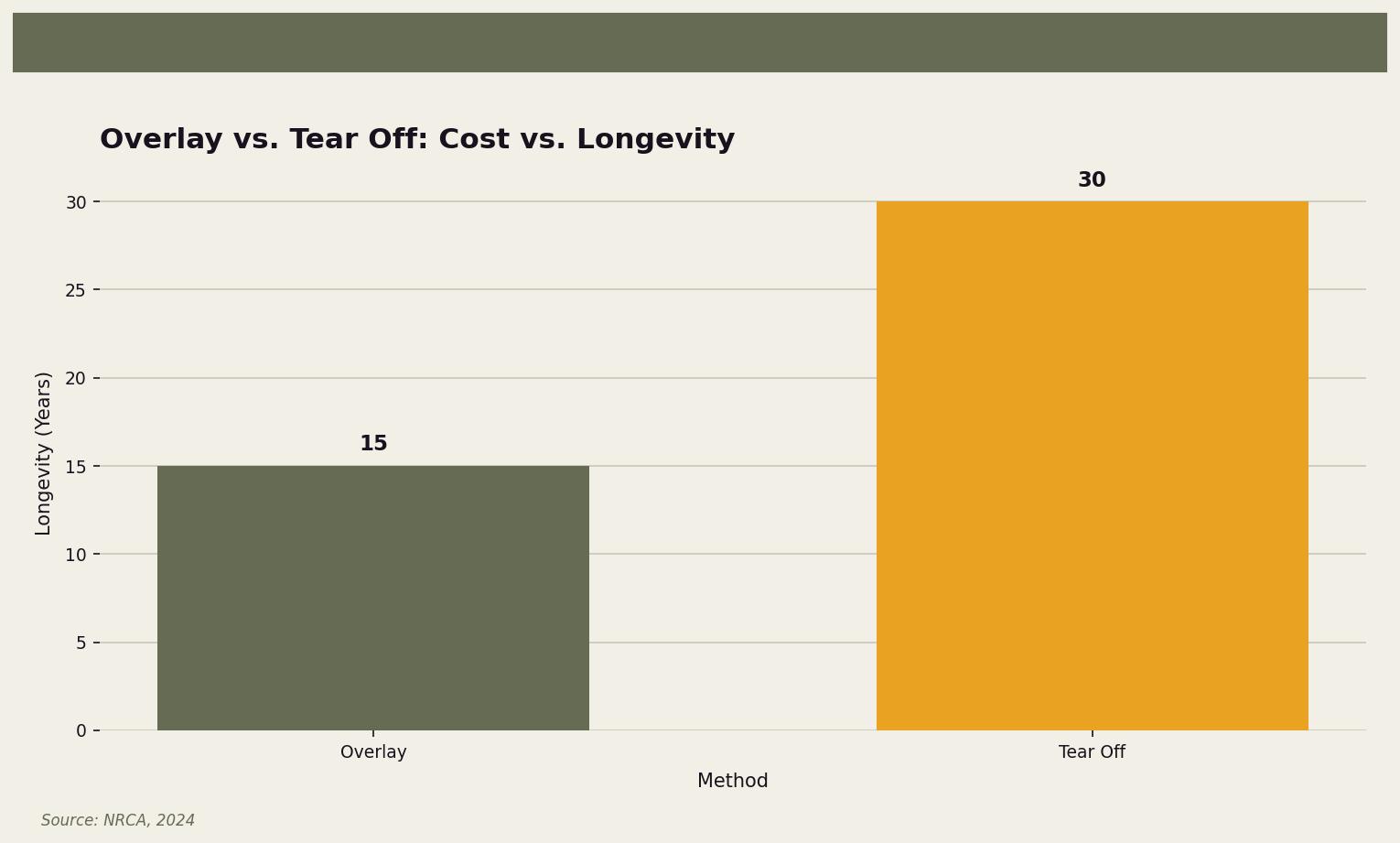
Longer lifespan: Tear-off roofs typically last 25-30 years or more. Overlay roofs often fail in 15-20 years because of the compromised foundation underneath. You’re potentially paying for one roof instead of two over the same time period.
Valid warranties: Most manufacturer warranties require proper installation over a clean deck. An overlay might void or limit your warranty coverage, leaving you unprotected if something goes wrong.
No hidden surprises: That rot or water damage hiding under old shingles? It doesn’t stop spreading just because you covered it up. Paying to fix it now costs less than paying to fix it later when it’s destroyed your new roof too.
Better resale value: Home inspectors can tell the difference between a properly installed roof and an overlay. Buyers notice. Appraisers notice. That 105% ROI assumes the roof was done right.
When Might an Overlay Make Sense?
In fairness, there are rare situations where an overlay isn’t crazy:
- You’re selling the house immediately and just need it to pass inspection
- The existing roof is recent (less than 10 years old) with no signs of any problems
- Local building codes allow it and structural analysis confirms your roof can handle the weight
- You’re on an extremely tight budget and understand you’re kicking the can down the road
Even in these cases, most experienced roofers will recommend the tear-off. The long-term math just works out better.
What to Ask Your Roofer
When you’re getting quotes for a new roof, ask these questions:
- Do you recommend a tear-off or overlay for my roof, and why?
- How will you inspect the decking, and what happens if you find damage?
- What underlayment do you use, especially in ice-dam-prone areas?
- Is your installation method compatible with the shingle manufacturer’s warranty?
- Can I see the deck before you cover it up?
A roofer who pushes hard for an overlay—especially without thoroughly explaining why—might be prioritizing speed over quality. Your roof is too important for shortcuts.
Ready to Talk About Your Roof?
If you're thinking about a new roof or wondering what shape your current one is in, we'd be happy to take a look. At Owl Roofing, we're a family-owned company based right here in Shoreview, serving homeowners across the Twin Cities. Tim, Bea, Noah, and Anya—we live here, we work here, and we've seen what Minnesota weather does to roofs over the years. We'll inspect your roof, tell you exactly what's going on, and give you honest options. No pressure, no gimmicks—just neighbors helping neighbors make smart decisions about their homes. Give us a call at 651-977-6027 or visit owlroofing.com/ to set up a free inspection. Protect Your Nest.
📍 Owl Roofing Serves the Entire Twin Cities Metro
Andover · Anoka · Apple Valley · Arden Hills · Big Lake · Blaine · Bloomington · Brooklyn Center · Brooklyn Park · Burnsville · Champlin · Chanhassen · Chaska · Columbia Heights · Coon Rapids · Cottage Grove · Crystal · deephaven · Delano · Eagan · East Bethel · Eden Prairie · Excelsior · Farmington · Forest Lake · Fridley · Golden Valley · Ham Lake · Hastings · Hopkins · Hugo · Inver Grove Heights · Lake Elmo · Lakeville · Lino Lakes · Mahtomedi · Maplewood · Mendota Heights · Minneapolis · Minnetrista · Mound · Mounds View · New Brighton · New Hope · North Oaks · North St. Paul · Oak Grove · Oakdale · Plymouth · Prior Lake · Ramsey · Richfield · Robbinsdale · Rosemount · Roseville · Saint Paul · Savage · Shakopee · Shoreview · South St. Paul · St. Louis Park · St. Michael · St. Paul · Stillwater · Vadnais Heights · Victoria · Waconia · wayzata · West St. Paul · White Bear Lake · woodbury
Licensed Minnesota roofing contractor · Free inspections · 10-year workmanship warranty · Get a free estimate →
