



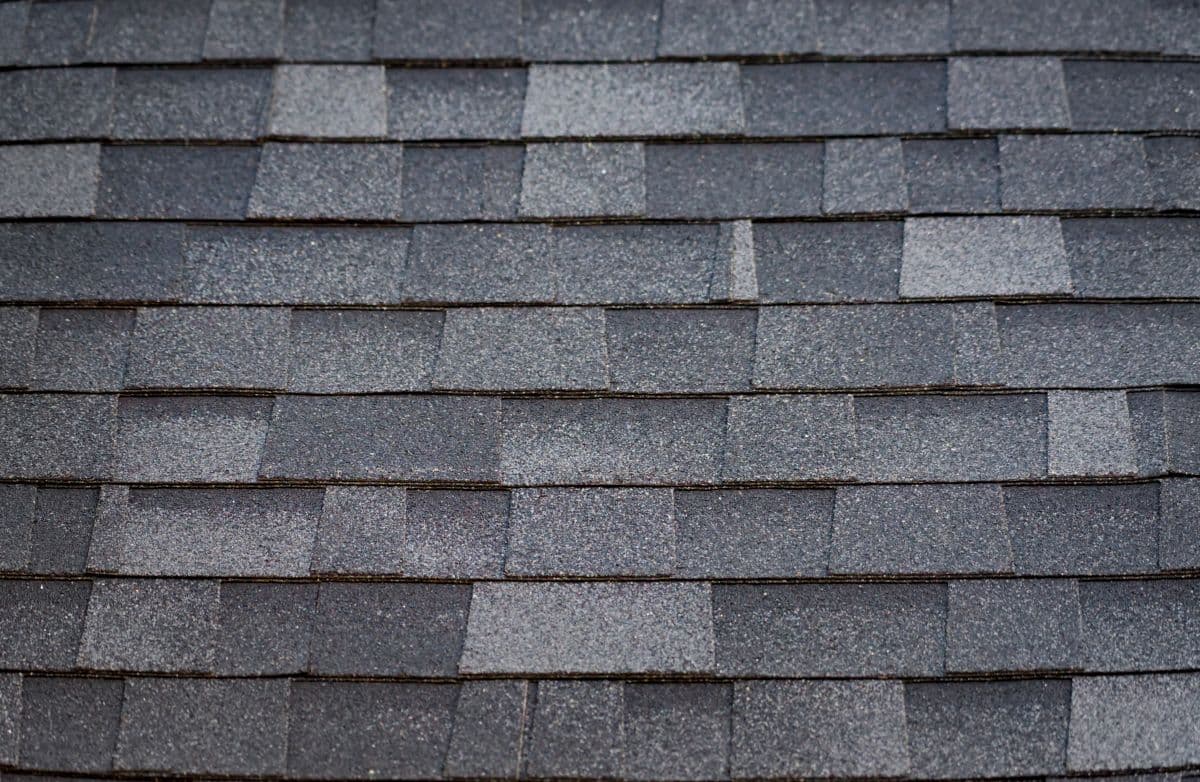
What Are Architectural Shingles? 5 Benefits, Cost & Lifespan
 14min Read
 Posted 5.29.2026
What are architectural shingles, and why have they become the default choice for residential roofing across nearly every climate zone in the United States? Also called dimensional or laminated shingles, architectural shingles are a multi-layered asphalt roofing product engineered to outperform traditional 3-tab shingles in durability, wind resistance, and curb appeal. This guide breaks down exactly what these shingles are made of, what they cost to install in 2026, how long they actually last, and how they stack up against the alternatives so homeowners can make a confident decision.
- Construction and materials: What architectural shingles are made of and how they differ from 3-tab.
- Real 2026 pricing: Installed cost ranges for typical Twin Cities home sizes.
- Lifespan expectations: Manufacturer ratings versus real-world performance in Minnesota conditions.
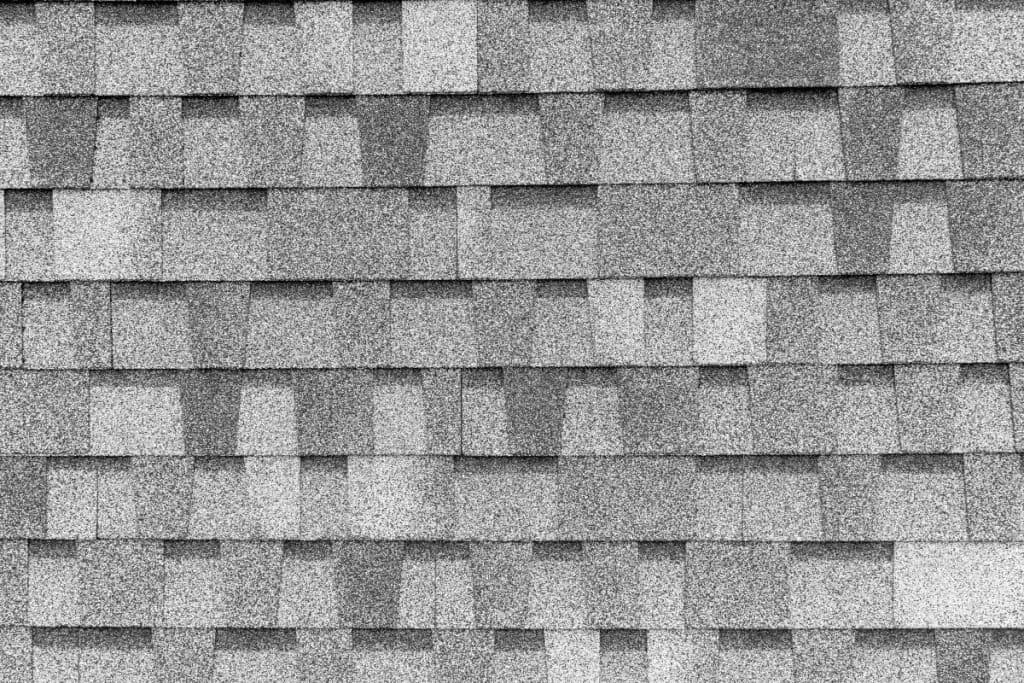
What Are Architectural Shingles Made Of?
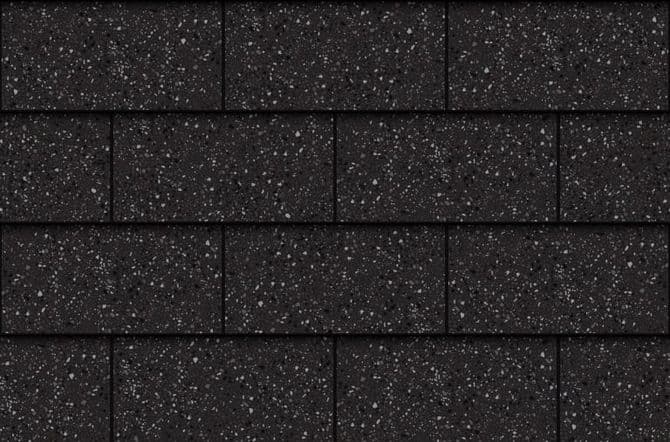
Architectural shingles are asphalt roofing shingles built with two or more layers of material laminated together to create a thicker, heavier, and more dimensional product than traditional 3-tab shingles. The base layer is a fiberglass mat, the body is asphalt coating, and the visible surface is ceramic-coated mineral granules that protect against UV and add color.
How Do Architectural Shingles Differ From 3-Tab Shingles?
The biggest difference between architectural and 3-tab shingles is structural: architectural shingles are laminated from two or more layers while 3-tab shingles use a single flat layer with cutouts that create three visible tabs. That added thickness gives architectural shingles roughly 30 to 50 percent more weight per square, which translates directly to better wind resistance, longer service life, and a dimensional appearance that mimics natural cedar shakes or slate. Most architectural shingles installed across Vadnais Heights and surrounding areas carry wind warranties between 110 and 130 mph, compared to roughly 60 to 70 mph for standard 3-tab products. The visual difference is equally significant, with architectural shingles producing varied shadow lines that read as textured from the curb while 3-tab shingles produce a flat, uniform pattern.
- Layer construction: Two or more laminated layers versus a single layer for 3-tab.
- Weight per square: 220 to 450 pounds versus roughly 200 pounds for 3-tab shingles.
- Wind resistance: Typical 110 to 130 mph ratings versus 60 to 70 mph for 3-tab.
- Visual depth: Dimensional shadow lines versus flat, uniform tab pattern.
What Components Make Up an Architectural Shingle?
Every architectural shingle is built from four primary components that work together to deliver weather resistance and longevity. The fiberglass mat provides structural strength and dimensional stability, the asphalt coating delivers waterproofing and flexibility, the ceramic granules block UV radiation and add color, and the self-sealing adhesive strip bonds shingles together once activated by heat. Premium architectural shingles also incorporate SBS modified asphalt for enhanced cold-weather flexibility and copper granules for algae resistance. The quality of each component directly affects performance, which is why brand selection matters more than most homeowners realize.
- Fiberglass mat: The structural backbone providing tear resistance and dimensional stability.
- Asphalt coating: Weatherproofing layer that flexes with temperature changes.
- Mineral granules: Ceramic-coated surface that blocks UV and provides color.
- Sealing strip: Heat-activated adhesive that bonds shingles together for wind resistance.
5 Key Benefits of Architectural Shingles for Homeowners
Architectural shingles dominate the residential roofing market because they deliver real, measurable advantages over both budget and premium alternatives. The five benefits below explain why nearly every new roof installed in Vadnais Heights and surrounding areas now uses architectural shingles rather than older 3-tab products.
1. Superior Wind Resistance Performance
Architectural shingles carry wind warranty ratings between 110 and 130 mph as a baseline, with premium products like GAF Timberline HDZ qualifying for the WindProven Limited Wind Warranty that has no maximum wind speed limit when installed with the required accessories. That performance comes from the laminated construction, which creates a stronger nailing zone and a heavier shingle that resists lift-off in straight-line winds and gusts. For Minnesota homeowners who deal with summer derechos and occasional tornado spin-up events, wind resistance is not a luxury feature. Real-world claim data shows that homes with architectural shingles file roughly 60 percent fewer wind damage claims than comparable homes with 3-tab roofs, which translates directly into lower insurance deductibles paid over the life of the roof.
- Baseline 110 to 130 mph: Standard wind warranty range across major brands.
- No-cap upgrade available: GAF WindProven warranty has no maximum wind speed limit.
- Heavier construction: Added weight reduces lift potential during high-wind events.
- Reinforced nail zones: Laminated layers create stronger fastener-holding areas.
2. Longer Real-World Lifespan
Architectural shingles deliver substantially longer service life than 3-tab products under identical conditions, which is the single biggest factor in long-term roof economics. According to the International Association of Certified Home Inspectors, the standard estimated life expectancy for architectural asphalt shingles is 30 years compared to 20 years for 3-tab asphalt shingles. Real-world performance in Minnesota typically lands at 25 to 30 years for properly installed architectural shingles with adequate attic ventilation, compared to 15 to 20 years for 3-tab shingles in the same conditions. The math favors architectural shingles even before considering the appearance and warranty advantages, since the cost premium over 3-tab is usually less than 20 percent while the lifespan gain is closer to 50 percent.
- 30 year industry standard: InterNACHI estimated life expectancy for architectural shingles.
- Minnesota real-world range: 25 to 30 years with proper installation and ventilation.
- Cost-per-year advantage: Lower annualized cost despite higher upfront price.
- Ventilation dependency: Attic ventilation quality directly affects achieved lifespan.
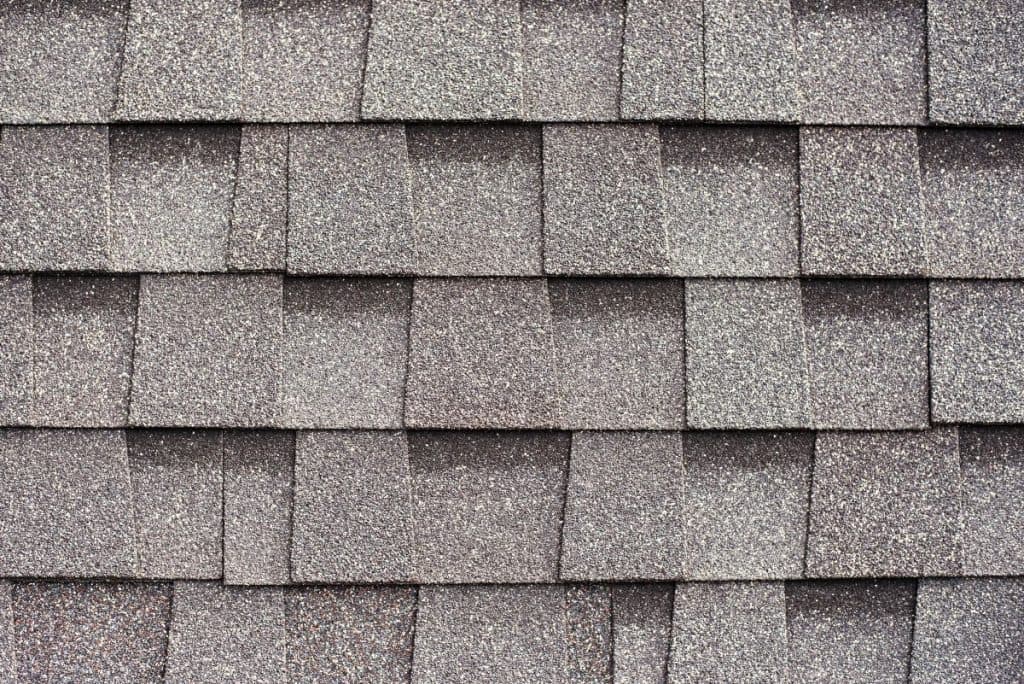
3. Stronger Curb Appeal and Resale Value
Architectural shingles produce a textured, dimensional appearance that closely mimics premium roofing materials like cedar shakes or natural slate at a fraction of the cost. The multi-tone granule blends create shadow lines and visual depth that read as varied and natural from the curb rather than the flat, uniform appearance of 3-tab products. Real estate appraisers consistently recognize architectural shingle roofs as a value-add feature in resale comparables, with most studies showing roof replacements recover 60 to 70 percent of cost at sale when architectural products are used. Homeowners across Vadnais Heights and surrounding areas have access to more than 30 color blends from major manufacturers, making it easy to coordinate the roof with siding, trim, and neighborhood context.
- Dimensional appearance: Mimics cedar shake or slate without the maintenance burden.
- Wide color selection: Typically 20 to 30 color blends per manufacturer.
- Resale recovery: 60 to 70 percent of replacement cost typically recovered at sale.
- Neighborhood compatibility: Color and style options that match Twin Cities exterior trends.
4. Better Hail and Impact Performance
The laminated construction of architectural shingles provides meaningfully better hail resistance than single-layer 3-tab products, with the doubled material thickness absorbing impact energy that would crack or puncture thinner shingles. Premium architectural products like Timberline UHDZ and Timberline AS II carry formal UL 2218 Class 4 impact ratings, the highest rating available, which qualifies the roof for insurance premium discounts in many Minnesota counties. Even standard architectural shingles without a Class 4 rating consistently outperform 3-tab products in post-storm inspections, with significantly fewer punctures, bruises, and granule loss patterns following hail events. For homeowners in hail-prone neighborhoods, the architectural upgrade pays for itself through both lower repair costs and reduced insurance premiums.
- Laminated absorbs impact: Double-layer construction dissipates hail energy better than single-layer.
- Class 4 upgrade path: UHDZ and AS II available for maximum impact rating.
- Insurance discount eligibility: Many MN carriers reduce premiums for Class 4 roofs.
- Lower repair frequency: Fewer post-storm repairs needed compared to 3-tab roofs.
5. Stronger Warranty Coverage
Architectural shingles routinely carry Lifetime Limited Warranties from major manufacturers, with non-prorated coverage during the first 10 years and prorated coverage thereafter for as long as the original homeowner owns the property. That coverage is significantly stronger than the 20 to 30 year warranties typical of 3-tab products, and the enhanced warranty options available through certified contractors like the GAF Golden Pledge or Owens Corning Platinum Protection extend both the non-prorated period and the workmanship coverage. Algae warranties on architectural shingles also tend to be longer, with GAF StainGuard Plus running 25 years and Owens Corning StreakGuard offering comparable protection. For Vadnais Heights and surrounding areas homeowners, the warranty depth matters because Minnesota’s freeze-thaw cycles and storm frequency increase the likelihood of needing to use the warranty at some point.
- Lifetime coverage standard: Limited lifetime warranties on most architectural products.
- Enhanced warranty access: Certified contractors offer extended coverage tiers.
- 25 year algae protection: Long algae coverage on premium architectural lines.
- Transferable to next owner: Warranties typically transfer once to a subsequent owner.
How Much Do Architectural Shingles Cost in 2026?
The installed cost of an architectural shingle roof depends on roof size, pitch, complexity, accessory selections, and local labor rates, but most Minnesota homeowners fall within a predictable range in 2026. Pricing has stabilized after several years of material cost increases, making this a reasonable year to budget for a roof replacement.
What Is the Per-Square-Foot Cost?
Architectural shingles typically install at $7.50 to $10.50 per square foot in the Twin Cities metro in 2026, including tear-off of the old roof, installation of the new roof system, all accessories, and disposal. That puts a standard 2,000 square foot home in the $15,000 to $21,000 range, with simpler ranch-style roofs trending toward the lower end and complex two-story homes with multiple slopes trending higher. The wide range reflects real differences in pitch, accessibility, layer count, and decking condition rather than arbitrary pricing variation. Owl Roofing provides free written estimates with line-item pricing across Vadnais Heights and surrounding areas, so homeowners can see exactly where the budget is going before committing.
- 2026 installed range: $7.50 to $10.50 per square foot in the Twin Cities metro.
- Typical 2,000 sq ft home: $15,000 to $21,000 for a complete system.
- Pitch impact: Steeper roofs cost more due to labor and safety requirements.
- Decking surprises: Rotted decking discovered during tear-off adds $2 to $4 per square foot.
What Affects the Final Price?
Several factors push the final price up or down within the typical range, and understanding them helps homeowners budget accurately rather than relying on rough averages. Roof complexity drives labor cost most significantly, since cut-up roofs with valleys, dormers, skylights, and multiple pitches require more time and material than simple gable roofs. Material upgrades like Class 4 impact-rated shingles or premium designer products like Glenwood or Camelot II add roughly $1 to $3 per square foot depending on the product. Accessory choices also matter, with full GAF or Owens Corning system installations costing more than basic installations but unlocking enhanced warranty coverage. Finally, the condition of the existing roof decking can add cost if extensive replacement is needed after tear-off.
- Roof complexity: Cut-up roofs with valleys and dormers cost more than simple gables.
- Material tier: Class 4 and designer products add $1 to $3 per square foot.
- System upgrades: Full manufacturer systems cost more but unlock enhanced warranties.
- Decking repair: Damaged plywood or OSB replacement adds to the final total.
How Long Do Architectural Shingles Last?
Architectural shingle lifespan depends on installation quality, attic ventilation, regional weather exposure, and product tier, with significant variation across those factors. Understanding the realistic range helps homeowners plan for replacement well before failure occurs.
What Is the Average Service Life in Minnesota?
A properly installed architectural shingle roof in Minnesota typically delivers 25 to 30 years of service life when paired with adequate attic ventilation and routine maintenance. The state’s freeze-thaw cycles and storm frequency place architectural shingles on the lower end of the InterNACHI 30-year estimated life expectancy, but a roof that reaches 28 years in Vadnais Heights and surrounding areas is well within normal expectations. Premium products like Timberline UHDZ and Camelot II often extend to 30 to 35 years thanks to heavier construction and stronger granule retention. The most common cause of premature failure in Minnesota is inadequate attic ventilation, which traps heat that bakes the shingle from below and accelerates granule loss across the entire roof.
- 25 to 30 years typical: Standard architectural shingles with proper installation.
- 30 to 35 years premium: Designer and impact-rated products with heavier construction.
- Ventilation critical: Inadequate attic airflow can cut lifespan by 5 to 10 years.
- Storm exposure: Severe hail or wind events can shorten the achievable lifespan.
How Can Homeowners Extend the Lifespan?
The biggest factors in maximizing architectural shingle lifespan are installation quality, attic ventilation balance, and regular inspection and maintenance. Installation matters because misaligned nails, inadequate sealing, and rushed work can shave years off the achievable lifespan even on premium shingles. Ventilation matters because trapped heat and moisture degrade both shingles and roof decking from below. Regular inspections catch small issues like lifted shingles, exposed fasteners, or damaged flashing before they become leaks or systemic failures. Owl Roofing offers a maintenance program that includes annual inspections and minor repairs, which consistently extends roof life and protects warranty eligibility.
- Quality installation: Certified contractor installation prevents most premature failures.
- Balanced ventilation: Equal intake and exhaust airflow protects shingles and decking.
- Annual inspections: Early detection prevents small issues from becoming systemic failures.
- Prompt repairs: Addressing minor damage quickly preserves warranty eligibility.
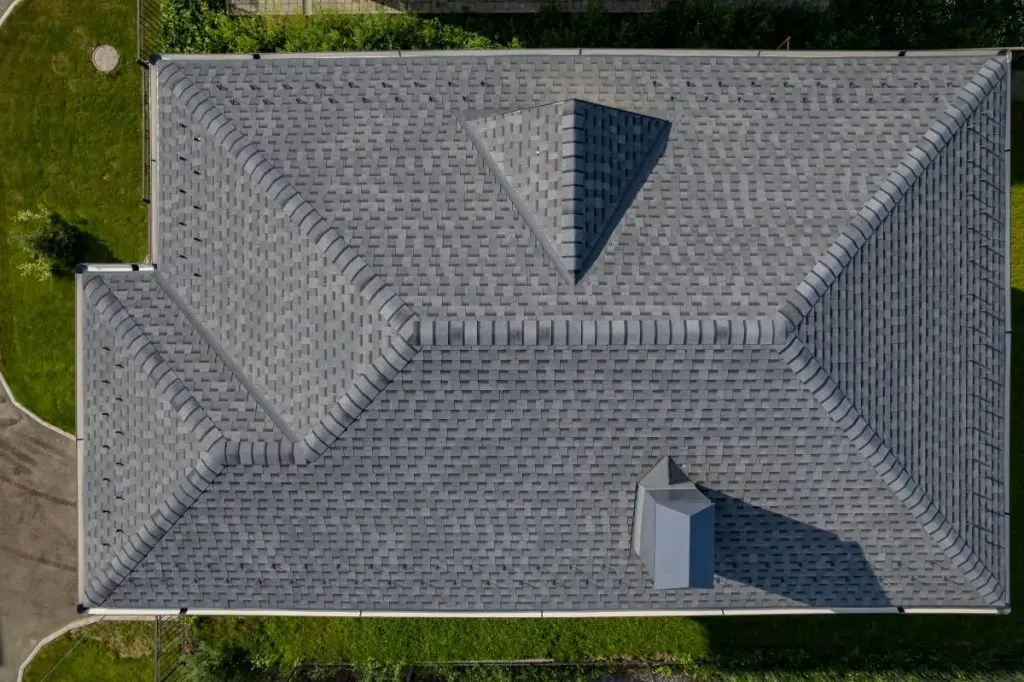
Frequently Asked Questions
Are Architectural Shingles Worth the Extra Cost?
Yes, architectural shingles are worth the premium over 3-tab for nearly all Minnesota homeowners because the lifespan increase, wind resistance, and warranty coverage typically outweigh the modest cost difference. The cost premium is usually 15 to 20 percent while the lifespan gain is roughly 50 percent, making the annualized cost lower for architectural products. Resale value and insurance considerations strengthen the case further.
How Long Do Architectural Shingles Last in Minnesota?
Properly installed architectural shingles typically last 25 to 30 years in Minnesota, landing slightly below the 30-year industry standard due to freeze-thaw cycles and storm exposure. Premium products like Timberline UHDZ or Camelot II can reach 30 to 35 years with proper ventilation. Inadequate attic airflow is the most common cause of premature failure.
Can Architectural Shingles Be Installed Over Existing Shingles?
Some jurisdictions allow architectural shingles to be installed over a single existing layer of shingles, but Owl Roofing recommends complete tear-off in almost every case because layovers void most manufacturer warranties and prevent inspection of the underlying decking. Layovers also trap heat between the layers, accelerating wear on both. Tear-off is the standard practice for any quality roof replacement.
What Is the Difference Between Architectural and Dimensional Shingles?
There is no difference between architectural and dimensional shingles. The two terms are used interchangeably by manufacturers and contractors to describe the same multi-layered laminated asphalt shingle product. Some brands also use the term laminated shingles for the same category.
Do Architectural Shingles Come in Class 4 Impact-Rated Versions?
Yes, several major manufacturers offer Class 4 impact-rated architectural shingles, including GAF Timberline UHDZ, GAF Timberline AS II, Owens Corning Duration Storm, and CertainTeed NorthGate. Class 4 shingles must pass UL 2218 testing where a steel ball is dropped from height onto the shingle without producing visible cracks. Many Minnesota insurance carriers offer premium discounts for verified Class 4 roofs.
Will Architectural Shingles Increase My Home’s Value?
Yes, architectural shingles typically deliver 60 to 70 percent cost recovery at resale according to standard remodeling value studies, which is among the strongest recovery rates for any exterior improvement. The dimensional appearance also improves curb appeal, which can speed up the sale itself. Appraisers consistently recognize architectural shingle roofs as a value-add feature in comparable home analyses.
Why Owl Roofing Is the Right Choice for Your Architectural Shingle Roof
Architectural shingles deliver the strongest combination of performance, longevity, and value for nearly every Minnesota home in 2026, but the installation quality matters as much as the product selection. Owl Roofing brings certified installation expertise for GAF and Owens Corning products, insurance claims specialization, emergency repair availability, fast turnaround on quotes and installations, free inspections with detailed written estimates, financing options for any budget, and a maintenance program designed to protect the roof investment for decades. Every architectural shingle roof installed by Owl Roofing across Vadnais Heights and surrounding areas comes with the full manufacturer warranty package plus Owl Roofing’s own workmanship guarantee.
Ready to find out which architectural shingle product is right for your home? Reach out to Owl Roofing today to schedule a free inspection and get a detailed written estimate with no pressure and no obligation.

Recent Articles
Explore The Blog