


What Causes Roof Leaks and How to Stop Them
 11min Read
 Posted 11.16.2025
What Causes Roof Leaks and How to Stop Them
That brown spot on your ceiling? It’s not going away on its own. And here in the Twin Cities, where we get hammered by ice storms in January and surprise thunderstorms in July, that little stain is usually the first warning sign of a much bigger problem brewing overhead.
- Lawn swept 3x with magnets
- Storm restoration specialists
- We actually answer: (651) 977-6027
 5.0 · 90+ reviews
 Accredited
Owl is the local family-owned roofer that actually cares.
250+ Twin Cities families have trusted us with their homes. Book a free inspection and see why.
★★★★★“We couldn’t be happier with how everything turned out. From the beginning to the end, the whole experience was great.”
Rob Larson, Local Homeowner + Owl Customer
A real person calls you back, usually within the hour.
Here’s the thing about roof leaks: they’re sneaky. By the time you notice water dripping into your living room, the damage has already been working its way through your roof deck, insulation, and framing for weeks—sometimes months. And ignoring it? That’s how a $500 repair turns into a $15,000 nightmare involving mold remediation, rotted trusses, and an emergency tarp situation in the middle of February.
The good news is that most roof leaks follow predictable patterns. Once you understand the common roof leak causes—especially the ones that hit Minnesota homes hardest—you can catch problems early, fix them fast, and keep your home dry for decades.
Why Twin Cities Homeowners Can’t Afford to Ignore This
Let’s talk numbers, because this isn’t just about inconvenience. According to the Insurance Information Institute, water damage is the second most common cause of homeowner insurance claims, averaging around $11,098 per claim. That’s not a typo. Eleven thousand dollars—and that’s the average, meaning plenty of homeowners pay far more.
Now factor in what Minnesota weather does to roofs. We’re not dealing with gentle Pacific Northwest drizzle here. We get:
- Sub-zero temperatures that make materials brittle and crack
- Heavy snow loads that stress your roof structure
- Ice dams that trap water right where it can do the most damage
- Violent summer storms with hail, high winds, and sideways rain
- Freeze-thaw cycles that work at seams and seals like a crowbar
Your roof takes a beating every single season. And unlike homeowners in milder climates who might get away with “set it and forget it” roofing, Twin Cities residents need to stay ahead of these issues—or pay the price later.
The Usual Suspects: Common Roof Leak Causes

Poor Installation (The Gift That Keeps on Leaking)
This one hurts because it’s completely preventable—and completely invisible until it’s too late. According to the National Roofing Contractors Association (NRCA), an improperly installed roof can fail within a year. One year. That’s a brand-new roof already causing water damage because someone cut corners or didn’t know what they were doing.
Poor installation shows up in a lot of ways:
- Shingles nailed too high or too low (yes, there’s a correct nail placement zone)
- Inadequate underlayment or ice-and-water shield
- Flashing that’s improperly sealed or skipped entirely
- Ventilation that’s blocked, missing, or incorrectly balanced
The worst part? Most homeowners don’t discover installation problems until they’re filing an insurance claim. By then, the damage is done, and tracking down the original installer—especially if they were storm chasers passing through town—is nearly impossible.
Age and Wear (Father Time Is Undefeated)
Even a perfectly installed roof has an expiration date. Asphalt shingles, the most common roofing material in our area, typically last 20-30 years depending on the product quality and how well they’ve been maintained. As they age, shingles become brittle, lose their granules (those sandy bits that protect against UV damage), and start curling at the edges.
Here’s a stat that should make every homeowner nervous: The IBHS notes that nearly 73% of homeowners don’t inspect their roof until there’s visible damage. That means three out of four people are waiting for a leak to tell them something’s wrong—instead of catching worn shingles, cracked seals, or damaged flashing before water gets in.
Your roof ages quietly. It doesn’t send you reminders or flash warning lights. And in Minnesota, where extreme temperature swings accelerate wear, a roof that looks fine from the ground might be months away from its first leak.
Minnesota’s Greatest Hits: Regional Roof Threats
Ice Dams (Our Cold-Weather Nemesis)
If you’ve lived in the Twin Cities for more than one winter, you’ve probably seen ice dams—those thick ridges of ice that form along roof edges, sometimes with dramatic icicles hanging off them. They look almost festive. They’re actually a disaster in progress.
Here’s how ice dams form:
- Heat escapes from your living space into the attic
- That heat warms the roof deck, melting snow from underneath
- Meltwater runs down toward the eaves, which stay cold because they extend past the heated space
- Water refreezes at the eaves, creating a dam
- More meltwater backs up behind the dam and seeps under shingles
According to the Insurance Institute for Business & Home Safety (IBHS), ice dams are responsible for significant winter roof damage in colder climates. And “significant” is putting it mildly. We’ve seen ice dam damage destroy ceilings, ruin insulation, soak wall cavities, and create mold problems that took months to resolve.
The cruel irony? Ice dams are often caused by a too-warm attic—meaning the same heat loss that’s driving up your energy bills is also damaging your roof. Proper attic insulation and ventilation solve both problems, but most homeowners don’t realize the connection until water’s dripping through a light fixture.
Flashing Failures (The 90% Problem)
Flashing is the metal (usually aluminum or galvanized steel) that seals the joints where your roof meets other surfaces: chimneys, vents, skylights, dormers, and valleys. It’s not glamorous. It’s absolutely critical.
The NRCA highlights that flashing failures are responsible for up to 90% of roof leaks. Let that sink in. Nine out of ten leaks come from flashing problems—not missing shingles, not hail damage, not age. Flashing.
Flashing fails when:
- Sealant dries out and cracks (usually after 10-15 years)
- Metal corrodes or develops holes
- It’s pulled away by thermal expansion and contraction
- It was improperly installed in the first place (see above)
In Minnesota, our extreme temperature swings—we routinely see 100+ degree annual temperature ranges—put exceptional stress on flashing. Metal expands when it’s hot, contracts when it’s cold, and every cycle works at those seals a little more.
The Freeze-Thaw Cycle (Minnesota’s Slow-Motion Wrecking Ball)
Speaking of temperature swings: the freeze-thaw cycle is one of the most underestimated threats to Twin Cities roofs. Water gets into tiny cracks and gaps. It freezes and expands (water expands about 9% when it becomes ice). That expansion widens the crack. Water thaws, seeps deeper into the new larger crack, and freezes again.
Repeat this hundreds of times every winter, and you’ve got a recipe for serious damage. The Minneapolis-St. Paul area also experiences high humidity in summer, which means moisture is constantly looking for ways into your roof system. Between freeze-thaw damage and humidity intrusion, our roofs face year-round assault.
What You Can Actually Do About It
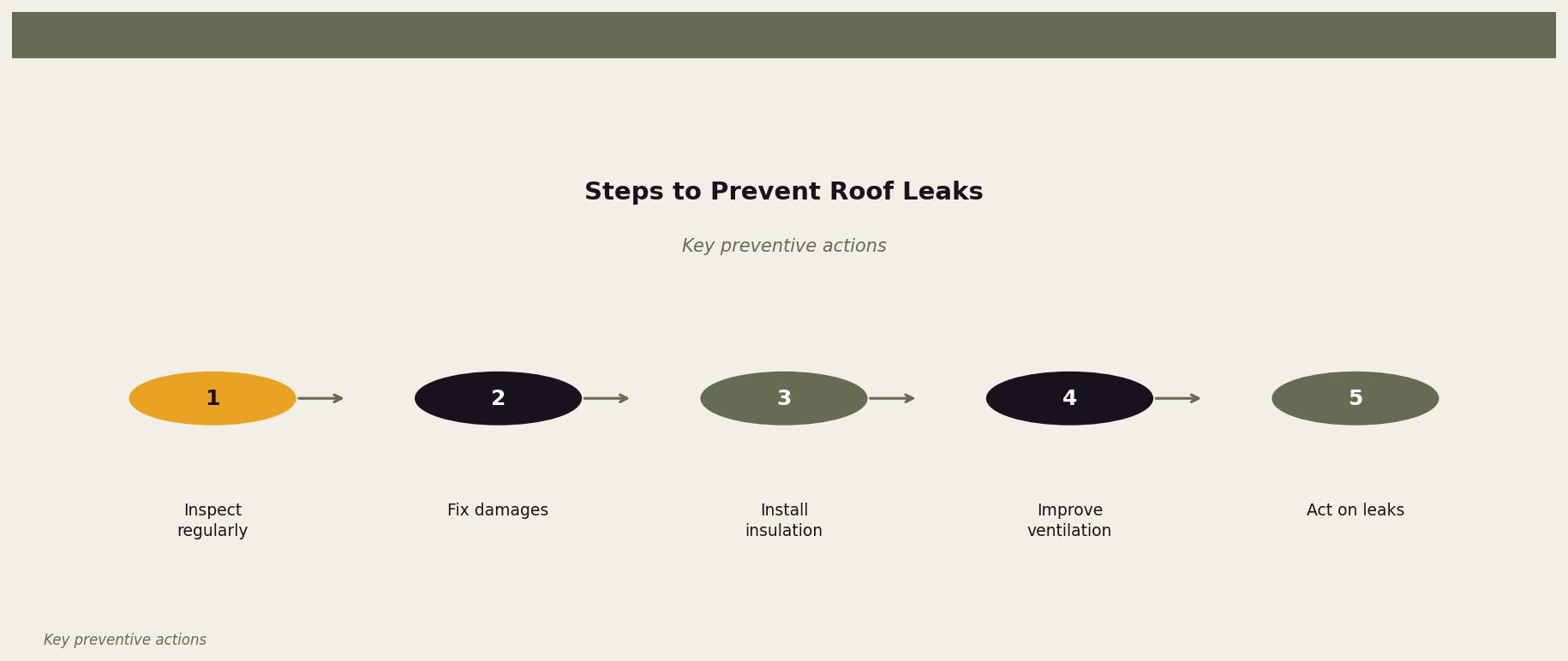
Alright, enough doom and gloom. The whole point of understanding roof leak causes is taking action before you’re dealing with the consequences. Here’s your game plan:
Get Regular Inspections (Yes, Really)
Schedule professional roof inspections twice a year—ideally in spring (after winter’s worst) and fall (before winter arrives). Also get an inspection after any major storm with hail or high winds. A trained eye can spot worn flashing, damaged shingles, and early ice dam risks that you’d never see from the ground.
Don’t Ignore the “Small Stuff”
See a shingle that’s curling? A small rust spot on flashing? A few extra granules in your gutters? These aren’t minor cosmetic issues. They’re early warning signs. Fixing a loose shingle costs almost nothing. Fixing the water damage from a loose shingle you ignored for two years costs thousands.
Address Attic Issues
If you’re getting ice dams, the problem isn’t just your roof—it’s your attic. Proper insulation keeps heat in your living space (where it belongs). Proper ventilation lets any escaped heat exit before it melts snow. Together, they’re your best defense against ice dam formation.
Fix Problems Immediately
When you find damage, don’t wait. Water doesn’t take breaks. A small leak in October becomes a major leak by December—right when contractors are booked solid and emergency repairs cost double. The best time to fix roof damage is the moment you discover it.
Choose Your Roofer Carefully
Remember that stat about poor installation causing roof failure within a year? Your choice of contractor matters enormously. Look for local companies with established reputations—not storm chasers who show up after hail season and disappear before you can call about warranty issues.
Protect Your Home Before the Next Storm
Look, nobody wants to think about their roof. It’s not exciting. It doesn’t spark joy. But it’s literally the one thing standing between your family and Minnesota’s worst weather—and when it fails, everything underneath it is at risk.
The homeowners who avoid the $11,000 insurance claims and the emergency mold remediation and the February tarp situations are the ones who take roof maintenance seriously. They get inspections. They fix small problems. They work with contractors who know Minnesota conditions and stick around to stand behind their work.
At Owl Roofing, we've been helping Twin Cities homeowners protect their homes for over fifteen years combined. We're based right here in Shoreview—not flying in from out of state, not franchising someone else's name, not chasing storms and disappearing. We're your neighbors, and we've seen every type of roof leak Minnesota weather can cause. When you're ready to get your roof inspected, repaired, or replaced, give us a call at 651-977-6027 or visit owlroofing.com/. We'll take a look, tell you exactly what's going on, and help you make the right call for your home. Protect Your Nest.
📍 Owl Roofing Serves the Entire Twin Cities Metro
Andover · Anoka · Apple Valley · Arden Hills · Big Lake · Blaine · Bloomington · Brooklyn Center · Brooklyn Park · Burnsville · Champlin · Chanhassen · Chaska · Columbia Heights · Coon Rapids · Cottage Grove · Crystal · deephaven · Delano · Eagan · East Bethel · Eden Prairie · Excelsior · Farmington · Forest Lake · Fridley · Golden Valley · Ham Lake · Hastings · Hopkins · Hugo · Inver Grove Heights · Lake Elmo · Lakeville · Lino Lakes · Mahtomedi · Maplewood · Mendota Heights · Minneapolis · Minnetrista · Mound · Mounds View · New Brighton · New Hope · North Oaks · North St. Paul · Oak Grove · Oakdale · Plymouth · Prior Lake · Ramsey · Richfield · Robbinsdale · Rosemount · Roseville · Saint Paul · Savage · Shakopee · Shoreview · South St. Paul · St. Louis Park · St. Michael · St. Paul · Stillwater · Vadnais Heights · Victoria · Waconia · wayzata · West St. Paul · White Bear Lake · woodbury
Licensed Minnesota roofing contractor · Free inspections · 10-year workmanship warranty · Get a free estimate →
