




New Roof Cost What Homeowners Should Expect
 15min Read
 Posted 11.06.2025
🦉 Roof Replacement Cost Calculator
Ballpark your Minnesota roof replacement cost by size, material & complexity.
Ballpark estimate for the Twin Cities market — includes tear-off, materials & labor for a typical single-layer replacement. Decking repairs, permits, and code items (like ice & water shield coverage) can shift the final number. The only way to know for sure is a free inspection with real measurements.
Price My Roof — Free Estimate →New Roof Cost: What Homeowners Should Expect
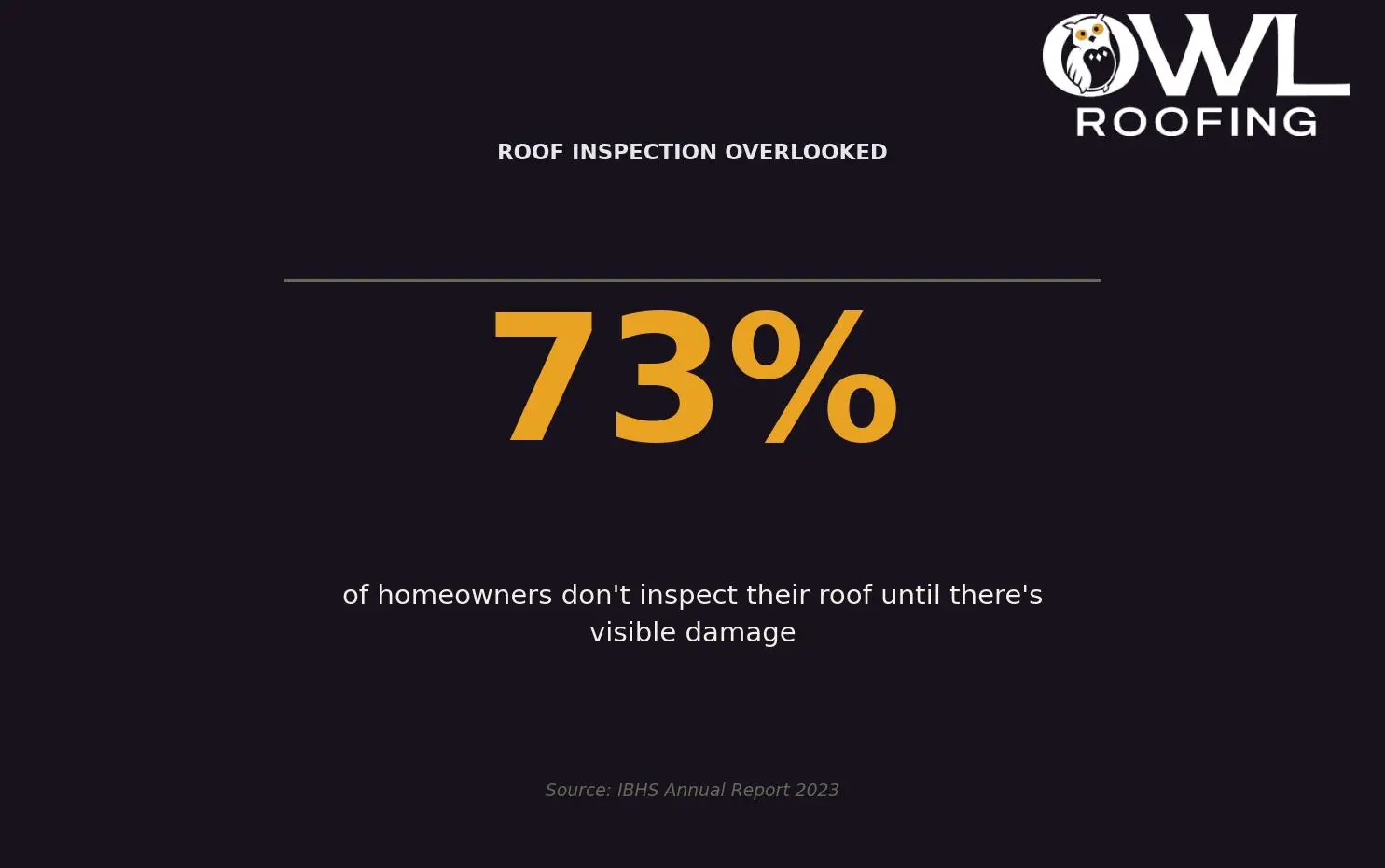
Here’s a stat that might make you wince: 73% of homeowners don’t inspect their roof until something’s already gone wrong. And by “wrong,” we mean water dripping onto your kitchen table during a February ice storm, or discovering that suspicious ceiling stain has been quietly growing for months. If you’ve landed on this page, you’re probably wondering what a new roof actually costs — and whether you can put it off a little longer.
Short answer? In the Twin Cities, you’re looking at anywhere from $5,000 to $11,000 for most homes. But that number alone doesn’t tell the whole story. Let’s dig into what actually drives roof replacement costs, why ignoring the problem gets expensive fast, and how to make a smart decision for your home and your wallet.
The Real Cost of Waiting
We get it. Nobody wakes up excited to spend thousands of dollars on something you can’t even see from inside your house. But here’s the thing about roof problems: they’re patient. That small leak doesn’t announce itself with alarm bells. It starts as a tiny drip, maybe during the heaviest rains. Then it spreads. Water finds its way into your insulation, your attic framing, your walls. Mold sets up shop. And suddenly, that $8,000 roof replacement has become a $25,000 nightmare involving structural repairs, mold remediation, and a whole lot of stress.
Minnesota’s climate doesn’t do your roof any favors, either. Our freeze-thaw cycles are relentless — water seeps into tiny cracks, freezes, expands, and makes those cracks bigger. Repeat that a few hundred times over a winter, and you’ve got a recipe for accelerated deterioration. According to the Minnesota Department of Commerce, ice dams are one of the most common causes of roof leaks in our state, and they can cause serious interior damage if your roof isn’t up to the task.
The good news? Addressing roof issues before they spiral actually pays off. The National Association of Realtors reports that a new roof can recoup up to 109% of its cost at resale. That’s not just breaking even — that’s actually making money on the investment. A solid roof also means better energy efficiency, lower insurance premiums (some insurers offer discounts for newer roofs), and the kind of peace of mind that lets you actually enjoy a rainstorm instead of nervously eyeing the ceiling.
What Actually Determines Your New Roof Cost
When you call a roofer for an estimate, they’re not pulling numbers out of thin air. Several concrete factors determine what you’ll pay, and understanding them helps you make sense of the quotes you receive.
Roof Size and Square Footage
This one’s straightforward: more roof means more materials and more labor. Roofers measure in “squares” — a roofing square equals 100 square feet. A typical Twin Cities home might have anywhere from 15 to 30 squares, depending on the footprint and design. When you get an estimate, ask for the total square footage so you can compare quotes accurately.
Material Choices
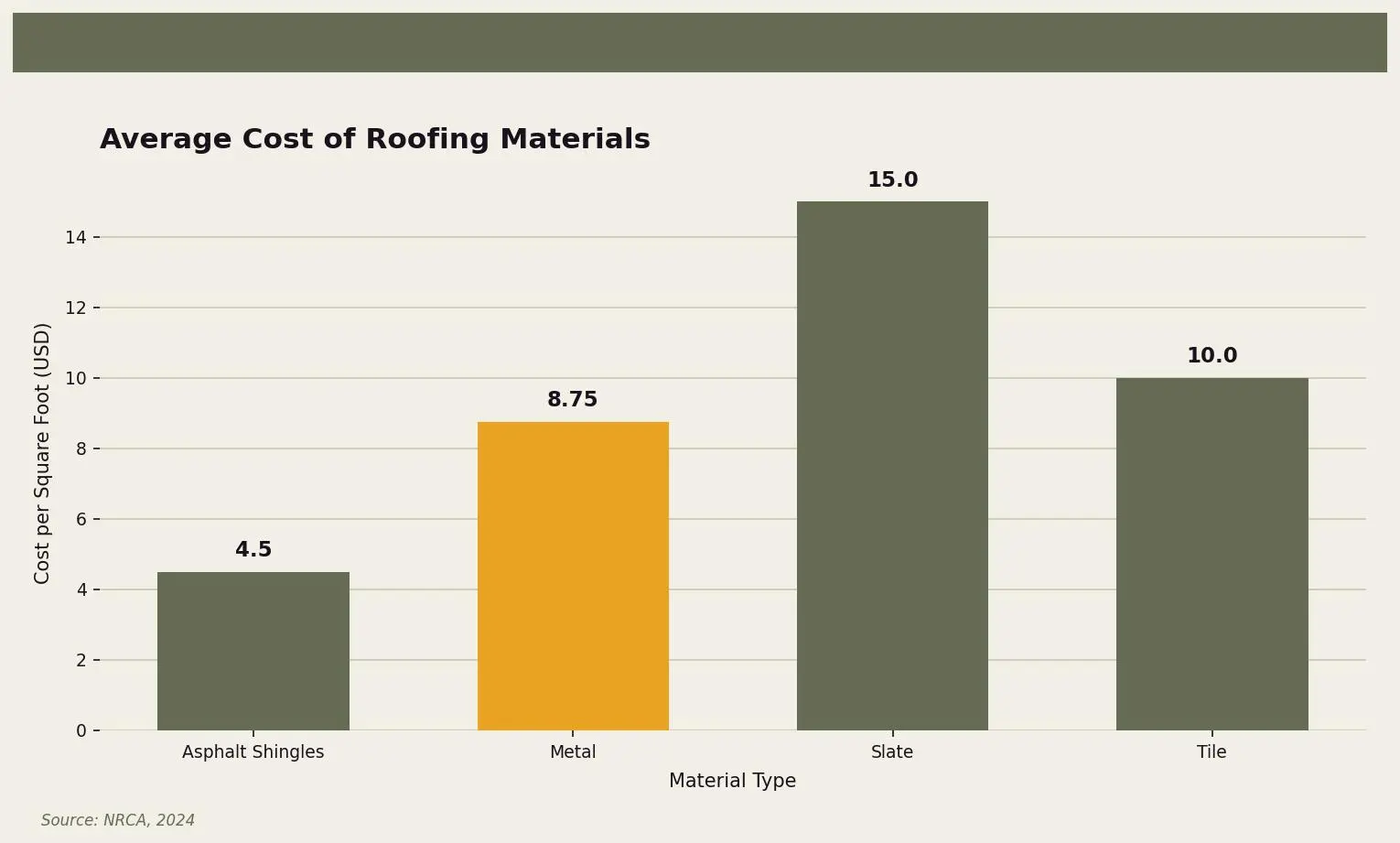
The material you choose has a massive impact on both upfront cost and long-term value. Here’s a realistic breakdown based on data from the National Roofing Contractors Association:
- Asphalt shingles: $1.50 to $5.50 per square foot installed. The workhorse of Midwest roofing — affordable, widely available, and perfectly suited to our climate. Most asphalt roofs last 20-30 years with proper maintenance.
- Metal roofing: $5.50 to $12.00 per square foot installed. Higher upfront cost, but metal roofs can last 40-70 years according to the Insurance Institute for Business & Home Safety. They’re also excellent at reflecting heat and shedding snow.
- Slate: $15.00+ per square foot installed. Beautiful and incredibly durable (we’re talking 75-100+ years), but the weight requires additional structural support, and installation is specialized.
- Tile: Around $10.00 per square foot installed. Popular in some architectural styles, though less common in Minnesota due to weight and freeze-thaw considerations.
Labor Costs
Here’s a number that surprises a lot of homeowners: according to the NRCA, labor accounts for about 60% of your total roof installation price. That’s not because roofers are overcharging — it’s because quality installation is genuinely skilled, physically demanding work. A crew needs to safely remove your old roof, inspect and repair the decking if needed, install underlayment and flashing correctly, and lay every shingle or panel to manufacturer specifications. Cutting corners here leads to leaks, wind damage, and voided warranties.
Roof Complexity
A simple ranch-style home with a straightforward gable roof costs less to replace than a Victorian with multiple dormers, valleys, chimneys, and skylights. Every angle, every penetration, every transition point requires careful flashing and sealing. More complexity means more time, more materials, and more opportunities for things to go wrong if the work isn’t done right.
Tear-Off and Disposal
If your existing roof needs to come off (and in most cases, it should — Minnesota building code typically allows a maximum of two layers of shingles), that adds labor and disposal costs. Some contractors include this in their base quote; others itemize it separately. Make sure you’re comparing apples to apples when reviewing estimates.
Permits and Code Compliance
Twin Cities municipalities require permits for roof replacements, and the work must meet current building codes. A reputable contractor handles this as part of the job, but it does factor into the overall cost. Code requirements in our area address things like ice and water shield installation, ventilation, and fastener patterns — all designed to help roofs survive Minnesota weather.
Breaking Down Average Costs for Twin Cities Homeowners
Let’s put real numbers to this. For a typical 2,000-square-foot Twin Cities home with a moderately complex roof, here’s what you can expect:
- Budget-friendly asphalt shingle roof: $5,000 – $7,500
- Mid-range architectural shingle roof: $7,500 – $11,000
- Premium asphalt or standing seam metal: $11,000 – $18,000
- High-end metal, slate, or specialty materials: $18,000+
The national average hovers around $8,500, and Twin Cities prices generally align with that. What moves you up or down the scale? Material choice is the biggest factor, followed by roof complexity and the condition of your existing decking.
Asphalt vs. Metal: Which Makes Sense for Minnesota?
This is one of the most common questions we hear from homeowners weighing their options. Both materials work well in our climate, but they offer different trade-offs.
Asphalt Shingles: The Reliable Choice
There’s a reason asphalt shingles dominate the residential roofing market. They’re affordable, come in countless colors and styles, and perform reliably through Minnesota’s temperature swings. Modern architectural shingles (the thicker, more dimensional kind) offer better wind resistance and longer lifespans than the basic 3-tab variety. Most manufacturers offer 25-30 year warranties, though actual lifespan depends heavily on installation quality and attic ventilation.
The downsides? Asphalt shingles are petroleum-based, so they’re not the most eco-friendly option. They’re also more susceptible to algae growth (those dark streaks you see on older roofs) and gradual granule loss over time.
Metal Roofing: The Long Game
Metal roofs cost roughly twice as much upfront, but they last two to three times longer. According to IBHS data, metal roofs can last 40-70 years compared to 20-30 years for asphalt. They’re also lighter, more fire-resistant, and excellent at shedding snow and ice — a real advantage during Minnesota winters.
Energy efficiency is another plus. Metal reflects solar heat in summer (reducing cooling costs) and works well with proper insulation in winter. Many metal roofs are made from recycled materials and are 100% recyclable at end of life, making them appealing for environmentally conscious homeowners.
The trade-off? Higher upfront investment, and you’ll need a contractor experienced with metal installation. The techniques are different from shingle work, and poor installation leads to issues with expansion, noise, and leaks.
Environmental and Energy Considerations
Your roof does more than keep rain out — it plays a significant role in your home’s overall energy performance. A poorly ventilated or deteriorating roof forces your HVAC system to work harder, driving up utility bills year-round.
If sustainability matters to you, consider these options:
- Metal roofing: Highly recyclable, long-lasting, and energy-efficient. Often made with 25-95% recycled content.
- Cool roof shingles: Specially designed to reflect more sunlight and absorb less heat. Can reduce cooling costs by 10-15% in summer.
- Recycled shingles: Some manufacturers offer shingles made partially from recycled materials, including post-consumer waste.
Beyond material choice, proper attic ventilation and insulation are crucial for both energy efficiency and roof longevity. A good contractor will assess your ventilation situation as part of the replacement process and recommend improvements if needed.
Your Action Plan: Making This Manageable
Okay, so you know you need to address your roof situation. Here’s how to approach it without losing sleep:
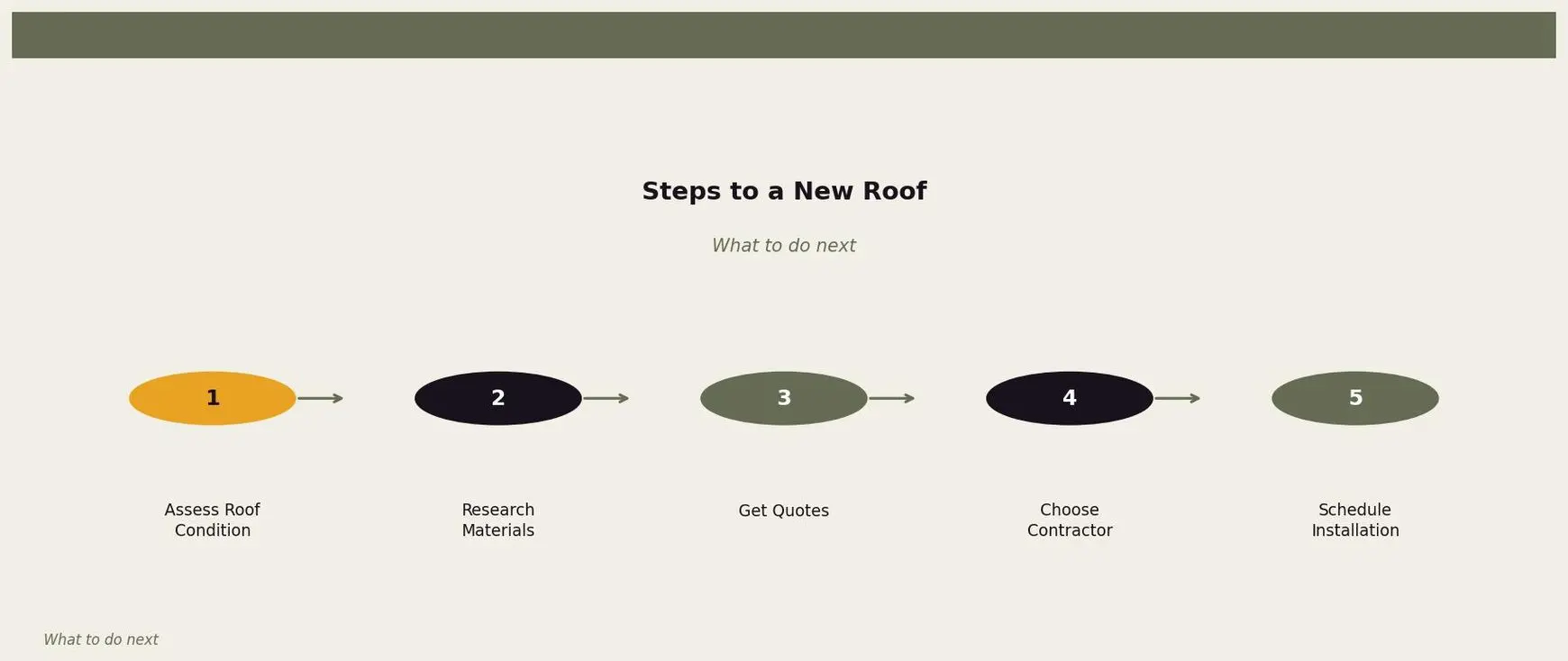
Step 1: Assess What You’re Working With
Walk around your home and look for obvious signs of trouble: missing or curling shingles, granules collecting in gutters, daylight visible through attic boards, or water stains on ceilings and walls. You don’t need to climb on the roof yourself — binoculars work fine, and frankly, your safety matters more than a DIY inspection.
Step 2: Get a Professional Assessment
A reputable roofer will inspect your roof thoroughly and tell you honestly whether you need a full replacement or just repairs. Be wary of anyone who pressures you into immediate decisions or refuses to provide a written estimate. A good inspection should cover the roof surface, flashing, ventilation, gutters, and visible decking condition.
Step 3: Research Materials Based on Your Priorities
Think about what matters most to you. Lowest upfront cost? Longest lifespan? Environmental impact? Curb appeal? There’s no single “best” material — only the best choice for your specific situation, budget, and home.
Step 4: Get Multiple Quotes
Three quotes is a reasonable minimum. Make sure each contractor is quoting the same scope of work so you can compare accurately. Look beyond the bottom line — consider warranty terms, timeline, communication style, and references from past customers.
Step 5: Verify Credentials
Any contractor working on your roof should be licensed, insured (both liability and workers’ comp), and willing to pull the necessary permits. Ask for proof. Check reviews on Google, the Better Business Bureau, and neighborhood forums. A company with roots in your community has more incentive to do right by you than a crew passing through after a storm.
Take the Next Step: Talk to Someone Who Gets It
If you’ve made it this far, you’re already ahead of the 73% of homeowners who wait until something goes wrong. You understand what drives new roof cost, you know the warning signs, and you have a plan for moving forward.
When you’re ready to get a real number for your home, we’d be glad to help. At Owl Roofing, we’re a family-owned company right here in Shoreview — not a franchise, not a crew that showed up after the last hailstorm. Tim, Bea, Noah, and Anya have been helping Twin Cities homeowners for over 15 years combined, and we’ve seen just about every roof situation you can imagine.
We’ll look at your roof, tell you exactly what it needs, and give you a clear, written estimate — no pressure, no runaround. If repairs make more sense than replacement, we’ll tell you that too. Our goal is neighbors helping neighbors make smart decisions about their homes.
Give us a call at 651-977-6027 or visit owlroofing.com/ to schedule a free inspection. We serve all of the Twin Cities and surrounding communities.
Protect Your Nest.
📍 Owl Roofing Serves the Entire Twin Cities Metro
Andover · Anoka · Apple Valley · Arden Hills · Big Lake · Blaine · Bloomington · Brooklyn Center · Brooklyn Park · Burnsville · Champlin · Chanhassen · Chaska · Columbia Heights · Coon Rapids · Cottage Grove · Crystal · deephaven · Delano · Eagan · East Bethel · Eden Prairie · Excelsior · Farmington · Forest Lake · Fridley · Golden Valley · Ham Lake · Hastings · Hopkins · Hugo · Inver Grove Heights · Lake Elmo · Lakeville · Lino Lakes · Mahtomedi · Maplewood · Mendota Heights · Minneapolis · Minnetrista · Mound · Mounds View · New Brighton · New Hope · North Oaks · North St. Paul · Oak Grove · Oakdale · Plymouth · Prior Lake · Ramsey · Richfield · Robbinsdale · Rosemount · Roseville · Saint Paul · Savage · Shakopee · Shoreview · South St. Paul · St. Louis Park · St. Michael · St. Paul · Stillwater · Vadnais Heights · Victoria · Waconia · wayzata · West St. Paul · White Bear Lake · woodbury
Licensed Minnesota roofing contractor · Free inspections · 10-year workmanship warranty · Get a free estimate →
