


Most Common Roofing Materials in the Us Explained
 12min Read
 Posted 10.16.2025
The Most Common Roofing Materials in the U.S., Explained for Twin Cities Homeowners
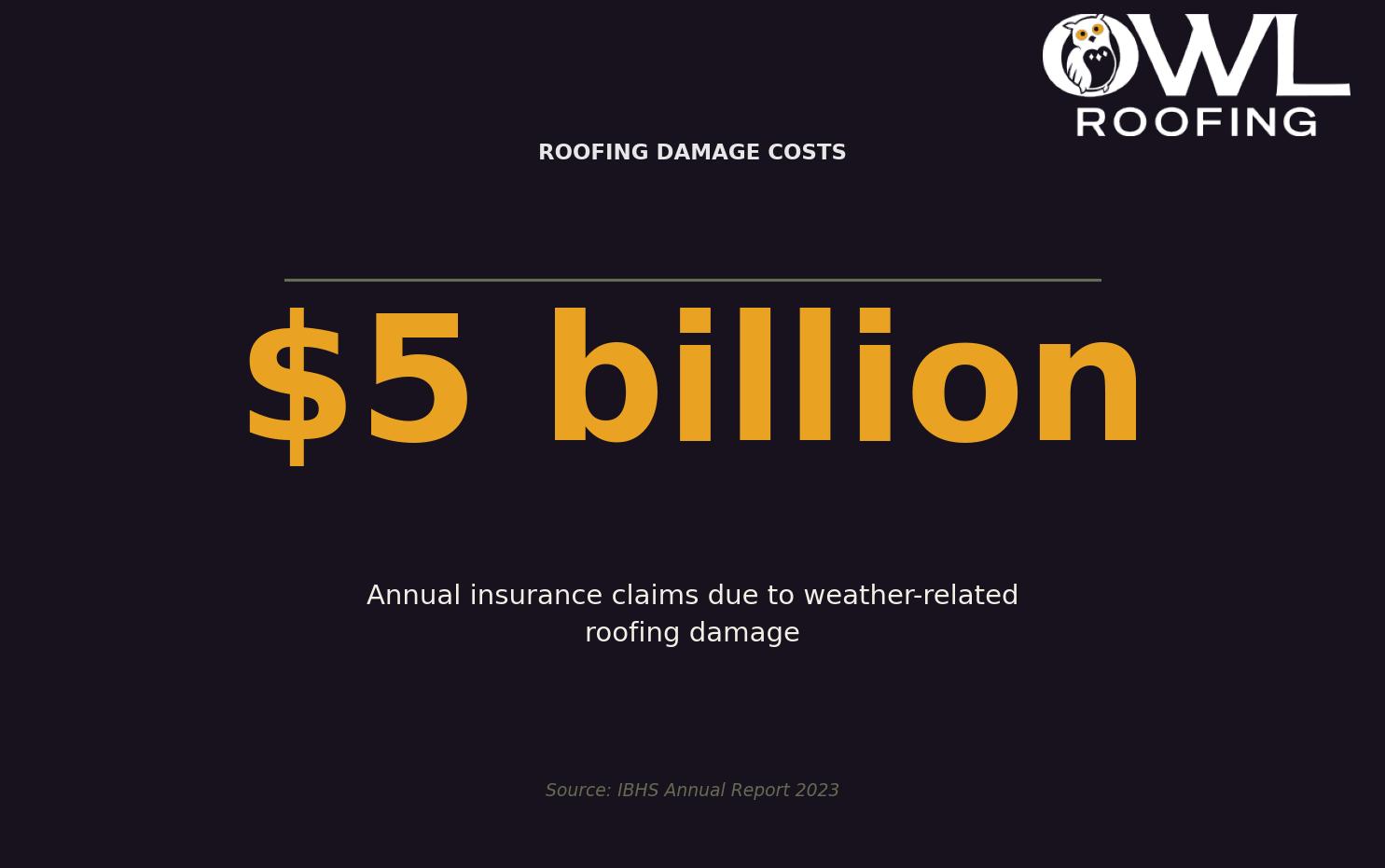
Weather-related roof damage costs American homeowners nearly $5 billion in insurance claims every year, according to the Insurance Institute for Business & Home Safety. And here in the Twin Cities? Our freeze-thaw cycles, heavy snow loads, and summer hailstorms put roofs through a beating that most of the country never sees. Picking the right roofing material isn’t just about curb appeal—it’s about whether your roof survives the next polar vortex or becomes an expensive insurance claim.
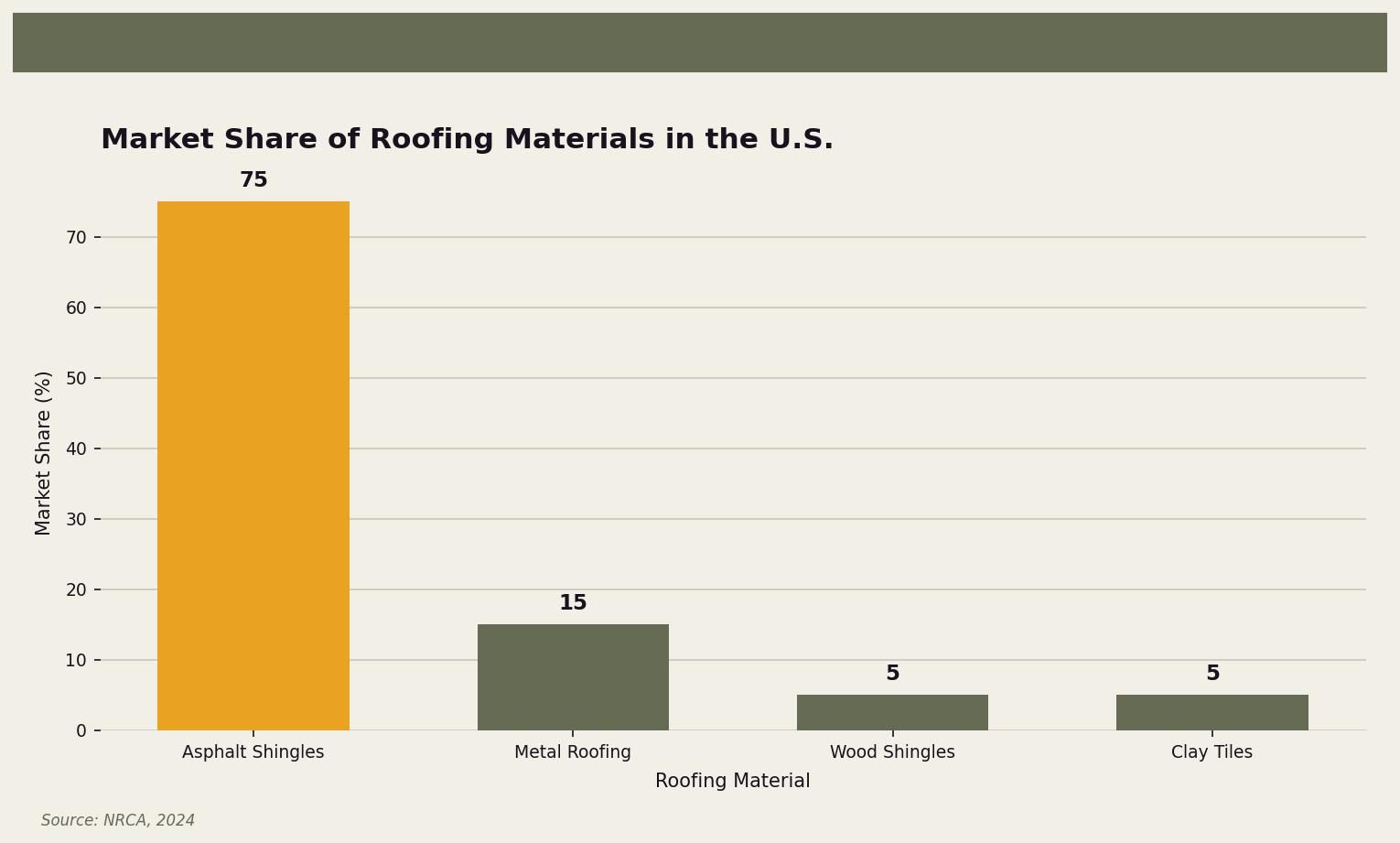
The good news: you don’t need a contractor’s license to understand your options. Asphalt shingles cover about 75% of American homes (according to the National Roofing Contractors Association), but that doesn’t automatically make them the right choice for your Shoreview bungalow or Roseville rambler. Let’s break down what’s actually on the market, what works in Minnesota, and what each material will mean for your wallet—both now and twenty years from now.
Why Your Roofing Material Choice Actually Matters
Your roof isn’t just the thing that keeps rain out. It’s the first line of defense for the biggest investment you’ll probably ever make. And in Minnesota, that defense gets tested constantly.
Think about what we throw at our roofs every year: sub-zero temperatures in January, 90-degree heat in July, ice dams forming and refreezing, hail the size of golf balls (or bigger), and snow loads that would make a roof in Texas collapse. The wrong material won’t just wear out faster—it can fail catastrophically when you need it most.
Here’s something that might surprise you: the National Association of Realtors found that a new roof recovers around 107% of its cost at resale. That’s one of the few home improvements that actually pays you back with interest. So the material you choose affects your home’s protection, your energy bills, your insurance rates, and your eventual sale price. No pressure, right?
The trick is matching the material to Minnesota’s specific challenges. A roofing material that performs beautifully in Arizona might crack and fail after one Twin Cities winter. Let’s look at what actually works here.
The Most Popular Roofing Materials (And What They’re Really Like)
Asphalt Shingles: The Workhorse
There’s a reason asphalt shingles dominate the market. They’re affordable, they look decent on almost any house, and any roofer in the country knows how to install them. For Twin Cities homeowners working with a budget, they’re often the practical choice.
You’ll find two main types: fiberglass and organic. Fiberglass shingles are lighter and more fire-resistant—a nice perk if you’re in a wooded area. Organic shingles (made with a paper or felt base) offer more flexibility, which can actually help them handle cold-weather expansion and contraction better. Both typically last 15-30 years, depending on quality, installation, and how brutal our weather decides to be.
The downsides? Asphalt shingles are vulnerable to wind uplift and hail damage—two things Minnesota has in abundance. A bad hailstorm can take years off your roof’s lifespan in a single afternoon. They also don’t shed snow as well as some alternatives, which can contribute to ice dam formation if your attic ventilation isn’t dialed in.
Bottom line: Asphalt shingles are a solid, budget-friendly choice for most Twin Cities homes, but don’t expect them to be bulletproof. Plan on replacing them at least once during your time in the house.
Metal Roofing: The Long-Term Investment
Metal roofs used to mean one thing: barns. Not anymore. Modern metal roofing comes in styles that mimic traditional shingles, slate, even wood shakes—and it’s gaining serious traction in residential neighborhoods across the Twin Cities.
The durability numbers are impressive: metal roofs typically last 40-70 years and can handle winds up to 140 mph. For context, that’s well beyond anything our summer storms typically throw at us. They’re also fantastic at shedding snow. Ice and snow slide right off, which dramatically reduces the risk of ice dams—a major headache for Minnesota homeowners every winter.
Energy efficiency is another win. The U.S. Department of Energy reports that metal roofs reflect solar radiant heat, reducing cooling costs by 10-25%. Your air conditioning doesn’t have to work as hard in July, which means lower utility bills and a more comfortable house.
The catch? Higher upfront cost. You’ll pay more initially than you would for asphalt. But when you factor in the 40+ year lifespan and energy savings, metal often costs less per year of service. It’s the difference between buying cheap shoes every year and investing in boots that last a decade.
One more thing: metal roofs handle freeze-thaw cycles like champions. No cracking, no granule loss, no gradual deterioration from ice expansion. For Minnesota specifically, that’s a big deal.
Wood Shingles and Shakes: The Classic Look
Cedar shakes have a warm, natural beauty that’s hard to replicate. They age into a gorgeous silvery gray, and they give homes a timeless, craftsman feel that some homeowners love. If aesthetics are your top priority, wood is tempting.
Properly maintained, wood roofing can last 30-40 years. The keyword there is “properly maintained.” Wood requires regular treatment to prevent rot, mold, and insect damage. In Minnesota’s humid summers and wet springs, that maintenance becomes even more critical. Skip a treatment cycle, and you’re inviting problems.
Fire resistance is another concern. Unless specially treated, wood shingles are more combustible than other options. Some insurance companies charge higher premiums for wood roofs, and some municipalities have restrictions on them in fire-prone areas.
For Twin Cities homeowners, the math often doesn’t work out. The combination of high upfront cost, ongoing maintenance expenses, and our challenging weather means wood roofing is more of a lifestyle choice than a practical one. Beautiful? Absolutely. Low-hassle? Not even close.
Clay and Concrete Tiles: The Century Option
If you want a roof that might outlive your grandchildren, clay and concrete tiles are worth considering. These materials can last up to 100 years with minimal maintenance. They’re virtually fireproof, immune to rot, and insects won’t touch them.
You see clay tiles on Mediterranean-style homes and concrete tiles on a variety of architectural styles. They offer excellent thermal mass, keeping homes cooler in summer and warmer in winter.
But here’s the Minnesota reality check: these tiles are heavy. Really heavy. Most standard roof structures aren’t built to handle that weight, which means you might need structural reinforcement before installation—adding significant cost to an already expensive material.
Then there’s the snow load issue. Add a few feet of heavy, wet Minnesota snow to an already-heavy tile roof, and you’re asking a lot of your home’s frame. It’s not impossible, but it requires careful engineering and often isn’t practical for existing homes without major modifications.
Tile roofing makes more sense for new construction where you can design the structure around the weight, or for homeowners who are committed to the look and willing to invest in the necessary upgrades.
What Actually Works in Minnesota’s Climate
Let’s get specific about what our weather does to roofs and which materials handle it best.
The freeze-thaw cycle is enemy number one. Water seeps into tiny cracks, freezes, expands, and makes those cracks bigger. Repeat this hundreds of times per winter, and even small vulnerabilities become big problems. Materials with good dimensional stability—metal, especially—handle this better than materials that absorb moisture.
Ice dams form when heat escapes through your roof, melting snow that then refreezes at the eaves. Metal roofs shed snow before it can melt and refreeze, making them naturally resistant to ice dams. Asphalt shingles can work fine, but proper attic insulation and ventilation become critical.
Hail damage is a yearly concern. Metal roofs with textured finishes can hide minor dents, while asphalt shingles can lose granules and protective coating from hail impacts. Impact-rated shingles exist and are worth the upgrade if you’re going the asphalt route.
Wind during summer storms tests how well your roofing material is attached. Proper installation matters as much as material choice here—even the best shingles will blow off if they’re not nailed down correctly.
According to the NRCA, asphalt and metal both perform well in climates like ours when installed correctly. The key phrase is “installed correctly.” Material choice matters, but so does hiring someone who understands local conditions and doesn’t cut corners.
Making Your Decision: A Practical Approach
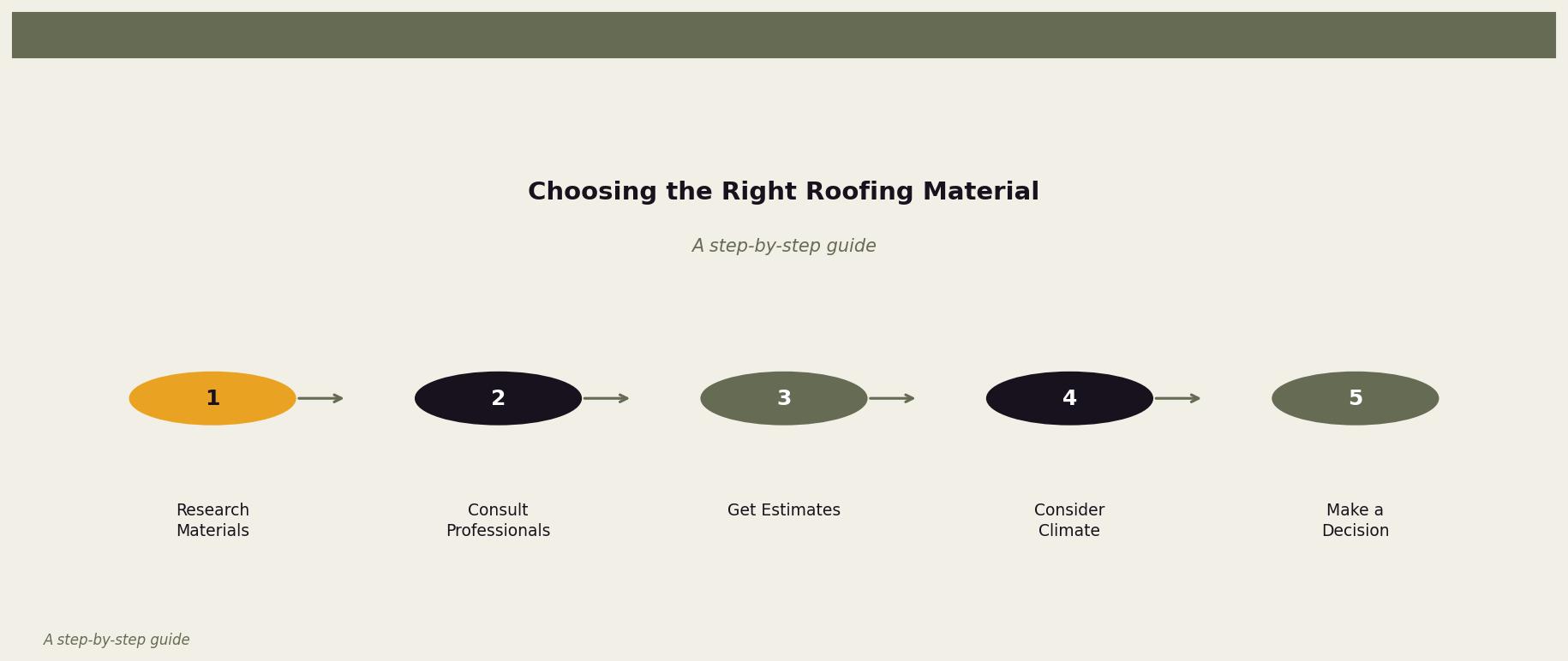
Choosing roofing materials doesn’t have to be overwhelming. Here’s a straightforward process:
- Start with your budget reality. Know what you can actually spend, including a 10-15% buffer for surprises. Roofing projects have a way of revealing hidden issues once the old material comes off.
- Think about your timeline. Are you planning to stay in this house for 30 years, or might you sell in 5? If you’re staying long-term, investing in durability makes sense. If you’re selling soon, you want something that looks good and doesn’t scare off buyers.
- Consider your home’s structure. Heavy materials like tile require structural support that your home may not have. Your contractor should assess this before recommending options.
- Factor in your neighborhood. A metal roof that looks fantastic in one neighborhood might clash with the surrounding homes in another. HOA restrictions may also limit your choices.
- Get multiple opinions. Talk to at least two or three roofing professionals. Different contractors have different experiences and preferences, and hearing multiple perspectives helps you make a more informed decision.
The Insurance Institute for Business & Home Safety recommends inspecting your roof at least twice a year—once in spring after the snow melts and once in fall before winter hits. Catching small problems early is always cheaper than fixing big problems later.
The Real Cost Question
Everyone wants to know: what’s this actually going to cost? Here’s the honest answer: it depends on your roof’s size, pitch, complexity, and the material you choose. But here’s a framework for thinking about it:
Asphalt shingles offer the lowest upfront cost but the shortest lifespan. You’ll likely replace them 2-3 times over the life of your home.
Metal roofing costs more initially but lasts 2-3 times longer. When you calculate cost per year of service, metal often comes out ahead—plus you get the energy savings and reduced maintenance.
Wood and tile sit at the premium end, with tile offering the longest lifespan but requiring the most structural consideration.
Don’t forget to factor in potential insurance savings. Some insurers offer discounts for impact-resistant or fire-resistant roofing materials. It’s worth calling your agent before making a final decision.
Ready to Figure Out What Your Roof Needs?
If you’re in the Twin Cities and thinking about your roof—whether it’s time for a replacement or you just want an honest assessment of what you’ve got—we’d be happy to help. At Owl Roofing, we’ve seen every type of roofing material handle (or fail to handle) Minnesota’s weather. We’re a family-owned company based right here in Shoreview, founded by Tim and Bea Brown and Noah and Anya Bergland. We’re not a franchise, and we’re definitely not storm chasers who disappear after cashing your check. We’re your neighbors, and we’ve been doing this for over 15 years combined.
We'll look at your roof, tell you exactly what it needs, and give you honest options that fit your budget and goals—no pressure, no games. Give us a call at 651-977-6027 or visit owlroofing.com/ to schedule a free inspection. We serve Shoreview and all the surrounding Twin Cities communities.
Protect Your Nest.
📍 Owl Roofing Serves the Entire Twin Cities Metro
Andover · Anoka · Apple Valley · Arden Hills · Big Lake · Blaine · Bloomington · Brooklyn Center · Brooklyn Park · Burnsville · Champlin · Chanhassen · Chaska · Columbia Heights · Coon Rapids · Cottage Grove · Crystal · deephaven · Delano · Eagan · East Bethel · Eden Prairie · Excelsior · Farmington · Forest Lake · Fridley · Golden Valley · Ham Lake · Hastings · Hopkins · Hugo · Inver Grove Heights · Lake Elmo · Lakeville · Lino Lakes · Mahtomedi · Maplewood · Mendota Heights · Minneapolis · Minnetrista · Mound · Mounds View · New Brighton · New Hope · North Oaks · North St. Paul · Oak Grove · Oakdale · Plymouth · Prior Lake · Ramsey · Richfield · Robbinsdale · Rosemount · Roseville · Saint Paul · Savage · Shakopee · Shoreview · South St. Paul · St. Louis Park · St. Michael · St. Paul · Stillwater · Vadnais Heights · Victoria · Waconia · wayzata · West St. Paul · White Bear Lake · woodbury
Licensed Minnesota roofing contractor · Free inspections · 10-year workmanship warranty · Get a free estimate →
