


Can Poor Ventilation Damage Your Roof
 13min Read
 Posted 12.07.2025
Can Poor Ventilation Damage Your Roof?
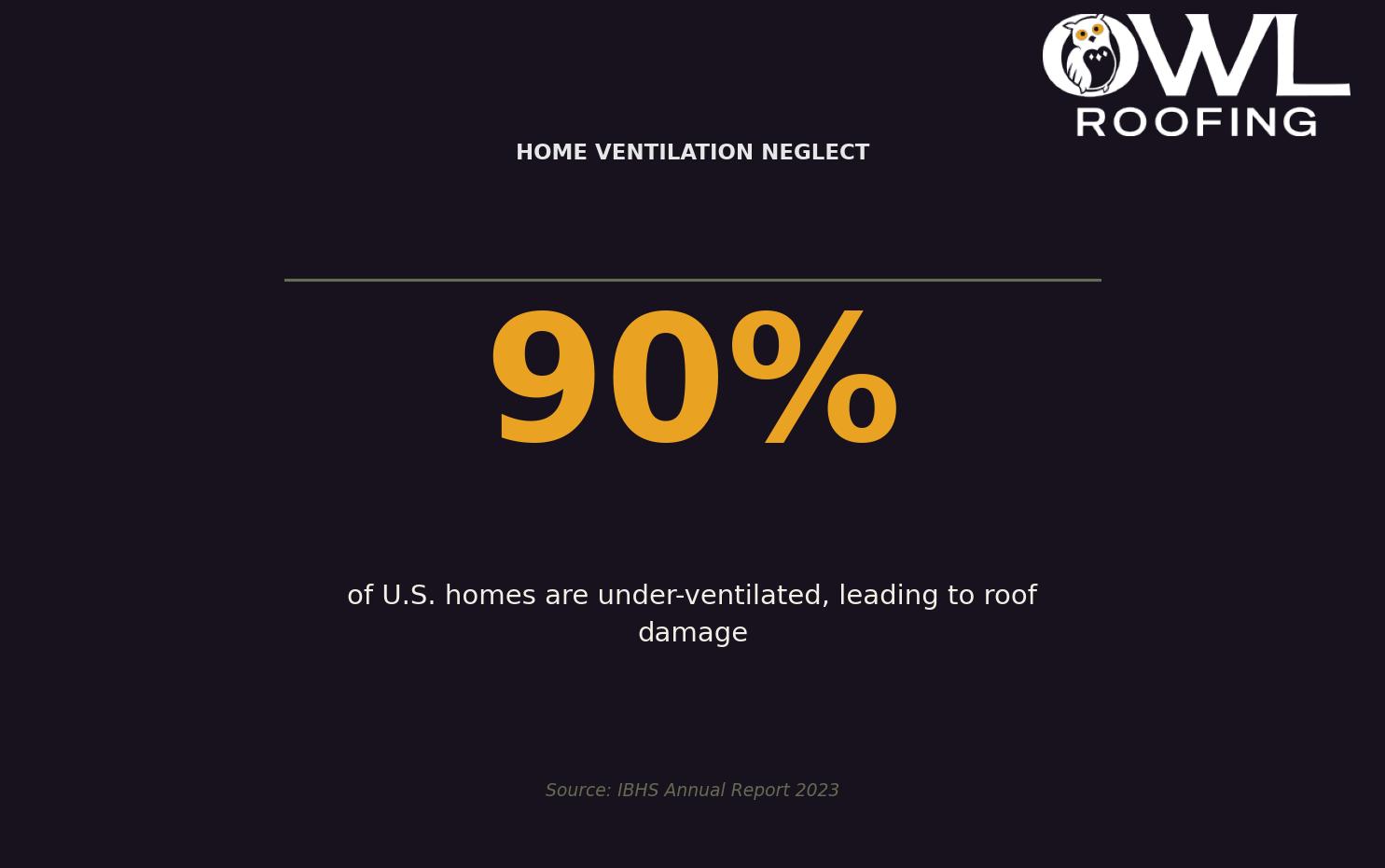
Here’s a question most Twin Cities homeowners never think to ask: what if the biggest threat to your roof isn’t outside, but trapped inside your attic? Poor ventilation is a silent problem that quietly destroys roofs from the inside out—and according to the Insurance Institute for Business & Home Safety (IBHS), a staggering 90% of homes in the United States are under-ventilated. That means your roof might be aging years faster than it should, and you’d never know it until the repair bill lands in your lap.
We get it—ventilation isn’t exactly a thrilling topic. It doesn’t have the drama of a hailstorm or the urgency of a visible leak. But here’s the thing: understanding what’s happening in your attic could save you thousands of dollars and add decades to your roof’s life. So let’s break down exactly how poor ventilation damages your roof, what warning signs to watch for, and what you can actually do about it.
Why Ventilation Matters More Than You Think
Your attic isn’t just storage space for holiday decorations and old yearbooks. It’s actually a critical part of your home’s breathing system. When ventilation works correctly, air flows in through intake vents (usually at the soffits) and exits through exhaust vents (at or near the ridge). This constant airflow keeps temperatures regulated and moisture moving out.
When that airflow gets blocked, restricted, or was never adequate to begin with? Problems start stacking up fast.
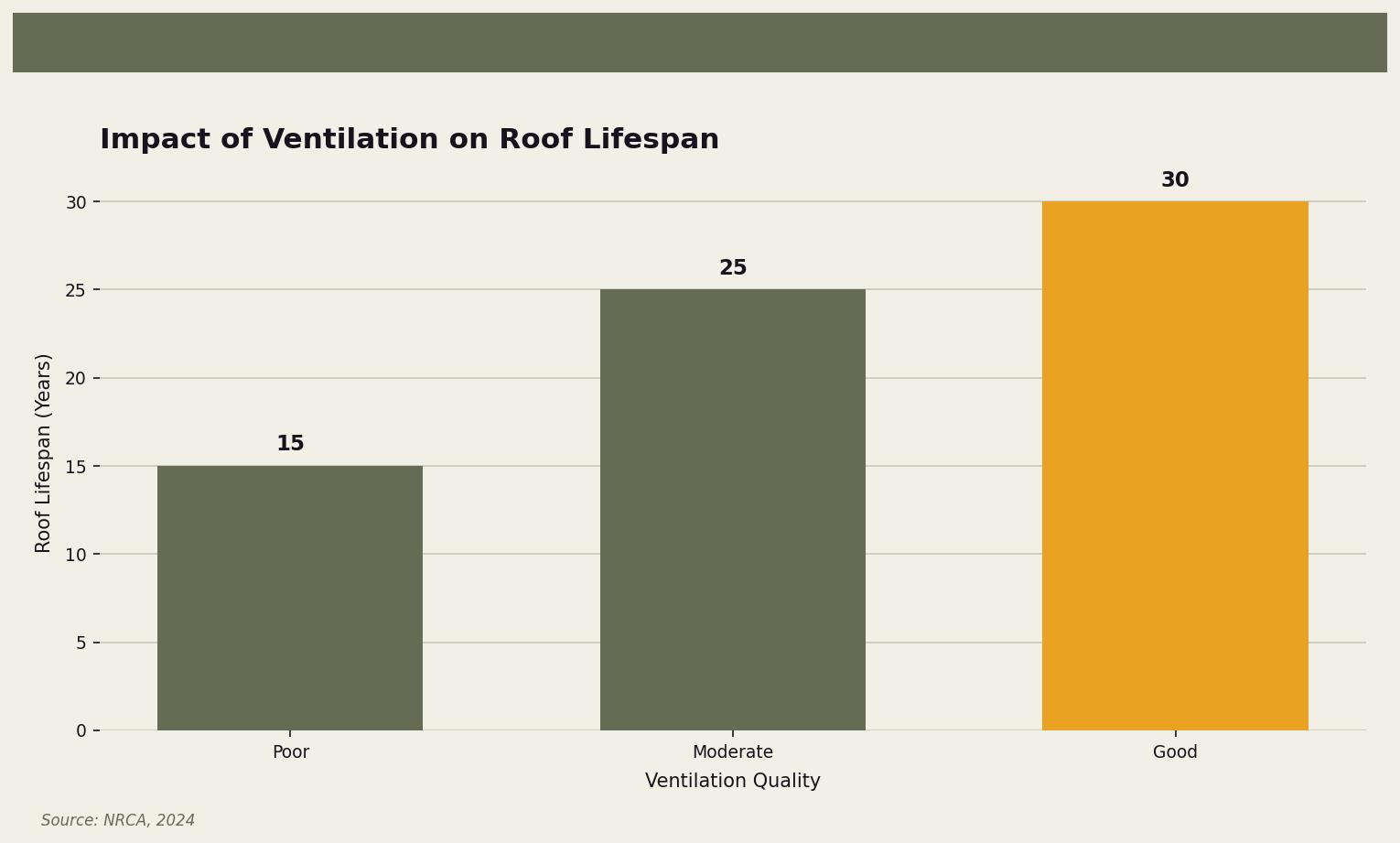
The National Roofing Contractors Association (NRCA) puts it plainly: proper ventilation can extend the lifespan of your roof by up to 50%. That’s not a typo. We’re talking about the difference between replacing your roof at 15 years versus getting a full 25-30 years out of it. For a roof that costs $15,000-$25,000 to replace, those extra years represent serious money staying in your pocket.
And for those of us living in the Twin Cities, ventilation isn’t just important—it’s essential. Our climate throws everything at our roofs: humid summers that push moisture into attics, brutal winters that create perfect conditions for ice dams, and temperature swings that can stress materials to their breaking point. Without proper ventilation, your roof is fighting with one hand tied behind its back.
How Poor Ventilation Destroys Your Roof (Two Ways)
Poor ventilation attacks your roof through two main mechanisms, and both can cause serious damage. The frustrating part? The damage often happens so gradually that homeowners don’t notice until it’s too late.
The Summer Heat Problem
Think about what happens to your attic on a 90-degree July day in Minnesota. Without adequate ventilation, that space can easily hit 150 degrees or higher. Your attic essentially becomes an oven, and your roof deck is sitting right on top of the burner.
This excessive heat does a number on your shingles from below. The Asphalt Roofing Manufacturers Association (ARMA) has documented that shingles can lose up to 40% of their lifespan when subjected to extreme heat from an under-ventilated attic. The granules start breaking down faster, the shingles become brittle, and the adhesive strips that hold everything together begin to fail.
Meanwhile, that trapped heat radiates down into your living space, forcing your air conditioning to work overtime. Your energy bills climb, your HVAC system wears out faster, and your roof quietly deteriorates overhead. It’s a lose-lose-lose situation.
The Winter Moisture Problem
Minnesota winters bring a different but equally destructive threat: moisture buildup. Here’s how it happens.
Warm, humid air from your living space rises into the attic through gaps around light fixtures, attic hatches, bathroom vents, and a dozen other small openings. In a well-ventilated attic, that moisture gets carried away by airflow. In a poorly ventilated attic, it has nowhere to go.
When that moist air hits cold roof decking, condensation forms. Over time, this moisture saturates the wood, causing rot in your roof’s structural components. The IBHS found that roof damage from poor ventilation is often compounded by mold and mildew growth, which thrive in these damp, enclosed spaces. We’ve seen attics where the underside of the roof deck is covered in black mold, the rafters are soft with rot, and the homeowner had no idea until a leak finally appeared downstairs.
But that’s not all. In the Twin Cities’ freeze-thaw cycle, poor ventilation also sets the stage for ice dams. When heat escapes into an under-ventilated attic, it warms the roof deck and melts snow from below. That meltwater runs down to the cold eaves, refreezes, and forms a dam of ice. Water backs up behind the dam, works its way under shingles, and suddenly you’ve got leaks, water damage, and an expensive mess on your hands.
Good Ventilation vs. Poor Ventilation: The Real Difference
Let’s put this side by side so you can see exactly what’s at stake.
Energy Efficiency
A well-ventilated attic acts as a thermal buffer between your roof and your living space. Hot air escapes in summer instead of radiating down into your rooms. In winter, the attic stays closer to outdoor temperatures, reducing the conditions that cause ice dams.
According to Energy Star, improving attic ventilation can reduce energy costs by up to 15%. That’s real money—potentially hundreds of dollars per year—just from letting your attic breathe properly.
Poor ventilation flips all of this. Your HVAC system runs longer and harder, your energy bills spike during extreme weather, and you’re paying to fight a problem you could prevent.
Roof Longevity and Repair Costs
The National Association of Realtors (NAR) emphasizes that homes with proper ventilation systems often see fewer issues with ice dams, which are one of the most common (and expensive) roof problems Minnesota homeowners face. When ice dams cause water to back up under shingles, the damage can extend well beyond the roof—into your walls, ceilings, insulation, and even electrical systems.
Good ventilation keeps shingles lasting longer, prevents moisture damage to roof decking and framing, and dramatically reduces your odds of dealing with ice dams. Poor ventilation means premature shingle failure, potential structural damage, mold issues, and repairs that can run into the thousands—or a full replacement years before your roof should have needed one.
The Twin Cities Factor: Why Our Climate Makes This Worse
Not every homeowner in the country needs to worry about ventilation to the same degree. But if you live in Minnesota? It’s absolutely critical.
Our climate is particularly hard on roofs. According to the U.S. Census Bureau, Minnesota homes are more likely to experience roof damage due to weather conditions compared to many other states. Here’s why:
- Temperature extremes: We can see 100-degree summer days and -20-degree winter nights in the same year. That’s a 120-degree swing that materials have to survive.
- Heavy snowfall: Snow sitting on a poorly ventilated roof creates prime conditions for ice dams and moisture intrusion.
- High summer humidity: Our humid summers pump moisture into attics, where it can condense and cause problems if ventilation is inadequate.
- Freeze-thaw cycles: We don’t just freeze once and stay frozen. Throughout fall, winter, and spring, we go through countless freeze-thaw cycles that stress roofing materials and compound moisture issues.
Proper ventilation provides a buffer against all of these challenges. It keeps your attic closer to outdoor temperatures year-round, which reduces heat damage in summer and ice dam formation in winter. It keeps air moving so moisture doesn’t accumulate. And it protects the structural components of your roof from the rot and decay that moisture causes.
Without adequate ventilation, you’re essentially asking your roof to survive Minnesota without any backup. That’s a tough ask.
Warning Signs Your Roof Has a Ventilation Problem
How do you know if your roof is suffering from poor ventilation? Here are the red flags we tell homeowners to watch for:
- Ice dams forming in winter: If you see thick ridges of ice at your eaves or icicles hanging from your gutters, your attic is probably too warm, which points to ventilation issues.
- Unusually high energy bills: If your heating and cooling costs seem excessive, trapped heat or cold in your attic could be the culprit.
- Hot upstairs rooms in summer: Second-floor rooms that are noticeably hotter than the rest of the house often indicate an overheated attic.
- Moisture or frost in the attic: If you see condensation on windows, frost on roof decking in winter, or any visible moisture in your attic, you’ve got a ventilation problem.
- Rusted nails or metal: Rust on nail heads poking through the roof deck or on metal connectors indicates excessive moisture.
- Mold or mildew smell: A musty odor in your attic or upper floors suggests mold growth from trapped moisture.
- Warped or soft roof decking: If the plywood under your shingles feels spongy or looks wavy, moisture damage has likely already set in.
- Shingles curling or cracking prematurely: If your relatively new roof already shows signs of wear, heat damage from poor ventilation could be accelerating deterioration.
If you notice any of these signs, it’s worth investigating further. The good news is that ventilation problems can often be fixed without replacing your entire roof—if you catch them early enough.
Your Action Plan: What To Do Next
If you suspect your roof might be suffering from poor ventilation, here’s how to take action:
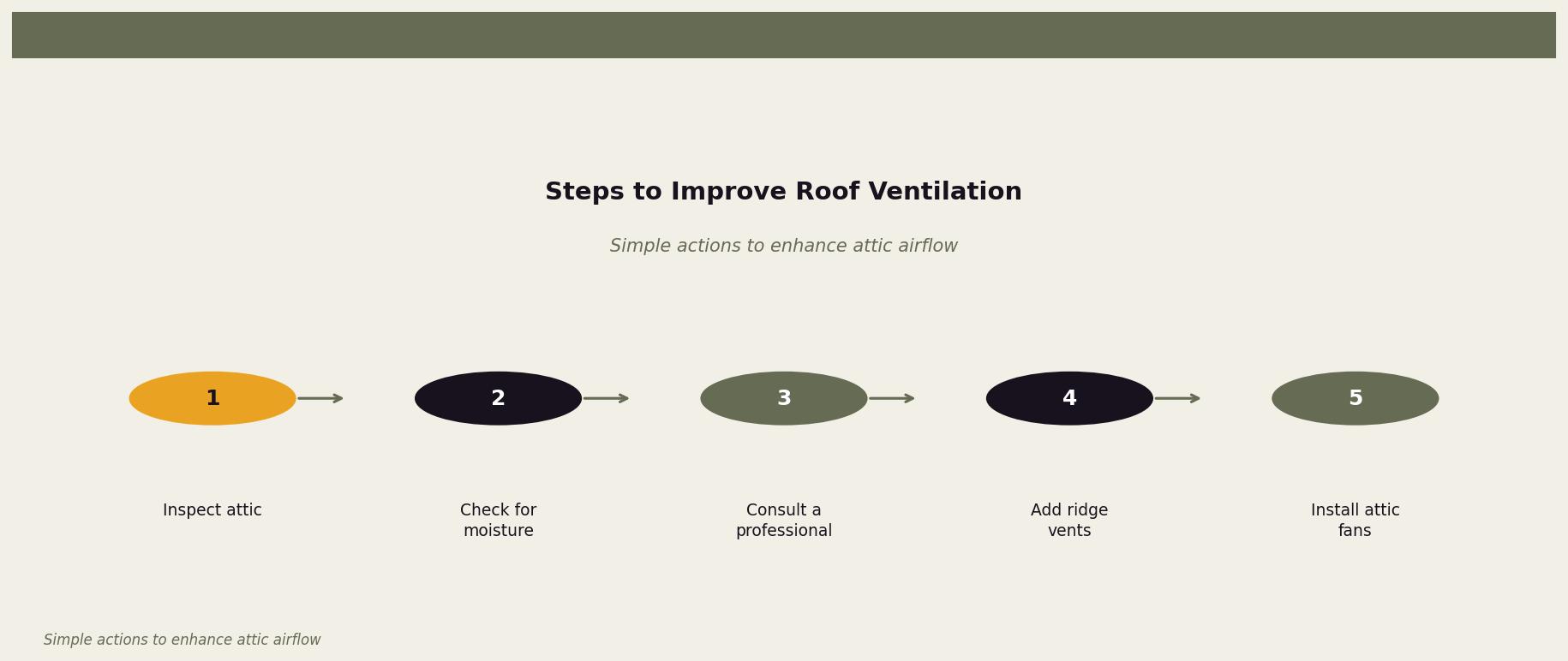
Step 1: Do a basic attic inspection. On a hot summer day or a cold winter day, carefully check your attic. In summer, does it feel significantly hotter than the outdoor temperature? In winter, do you see frost on the underside of the roof deck or moisture on any surfaces? Look for rusted nails, mold, discolored wood, or any signs of water damage.
Step 2: Check your existing vents. Are your soffit vents clear or blocked by insulation? Can you see daylight through your ridge vents? Sometimes the fix is as simple as clearing obstructions or adding baffles to keep insulation from blocking soffit vents.
Step 3: Consult a professional. Ventilation is one of those areas where getting a professional assessment is worth the investment. A roofing contractor can measure your attic space, calculate the ventilation you need based on your square footage, and identify any issues with your current system. The NRCA suggests that homeowners review their ventilation system every three to five years.
Step 4: Consider upgrades. Depending on your situation, solutions might include adding ridge vents for better exhaust, installing additional soffit vents for improved intake, adding attic fans for active ventilation, or sealing air leaks from your living space to reduce moisture entering the attic.
The key is not to wait until you’ve got visible roof damage or an expensive repair on your hands. Proactive maintenance is always cheaper than reactive repairs—and when it comes to ventilation, the return on investment is significant.
Protect Your Roof Before It’s Too Late
Poor ventilation might not make headlines like a summer hailstorm or a winter ice dam, but the damage it causes is just as real—and often more expensive because it happens slowly, out of sight, where you won’t notice until it’s too late. Your roof is one of the biggest investments in your home. Making sure your attic can breathe properly is one of the smartest things you can do to protect that investment.
If you're a Twin Cities homeowner wondering about your roof's ventilation—or if you've spotted any of the warning signs we mentioned—we'd be happy to help. At Owl Roofing, we're based right here in Shoreview, and we've helped homeowners throughout the Twin Cities diagnose and fix ventilation issues before they turn into major problems. We'll take a look at your roof, tell you exactly what's going on, and give you straight answers about what needs to be done (and what doesn't). No pressure, no scare tactics—just honest advice from neighbors who've seen every kind of roof problem Minnesota weather can create. Give us a call at 651-977-6027 or visit owlroofing.com/ to set up an inspection. Protect Your Nest.
📍 Owl Roofing Serves the Entire Twin Cities Metro
Andover · Anoka · Apple Valley · Arden Hills · Big Lake · Blaine · Bloomington · Brooklyn Center · Brooklyn Park · Burnsville · Champlin · Chanhassen · Chaska · Columbia Heights · Coon Rapids · Cottage Grove · Crystal · deephaven · Delano · Eagan · East Bethel · Eden Prairie · Excelsior · Farmington · Forest Lake · Fridley · Golden Valley · Ham Lake · Hastings · Hopkins · Hugo · Inver Grove Heights · Lake Elmo · Lakeville · Lino Lakes · Mahtomedi · Maplewood · Mendota Heights · Minneapolis · Minnetrista · Mound · Mounds View · New Brighton · New Hope · North Oaks · North St. Paul · Oak Grove · Oakdale · Plymouth · Prior Lake · Ramsey · Richfield · Robbinsdale · Rosemount · Roseville · Saint Paul · Savage · Shakopee · Shoreview · South St. Paul · St. Louis Park · St. Michael · St. Paul · Stillwater · Vadnais Heights · Victoria · Waconia · wayzata · West St. Paul · White Bear Lake · woodbury
Licensed Minnesota roofing contractor · Free inspections · 10-year workmanship warranty · Get a free estimate →
