


Can a New Roof Lower Your Utility Bills
 13min Read
 Posted 12.15.2025
Can a New Roof Lower Your Utility Bills?
Your roof could be costing you hundreds of dollars a year — and you’d never know it just by looking up. Here in the Twin Cities, where we crank the heat for five months and run the AC through sticky July nights, a worn-out or poorly insulated roof quietly drains your wallet every single day.
Here’s the good news: according to the National Roofing Contractors Association (NRCA), a new roof can cut heating and cooling costs by up to 15%. That’s real money back in your pocket — potentially $200 to $400 annually for the average Minnesota home. And unlike swapping out windows or adding insulation to your walls (both solid moves, by the way), a new roof tackles the biggest surface area on your entire house in one project.
Let’s break down exactly how this works, which materials actually deliver on energy savings, and what Twin Cities homeowners specifically need to know before making the investment.
The Bottom Line: Your Roof Is Your Home’s Biggest Energy Player
Think about it this way: your roof is the largest single barrier between your living room and the Minnesota sky. When that barrier underperforms, you pay for it — literally.
The Department of Energy reports that 56% of a home’s energy use goes toward heating and cooling. In climates like ours, where January can hit -20°F and August can push 95°F with 80% humidity, that percentage often runs even higher. Every gap in your shingles, every thin spot in your attic insulation, every dark surface baking in the summer sun — it all shows up on your Xcel Energy bill.
An energy-efficient roof isn’t just about keeping rain out (though obviously, that matters too). It’s about creating a thermal barrier that keeps your heated air inside during winter and blocks solar heat from turning your upstairs into a sauna every summer.
How Your Roof Actually Affects Energy Costs
There are three main ways your roof impacts how hard your furnace and AC have to work. Understanding all three helps you make smarter choices when it’s time to replace.
Heat Absorption and Reflection: Color and Material Matter
Here’s something that surprises a lot of homeowners: the color of your roof directly affects your cooling costs. Dark roofs absorb heat like a black car parked in the sun. That heat transfers into your attic, then radiates down into your living spaces, making your AC work overtime.
Lighter-colored roofs — or roofs with reflective coatings — bounce that solar energy away instead of soaking it in. According to the Cool Roof Rating Council, a reflective roof can lower air conditioning costs by up to 15%. That’s significant when you’re running window units or central air through a humid Twin Cities summer.
Now, you might be thinking: “But what about winter? Don’t I want my roof to absorb heat when it’s freezing outside?” Fair question. The reality is that winter sun in Minnesota is weak and low-angled, so the warming effect of a dark roof is minimal compared to the cooling penalty you pay all summer. Plus, with proper insulation (more on that in a second), you’re keeping your heated air inside regardless of roof color.
Insulation: The Hidden Hero Under Your Shingles
Your roof’s surface gets all the attention, but what’s underneath often matters more. Proper attic insulation prevents heat transfer between your attic and your living spaces, keeping your indoor temperature consistent whether it’s -10°F or 90°F outside.
The Insurance Institute for Business & Home Safety (IBHS) points out that inadequate attic insulation is one of the most common causes of energy loss in homes. When you replace your roof, it’s the perfect time to assess and upgrade your insulation — you’ve already got contractors up there, and the work is much easier to do with the decking exposed.
In Minnesota, we recommend R-49 to R-60 insulation values for attics. If your home is older (pre-1980s construction is common in neighborhoods like Roseville, Fridley, and parts of Minneapolis), there’s a good chance your current insulation falls well short of that.
Ventilation: Keeping Air Moving Year-Round
This one’s counterintuitive, but stick with us: a well-ventilated attic actually improves energy efficiency.
In summer, proper ventilation allows hot air to escape through ridge vents and soffit intakes, preventing your attic from becoming a 140°F oven that radiates heat into your bedrooms below. In winter, that same airflow prevents moisture buildup from condensation — a major cause of mold, wood rot, and ice dams that plague Minnesota roofs.
Ice dams are a particular nightmare here. When heat escapes into a poorly ventilated attic, it melts snow on your roof. That water runs down to the colder eaves, refreezes, and backs up under your shingles. The result? Water damage, torn-off gutters, and emergency repair bills. Good ventilation breaks that cycle by keeping attic temperatures closer to outdoor temperatures.
Roofing Materials Compared: What Actually Saves You Money?
Not all roofs are created equal when it comes to energy efficiency. Here’s an honest breakdown of the most common options for Twin Cities homes.
Asphalt Shingles: The Affordable Workhorse
Asphalt shingles cover the vast majority of homes in Minnesota, and for good reason: they’re affordable, widely available, and relatively easy to install. They handle our freeze-thaw cycles reasonably well when properly installed.
The energy efficiency of asphalt shingles varies significantly depending on what you buy. Basic three-tab shingles from 20 years ago? Not great. Modern architectural shingles with reflective granules? Much better. Look for shingles with an Energy Star certification or high Solar Reflectance Index (SRI) rating — these can deliver meaningful energy savings without the premium price tag of other materials.
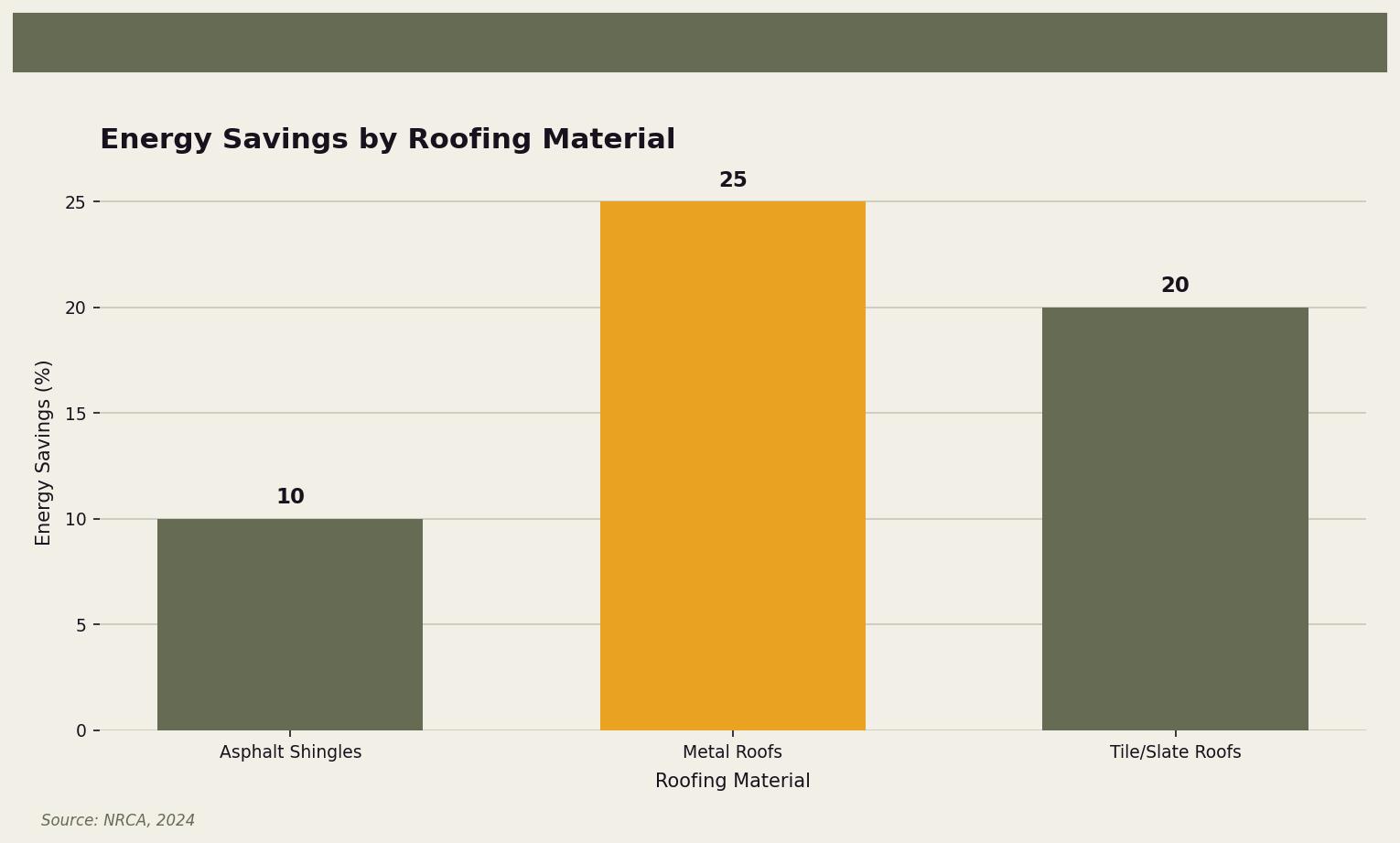
Typical energy savings with modern reflective asphalt shingles: around 10% on cooling costs.
Metal Roofs: The Long-Game Winner
Metal roofing has come a long way from the corrugated barn roofs of your grandparents’ farm. Today’s metal roofs come in styles that mimic traditional shingles, slate, or wood shake — and they’re increasingly popular with homeowners who want durability and energy efficiency in one package.
According to the Metal Roofing Alliance, metal roofs can reduce cooling costs by 10-25% because they naturally reflect solar radiation instead of absorbing it. They’re also incredibly durable — most metal roofs last 40-70 years compared to 20-30 years for asphalt. That longevity means fewer replacements over the life of your home, which is both cost-effective and environmentally friendly.
Another bonus: metal roofs can often be installed over existing shingles, reducing tear-off costs and keeping old materials out of landfills.
The catch? Higher upfront cost. But if you’re planning to stay in your home for 15+ years, the math often works out in metal’s favor.
Tile and Slate: Premium Performance, Premium Price
Tile (clay or concrete) and natural slate are the luxury cars of roofing materials. They provide excellent natural insulation because of their mass and density, creating a strong barrier against heat transfer in both directions.
The National Association of Realtors (NAR) notes that slate roofs can last over 50 years — sometimes over 100 years for high-quality installations. Tile performs similarly. Both materials offer excellent energy efficiency, with savings comparable to metal roofing.
The downsides? They’re heavy (your roof structure may need reinforcement), expensive (often 3-4x the cost of asphalt), and require specialized installation. For most Twin Cities homes, these materials are overkill — but for the right house and the right homeowner, they’re a genuine lifetime investment.
Minnesota-Specific Considerations: What Works Here
Energy efficiency matters everywhere, but Minnesota’s climate adds some specific wrinkles that homeowners should understand.
The Freeze-Thaw Challenge
Our winters aren’t just cold — they’re wildly variable. A sunny January day can hit 35°F, melt surface snow, then plunge back to 5°F overnight. This constant freeze-thaw cycle stresses roofing materials in ways that homeowners in Texas or Arizona never experience. Shingles expand and contract, sealants crack, and water finds its way into gaps.
When selecting materials for energy efficiency, durability has to be part of the equation. A roof that saves you 15% on energy but fails after 12 years isn’t a good investment. Look for materials rated for northern climates and hire contractors who understand local conditions.
Snow Load and Ice Dam Prevention
A well-insulated, properly ventilated roof doesn’t just save energy — it prevents ice dams. As mentioned earlier, ice dams form when heat escapes through your roof, melts snow, and creates ice buildup at the eaves. This can cause serious water damage to your roof, walls, and ceilings.
The energy-efficient roof that keeps your heat inside also keeps your roof deck cold, which means snow melts evenly from the sun rather than from escaping warmth. It’s a win-win: lower energy bills and fewer emergency repair calls in February.
Sustainability and Community Standards
The Twin Cities area has increasingly embraced green building practices. Cities like Minneapolis and St. Paul have adopted sustainability goals that include reducing residential energy consumption. An energy-efficient roof aligns with these community values — and may even qualify for local rebates or incentives depending on the materials you choose and when you install.
Check with your city’s sustainability office or your energy provider for current programs. Xcel Energy, for example, periodically offers rebates for energy-efficient home improvements.
Your Action Plan: Getting From Here to Energy Savings
Ready to stop overpaying on your utility bills? Here’s a practical roadmap for Twin Cities homeowners considering a new roof.
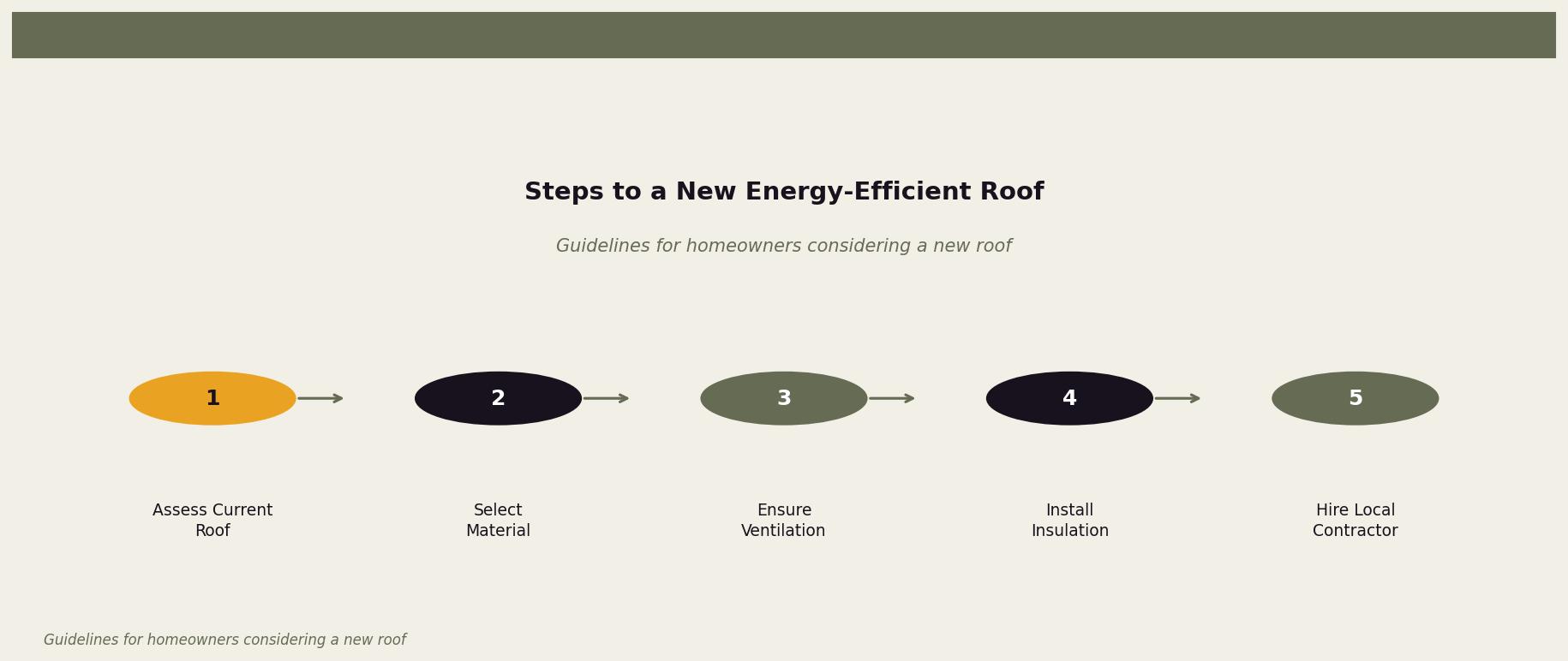
Step 1: Get a Professional Assessment
Don’t guess at your roof’s condition or energy performance. A qualified roofing contractor can evaluate your current roof, check your attic insulation and ventilation, and identify specific opportunities for improvement. Many contractors offer free inspections — just make sure you’re working with someone local who knows Minnesota conditions.
Step 2: Choose Materials With Energy Performance in Mind
Look for materials with a high Solar Reflectance Index (SRI) and strong insulating properties. Ask about Energy Star-certified products. Don’t just compare prices — compare expected lifespan and energy savings to understand the true cost of ownership.
Step 3: Address Insulation and Ventilation
A new roof surface alone won’t maximize your energy savings. Make sure your attic insulation meets current standards (R-49 to R-60 for our climate) and that your ventilation system is properly balanced with intake and exhaust. This is the time to fix any deficiencies — it’s much cheaper to address these issues during a roof replacement than as a separate project later.
Step 4: Hire Local Contractors Who Know Minnesota
This isn’t the place to cut corners. A roof installed incorrectly won’t deliver the energy savings you’re expecting and may fail prematurely. Work with established local contractors who understand our climate, carry proper licensing and insurance, and can provide references from other Twin Cities homeowners.
Step 5: Consider Timing and Financing
Roof replacements in Minnesota are typically best scheduled for late spring through early fall when weather conditions are favorable. If the upfront cost is a concern, ask about financing options — many contractors offer payment plans, and the energy savings will offset some of your monthly costs from day one.
The Investment That Pays You Back
A new roof isn’t a small purchase — but unlike many home improvements, it’s one that delivers measurable financial returns through lower utility bills, reduced repair costs, and increased home value. The National Association of Realtors consistently ranks roof replacement among the top home improvements for return on investment, with homeowners recouping 60-70% of costs at resale.
Add in the energy savings — potentially $200-$400 annually for a typical Twin Cities home — and an energy-efficient roof starts looking less like an expense and more like a smart financial move.
Ready to See What a New Roof Could Do for Your Home?
If your roof is getting up there in years, or you're tired of watching your energy bills climb every summer and winter, it might be time for a conversation. At Owl Roofing, we've helped homeowners across the Twin Cities — from Shoreview to Bloomington to downtown Minneapolis — upgrade to roofs that actually perform. We'll take a look at what you've got, tell you honestly what it needs, and walk you through your options without the sales pitch. We're your neighbors, not a franchise, and we've seen firsthand how the right roof makes a difference through Minnesota's wildest weather. Give us a call at 651-977-6027 or visit owlroofing.com/ to set up a free inspection. Protect Your Nest.
📍 Owl Roofing Serves the Entire Twin Cities Metro
Andover · Anoka · Apple Valley · Arden Hills · Big Lake · Blaine · Bloomington · Brooklyn Center · Brooklyn Park · Burnsville · Champlin · Chanhassen · Chaska · Columbia Heights · Coon Rapids · Cottage Grove · Crystal · deephaven · Delano · Eagan · East Bethel · Eden Prairie · Excelsior · Farmington · Forest Lake · Fridley · Golden Valley · Ham Lake · Hastings · Hopkins · Hugo · Inver Grove Heights · Lake Elmo · Lakeville · Lino Lakes · Mahtomedi · Maplewood · Mendota Heights · Minneapolis · Minnetrista · Mound · Mounds View · New Brighton · New Hope · North Oaks · North St. Paul · Oak Grove · Oakdale · Plymouth · Prior Lake · Ramsey · Richfield · Robbinsdale · Rosemount · Roseville · Saint Paul · Savage · Shakopee · Shoreview · South St. Paul · St. Louis Park · St. Michael · St. Paul · Stillwater · Vadnais Heights · Victoria · Waconia · wayzata · West St. Paul · White Bear Lake · woodbury
Licensed Minnesota roofing contractor · Free inspections · 10-year workmanship warranty · Get a free estimate →
