


How Long Should a Roofing Estimate Take
 13min Read
 Posted 12.31.2025
How Long Should a Roofing Estimate Take?

You’ve got three different roofing companies telling you three different things—one says they’ll have a quote by Friday, another mentioned “a week or so,” and the third guy just… disappeared. Sound familiar? Here’s the thing most Twin Cities homeowners don’t realize: a roofing estimate timeline tells you a lot about the contractor you’re dealing with, and knowing what’s normal versus what’s a red flag can save you serious headaches down the road.
Whether you’re dealing with storm damage from last week’s weather or finally addressing that aging roof you’ve been ignoring, understanding how long each step should take puts you in control. Let’s walk through exactly what to expect—from that first phone call to holding a detailed quote in your hands.
The Situation: Why Estimate Timelines Matter More Than You Think
Picture this: it’s late April in Shoreview, and the ice dams from winter have left their mark. You notice a water stain on your bedroom ceiling. Not huge, but definitely new. You call a roofer, and they say they’ll “get back to you.” A week passes. Then two. Meanwhile, every rainstorm has you eyeing that ceiling stain, wondering if it’s getting bigger.
This isn’t just annoying—it’s potentially expensive. The National Roofing Contractors Association (NRCA) emphasizes that even minor delays in addressing roof issues can lead to water damage, mold growth, or significantly increased repair costs. What starts as a $500 repair can balloon into a $5,000 problem if water keeps finding its way in.
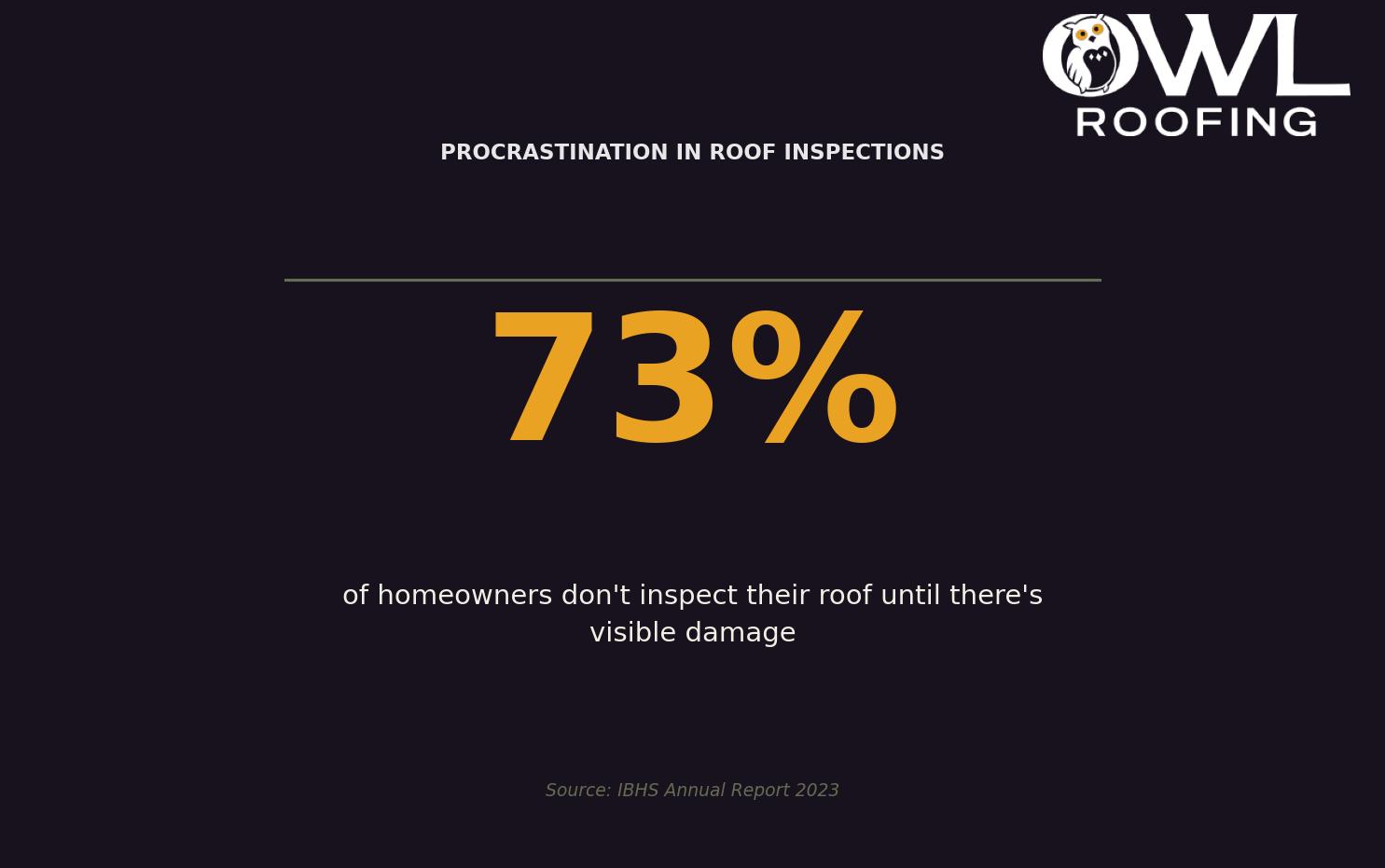
Here’s a stat that might surprise you: the Insurance Institute for Business & Home Safety (IBHS) found that 73% of homeowners don’t inspect their roof until there’s visible damage. That means most of us are already behind the curve when we finally pick up the phone. The last thing you need is a contractor who drags out the estimate process while your roof continues to deteriorate.
For Minnesota homeowners specifically, timing matters even more. Our freeze-thaw cycles are brutal on roofing materials. Water seeps into small cracks, freezes, expands, and creates bigger cracks. Rinse and repeat all winter long. By the time spring arrives, what looked like minor wear in October can be a genuine problem. Getting timely estimates—and acting on them—isn’t just good practice. It’s how you avoid nasty surprises.
The Task: Understanding What a Proper Estimate Involves
Before we talk timelines, let’s get clear on what should actually happen during a roofing estimate. This isn’t (or shouldn’t be) a guy glancing at your roof from the driveway and scribbling a number on the back of a business card.
What a Thorough Inspection Looks Like
A legitimate roofing estimate involves multiple components:
- Exterior inspection: Checking shingles, flashing, gutters, vents, chimneys, and any penetrations through the roof surface
- Interior assessment: Looking in your attic (if accessible) for signs of leaks, ventilation issues, or structural concerns
- Measurements: Accurate square footage calculations, including pitch and complexity factors
- Documentation: Photos and notes of current conditions, damage areas, and potential concerns
- Material evaluation: Assessing what materials are currently on your roof and what options make sense for replacement or repair
This isn’t a five-minute job. A contractor who rushes through the inspection is either cutting corners or planning to pad the estimate with “surprises” later. Neither scenario works in your favor.
What the Written Estimate Should Include
Once the inspection is complete, you deserve a detailed breakdown—not a vague total. A professional estimate should clearly outline:
- Scope of work (exactly what they’re proposing to do)
- Materials to be used, including brands and specifications
- Labor costs separated from material costs
- Timeline for completing the work
- Warranty information for both materials and workmanship
- Payment terms and schedule
- Permits and whether they’re included
Getting this level of detail takes time to prepare. That’s actually a good thing—it means the contractor is being thorough rather than throwing out numbers hoping one sticks.
The Action: A Realistic Roofing Estimate Timeline, Step by Step
Now let’s break down exactly how long each phase should take. These timelines represent what you should expect from a professional, responsive contractor—not the bare minimum, but the standard of a company that values your time and business.
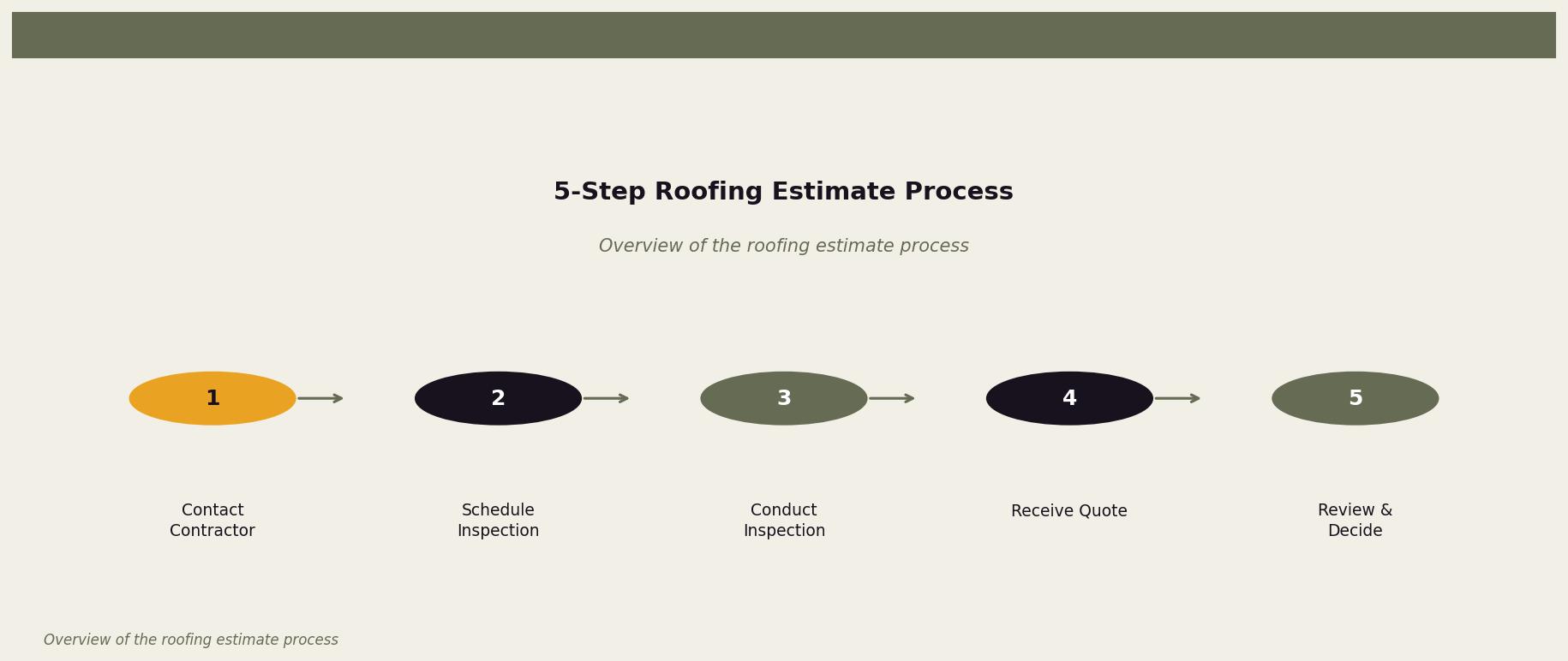
Step 1: Initial Contact and Response (24-48 Hours)
When you reach out to a roofing contractor—whether by phone, email, or through their website—you should hear back within one to two business days. Period. According to the NRCA, this initial response window is crucial because it sets the pace for your entire experience with that contractor.
During this contact, a good contractor will:
- Ask about your specific concerns or the reason for your call
- Give you a clear idea of their current availability
- Schedule an inspection time that works for your schedule
- Provide basic information about their company and process
If you’re leaving voicemails and waiting days for callbacks, that’s your first red flag. A contractor who can’t return a phone call promptly probably won’t communicate well during an actual project either.
Step 2: Scheduling the Inspection (Within 1 Week)
Once you’ve made contact, the inspection itself should happen within about a week, depending on the season. During peak roofing season (typically late spring through early fall in Minnesota), wait times might stretch slightly longer due to demand. But even then, two weeks should be the absolute maximum for scheduling.
Pro tip: if a contractor can come out tomorrow during peak season, ask yourself why they’re not busier. It could be fine—maybe they had a cancellation. Or it could signal that other homeowners know something you don’t.
Step 3: The Inspection Itself (1-2 Hours)
The on-site inspection typically takes between one and two hours, depending on your roof’s size and complexity. A small ranch-style home with a simple roof pitch might be closer to 45 minutes. A larger home with multiple levels, dormers, skylights, or complicated angles could take two hours or more.
Here’s what should happen during that time:
- The inspector should walk you through what they’re checking and why
- They should be willing to answer your questions on the spot
- Photos should be taken of any damage or concerns
- They should check interior spaces like attics when relevant
- Measurements should be taken, not just eyeballed
Be wary of inspections that feel rushed. If someone spends 15 minutes on your roof and hands you a quote, they’re guessing—and you might end up paying for those guesses.
Step 4: Receiving Your Detailed Quote (3-5 Business Days)
After the inspection, you should have a comprehensive written estimate in hand within three to five business days. This timeline allows the contractor to accurately price materials at current rates, calculate labor based on the specific scope, and account for any complications they identified during the inspection.
Why does this take a few days? Because doing it right requires:
- Measuring and calculating material quantities precisely
- Checking current pricing with suppliers (material costs fluctuate)
- Factoring in complexity, accessibility, and any special requirements
- Preparing clear documentation you can actually understand
- In some cases, consulting with specialists (structural engineers, etc.)
Same-day quotes aren’t necessarily bad for small repairs, but for larger projects or full replacements, be cautious of estimates that appear too quickly. Accuracy matters more than speed.
Step 5: Review, Questions, and Decision (Your Timeline)
Once you have estimates in hand—ideally from two or three contractors—take the time to review them carefully. A reputable contractor won’t pressure you to decide on the spot. They should be willing to answer follow-up questions, clarify anything confusing, and give you space to make an informed choice.
Add it all up, and a complete roofing estimate timeline—from first contact to quote in hand—should typically fall in the range of 8 to 14 days. Faster is possible for simple situations; slower might be necessary for complex projects. But if you’re approaching the three-week mark with no estimate in sight, something’s off.
The Result: What These Timelines Tell You About a Contractor
Here’s where it all comes together. A contractor who sticks to these timelines is demonstrating something important: they have their act together. They’re organized, they respect your time, and they understand that you’ve got a roof problem that needs solving—not a relationship that needs stringing along.
Red Flags to Watch For
Keep an eye out for these warning signs during the estimate process:
- No callbacks: If you can’t get them on the phone now, imagine trying during a project delay
- Vague timelines: “We’ll get to it when we can” isn’t a schedule
- Pressure tactics: “This price is only good today” is a sales trick, not a business practice
- Missing details: If the estimate doesn’t specify materials, scope, or timeline, what are you actually agreeing to?
- No inspection: Anyone quoting without seeing your roof is guessing (and probably guessing high)
Green Flags That Signal Professionalism
On the flip side, these are good signs:
- Prompt, clear communication from the first call
- Thorough inspection with photos and explanations
- Written estimate that breaks everything down
- Willingness to answer questions without deflecting
- No pressure to decide immediately
- Clear explanations of warranty coverage
Special Considerations for Twin Cities Homeowners
Minnesota throws some curveballs into the roofing estimate process that homeowners in milder climates don’t have to think about.
Seasonal Timing Matters
Our roofing season is shorter than most of the country. Once snow and ice settle in (usually by November), most roofing work pauses until spring. This creates a crunch in fall when everyone realizes they should have called months ago, and another rush in spring when winter damage becomes visible.
The sweet spot? Late summer through early fall for non-emergency work. You’ll face less competition for contractor attention, and there’s still time to complete work before winter.
Weather Delays Are Real
Even during the estimate phase, weather can throw off schedules. A week of rain might push your inspection back. An unexpected early snow could delay everything. Good contractors communicate proactively about these delays rather than leaving you wondering.
Material Availability Fluctuates
Regional reports from the National Association of Realtors (NAR) have noted that material availability can impact roofing timelines in specific markets. Supply chain issues, local demand spikes after major storms, and seasonal shipping challenges can all affect how quickly a contractor can nail down accurate pricing and start dates.
What You Can Do to Speed Things Up
Want to keep your roofing estimate timeline on the shorter end? Here’s how to help the process along:
- Be available: Return calls promptly and offer flexible inspection windows
- Know your roof’s history: When was it installed? Any previous repairs? What materials?
- Clear access: Make sure the contractor can safely reach all areas of your roof
- Prepare questions ahead: Having your concerns organized saves back-and-forth later
- Check your insurance: If storm damage is involved, know what your policy covers before the inspection
Ready to Get Started? Let Owl Roofing Take a Look
At Owl Roofing, we’ve been through this process hundreds of times with our Twin Cities neighbors, and we know that waiting and wondering is the worst part. That’s why we keep things simple: we’ll respond quickly, show up when we say we will, and give you a clear, detailed estimate you can actually understand—no decoding required.
We’re based right here in Shoreview, and we’ve been working on roofs across the Twin Cities for over 15 years combined. Tim, Bea, Noah, and Anya founded this company because we believed homeowners deserved better than pushy sales tactics and confusing quotes. We’re your neighbors, not a franchise or some storm-chasing crew that disappears after cashing your check.
If your roof needs attention—or you just want to know where it stands—give us a call at 651-977-6027 or visit owlroofing.com/ to schedule your inspection. We’ll take it from there.
Protect Your Nest.
📍 Owl Roofing Serves the Entire Twin Cities Metro
Andover · Anoka · Apple Valley · Arden Hills · Big Lake · Blaine · Bloomington · Brooklyn Center · Brooklyn Park · Burnsville · Champlin · Chanhassen · Chaska · Columbia Heights · Coon Rapids · Cottage Grove · Crystal · deephaven · Delano · Eagan · East Bethel · Eden Prairie · Excelsior · Farmington · Forest Lake · Fridley · Golden Valley · Ham Lake · Hastings · Hopkins · Hugo · Inver Grove Heights · Lake Elmo · Lakeville · Lino Lakes · Mahtomedi · Maplewood · Mendota Heights · Minneapolis · Minnetrista · Mound · Mounds View · New Brighton · New Hope · North Oaks · North St. Paul · Oak Grove · Oakdale · Plymouth · Prior Lake · Ramsey · Richfield · Robbinsdale · Rosemount · Roseville · Saint Paul · Savage · Shakopee · Shoreview · South St. Paul · St. Louis Park · St. Michael · St. Paul · Stillwater · Vadnais Heights · Victoria · Waconia · wayzata · West St. Paul · White Bear Lake · woodbury
Licensed Minnesota roofing contractor · Free inspections · 10-year workmanship warranty · Get a free estimate →
