




Why Roofing Quotes Vary so Much Explained
 11min Read
 Posted 11.09.2025
Why Roofing Quotes Vary So Much Explained
You called three roofers. You got three quotes. One’s $8,000, another’s $14,500, and the third guy came in at $22,000. Same roof. Same shingles. What gives?
Here’s the truth: roofing estimates aren’t random numbers pulled from thin air—but most homeowners have no idea what actually drives those differences. And when you don’t understand what you’re paying for, you’re basically flipping a coin on a decision that’ll protect your family for the next 20-30 years.
We’re going to break down exactly why roofing quotes vary so wildly, give you the real data behind the numbers, and show you how to spot the difference between a fair price and a rip-off. By the end, you’ll know exactly what questions to ask and what red flags to watch for.
Why Understanding Quote Differences Could Save You Thousands
Your roof isn’t just shingles and nails—it’s the thing standing between your living room and a Minnesota blizzard. And in the Twin Cities, we don’t mess around with weather. One bad roofing decision can mean ice dams in January, leaks in March, and a “small repair” that turns into a full replacement by next fall.
Here’s what makes this even trickier: the National Roofing Contractors Association (NRCA) reports that average roof replacement costs have climbed about 5% annually over the last decade. That means the quote that seemed “too high” three years ago might actually be the going rate today—and the suspiciously low quote might be cutting corners you can’t see.
Understanding why quotes differ isn’t just about saving money (though it’ll definitely help with that). It’s about knowing whether you’re comparing apples to apples—or apples to a bucket of rusty nails someone’s trying to pass off as premium fruit.
The Big Factors That Drive Quote Differences
Material Costs: Not All Shingles Are Created Equal
This one seems obvious, but there’s more to it than “expensive materials cost more.” The type of roofing material you choose creates a massive spread in pricing—and the quality within each category matters just as much.
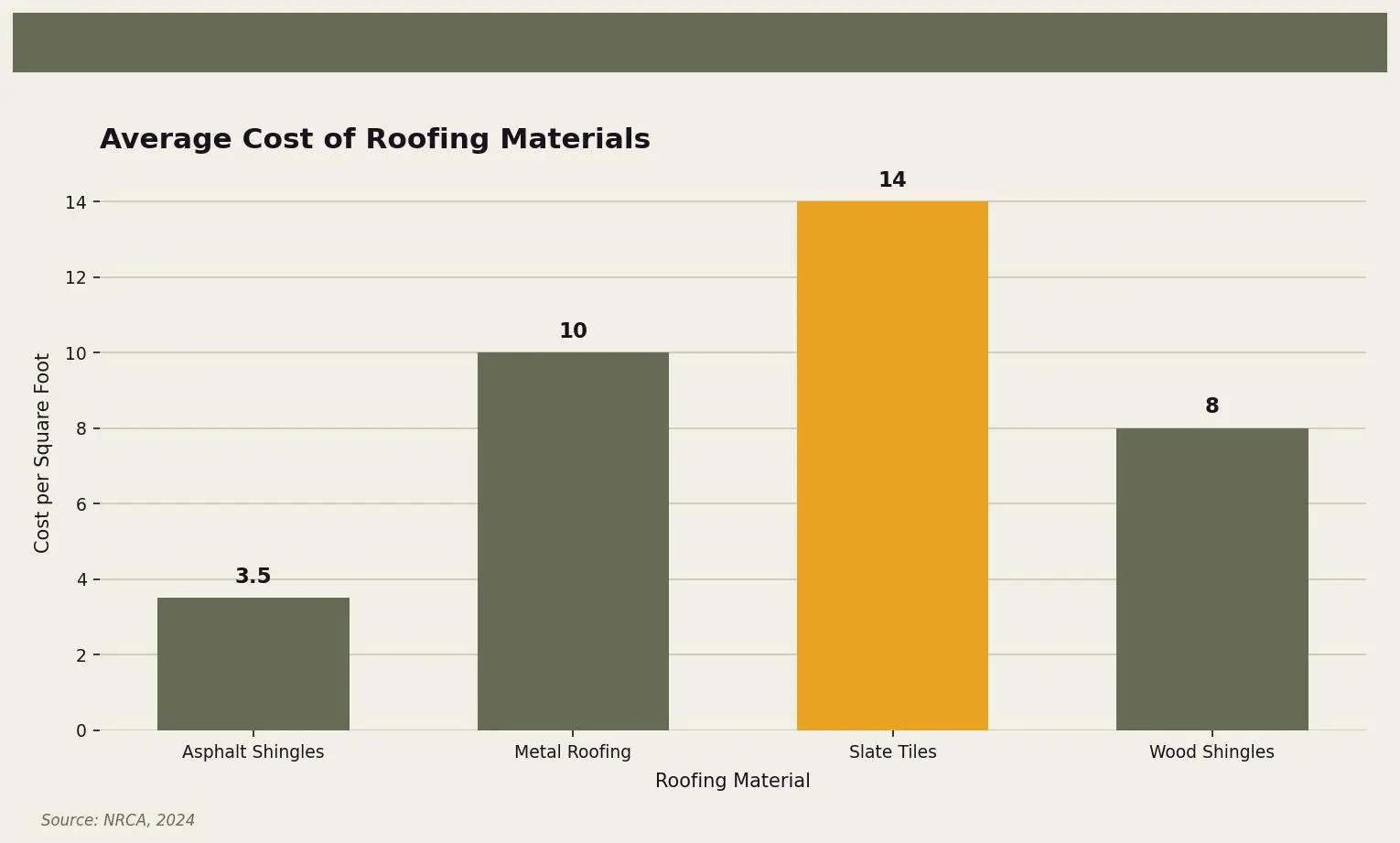
According to NRCA data, here’s what you’re looking at per square foot:
- Asphalt shingles: Around $3.50/sq ft—the most common choice for Twin Cities homes
- Wood shingles: About $8/sq ft—beautiful but require more maintenance
- Metal roofing: Roughly $10/sq ft—gaining popularity for durability
- Slate tiles: Up to $14/sq ft—premium option that can last 100+ years
But here’s what trips people up: even within asphalt shingles, you’ve got budget three-tab shingles, mid-range architectural shingles, and premium designer options. A contractor quoting basic three-tabs will come in way lower than one quoting 50-year architectural shingles—even though both technically “asphalt.”
And timing matters. After major storm seasons, material prices spike due to demand. That quote from June might look completely different in August after a hailstorm rips through the metro.
Labor Costs: You Get What You Pay For
Here’s where things get real. A roofing crew that’s been doing this for 15 years will charge more than a group of guys who started last month. And they should—because experience shows up in the details that matter.
The Insurance Institute for Business & Home Safety (IBHS) has studied this extensively, and their findings are sobering: improper installation is one of the leading causes of roofing failures and insurance claims. That “cheap” labor doesn’t feel so cheap when you’re filing a claim two winters later because the flashing wasn’t sealed properly.
Skilled roofers know how to:
- Install ice and water shield in the right places (critical for Minnesota)
- Properly flash around chimneys, vents, and skylights
- Ensure adequate attic ventilation to prevent ice dams
- Handle the unexpected—because every tear-off reveals surprises
When a quote seems suspiciously low, ask yourself: where are they cutting costs? Usually, it’s labor. And labor is exactly where you don’t want corners cut.
The Hidden Factors Most Homeowners Miss
Company Overhead: Size Matters (But Not How You’d Think)
Big roofing companies have big expenses—office staff, trucks, marketing budgets, warehouse space. Those costs get baked into their quotes. A two-person crew working out of a pickup truck doesn’t have that overhead, so their prices can be lower.
But here’s the flip side: larger companies often have more resources if something goes wrong. They’re more likely to have project managers keeping jobs on schedule, dedicated customer service people answering your calls, and the financial stability to honor warranties down the road.
Neither approach is automatically better. What matters is understanding what you’re paying for. A higher quote from an established company might include project management, job-site cleanup crews, and a warranty backed by a business that’ll still exist in 10 years. A lower quote might mean more DIY coordination on your end—and a warranty that’s only as good as one guy’s cell phone number.
Warranty and Insurance: The Fine Print Matters
Warranties are a sneaky place where quotes diverge. Some contractors offer basic manufacturer warranties (which only cover material defects). Others include workmanship warranties that cover installation issues. The best include both—and the difference in coverage can be massive.
According to the National Association of Realtors (NAR), 40% of homebuyers specifically prioritize homes with new roofs that carry long-term warranties. That’s not just peace of mind—it’s actual resale value.
Insurance is the other hidden variable. A properly insured roofing company carries:
- General liability insurance: Covers damage to your property during the job
- Workers’ compensation: Protects you if a worker gets injured on your roof
Companies without adequate insurance can charge less—but if something goes wrong, guess whose homeowner’s policy might be on the hook? (Hint: it’s yours.)
Why Minnesota Roofs Are a Different Animal
If you’ve lived in the Twin Cities for more than one winter, you know our weather doesn’t play nice. And that weather directly impacts what your roof needs to survive—and what it should cost.
Here’s a stat that should make every Minnesota homeowner sit up straight: the Census Bureau reports that Minnesota experiences an average of 54 freeze-thaw cycles per year. That’s 54 times your roof materials expand and contract. 54 opportunities for ice to form in tiny cracks, expand, and cause damage. 54 reasons why “good enough for Arizona” doesn’t cut it here.
A roofer who understands Minnesota conditions will account for:
- Ice and water shield: Required along eaves and valleys to prevent ice dam damage
- Proper ventilation: Keeps your attic cold in winter (counterintuitive, but it prevents ice dams)
- Cold-weather installation considerations: Shingles installed below 40°F need special handling
- Snow load capacity: Your roof structure needs to handle heavy Minnesota snow
A contractor from out of state—or one of those “storm chasers” who blow into town after every hail event—might not factor these things in. Their quote might look great on paper. Your roof might not look so great by February.
How to Actually Compare Quotes (Without Losing Your Mind)
Alright, here’s your action plan. Because knowing why quotes vary is only useful if you can apply that knowledge.
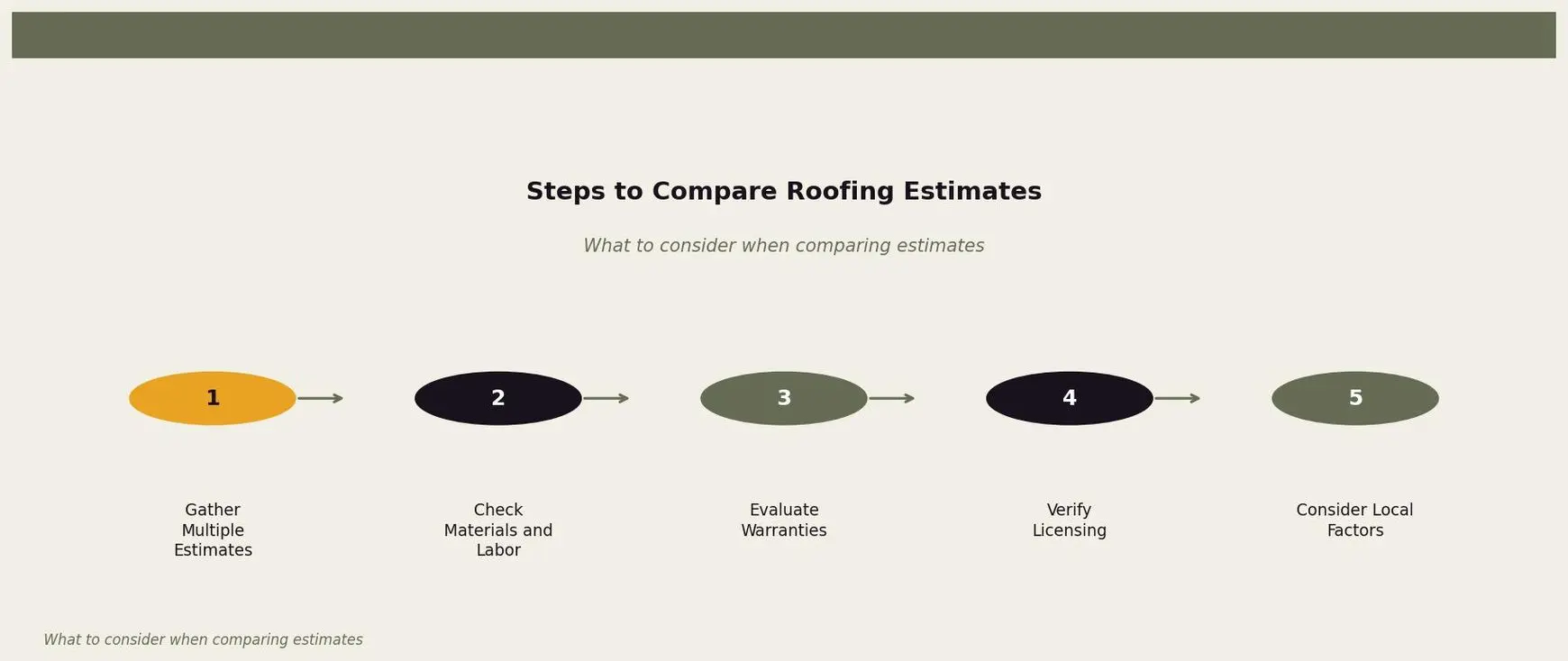
Step 1: Get at Least Three Estimates
Not two. Not five. Three gives you enough data to spot outliers without overwhelming yourself. If one quote is dramatically different from the others, that’s a red flag worth investigating—whether it’s high or low.
Step 2: Make Sure You’re Comparing Apples to Apples
Before you compare prices, line up the details:
- Same material type and quality level?
- Same scope of work (full tear-off vs. overlay)?
- Ice and water shield included? How much?
- New flashing around penetrations, or reusing old?
- Cleanup and haul-away included?
A $12,000 quote for architectural shingles with full tear-off isn’t comparable to a $9,000 quote for three-tab shingles laid over existing roofing. Make contractors specify what’s included.
Step 3: Verify Credentials (Every Single Time)
This takes 10 minutes and could save you thousands:
- Ask for their contractor license number and verify it’s active
- Request a certificate of insurance (both liability and workers’ comp)
- Check online reviews—but look for patterns, not individual complaints
- Ask for local references you can actually call
Step 4: Read the Warranty Fine Print
Ask specifically: What does your warranty cover? How long? What’s excluded? What happens if your company goes out of business? A warranty is only as good as the company standing behind it.
Step 5: Don’t Wait for Disaster
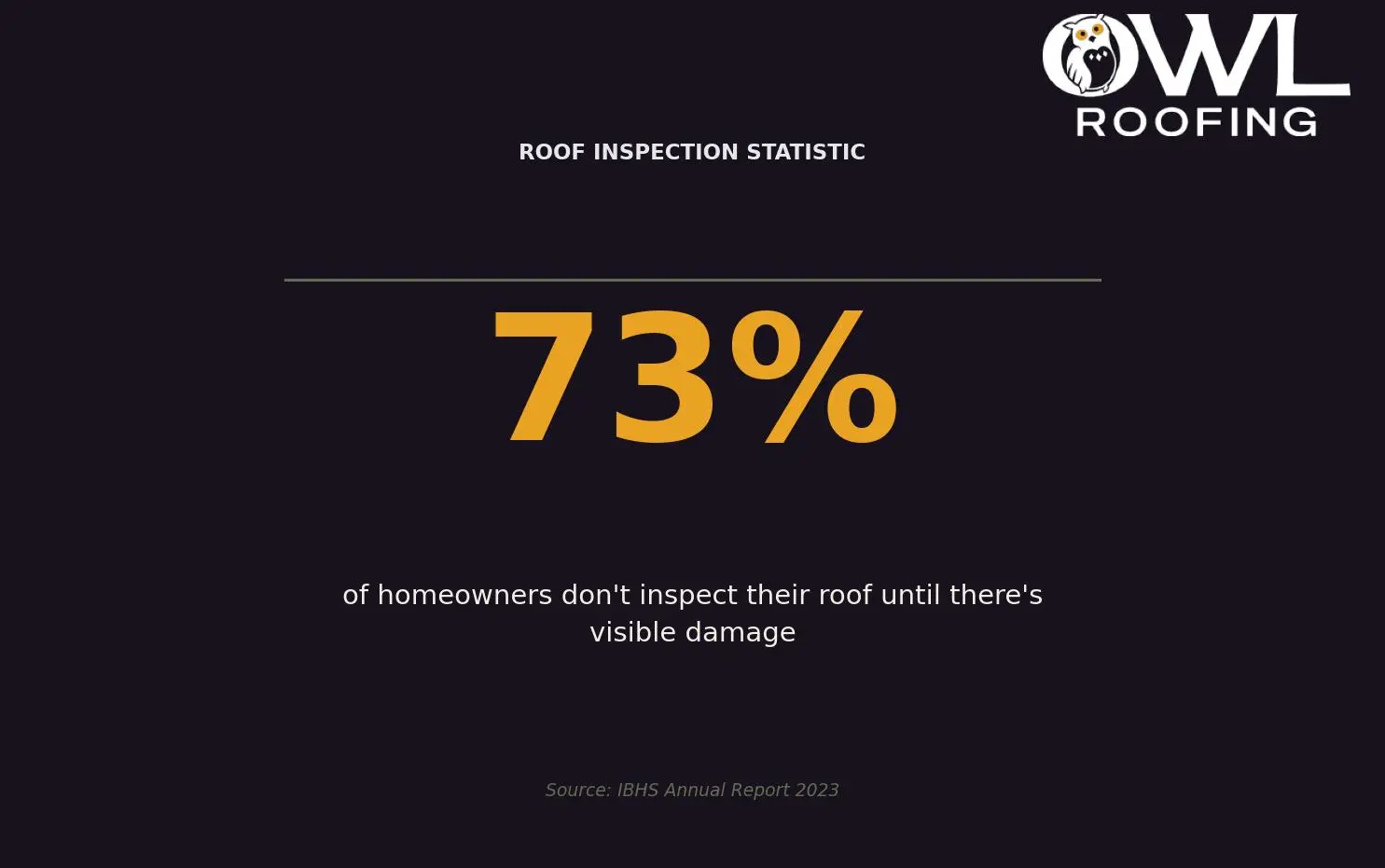
Here’s a sobering statistic from the IBHS: 73% of homeowners don’t inspect their roof until there’s visible damage. By then, you’re often dealing with emergency pricing, limited contractor availability, and interior damage that could have been prevented.
The best time to get quotes is when you don’t desperately need one. You’ll have time to compare carefully, negotiate if needed, and schedule the work when it’s convenient—not when water’s dripping through your ceiling.
The Bottom Line on Roofing Quote Differences
Wide-ranging roofing quotes aren’t a conspiracy—they’re a reflection of real differences in materials, labor quality, company overhead, warranties, and insurance coverage. The lowest price isn’t automatically a scam, and the highest price isn’t automatically the best value.
Your job as a homeowner is to understand what’s driving those differences and make a decision based on value, not just price. Ask questions. Demand specifics. Verify credentials. And factor in Minnesota’s unique climate challenges—because a roof that works in Texas won’t necessarily survive here.
When you know what you’re looking at, those confusing quotes start making sense. And that’s how you end up with a roof that actually protects your home—not just a piece of paper with a low number on it.
A Quick Word From Your Neighbors at Owl Roofing
We’re Owl Roofing—a family-owned company right here in Shoreview, serving homeowners across the Twin Cities. We’ve been explaining quotes and walking through estimates with our neighbors for years, because we believe you deserve to understand exactly what you’re paying for before you sign anything.
If you’re staring at a stack of confusing quotes and want a second opinion—or just want a straightforward estimate you can actually understand—give us a call at 651-977-6027 or visit owlroofing.com/. We’ll look at your roof, tell you what it needs, and give you honest numbers. No pressure, no storm-chaser tactics. Just neighbors helping neighbors make a smart decision.
Protect Your Nest.
📍 Owl Roofing Serves the Entire Twin Cities Metro
Andover · Anoka · Apple Valley · Arden Hills · Big Lake · Blaine · Bloomington · Brooklyn Center · Brooklyn Park · Burnsville · Champlin · Chanhassen · Chaska · Columbia Heights · Coon Rapids · Cottage Grove · Crystal · deephaven · Delano · Eagan · East Bethel · Eden Prairie · Excelsior · Farmington · Forest Lake · Fridley · Golden Valley · Ham Lake · Hastings · Hopkins · Hugo · Inver Grove Heights · Lake Elmo · Lakeville · Lino Lakes · Mahtomedi · Maplewood · Mendota Heights · Minneapolis · Minnetrista · Mound · Mounds View · New Brighton · New Hope · North Oaks · North St. Paul · Oak Grove · Oakdale · Plymouth · Prior Lake · Ramsey · Richfield · Robbinsdale · Rosemount · Roseville · Saint Paul · Savage · Shakopee · Shoreview · South St. Paul · St. Louis Park · St. Michael · St. Paul · Stillwater · Vadnais Heights · Victoria · Waconia · wayzata · West St. Paul · White Bear Lake · woodbury
Licensed Minnesota roofing contractor · Free inspections · 10-year workmanship warranty · Get a free estimate →
