


Should You Get Multiple Roofing Quotes
 13min Read
 Posted 1.01.2026
Opening Hook
Here’s a number that might make you wince: Twin Cities homeowners who skip comparing roofing quotes overpay by an average of $2,000 to $5,000 on a typical replacement. That’s a family vacation, a chunk of your emergency fund, or a really nice patio set—gone, just because you signed with the first contractor who knocked on your door after a storm.
We get it. When you’ve got water dripping into a bucket in your living room or shingles scattered across your Shoreview lawn after a June hailstorm, the urge to just *fix it now* is overwhelming. You’re not thinking about comparison shopping—you’re thinking about your ceiling, your sanity, and whether your insurance will cover any of this mess.
But here’s the thing: that panicked feeling is exactly what some contractors count on. And rushing this decision can cost you way more than money. It can mean shoddy work, voided warranties, and another repair bill in three years.
You deserve better than that. You deserve to feel confident that the person on your roof knows what they’re doing, charges a fair price, and will actually answer the phone if something goes wrong. This guide will show you exactly how to get there—step by step, no stress required.
Why Getting Multiple Roofing Quotes Actually Matters
Let’s be real: nobody *wants* to spend their Saturday afternoon collecting roofing bids. You’ve got better things to do. But think of it this way—would you buy a car from the first dealership you walked into without checking prices elsewhere? Would you hire a contractor to finish your basement based solely on a door hanger they left on your porch?
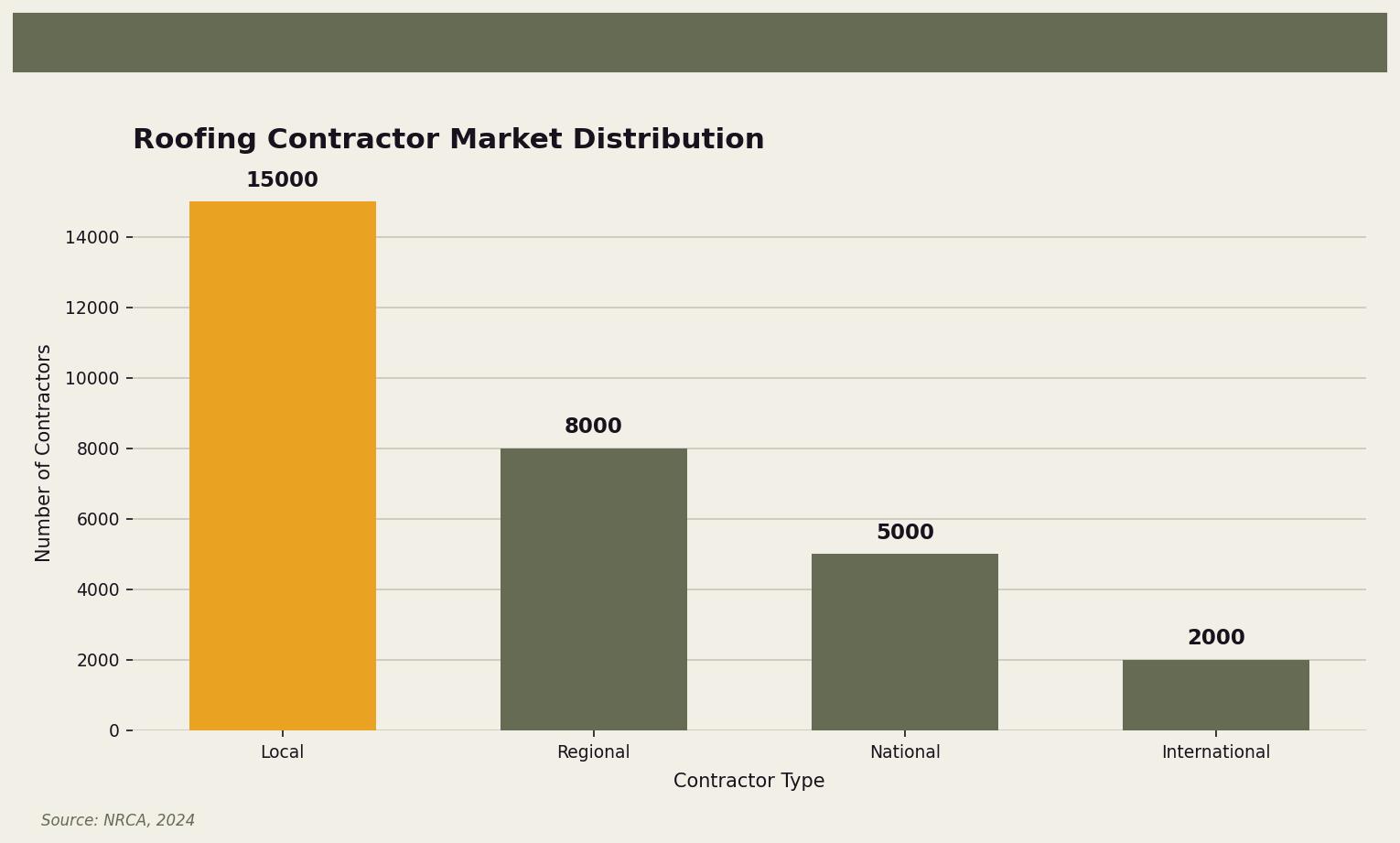
Your roof isn’t just another home improvement project. It’s the thing standing between your family and Minnesota’s finest weather tantrums—the February ice dams, the July hailstorms, the sideways rain that seems personally offended by your house. According to the National Roofing Contractors Association (NRCA), there are over 30,000 roofing companies operating in the United States. That’s a lot of options, and spoiler alert: they’re not all equally skilled, honest, or reliable.
Some are fantastic local companies who’ve been serving their communities for decades. Others are storm chasers who blow into town after bad weather, collect deposits, do questionable work, and disappear before you notice the problems. A few are somewhere in between—decent enough, but maybe not the best fit for your specific situation.
Getting multiple roofing quotes lets you see the full picture. You’ll quickly notice if one bid is suspiciously low (red flag) or outrageously high (also a red flag). You’ll be able to compare not just prices, but materials, timelines, warranties, and how each contractor communicates with you. That last part matters more than you might think—a contractor who won’t return your calls *before* they have your money definitely won’t return them after.
How Many Roofing Quotes Should You Actually Get?
The Sweet Spot: Three to Four Bids
Here’s where people often go wrong. Some homeowners get one quote and call it a day (risky). Others request ten quotes and end up so overwhelmed they can’t decide on anything (also not great). The Insurance Institute for Business & Home Safety (IBHS) recommends landing somewhere in the middle: three to four quotes gives you enough information to make a smart comparison without turning this into a part-time job.
Why does this range work so well? With three to four bids, you’ll start to see patterns. If three contractors quote you between $12,000 and $14,000 and one comes in at $7,500, that low bid should raise some serious questions. What are they skipping? What materials are they using? Are they actually licensed and insured in Minnesota? (You’d be surprised how many aren’t.)
On the flip side, if one quote is dramatically higher than the others, you can ask that contractor to explain the difference. Sometimes there’s a legitimate reason—maybe they spotted damage others missed, or they’re proposing higher-quality materials. Other times, they’re just hoping you won’t shop around.
Three to four quotes also keeps the process manageable. Each estimate typically requires a site visit, some back-and-forth communication, and time to review the details. Multiply that by ten contractors and you’ve lost a whole week. Keep it focused, keep it efficient, and you’ll actually make it to a decision.
Comparing Roofing Bids: What to Actually Look For
It’s Not Just About the Bottom Line
Got your quotes in hand? Great. Now comes the part where a lot of homeowners make mistakes—they flip straight to the total cost, pick the cheapest option, and cross their fingers. Don’t do that. The lowest bid isn’t always the best deal, and the highest bid isn’t automatically the best quality. You need to dig into the details.
Here’s what to compare:
- Scope of Work: Every quote should include a detailed breakdown of exactly what’s being done. We’re talking materials, labor, tear-off and disposal of your old roof, timeline, and any warranties included. If a bid is vague—”roofing work as discussed”—that’s a problem. Vague bids lead to surprise charges and arguments about what was actually promised.
- Materials Used: Not all shingles are created equal. The NRCA notes that roofing material lifespan can vary significantly depending on quality and type. A contractor quoting builder-grade shingles will come in cheaper than one proposing architectural shingles with a 50-year warranty—but you’ll pay the difference later in durability and curb appeal. Make sure you’re comparing apples to apples.
- Contractor Reputation: This is where a little homework pays off. Check Google reviews, ask for references, and actually call them. A contractor’s past work is often the best predictor of what they’ll do on your roof. Look for patterns—if multiple reviews mention poor communication or unfinished punch lists, believe them.
- Licensing and Insurance: In Minnesota, roofing contractors must be licensed. They should also carry liability insurance and workers’ compensation coverage. If a contractor can’t provide proof of both, walk away. An uninsured worker getting injured on your property can become your financial nightmare.
- Warranty Details: What’s actually covered, and for how long? Manufacturer warranties on materials are one thing, but you also want a workmanship warranty from the contractor. If their installation fails, you need them to fix it—not point fingers at the shingle manufacturer.
According to a 2023 report by the National Association of Realtors (NAR), homeowners who thoroughly vet their roofing contractors tend to see a higher return on investment and fewer issues down the line. Translation: the time you spend comparing now saves you money and headaches later.
Why Local Expertise Matters in the Twin Cities
Roofing isn’t one-size-fits-all, especially not in Minnesota. The Twin Cities experience a weather pattern that would make contractors in milder climates nervous—we’re talking brutal winters, ice dams that form when snow melts and refreezes at your eaves, humid summers, severe thunderstorms, and hail that can turn a healthy roof into Swiss cheese in fifteen minutes.
The Minnesota Department of Commerce specifically recommends choosing a contractor who understands local weather conditions. This isn’t just bureaucratic advice—it’s practical. A roofer from out of state might not know that proper attic ventilation is critical for preventing ice dams in Minnesota homes. They might not understand why certain underlayment materials perform better in our freeze-thaw cycle. They definitely won’t be around next winter when their shortcuts become your problem.
Local contractors also have established relationships with suppliers, which can mean better pricing and faster access to materials. When half the neighborhood needs roof repairs after a major storm (which happens every few years around here), those relationships matter. The storm chaser from Texas is at the back of the supply line. The local company that orders from the same distributor every week? They’re getting their materials delivered on time.
There’s also something to be said for accountability. A contractor who lives and works in your community has a reputation to protect. Their kids might go to school with your kids. They see their past clients at the grocery store. That kind of accountability tends to produce better work and better service than a company that’ll be three states away by the time you notice a problem.
Your Action Plan: From Quotes to Confident Decision
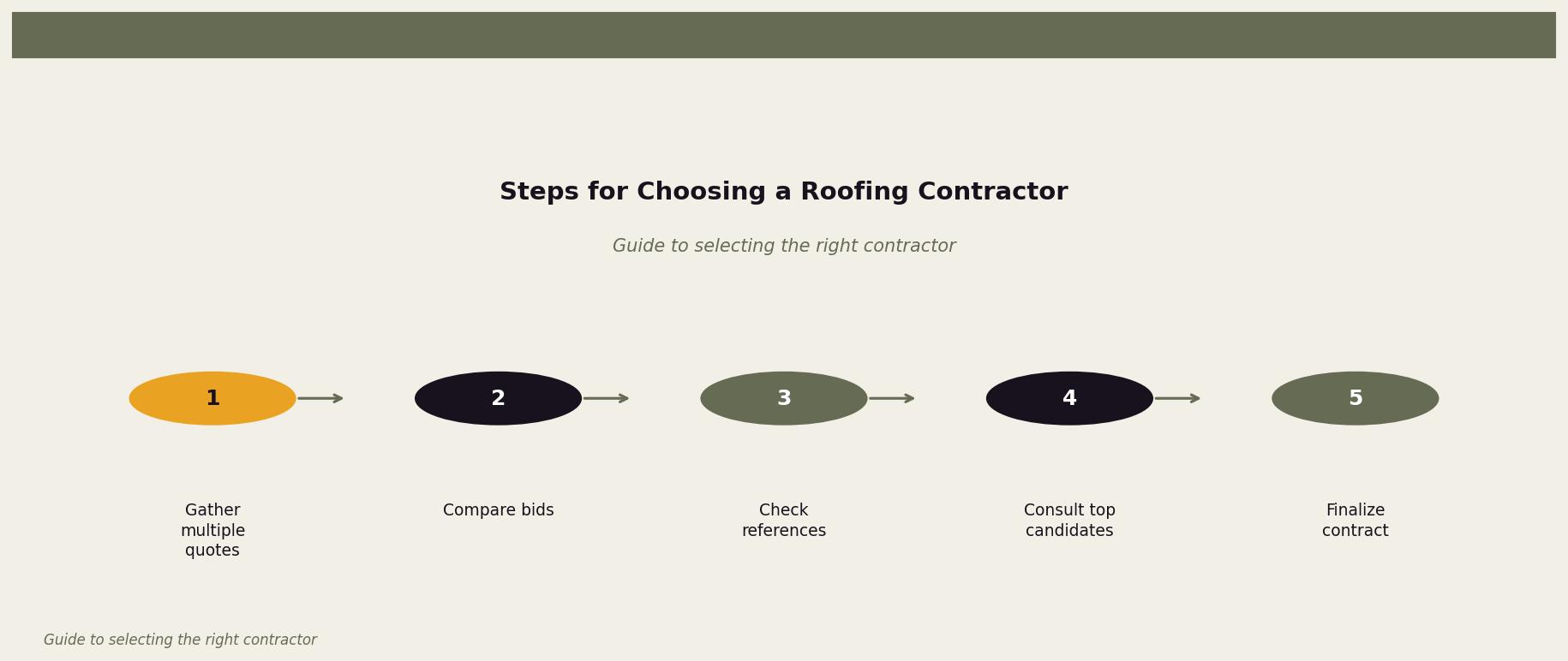
Alright, you’ve got your three to four quotes. You’ve compared the details. Now it’s time to narrow it down and make a choice. Here’s how to close this out like a pro:
Step 1: Schedule Consultations with Your Top Picks
Don’t just exchange emails and paperwork. Talk to the contractors who impressed you on paper. This is your chance to ask questions, clarify anything confusing in their bid, and get a feel for how they operate. Do they listen to your concerns? Do they explain things clearly without being condescending? Do they show up on time? These interactions tell you a lot about what working with them will actually be like.
Step 2: Trust Your Gut (It’s Smarter Than You Think)
Sometimes the numbers are similar and the materials are comparable, and it comes down to who you trust. That’s okay. A contractor who communicates well, answers your questions honestly, and seems genuinely invested in doing a good job is probably exactly that. The one who’s pushy, evasive, or too slick? Your instincts are picking up on something real.
Step 3: Get Everything in Writing
Before any work starts, make sure you have a signed contract that outlines all agreed-upon terms. This includes the scope of work, materials, timeline, payment schedule, warranty information, and what happens if there are unexpected issues (like hidden damage discovered during tear-off). A good contractor expects this and won’t be offended that you want it documented. A sketchy contractor will push back—and that tells you everything you need to know.
Step 4: Don’t Pay Everything Upfront
A reasonable deposit is normal—usually 10-30% to cover materials. But never pay in full before the work is complete. Your final payment is your leverage to make sure the job gets finished right. Any contractor demanding full payment upfront is waving a giant red flag in your face.
What Happens If You Skip This Process?
Look, we know comparing quotes takes time. And when you’re staring at a damaged roof, time feels like the one thing you don’t have. But here’s what’s at stake if you rush this decision:
Financial risk: Overpaying by thousands of dollars, or worse, paying for work that needs to be redone in a few years.
Quality risk: Ending up with subpar materials, sloppy installation, or a contractor who cuts corners where you can’t see them (until you can).
Safety risk: Unlicensed or uninsured contractors leaving you liable if something goes wrong.
Warranty risk: Improper installation can void manufacturer warranties on your shingles, leaving you unprotected when problems arise.
The storm chasers know all this. They count on your panic and urgency to make a quick sale before you have time to think. Don’t give them that advantage. A reputable contractor understands that you need time to make this decision and won’t pressure you to sign today.
Ready to Get Started? We’re Here to Help.
If you’re a Twin Cities homeowner staring down a roof repair or replacement, we’d love to be one of the quotes you collect. Owl Roofing is a family-owned company based right here in Shoreview—founded by Tim and Bea Brown alongside Noah and Anya Bergland, with over 15 years of combined roofing experience between us. We’re not a franchise, and we’re definitely not storm chasers passing through. We’re your neighbors, and we’ve seen every type of roof damage Minnesota weather can dish out.
We’ll give you a straightforward assessment, an honest quote with no hidden surprises, and we’ll answer every question you have—no pressure, no sales tactics. If we’re the right fit, great. If not, at least you’ll have a solid bid to compare against.
Give us a call at 651-977-6027 or visit owlroofing.com/ to schedule your free inspection. We serve Shoreview and the entire Twin Cities metro area.
Protect Your Nest.
📍 Owl Roofing Serves the Entire Twin Cities Metro
Andover · Anoka · Apple Valley · Arden Hills · Big Lake · Blaine · Bloomington · Brooklyn Center · Brooklyn Park · Burnsville · Champlin · Chanhassen · Chaska · Columbia Heights · Coon Rapids · Cottage Grove · Crystal · deephaven · Delano · Eagan · East Bethel · Eden Prairie · Excelsior · Farmington · Forest Lake · Fridley · Golden Valley · Ham Lake · Hastings · Hopkins · Hugo · Inver Grove Heights · Lake Elmo · Lakeville · Lino Lakes · Mahtomedi · Maplewood · Mendota Heights · Minneapolis · Minnetrista · Mound · Mounds View · New Brighton · New Hope · North Oaks · North St. Paul · Oak Grove · Oakdale · Plymouth · Prior Lake · Ramsey · Richfield · Robbinsdale · Rosemount · Roseville · Saint Paul · Savage · Shakopee · Shoreview · South St. Paul · St. Louis Park · St. Michael · St. Paul · Stillwater · Vadnais Heights · Victoria · Waconia · wayzata · West St. Paul · White Bear Lake · woodbury
Licensed Minnesota roofing contractor · Free inspections · 10-year workmanship warranty · Get a free estimate →
