


Roof Installation, Ventilation & Energy Performance: The Homeowner’s Complete Guide
 14min Read
 Posted 3.28.2026
A new roof is one of the largest home investments you’ll make, and understanding the installation process, ventilation requirements, and energy performance factors will help you get the most value from that investment. Whether you’re planning a replacement or simply want to understand what’s involved, this guide answers the most important questions homeowners have about roof installation, maintenance, and how your roof affects your home’s energy efficiency.
How long does it take to install a new roof?
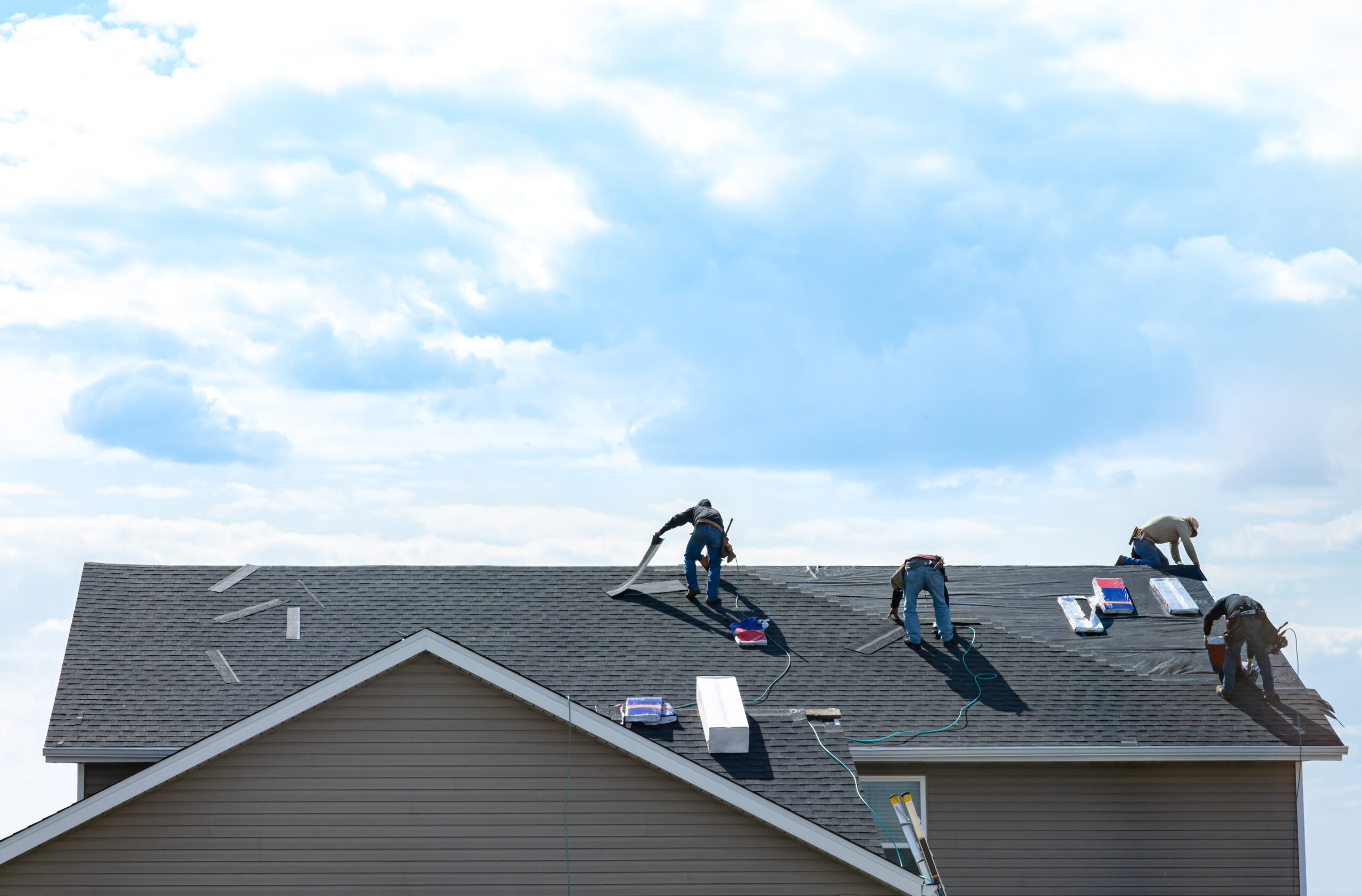
Most residential roof replacements are completed in one to three days, with the majority of average-sized homes (1,500–2,500 square feet) finished in a single day by an experienced crew. Factors that extend timelines include roof complexity (dormers, multiple valleys, steep pitch), the number of layers being removed, weather delays, discovery of rotted decking that needs replacement, or difficult access. Larger homes or those with intricate architecture may take 2–3 days. Contractors typically start early in the morning to maximize daylight hours and complete the waterproofing envelope before nightfall. If your contractor estimates significantly longer than 3 days for a standard home, ask detailed questions about why—it may indicate crew size issues or logistical problems rather than legitimate complexity. Quality installation is more important than speed, but most professional crews complete standard replacements efficiently within a one-day timeframe.
Can roofers work in winter?
Yes, roofing can be performed in winter in Minnesota, though it requires specific precautions and product knowledge. Asphalt shingles must be installed above certain temperature thresholds (typically above 40°F) because the adhesive strips need warmth to activate properly—in cold temperatures, shingles can be brittle and crack during installation, and adhesive may not seal for months until warmer temperatures arrive. Experienced Minnesota contractors use special cold-weather installation techniques: storing shingles in heated spaces until immediately before installation, hand-sealing adhesive strips with roofing cement, using cold-weather shingle products, and monitoring temperature forecasts carefully. Winter roofing is slower and requires more careful handling, which may slightly increase costs. Ice, snow, and short daylight hours add safety and logistical challenges. For emergency repairs, winter installation is preferable to leaving a damaged roof exposed; for planned replacements, spring through fall provides better conditions.
What do roofers do if it rains during installation?
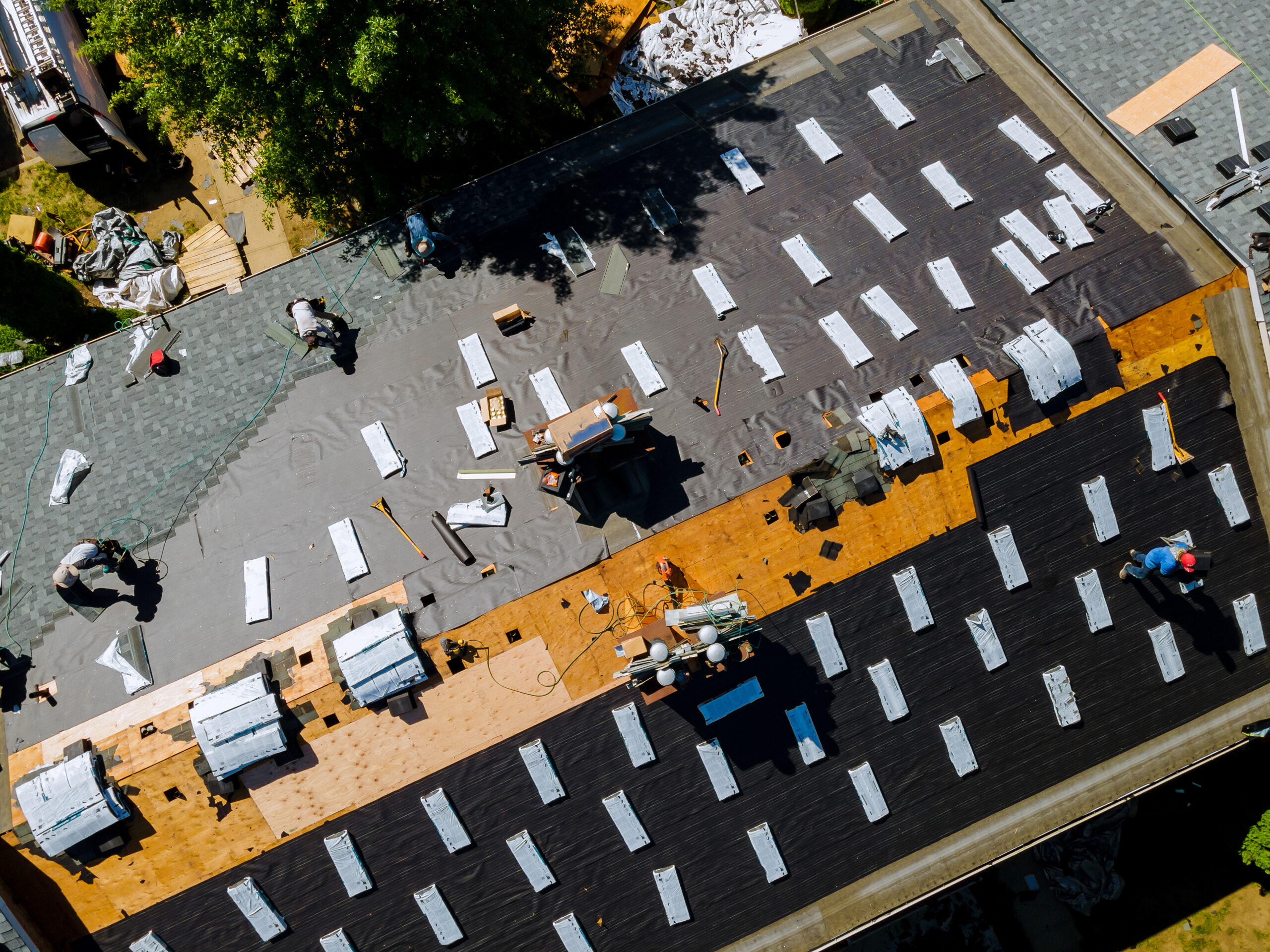
Experienced roofing contractors monitor weather forecasts carefully and plan installation around rain-free windows. When unexpected rain occurs mid-installation, crews secure exposed areas with tarps and waterproofing barriers to prevent water intrusion until work can resume. The underlayment (the waterproof membrane beneath the shingles) provides temporary protection if shingles haven’t been installed yet. Reputable contractors like Owl Roofing in Minnesota will never leave a home’s roof deck exposed overnight or during precipitation without proper protective coverings—this is a basic professional responsibility. Light rain on already-installed shingles is harmless; the problem is when rain hits exposed decking or areas where underlayment hasn’t yet been applied. Most professional contractors won’t start a full tear-off if significant rain is forecast within their installation window, as protecting the home during construction is a non-negotiable priority.
Do roofers always remove old shingles first?
In most cases, yes—professional contractors recommend complete tear-off of existing roofing before installing new material. While it’s technically possible (and cheaper) to “re-roof” by installing new shingles over old ones, this practice has significant drawbacks: it hides existing problems from inspection, adds weight to the structure, voids many manufacturer warranties, and creates a shorter lifespan for the new roof. Most building codes allow maximum 2 layers of shingles before complete tear-off is required. Re-roofing might be appropriate as a short-term solution on a budget or in specific circumstances, but for a quality long-term installation, tear-off is the professional standard. Full tear-off also allows inspection of the decking and other components, which often reveals hidden rot or damage that would otherwise be covered and continue to spread. Ask your contractor specifically about their recommendation and why.
What is ice and water shield and where does it go?
Ice and water shield (also called ice barrier or leak barrier) is a self-adhering, rubberized waterproof membrane applied to vulnerable areas of the roof deck before underlayment and shingles. It provides superior protection against ice dam water infiltration and wind-driven rain at the most vulnerable spots: eaves (the lowest 3-6 feet of the roof), valleys (where two roof planes meet), around all penetrations (chimneys, vents, skylights), and rakes (the sloped edges). In Minnesota, the International Building Code and Minnesota State Building Code require ice and water shield at eaves for a minimum of 24 inches inside the thermal envelope of the building—meaning it must extend far enough up the roof to protect against the worst ice dam events. High-quality contractors often install it more extensively than the minimum required. It’s one of the most important components for Minnesota roof performance and should always be included in a quality installation.
What’s the best time of year to replace a roof?
Late spring through early fall (May through October) is generally the best window for roof replacement in Minnesota. During this period, temperatures are ideal for shingle adhesion, days are long (allowing full-day installation), and weather patterns are more predictable. Late summer and early fall are often contractors’ busiest seasons, so scheduling earlier in the year typically means shorter wait times. Spring is excellent because it follows the harsh winter that may have damaged your roof and precedes storm season. Summer is effective but Minnesota’s thunderstorm season means more weather delays. Winter is possible but more challenging and expensive. The key consideration: don’t delay a necessary replacement just to wait for “perfect” timing—a damaged roof causes ongoing deterioration, and any experienced contractor can manage weather-related challenges. Book in advance because quality contractors often have wait lists of several weeks during peak season. Owl Roofing assesses ventilation on every project — balanced intake and exhaust makes a measurable difference in both shingle lifespan and energy costs.
Why does roof ventilation matter?
Proper roof ventilation is critical to the longevity of your roof system and the health of your home’s structural components. In summer, inadequate ventilation allows heat to build up in the attic—temperatures can reach 150°F+—which bakes shingles from below, accelerating granule loss and shingle degradation by 3-5 years. Excessive attic heat also increases cooling costs by transferring heat into living spaces. In winter, poor ventilation traps warm, moist air from the living space in the attic, where it condenses on cold roof decking, causing rot, mold, and structural damage. Proper ventilation also prevents ice dams by keeping the attic temperature uniform, preventing the uneven snow melting and refreezing that creates dangerous ice buildup at eaves. The principle is simple: continuous intake at the soffits and exhaust at the ridge create airflow that regulates temperature and moisture year-round.

Do ridge vents really work?
Ridge vents, when properly installed with corresponding soffit (intake) vents, are highly effective and represent the current professional standard for attic ventilation. The system works through the stack effect: cooler, denser air enters at the soffit vents along the lower eaves, heats up as it rises through the attic, and exits through the ridge vent at the peak. This passive system requires no electricity and operates continuously. The key is that both intake AND exhaust vents must be properly sized and installed—a ridge vent without adequate soffit ventilation is largely ineffective. Many older homes have ridge vents but blocked or insufficient soffits, which prevents proper airflow. Studies by Oak Ridge National Laboratory have shown that proper balanced ventilation (soffit + ridge) reduces attic temperatures by 15-20°F compared to inadequate ventilation, extending shingle life and reducing cooling costs. Your contractor should assess your full ventilation system, not just the ridge vent, during any roofing project.
Does a new roof improve energy efficiency?
A new roof can meaningfully improve energy efficiency when paired with proper ventilation, quality underlayment, and reflective or insulating materials. The most significant energy impact comes from: improved attic ventilation (reducing summer cooling loads), better insulation beneath the roof deck (reducing heat transfer in both directions), and reflective or “cool roof” shingles that reflect solar energy rather than absorbing it. Energy Star-rated roofing products can reduce peak cooling demand by 10-15%. In Minnesota, the heating season matters more than cooling, making insulation and air sealing under the roof deck more impactful than reflectivity. A poorly performing old roof with leaks, compromised insulation, and poor ventilation contributes to drafts, ice dams, and higher heating bills. Many homeowners notice reduced energy bills after replacing an aging roof due to improved system performance rather than any single component change. Owl Roofing installs ice and water shield, ensures balanced ridge-soffit ventilation, and evaluates attic insulation on every Minnesota job to address ice dams at the source.
How does proper roofing prevent ice dams?
Ice dams form when heat from the living space warms the roof deck unevenly: the middle of the roof is warm enough to melt snow, which flows down to the cold eaves and freezes into ice. As the ice builds up, it blocks drainage and water backs up under the shingles. Proper roofing prevents ice dams through three strategies working together: first, adequate attic insulation prevents heat from escaping through the ceiling; second, proper ventilation keeps the entire attic cold (matching outdoor temperatures), eliminating the warm-cold differential that causes uneven melting; third, ice and water shield membrane at the eaves provides waterproof protection even if water does back up under the shingles. None of these strategies works effectively alone—it requires all three. Unfortunately, many older Minnesota homes have inadequate insulation and ventilation, making ice dams nearly inevitable until the root cause is addressed. A properly ventilated, well-insulated roof with ice barrier installation is the lasting solution.
How does insulation affect roof performance?
Attic insulation is the thermal boundary between your conditioned living space and the unconditioned attic—without it, heat flows freely in both directions, increasing heating and cooling costs and creating the temperature differentials that cause ice dams. The Department of Energy recommends R-49 to R-60 of attic insulation for Minnesota (Climate Zone 6), which translates to 14-20+ inches of blown cellulose or fiberglass. Proper insulation must cover the entire attic floor uniformly, avoiding thermal bridging at rafters or gaps at eaves. When adding attic insulation, air sealing between the living space and attic should be done first—insulation over unsealed gaps is significantly less effective. Properly installed attic insulation can reduce heating costs by 15-20% in Minnesota’s climate. A roofing project is an excellent opportunity to assess and improve insulation, as contractors have access to the attic and can identify deficiencies before the new roof is installed.
How often should I have my roof inspected?
Professional inspections twice per year—spring and fall—are the industry recommendation, though many homeowners find every 2-3 years sufficient for newer roofs with no apparent issues. After any significant storm event (golf ball-sized hail or higher winds than 60 mph), an immediate inspection is advisable even if no visible damage is apparent from the ground. Attic inspections should be conducted annually by the homeowner, looking for daylight through the decking, moisture staining, mold, or frost in winter. Ground-level visual inspections after storms are valuable for spotting obvious missing shingles or debris impact points. Many reputable roofing contractors offer free or low-cost inspections, and some insurance companies request inspection documentation before renewing policies on older homes. The modest cost of regular professional inspection is far outweighed by catching problems early, before small issues become major failures requiring full replacement. Owl Roofing includes gutter inspection as part of every roofing estimate, since clogged gutters are one of the most preventable causes of roof edge damage.
Should I remove moss from my roof?
Yes—moss should be removed from roofing because it holds moisture against the shingle surface, accelerating deterioration. Moss also works its way under shingles and lifts them, creating gaps for water infiltration. The right approach is to use a roof-safe moss killer (zinc sulfate or potassium salts of fatty acids) applied during dry weather, allowing rain to rinse it away rather than pressure-washing which damages shingles. Preventive treatment is more effective than remediation: zinc or copper strips installed at the ridge slowly release compounds during rain that prevent moss and algae growth for years. Avoid pressure washing, which removes protective granules and can force water into the roof assembly. Algae-resistant shingles containing copper granules are available from most major manufacturers and represent a long-term prevention strategy at minimal additional cost over standard shingles. For heavy moss infestations, professional treatment followed by preventive strips is the most effective protocol.
Can clogged gutters damage my roof?
Yes—clogged gutters are a major and often underappreciated cause of roof damage. When gutters are blocked, water backs up and pools at the roof edge, where it infiltrates under shingles, fascia boards, and soffits. In winter, clogged gutters retain water that freezes and contributes to ice dam formation. Backed-up water also creates constant moisture contact with fascia and roof decking, accelerating rot at the roof’s edge. Over seasons, gutter overflow causes soil erosion around the foundation and water infiltration into basement walls. The fix is simple: clean gutters at least twice yearly (spring and fall), after heavy leaf fall, and consider leaf guards if large trees overhang your home. Proper gutter installation (with correct slope toward downspouts and adequate hanger spacing) ensures effective drainage. Replacing clogged gutters or adding extensions to downspouts prevents most overflow-related damage at minimal cost.
Understanding the installation process, ventilation requirements, and energy performance factors of your roof empowers you to make better decisions about maintenance, upgrades, and contractor selection. With proper installation, adequate ventilation, and regular maintenance, you’ll maximize your roof’s lifespan and minimize costly repairs. Work with qualified professionals, prioritize preventive care over emergency fixes, and your roof will serve your home reliably through Minnesota’s demanding climate.
📍 Owl Roofing Serves the Entire Twin Cities Metro
Andover · Anoka · Apple Valley · Arden Hills · Big Lake · Blaine · Bloomington · Brooklyn Center · Brooklyn Park · Burnsville · Champlin · Chanhassen · Chaska · Columbia Heights · Coon Rapids · Cottage Grove · Crystal · deephaven · Delano · Eagan · East Bethel · Eden Prairie · Excelsior · Farmington · Forest Lake · Fridley · Golden Valley · Ham Lake · Hastings · Hopkins · Hugo · Inver Grove Heights · Lake Elmo · Lakeville · Lino Lakes · Mahtomedi · Maplewood · Mendota Heights · Minneapolis · Minnetrista · Mound · Mounds View · New Brighton · New Hope · North Oaks · North St. Paul · Oak Grove · Oakdale · Plymouth · Prior Lake · Ramsey · Richfield · Robbinsdale · Rosemount · Roseville · Saint Paul · Savage · Shakopee · Shoreview · South St. Paul · St. Louis Park · St. Michael · St. Paul · Stillwater · Vadnais Heights · Victoria · Waconia · wayzata · West St. Paul · White Bear Lake · woodbury
Licensed Minnesota roofing contractor · Free inspections · 10-year workmanship warranty · Get a free estimate →
