


Roofing Contractor Red Flags to Avoid
 13min Read
 Posted 1.02.2026
Roofing Contractor Red Flags to Avoid
Last summer, a Roseville family paid $8,500 to a contractor who showed up three days after a hailstorm, promised a “full roof replacement,” and vanished after tearing off half the shingles. They’re still fighting to get their money back. And they’re not alone — roofing contractor red flags go unnoticed by thousands of Twin Cities homeowners every storm season, leading to half-finished jobs, voided warranties, and roofs that fail when the next Minnesota winter hits hard.
Here’s the thing: spotting a bad roofer isn’t hard once you know what to look for. But most people don’t learn the warning signs until after they’ve been burned. This article is going to change that. We’ll walk through the most common scams, the specific red flags that should make you run the other direction, and exactly how to protect yourself before you sign anything or hand over a single dollar.
Why Spotting Bad Roofers Matters More Than You Think
Your roof isn’t just shingles and nails — it’s the thing standing between your family and everything Minnesota weather throws at you. The ice dams in January. The hail in June. The wind-driven rain in October. When your roof fails, everything underneath it is at risk: your ceilings, your insulation, your electrical systems, your belongings, your sense of security in your own home.
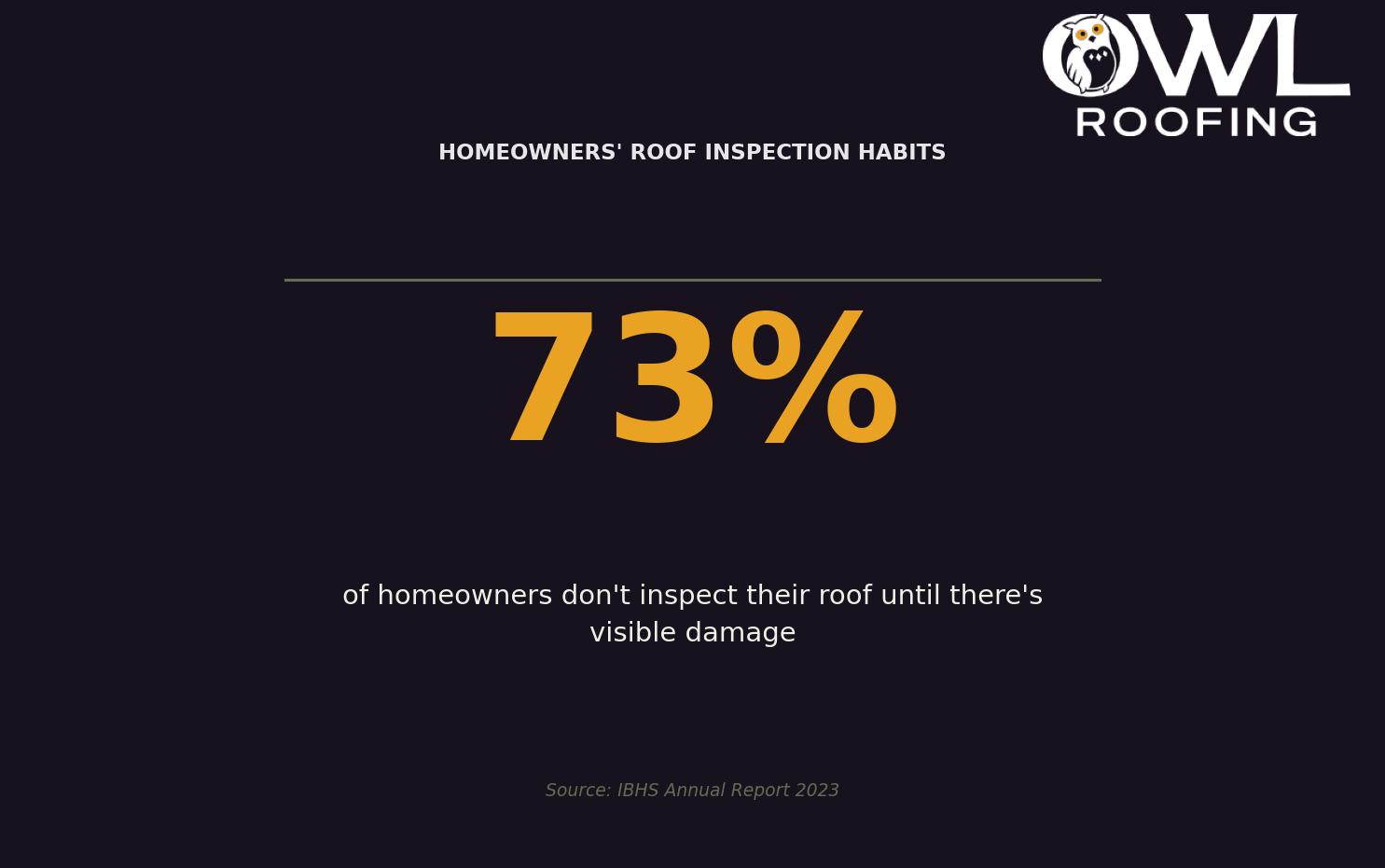
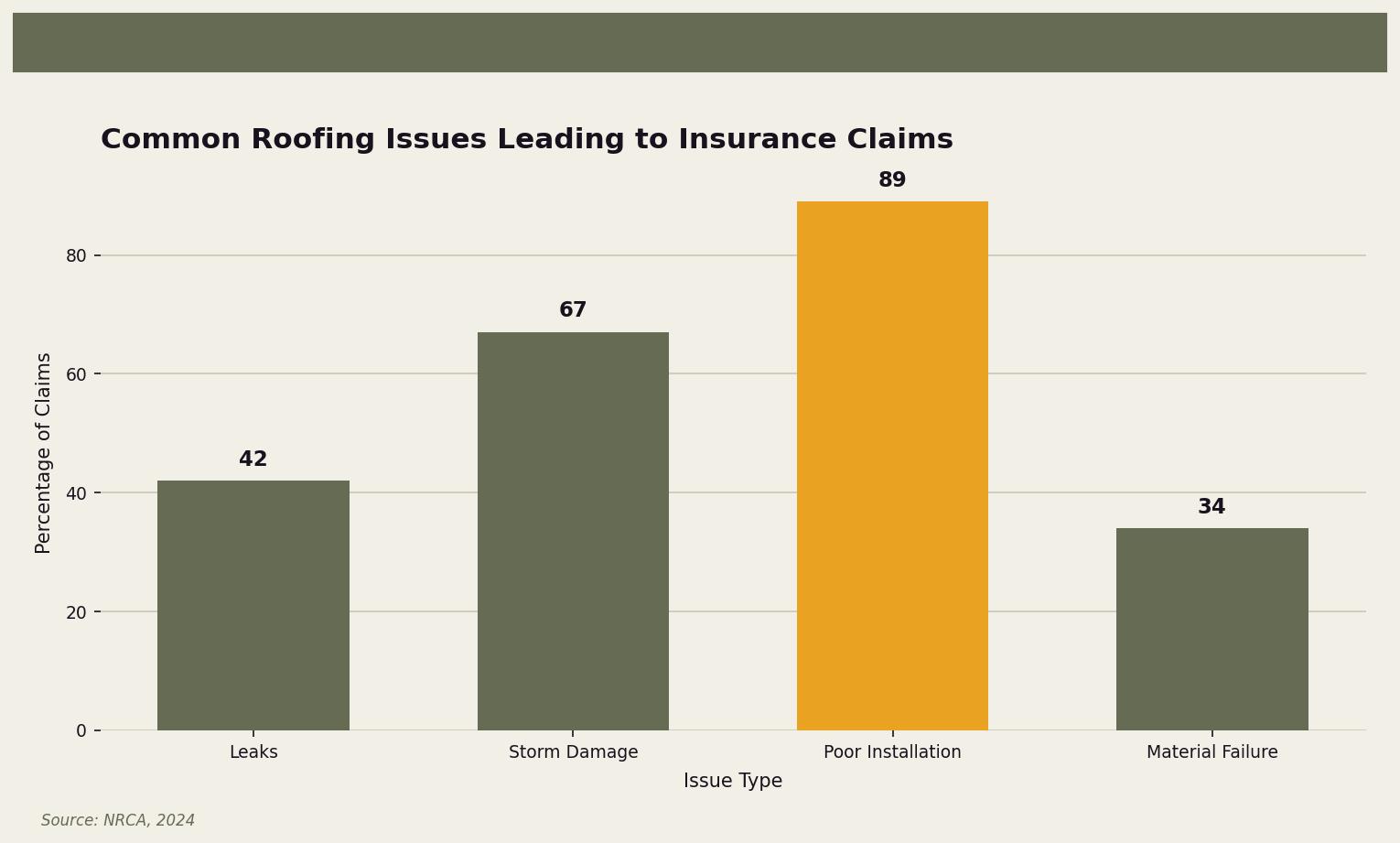
According to the National Roofing Contractors Association (NRCA), roofing issues account for approximately 40% of homeowners’ insurance claims annually. That’s not a small number. And here’s what makes it worse: a huge chunk of those claims stem from poor installation by unqualified contractors. The Insurance Institute for Business & Home Safety (IBHS) found that 73% of homeowners don’t inspect their roof until there’s visible damage — which means problems caused by shoddy workmanship often go undetected for years, quietly getting worse until they become emergencies.
Ignoring roofing contractor red flags doesn’t just cost you money on a bad repair job. It can void your manufacturer warranty (most require professional installation). It can cause your insurance company to deny future claims. It can tank your home’s resale value. And in the worst cases, it can put your family’s safety at risk.
The stakes are high. But the good news? The warning signs are usually obvious — if you know where to look.
The Storm Chaser Problem (And Why Minnesota Is a Target)
What Storm Chasers Actually Do
Let’s talk about the contractors who show up uninvited. You know the ones — they roll into town 48 hours after a big storm, knock on doors up and down the block, and offer to “take a quick look” at your roof for free. They’ve got out-of-state plates, a magnetic sign slapped on the truck, and a really compelling pitch about how they can get your insurance to cover everything.
These are storm chaser roofers, and they’re a genuine problem in the Twin Cities. They follow severe weather patterns across the country, swooping into damaged areas to take advantage of overwhelmed homeowners. Their business model depends on speed, not quality. They want to collect as many deposits as possible, do the bare minimum (or nothing at all), and be gone before you realize what happened.
The Better Business Bureau consistently ranks contractor complaints among the top ten annually, and a significant portion of those involve storm chasers. Common tactics include:
- Demanding full payment upfront — then disappearing without completing the work
- Using your insurance payout as leverage — pressuring you to sign before you’ve had time to think
- Offering “limited time” deals — creating false urgency so you don’t shop around
- Skipping permits entirely — which means no inspections and no accountability
- Using bottom-tier materials — while billing your insurance for premium products
The worst part? By the time you discover the problems — leaks, loose shingles, flashing that wasn’t sealed properly — the company has moved on to the next disaster zone. Good luck getting warranty service from a contractor who’s now three states away and doesn’t answer their phone.
Why the Twin Cities Sees So Many Bad Actors
Minnesota’s weather is a magnet for this kind of scam. Our summers bring severe thunderstorms and hail. Our winters bring ice dams and heavy snow loads. The freeze-thaw cycles we experience are brutal on roofing materials, and legitimate storm damage is common enough that there’s always a fresh pool of anxious homeowners to target.
The National Association of Realtors (NAR) emphasizes that local expertise matters enormously for roofing projects — contractors need to understand regional weather patterns, appropriate materials for the climate, and local building codes. Storm chasers don’t have that knowledge. They’re using the same techniques in Shoreview that they used in Texas last month, and those techniques aren’t designed for Minnesota winters.
The Complete Red Flags List: What to Watch For
Before They Even Start Working
Some bad roofer warning signs are obvious the moment a contractor makes contact. Trust your gut on these:
- No physical address. If they can’t tell you where their office is (and you can’t verify it exists), that’s a problem. A PO Box doesn’t count.
- No local references. A legitimate contractor should be able to point you to recent projects in your area with happy homeowners willing to vouch for them.
- Unwillingness to provide a written contract. Everything should be in writing — scope of work, materials, timeline, payment schedule, warranty terms. Verbal promises mean nothing.
- Pressure to sign immediately. “This price is only good today” is a manipulation tactic, not a real deadline. Good contractors understand you need time to make decisions.
- Requests for large deposits or full payment upfront. Standard practice is a reasonable deposit (10-30%) with the balance due upon completion. Anyone asking for 50% or more before they’ve touched your roof is a risk.
- No proof of insurance. Ask for certificates of liability insurance AND workers’ compensation. Then call the insurance company to verify the policy is active. This protects you if someone gets hurt on your property.
- No proper licensing. Minnesota requires roofing contractors to be licensed by the Department of Labor and Industry. This is non-negotiable. You can verify any contractor’s license status online in about 30 seconds.
During the Estimate Process
The Insurance Institute for Business & Home Safety (IBHS) warns that lowball quotes often result in cut corners and inferior materials. But how do you know what’s too low? Get multiple quotes. Compare them line by line. A legitimate estimate should include:
- Specific materials (brand, product line, color)
- Quantities and measurements
- Labor costs broken out separately
- Permit fees (yes, permits are required for roof replacements in Minnesota)
- Timeline for completion
- Warranty information — both manufacturer and workmanship
- What happens to the old materials (removal and disposal)
If a quote is vague — “roof replacement, $12,000” with no details — that’s a red flag. If a quote is dramatically lower than the others with no clear explanation, that’s a red flag too. Either they’re cutting corners you can’t see, or they’re planning to hit you with “unexpected” charges once the work begins.
The Online Review Trap
Yes, you should check online reviews. But maintain healthy skepticism — some ratings can be manipulated. Look for:
- Patterns over time. A company with consistent 4-star reviews over several years is more trustworthy than one with all 5-star reviews posted in the last month.
- Specific details. Real reviews mention specific employees, describe actual problems and how they were solved, and include realistic timelines.
- How the company responds to negative reviews. Everyone gets a bad review eventually. A professional company responds calmly and tries to make it right. A sketchy company gets defensive or ignores complaints entirely.
The best verification? Real-life recommendations from trusted neighbors. Ask on your neighborhood Facebook group. Talk to people at the block party. Word of mouth from someone who has no incentive to mislead you is worth more than a hundred anonymous online reviews.
Your Action Plan: How to Hire the Right Contractor
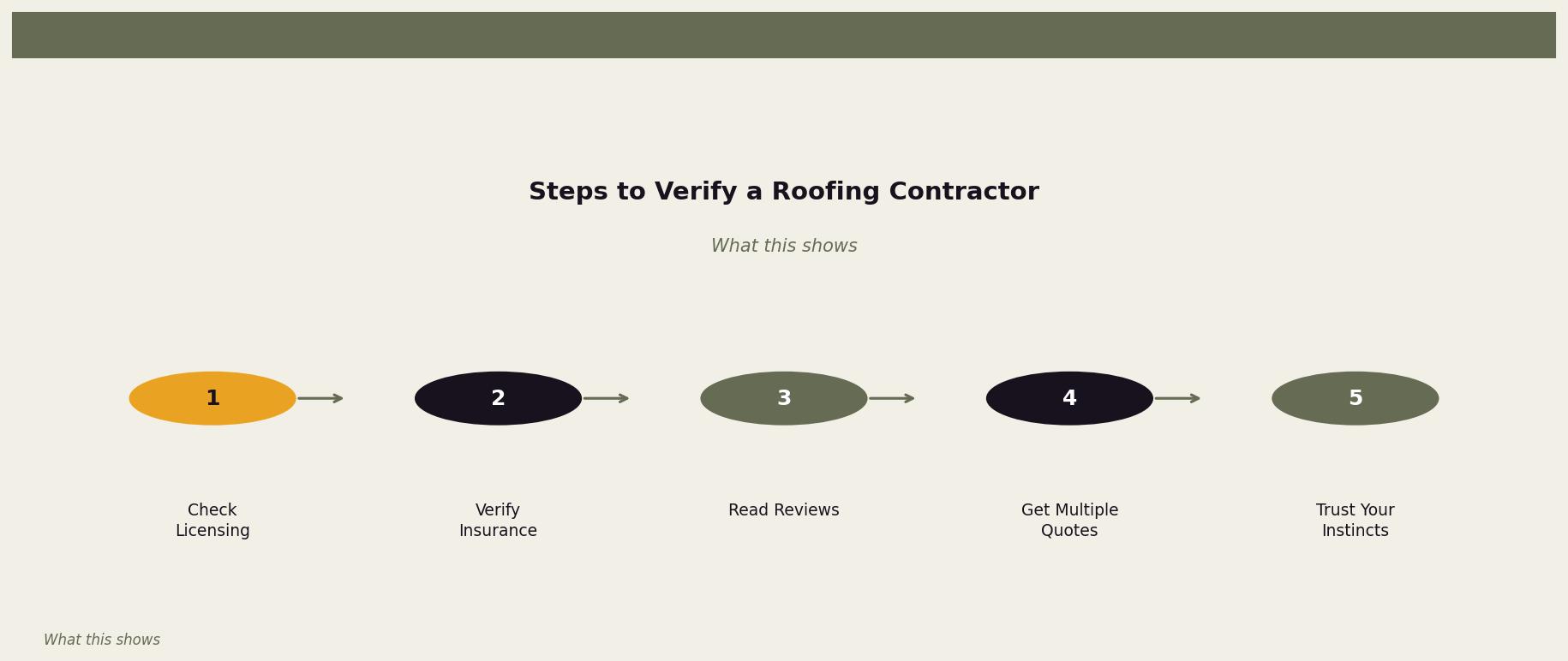
Protecting your home starts with doing your homework before the storm hits — not after. Here’s your step-by-step process:
Step 1: Build your list before you need it. Identify 3-5 well-reviewed local contractors now, while there’s no emergency. Save their contact info somewhere you can find it.
Step 2: Verify credentials. Check the Minnesota Department of Labor and Industry’s website to confirm each contractor is properly licensed. It takes two minutes and eliminates a huge category of risk.
Step 3: Request multiple quotes. Get at least three written estimates for any significant work. Make sure each contractor has actually inspected your roof — not just looked at it from the driveway.
Step 4: Ask questions. What materials do you recommend, and why? How long will the project take? What’s your warranty cover? What happens if we discover additional damage once work begins? A good contractor welcomes these questions. A bad one gets evasive.
Step 5: Trust your instincts. If something feels off — the contractor is pushy, the answers don’t add up, you’re getting a weird vibe — walk away. There are plenty of legitimate roofers in the Twin Cities. You don’t have to settle for one who makes you uncomfortable.
Step 6: Get everything in writing. The contract should include every detail you discussed: materials, timeline, payment schedule, warranty terms, and what happens if either party needs to make changes. If it’s not in the contract, it doesn’t exist.
Step 7: Don’t pay everything upfront. A reasonable deposit is fine. The balance should be due upon satisfactory completion, after you’ve had a chance to inspect the work.
When Your Neighbors Are Your Best Resource
Here’s something the big franchise companies won’t tell you: the best way to find a reliable roofer is to ask the people who live on your street. Your neighbors deal with the same weather you do. Their roofs face the same challenges. And if someone did a great job (or a terrible one) on the house three doors down, that’s information that directly applies to your situation.
Local contractors who’ve been in the community for years have a reputation to protect. They can’t afford to do shoddy work and disappear — they’re going to run into you at the grocery store. They depend on referrals from people who know each other. That accountability is worth a lot.
It’s also worth noting that local expertise matters for Minnesota roofs specifically. The freeze-thaw cycles we experience, the ice dam potential, the weight of wet snow on aging structures — these require specific knowledge about ventilation, materials, and installation techniques. A contractor who learned their trade in Florida isn’t equipped to handle what our climate demands.
Protect Your Home, Protect Your Investment
Navigating the world of roofing repairs and replacements can feel overwhelming, especially right after a storm when you’re stressed and everyone’s competing for your attention. But you don’t have to make decisions in a panic. You don’t have to trust the first person who knocks on your door. And you definitely don’t have to hand over thousands of dollars to someone who can’t prove they’re qualified.
The red flags we’ve covered — no local address, pressure tactics, lowball quotes, missing credentials, requests for upfront payment — these are the tells that separate legitimate professionals from people who are looking to take advantage of you. Now that you know what to look for, you’re in a much stronger position to protect your home and make decisions you’ll feel good about for years to come.
Your roof is one of the biggest investments you’ll make in your home. Choose someone who treats it that way.
Ready to Talk to Someone You Can Trust?
At Owl Roofing, we've seen every roofing contractor red flag in this article — usually because we're the ones homeowners call after they've been burned. We're based right here in Shoreview, family-owned by Tim & Bea Brown and Noah & Anya Bergland, and we've been serving our Twin Cities neighbors for over 15 years combined. No storm chasing. No high-pressure sales. No vanishing after the deposit clears. Just honest assessments, clear communication, and work we stand behind. If you've got questions about your roof — or you just want a second opinion on a quote that feels off — give us a call at 651-977-6027 or visit owlroofing.com/. We're happy to help. Protect Your Nest.
📍 Owl Roofing Serves the Entire Twin Cities Metro
Andover · Anoka · Apple Valley · Arden Hills · Big Lake · Blaine · Bloomington · Brooklyn Center · Brooklyn Park · Burnsville · Champlin · Chanhassen · Chaska · Columbia Heights · Coon Rapids · Cottage Grove · Crystal · deephaven · Delano · Eagan · East Bethel · Eden Prairie · Excelsior · Farmington · Forest Lake · Fridley · Golden Valley · Ham Lake · Hastings · Hopkins · Hugo · Inver Grove Heights · Lake Elmo · Lakeville · Lino Lakes · Mahtomedi · Maplewood · Mendota Heights · Minneapolis · Minnetrista · Mound · Mounds View · New Brighton · New Hope · North Oaks · North St. Paul · Oak Grove · Oakdale · Plymouth · Prior Lake · Ramsey · Richfield · Robbinsdale · Rosemount · Roseville · Saint Paul · Savage · Shakopee · Shoreview · South St. Paul · St. Louis Park · St. Michael · St. Paul · Stillwater · Vadnais Heights · Victoria · Waconia · wayzata · West St. Paul · White Bear Lake · woodbury
Licensed Minnesota roofing contractor · Free inspections · 10-year workmanship warranty · Get a free estimate →
