


Can Roofing Felt Get Wet Before Shingles
 10min Read
 Posted 1.13.2026
Can Roofing Felt Get Wet Before Shingles?
Your roofer just left for the day, and now it’s raining on your exposed underlayment. Panic mode: activated. Before you start Googling “how to tarp an entire house,” take a breath—because whether that wet roofing felt is a minor hiccup or a major problem depends on a few key factors most contractors never explain.
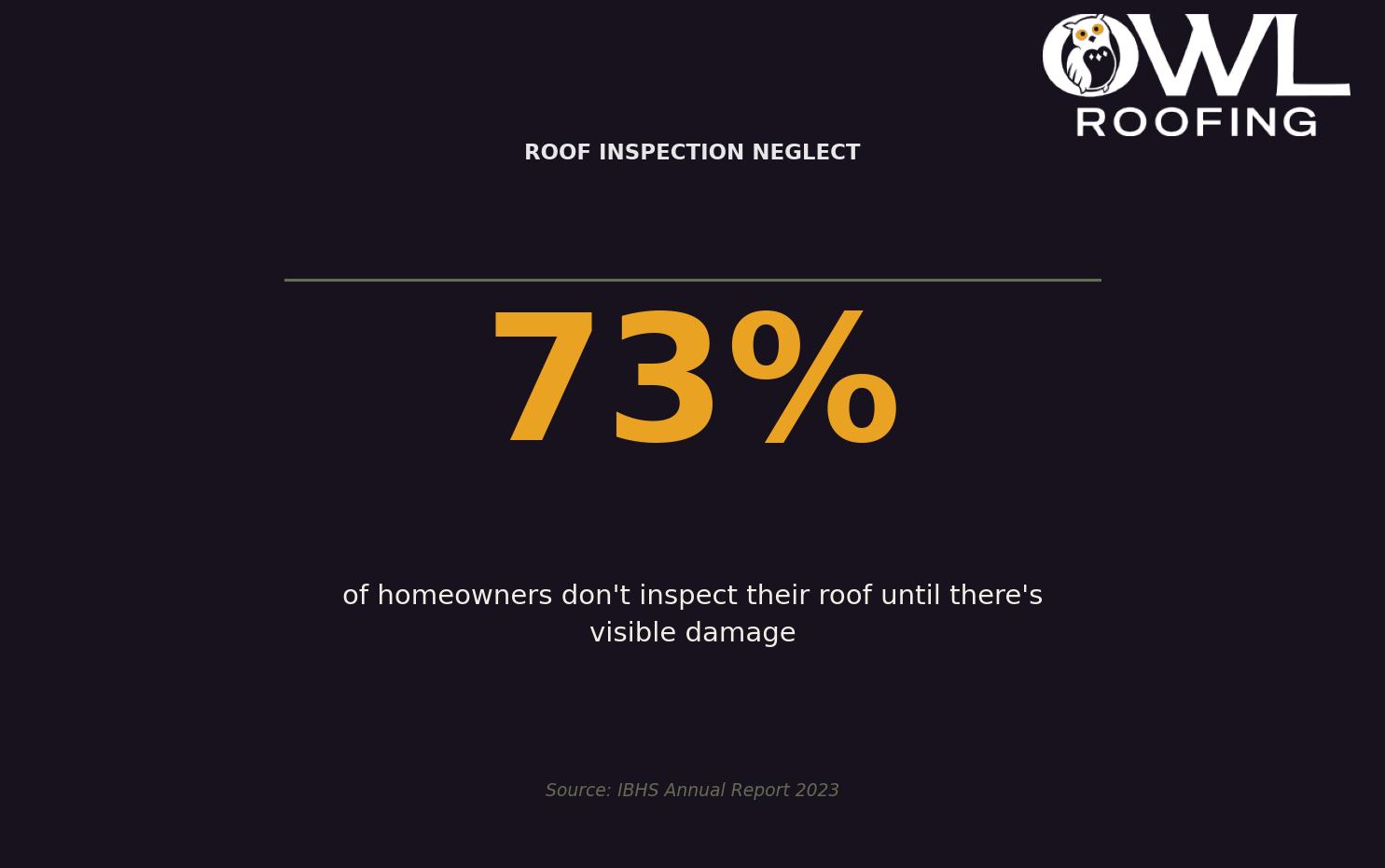
Here’s the thing: 73% of homes with water damage had compromised underlayment, according to the Insurance Institute for Business & Home Safety (IBHS). That’s not a typo. Nearly three-quarters of water damage cases trace back to that paper-thin layer sitting under your shingles right now. So yeah, this question matters—especially here in the Twin Cities, where Mother Nature treats weather forecasts like suggestions.
Why This Matters More Than You Think
Roofing felt (you might hear old-timers call it tar paper) isn’t just there for show. It’s your roof’s backup plan. When shingles fail—and eventually, they all do—that underlayment is the last thing standing between rainwater and your attic insulation, your ceiling drywall, and that box of Christmas decorations you keep meaning to organize.
The National Roofing Contractors Association (NRCA) puts it plainly: proper underlayment installation is non-negotiable. Skip it or mess it up, and you’re looking at structural damage, mold problems, and repair bills that make your eyes water worse than cutting onions.
For Twin Cities homeowners specifically, this isn’t theoretical. We get roughly 38 inches of snow annually (Census Bureau data), plus spring rain, summer storms, and those weird November days that can’t decide between sleet and sunshine. Your underlayment works overtime here. It needs to be installed right.
Understanding Roofing Felt: The Real Story on Water Exposure
What Actually Happens When Roofing Felt Gets Wet?
Let’s cut through the confusion. Roofing felt can handle getting wet—it’s literally designed to deal with moisture. But “can handle” and “should stay soaked” are two very different things.
When wet underlayment sits too long, here’s what goes wrong:
- Wrinkling and buckling: Wet felt expands. When it dries unevenly, you get bumps and ridges that show through your shingles and create weak spots.
- Tearing: Saturated felt loses tensile strength. Workers walking on it during installation can punch right through.
- Trapped moisture: Install shingles over wet felt, and you’ve just sealed water inside your roof system. Hello, mold. Hello, rot. Goodbye, warranty.
The NRCA’s guidance? Temporary moisture exposure is permissible. Key word: temporary. A passing shower during installation isn’t a catastrophe. A week of sitting exposed in October rain? That’s a problem.
The Critical Difference: A Quick Rain vs. Prolonged Soaking
Here’s where Twin Cities weather makes things interesting. We don’t get gentle, predictable rain. We get “sunny morning, torrential afternoon, freezing overnight” weather. Sometimes all in April.
The NRCA recommends that roofing felt shouldn’t remain exposed to the elements for more than a few days. In practice, that means:
- Light rain for an hour or two: Usually fine. Let it dry completely before shingling.
- Heavy rain overnight: Needs inspection. Check for ponding, soft spots, and tears.
- Multiple days of wet weather: Red flag territory. The felt may need replacement.
The smart play? Work with a contractor who watches the forecast like a hawk and has a plan for covering exposed areas if weather moves in. Roofing isn’t a “cross your fingers” business.
Roofing Felt vs. Synthetic Underlayment: A Straight Comparison
Durability and Weather Resistance
Traditional roofing felt has been the go-to for decades. It works. It’s proven. But synthetic underlayment has entered the chat, and it’s changing the game—especially for climates like ours.
According to the National Association of Realtors (NAR), synthetic options offer measurably better tear resistance and moisture protection. That matters when you’re dealing with:
- Workers walking on the roof during installation
- Wind-driven rain before shingles go down
- The general chaos of Minnesota weather patterns
Synthetic underlayments are typically made from polypropylene or polyethylene—materials that don’t absorb water like traditional felt does. They can often sit exposed longer without degrading (though “longer” doesn’t mean “indefinitely”—always check manufacturer specs).
From a pure performance standpoint, synthetic scores higher on durability ratings. Traditional roofing felt typically rates around 60 on standardized durability scales, while synthetic underlayment comes in around 85, according to NRCA data from 2024.
The Money Question: Is Synthetic Worth the Extra Cost?
Let’s talk dollars and sense. Synthetic underlayment costs more upfront—sometimes significantly more. That’s a fact. But here’s the math most people don’t consider:
The NAR report indicates that synthetic materials can extend your roof’s functional lifespan by several years. On a roof that costs $15,000-$25,000 (pretty standard for Twin Cities homes), adding even 3-5 years of life represents serious value.
Plus, synthetic’s better moisture resistance means:
- Less risk of trapped water during installation
- Fewer weather delays (contractors can work with more confidence)
- Reduced chance of early failure requiring tear-off and replacement
Is it right for every project? Not necessarily. A tight budget on a rental property might make traditional felt the smart call. But for your forever home? The upgrade often pays for itself.
Twin Cities-Specific Challenges: What Local Homeowners Need to Know
Here’s something out-of-state roofing guides won’t tell you: Minnesota’s freeze-thaw cycles are brutal on underlayment. That little bit of moisture that seemed harmless in October? Come January, it’s freezing, expanding, and cracking your protective layer from the inside out.
We cycle between freezing and thawing dozens of times per winter. Each cycle is like a tiny stress test on every component of your roof. Underlayment that got installed slightly damp—or that absorbed moisture through damaged shingles—deteriorates faster than the same material in a milder climate.
Smart moves for Twin Cities homeowners:
- Schedule summer or early fall installations when possible. More predictable weather means less drama.
- Ask about ice and water shield in valleys and along eaves. It’s a self-adhesive membrane that seals around nail penetrations—crucial for ice dam prevention.
- Don’t cheap out on underlayment to save money on materials. Labor is the biggest roofing expense; the underlayment upgrade is relatively small in the total budget.
- Hire local. A contractor who’s dealt with 15 Minnesota winters knows things a franchise operation rotating crews from Texas doesn’t.
What To Do If Your Underlayment Gets Wet
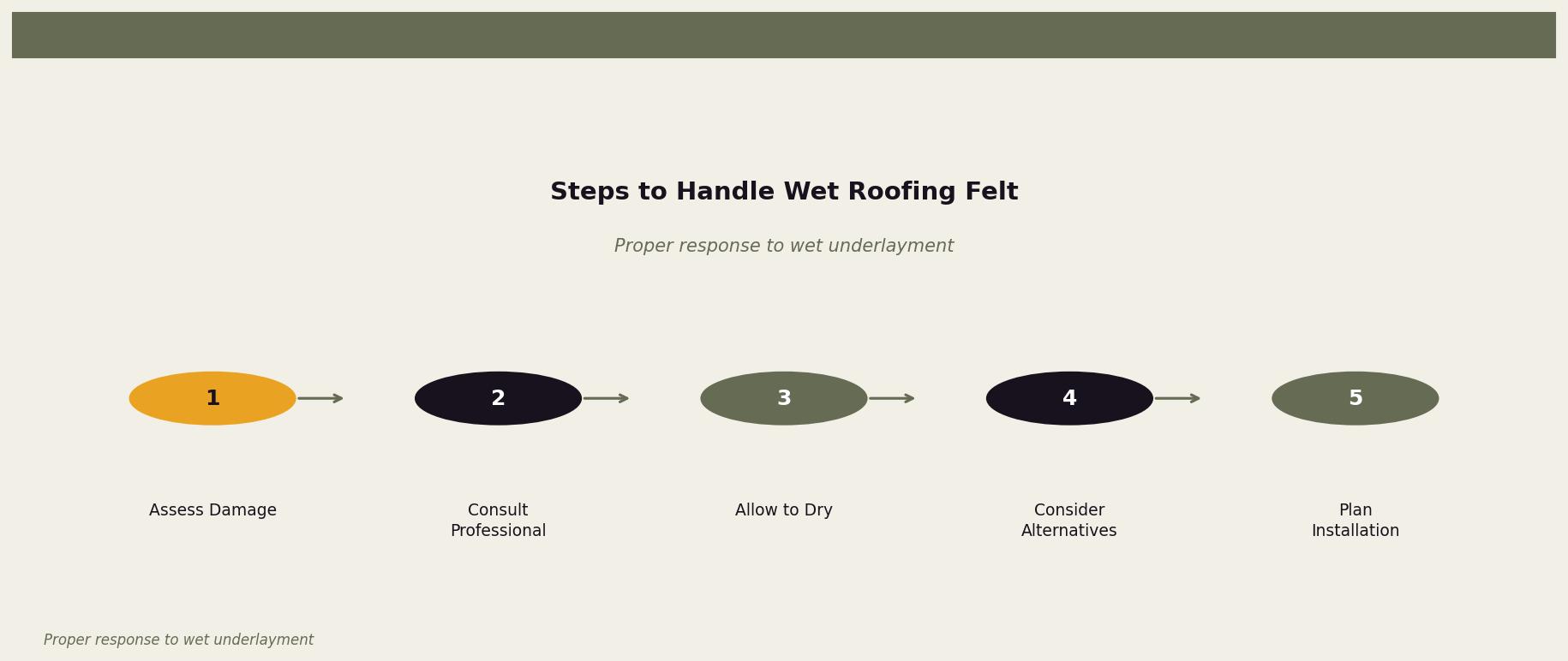
Caught in a mid-project rainstorm? Here’s your action plan:
Step 1: Assess the damage. Is the felt just surface-wet, or is it soaked through? Are there visible tears, bubbles, or areas where water pooled? Surface moisture from a brief shower is very different from standing water.
Step 2: Consult your contractor immediately. A good roofer will come back, inspect, and give you a straight answer about whether the material is compromised. If they brush off your concerns? That tells you something about who you’re working with.
Step 3: Allow complete drying. This isn’t optional. Felt needs to dry thoroughly before shingles go over it. Depending on humidity and temperature, that could be a few hours or a couple of days. Patience now prevents problems later.
Step 4: Consider alternatives if damage is significant. Sometimes, tearing off and replacing the wet section is cheaper than dealing with mold remediation in two years. Get a professional opinion.
Step 5: Plan the installation finish carefully. Check the extended forecast. Coordinate with your contractor on timing. Don’t rush to get shingles down just to “get it done”—that mentality creates callbacks.
Here’s a stat that should motivate you: 73% of homeowners don’t inspect their roofs until there’s visible damage (IBHS). By then, a small underlayment problem has often become a big structural problem. Be in the 27% who stay ahead of it.
The Bottom Line: Don’t Panic, But Don’t Ignore It
Can roofing felt get wet before shingles? Yes, and it often does during installation. Is that automatically a disaster? No—if it’s addressed properly.
The danger zone is dismissing moisture as “no big deal” and sealing wet materials under your shingles. That’s how small problems become mold, rot, and five-figure repair bills.
The safe zone is working with a contractor who understands Minnesota weather, plans for it, and responds honestly when things don’t go according to schedule. Roofing isn’t about perfection—it’s about proper responses to real-world conditions.
Owl Roofing: Your Twin Cities Neighbors
We’ve seen every kind of underlayment situation a Minnesota roof can throw at you—from “light sprinkle during install” to “full-on thunderstorm surprise.” Tim, Bea, Noah, and Anya have 15+ years of combined experience working on Twin Cities homes, and we’re based right here in Shoreview. Not a franchise. Not storm chasers passing through. We’re your neighbors, and we’ll be here next year when you have questions.
If you’re mid-project and worried about moisture, planning a new roof and weighing your underlayment options, or just want someone to take an honest look at what’s up there—give us a call at 651-977-6027 or visit owlroofing.com/. We’ll tell you what your roof actually needs, not what makes us the most money.
Protect Your Nest.
📍 Owl Roofing Serves the Entire Twin Cities Metro
Andover · Anoka · Apple Valley · Arden Hills · Big Lake · Blaine · Bloomington · Brooklyn Center · Brooklyn Park · Burnsville · Champlin · Chanhassen · Chaska · Columbia Heights · Coon Rapids · Cottage Grove · Crystal · deephaven · Delano · Eagan · East Bethel · Eden Prairie · Excelsior · Farmington · Forest Lake · Fridley · Golden Valley · Ham Lake · Hastings · Hopkins · Hugo · Inver Grove Heights · Lake Elmo · Lakeville · Lino Lakes · Mahtomedi · Maplewood · Mendota Heights · Minneapolis · Minnetrista · Mound · Mounds View · New Brighton · New Hope · North Oaks · North St. Paul · Oak Grove · Oakdale · Plymouth · Prior Lake · Ramsey · Richfield · Robbinsdale · Rosemount · Roseville · Saint Paul · Savage · Shakopee · Shoreview · South St. Paul · St. Louis Park · St. Michael · St. Paul · Stillwater · Vadnais Heights · Victoria · Waconia · wayzata · West St. Paul · White Bear Lake · woodbury
Licensed Minnesota roofing contractor · Free inspections · 10-year workmanship warranty · Get a free estimate →
