


How Roofing Technology Is Changing Today
 13min Read
 Posted 1.19.2026
How Roofing Technology Is Changing Today
Your roof just got a whole lot smarter—and that’s not a gimmick. While you were busy shoveling driveways and scraping windshields last winter, the roofing industry quietly revolutionized how we protect our homes. We’re talking sensors that text you before a leak starts, shingles that generate electricity, and materials specifically engineered to laugh at Minnesota’s brutal freeze-thaw cycles. For Twin Cities homeowners who’ve watched ice dams wreak havoc or worried about that mysterious stain on the ceiling, these roofing technology changes aren’t just cool—they’re game-changers.
Let’s break down what’s actually happening in roofing innovation, what it means for your home, and how to figure out if any of this makes sense for your situation.
Why Roofing Technology Changes Matter More Than You Think
Here’s the thing: your roof isn’t just shingles and nails. It’s roughly 40% of your home’s exterior surface area, your first line of defense against everything Minnesota throws at you, and—surprisingly—one of the smartest investments you can make.
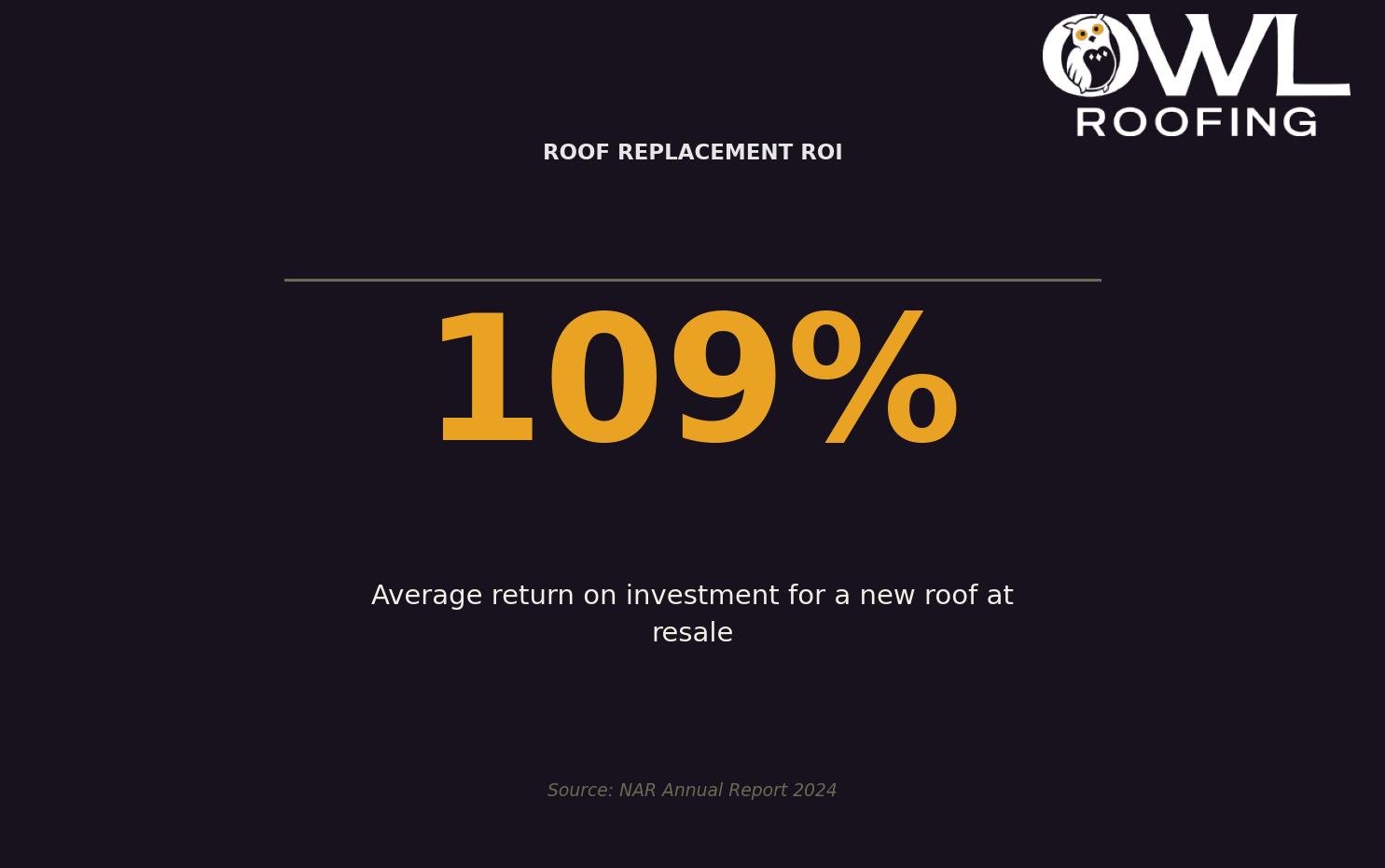
According to the National Association of Realtors (NAR), a new roof returns approximately 109% of its cost at resale. Read that again. That’s not “most of your money back”—that’s actually making money on the deal. Very few home improvements can claim that kind of return.
But ROI at resale is just one piece. The Insurance Institute for Business & Home Safety (IBHS) has documented how advanced roofing materials dramatically reduce weather damage. We’re talking about the difference between filing an insurance claim after every major storm and sleeping soundly while the hail hammers down outside.
For those of us in the Twin Cities, this matters more than in most places. Our roofs don’t just sit there looking pretty—they battle snow loads, ice buildup, temperature swings of 100+ degrees between seasons, and the occasional derecho that blows through. Traditional roofing materials can handle this. Modern roofing technology handles it better, longer, and often while saving you money in the process.
Smart Roofing Technology: Your Roof Gets a Brain
How Sensors and Data Analytics Actually Work
The Feature: Smart roofing systems embed tiny sensors throughout your roof structure. These sensors continuously monitor temperature, moisture levels, and structural stress points—then send that data to your phone or computer.
The Advantage: Instead of discovering a problem when water starts dripping onto your couch, you get an alert when moisture levels first spike in a specific area. That’s the difference between a $200 repair and a $15,000 disaster.
The Benefit: For Twin Cities homeowners, this early warning system is particularly valuable during our notorious freeze-thaw cycles. Here’s what happens: snow melts during a warm spell, water seeps into tiny cracks, then refreezes and expands when temps drop again. Each cycle makes the damage worse. Smart sensors catch this process in its early stages, when fixing it is simple and cheap.
Think of it like this: traditional roof maintenance is like going to the doctor only when you’re already sick. Smart roofing is like having a fitness tracker that warns you before problems develop. You’re not just reacting anymore—you’re preventing.
Real-World Applications
Smart technology isn’t just for tech enthusiasts or luxury homes. Practical applications include:
- Moisture mapping: Pinpoints exactly where water is infiltrating, so repairs target the actual problem instead of guessing
- Load monitoring: Alerts you when snow accumulation reaches concerning levels (critical for flat or low-slope roofs)
- Temperature tracking: Identifies hot spots that indicate poor ventilation or insulation problems
- Structural movement detection: Catches settling or shifting before it causes visible damage
The technology is still relatively new, so not every roofing contractor offers it. But it’s worth asking about, especially if you’re already planning a roof replacement or major repair.
Innovative Roofing Materials: What’s Actually New
Solar Roofing: Power Generation Meets Curb Appeal
The Feature: Solar roofing integrates photovoltaic cells directly into roofing materials—either as solar shingles that look nearly identical to traditional shingles, or as sleek panels designed as part of the roof system rather than bolted on top.
The Advantage: Unlike traditional solar panels that sit on racks above your existing roof, solar roofing maintains your home’s aesthetic while generating electricity. No bulky equipment, no awkward angles, no “that house with the solar panels” look (unless that’s what you’re going for).
The Benefit: According to the National Renewable Energy Laboratory (NREL), homes with solar roofing can save up to 40% on energy bills annually. In Minnesota, where we’re running the furnace for five months and the AC for three, those savings add up fast. Plus, solar roofing qualifies for federal tax credits and various state incentives—making the initial investment more manageable than you might expect.
A few honest caveats: Solar roofing costs more upfront than traditional roofing plus separate panels. The technology works best on south-facing roof sections with minimal shade. And Minnesota’s cloudy winters do reduce output (though our long summer days help balance that out). It’s not the right choice for every home, but for many Twin Cities homeowners, the math works out favorably over a 20-25 year roof lifespan.
Polymer-Modified Asphalt Shingles: Tougher Than They Look
The Feature: Traditional asphalt shingles get a significant upgrade with polymer modification. Manufacturers add rubberized polymers to the asphalt, creating a more flexible, durable material.
The Advantage: The National Roofing Contractors Association (NRCA) notes that polymer-modified shingles demonstrate superior resistance to extreme weather conditions—including the high winds and hail that Minnesota serves up regularly. They flex instead of cracking, maintain their integrity across wider temperature ranges, and resist UV degradation better than standard asphalt.
The Benefit: Longer lifespan, fewer repairs, and better performance when it matters most. Standard architectural shingles might last 20-25 years in Minnesota’s climate. Premium polymer-modified versions can push 30 years or more with proper installation and maintenance. That’s potentially one less roof replacement over your time in the home.
Impact-Resistant Shingles: Hail’s Worst Enemy
The Feature: Impact-resistant shingles (rated Class 3 or Class 4) are engineered to absorb and disperse the energy from hail strikes without cracking or losing granules.
The Advantage: These shingles pass standardized impact tests that simulate various sizes of hail. Class 4 shingles—the highest rating—can withstand impacts equivalent to 2-inch diameter hail, which covers the vast majority of hailstorms.
The Benefit: Beyond the obvious “your roof doesn’t get destroyed by hail” benefit, many insurance companies offer premium discounts (often 10-28%) for homes with Class 4 impact-resistant roofing. Over years of homeownership, those savings can offset a significant portion of the initial material upgrade cost. Plus, you’re not dealing with the hassle of insurance claims, contractor scheduling, and temporary repairs every time a storm rolls through.
Cool Roofing Technology: Beat the Heat
The Feature: Cool roofing materials reflect more sunlight and absorb less heat than standard roofing. This includes specially coated shingles, tiles, and metal roofing options in lighter colors or with reflective pigments.
The Advantage: A traditional dark roof can reach 150°F on a summer afternoon. Cool roofing materials might hit 100°F under the same conditions. That 50-degree difference has real consequences for your attic temperature and cooling costs.
The Benefit: Lower air conditioning bills during Minnesota’s humid summers, reduced strain on your HVAC system, and a more comfortable upper floor. Some homeowners report noticeable temperature differences in upstairs bedrooms after switching to cool roofing materials. It’s particularly worth considering if you have a finished attic space or rooms directly under the roof.
Minnesota-Specific Considerations: Why Location Matters
Living in the Twin Cities means your roof faces challenges that a roof in Phoenix or Miami never deals with. Our climate is genuinely extreme—not in the dramatic way of hurricanes or earthquakes, but in the relentless, grinding way of massive temperature swings and repeated freeze-thaw cycles.
The Ice Dam Problem
Ice dams form when heat escaping through your roof melts snow, which then refreezes at the eaves where the roof is colder. The resulting ice ridge traps water, which backs up under shingles and into your home. Modern roofing technology addresses this multiple ways:
- Improved underlayment materials: Ice and water shield products create a waterproof barrier in vulnerable areas
- Better ventilation systems: Proper attic ventilation keeps the roof surface cold and consistent, preventing the temperature differential that causes ice dams
- Heated cable systems: For problem areas, integrated heating elements can prevent ice buildup at eaves and valleys
Snow Load Considerations
A cubic foot of packed snow weighs 15-20 pounds. After a big Minnesota snowstorm, your roof might be carrying tens of thousands of pounds of extra weight. Smart monitoring systems can track this load and alert you when it approaches concerning levels—particularly important for flat roofs, older structures, or homes with complex roof geometries.
Temperature Cycling Stress
Materials expand when hot and contract when cold. In Minnesota, your roof experiences this cycle more dramatically and more frequently than almost anywhere else in the country. Roofing materials engineered for this environment—including polymer-modified shingles and certain metal roofing systems—handle the stress without the cracking and deterioration that cheaper materials suffer.
What To Do Next: A Practical Action Plan
Okay, so roofing technology has come a long way. What does that mean for you, practically speaking?
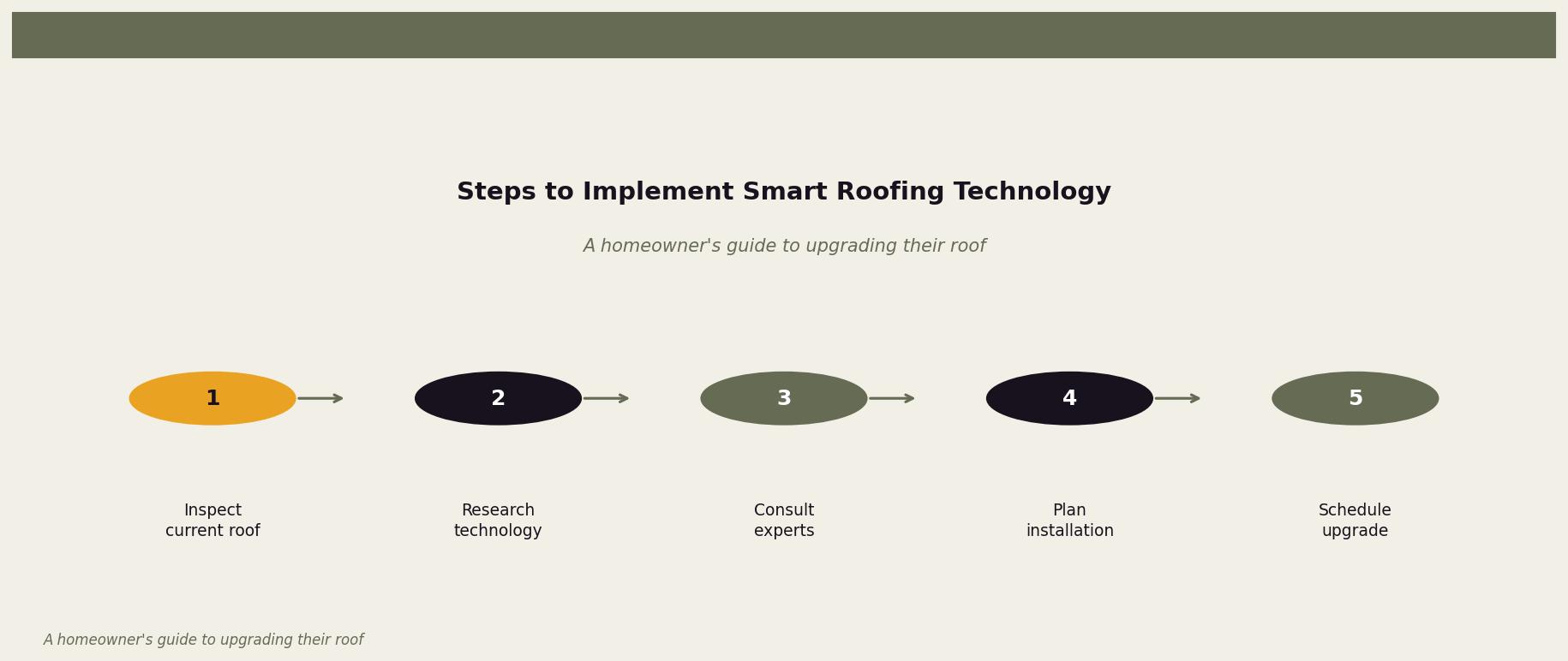
Step 1: Assess Your Current Situation
Start with an honest evaluation of your existing roof. How old is it? Have you had repairs? Are there visible issues—missing shingles, dark streaks, sagging areas? If your roof is under 10 years old and in good shape, you’re probably not in the market for replacement yet. If it’s pushing 20 years or showing wear, it’s time to start planning.
Step 2: Get a Professional Inspection
A qualified roofing contractor can assess conditions you can’t see from the ground—including attic ventilation, underlayment condition, and early signs of damage. This inspection doesn’t obligate you to anything, but it gives you real information to work with instead of guessing.
Step 3: Research Your Options
Not every roofing technology makes sense for every home. Solar shingles are great if you have good sun exposure and plan to stay in the home long enough to realize the savings. Impact-resistant shingles make sense if you’re in a hail-prone area or your insurance offers meaningful discounts. Smart monitoring technology might be overkill for a simple roof on a newer home, but valuable for a complex roof or older structure.
Step 4: Plan Your Timing
If you’re considering a roof replacement, timing matters. Late summer and fall are peak season for roofing contractors in Minnesota—everyone wants their roof done before winter. Spring can be unpredictable weather-wise. Late spring and early summer often offer the best combination of good weather and contractor availability. Planning ahead means you’re not scrambling to find someone when you need work done urgently.
Step 5: Talk to a Local Expert
National roofing companies and storm chasers might offer lower prices, but they often don’t understand Minnesota’s specific challenges. A local contractor who lives here, works here, and has seen how roofs perform through our seasons can give you advice tailored to actual conditions—not generic recommendations from a corporate playbook.
Ready to Explore Your Options?
At Owl Roofing, we’ve been helping Twin Cities homeowners navigate exactly these decisions for years. As a family-owned company based right here in Shoreview, we’ve seen firsthand how Minnesota’s weather tests every roofing system—and which technologies actually deliver on their promises versus which ones are more marketing than substance.
We’re not here to push you toward the most expensive option or pressure you into a decision. That’s not how neighbors treat each other. We’ll look at your roof, explain what we see, and give you straight answers about which innovations make sense for your specific home and budget. Whether you’re dealing with an aging roof that’s ready for replacement, curious about solar options, or just want a professional opinion on what you’ve got—we’re happy to help.
Give us a call at 651-977-6027 or visit owlroofing.com/ to schedule an inspection. We serve all of the Twin Cities metro, and we’d love to show you what thoughtful roofing technology can do for your home.
Protect Your Nest.
📍 Owl Roofing Serves the Entire Twin Cities Metro
Andover · Anoka · Apple Valley · Arden Hills · Big Lake · Blaine · Bloomington · Brooklyn Center · Brooklyn Park · Burnsville · Champlin · Chanhassen · Chaska · Columbia Heights · Coon Rapids · Cottage Grove · Crystal · deephaven · Delano · Eagan · East Bethel · Eden Prairie · Excelsior · Farmington · Forest Lake · Fridley · Golden Valley · Ham Lake · Hastings · Hopkins · Hugo · Inver Grove Heights · Lake Elmo · Lakeville · Lino Lakes · Mahtomedi · Maplewood · Mendota Heights · Minneapolis · Minnetrista · Mound · Mounds View · New Brighton · New Hope · North Oaks · North St. Paul · Oak Grove · Oakdale · Plymouth · Prior Lake · Ramsey · Richfield · Robbinsdale · Rosemount · Roseville · Saint Paul · Savage · Shakopee · Shoreview · South St. Paul · St. Louis Park · St. Michael · St. Paul · Stillwater · Vadnais Heights · Victoria · Waconia · wayzata · West St. Paul · White Bear Lake · woodbury
Licensed Minnesota roofing contractor · Free inspections · 10-year workmanship warranty · Get a free estimate →
