Can I Get a New Roof in the Winter? (the Hot Debate)
 19min Read
 Posted 1.10.2026
Winter is here, and so is the hot debate among homeowners and roofers: Can you replace a roof in winter, and more importantly, should you? This question pops up often in cold climates like Minnesota. Many folks wonder if roofing in winter is even possible or if it’s better to wait until spring. The answer isn’t a simple yes or no – it comes wrapped in shingle manufacturer guidelines, contractor opinions, and a bit of common sense.
In this blog, we’ll present both sides of the winter roofing debate. You’ll hear honest insights from roofing professionals and learn what the shingle makers (like GAF and Owens Corning) officially recommend. Grab a hot cocoa and let’s dive in! ☕️
The Big Chill vs. The Need for a New Roof
First, let’s set the stage. Replacing a roof in the middle of a Minnesota winter can be done in theory, but it’s not without challenges. Asphalt shingles are designed to seal to each other with a thermally-activated adhesive strip (that black “goop” you see on the shingle) which typically needs warmth and sun to fully bond. When temperatures dip below about 40°F (4°C), a few things happen:
- Brittle Shingles: The shingles lose flexibility and can become brittle as ice. They may crack or break if bent or nailed too hard. This is especially risky on ridges, valleys, and any area you have to flex the shingle.
- Sealant Delays: That factory-applied tar strip (sealant) on each shingle likely won’t activate until it gets warmer or sunnier. In other words, shingles installed in frigid weather might sit unsealed for weeks or months until a warm day finally bonds them together.
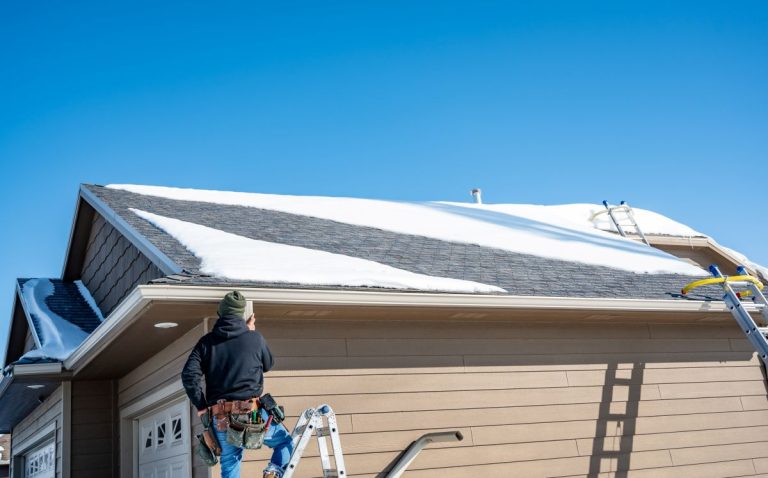
- Safety and Efficiency: Snow and ice make roofing downright dangerous. Crews have to take extra fall precautions on slippery surfaces, work shorter days (hello, 4:30 pm sunsets 💡), and fight numb fingers. Compressed air tools can struggle in the cold, and everything just goes a bit slower.

On the flip side, sometimes a winter roof replacement is unavoidable – perhaps due to emergency damage or construction schedules. Roofing doesn’t completely stop when the snow flies. In fact, some contractors will tackle a new roof in January if needed. Homeowners, too, have valid reasons: maybe you’re buying a house that needs a new roof now, or you want to fix an active leak and not just tarp it.
So, what’s a homeowner to do? Here are two camps of thought: one says “hold off until spring if you can,” the other says “we can get it done even in winter.” Both have good points. Let’s hear from the pros who’ve weighed in on this debate.
Why Some Contractors Avoid Winter Roof Installs 🥶
Many roofing companies in cold regions (including us at Owl Roofing here in Minnesota) hit pause on full roof replacements during deep winter. It’s not because we’re sipping cocoa by the fire (well, not only that!) – it’s about protecting your home and our crews. A Minnesota-based contractor who’s all too familiar with subzero roofing challenges put it bluntly:
“I got mad respect for these guys and all tradesmen that work in the winter. It’s imperative to our society. But I had to find a way out. Roof on….” – Andy Near, Empire Contractors
Andy’s been in roofing for decades in the Upper Midwest. He literally reorganized his business so he wouldn’t have to install roofs in the winter anymore, focusing on other work until spring. That’s a pretty strong stance against winter installs. So why would a seasoned roofer turn down winter jobs? Here are the main arguments against winter roof replacement:
- Shingles Might Not Seal: If the shingles can’t seal, they’re prone to blowing off in a strong winter storm. One roofer chimed in on a Facebook thread, correcting a misconception about “goop” on shingles: John Tucker (a roofing advocate from Tennessee – his company is called ‘Friend in Roofing‘), “The shingle manufacturer specifies [the sealant needs direct sun and heat to bond].” In other words, if that tar strip doesn’t get warm enough, your new shingles are just hanging out loose until a thaw. Not ideal in the land of 50+ mph winter winds!
- Material Damage: Installing shingles in bitter cold can lead to more cracked or torn shingles during the process. Owens Corning warns that their asphalt shingles may not immediately seal in cold weather “until warmer temperatures are present”. They even recommend hand-sealing each shingle with roofing cement in winter as an added back-up – a time-consuming (and finger-freezing) task. GAF similarly notes that shingles can become brittle below 40°F and require extra care in handling and nailing.
- Warranty and Call-back Concerns: While cold-weather installation does not void the manufacturer warranty per se (both Owens Corning and GAF say the warranty stays intact regardless of install temperature), any installation errors or damage because of the cold wouldn’t be covered. For example, if a shingle cracks from being too cold and is later found leaking, that’s on the installer. Some contractors would rather not roll that dice.
- Safety Hazards: This one is huge. Roofing is one of the most dangerous jobs in perfect weather. Add snow/ice and it’s downright treacherous. We’ve had days in Minnesota where the roof is essentially an ice rink. No homeowner wants a crew injury on their property either. As one Owens Corning blog put it, a frozen roof = dangerous + bad installation conditions. Even with precautions, it’s risky to rip off and replace a roof when your underlayment might be trying to stick to a frosty deck.
Because of these factors, companies like Owl Roofing choose to prioritize repairs and inspections in winter and schedule full replacements for warmer days. We firmly believe this benefits homeowners in the long run (more on our stance at the end of this post). But now, let’s give equal time to the other side – the roofers who say, “Yes, we’ll install your new roof in winter, and here’s how we’ll do it right.”
How Other Roofers Get the Job Done in Cold Temps 💪
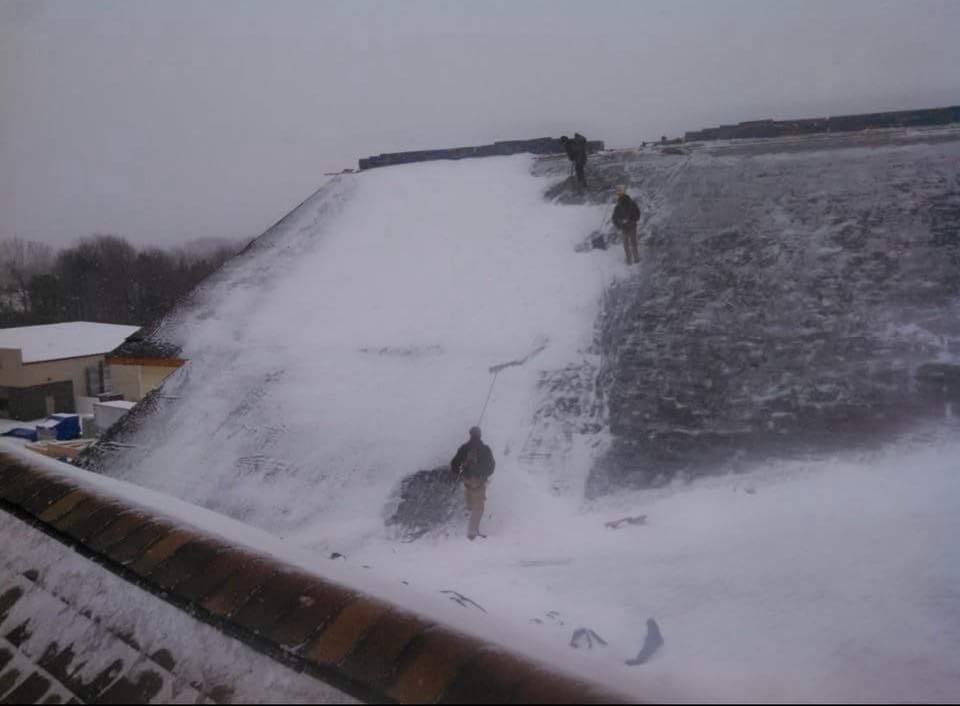
Not all roofing stops when the thermometer drops. Plenty of contractors in cold climates still brave the elements and successfully install roofs in January or February. Their perspective is essentially: it’s possible to roof in winter if you know what you’re doing and take the proper precautions. These folks often cite manufacturer guidelines to back up their techniques.
Remember John Tucker from earlier? He was actually part of a lively winter roofing debate and came to the discussion armed with facts. After clarifying the “tar strip” issue, he and others explained that manufacturers allow cold-weather installs – they just insist on extra steps like hand-sealing and extra fasteners. In fact, Owens Corning’s official technical bulletin on cold weather says installers should “hand seal all shingles” (using dabs of roofing cement under each shingle) and ensure nails go in the double-thick part of the shingle for better hold. GAF’s documentation echoes many of these tips: store shingles in a heated area before install, hand-seal if needed, and use extra caution to avoid cracking shingles.
Roofers who routinely work through winter often invest in equipment and training to make it feasible. For instance, Blake Noe of ReliaBuild Roofing (who services colder regions like Kentucky and Indiana) notes that a determined crew with the right prep can turn winter’s challenges into a point of pride. “Looking back on it, those days [roofing through winter] are some of my favorite. Adversity is an advantage!” Blake says. His team uses techniques such as:
- Thermal Blankets & Warm Storage: They keep bundles of shingles warm overnight (some crews use warming tents or store materials in a heated garage). Shingles come out supple, not frozen, which prevents many cracks. GAF recommends keeping shingles at ~70°F for 24 hours prior to install, and not bringing up more bundles on the roof than you’ll use immediately.
- Hand-Sealing & Extra Fastening: Rather than relying on the sun, cold-weather roofers will manually apply roofing cement or adhesive to help each shingle stick. This is often done with a caulking gun in a zig-zag or the 4-dots method (per Owens Corning’s spec) and pressing the shingle down. It takes more time, but ensures the roof is sealed against wind even if it never gets warm enough this winter. They’ll also use the “hot” nailing technique – essentially putting every nail in the optimal spot (common bond area) for max hold. Some crews even bump up the number of nails per shingle when it’s cold, for good measure.
- Choosing the Right Shingles: There are shingles made to handle the cold a bit better. Owens Corning Duration® Flex, for example, is an SBS-modified asphalt shingle (think rubberized asphalt) that stays more pliable in low temps. A roofer in the know might suggest using those in winter because they’re less likely to crack and can handle expansion/contraction better. They cost a bit more, but as Owens Corning notes, they “help resist splitting during less-than-favorable installation conditions”.
- Timing and Weather Windows: Winter roofers watch the weather like hawks. They’ll schedule a roof install during a mid-winter warm spell if possible – say, a stretch of sunny days in the high 30s or 40s. They also plan shorter work days (to use the warmer midday hours) and will postpone if a blizzard is on the way. As one industry article put it, you have to be willing to wait for a stretch of good weather and be flexible with timing. If a surprise snowfall hits mid-project, crews will tarp everything and resume when it’s safe. It’s a start-stop approach, but it can work.
Professional roofers who take on winter jobs argue that an emergency roof replacement done with proper care is better than letting a house suffer leaks all winter. They also point out some benefits: homeowners can often find more open scheduling in winter and even off-season discounts on labor. (Roofers would rather keep their crew busy than lay everyone off, so they might give a winter price break.) GAF’s blog notes that demand is lower in winter, so contractors are more available and sometimes materials/labor can be a bit cheaper. If you can get a quality roof installation in January by an expert crew, you potentially head off further damage and take one more worry off your plate.
To quote Miguel Chavez of Alpine Roofing Pro in Washington, who often roofs through chilly Pacific Northwest winters: “It all comes down to following the guidelines. Cold or not, we install to manufacturer specs – that means we’ll hand-seal, double-check every shingle, whatever it takes. The key is not cutting corners just because it’s winter.” Miguel’s crew focuses heavily on safety and meticulous workmanship in winter. They’ve completed numerous winter roof replacements successfully by being detail-oriented and not rushing the process. (And yes, they too keep a kettle of hot coffee on deck at all times! 😉)

What the Manufacturers Say (GAF & Owens Corning Guidelines)
Both GAF and Owens Corning – two of the largest shingle manufacturers – have published clear guidance on cold weather installations. Here are a few key takeaways straight from the source:
- “There is no practical lower or upper temperature limit… as long as appropriate precautions are taken.” – GAF Technical Advisory Bulletin. In other words, GAF doesn’t forbid winter installs; they just insist you do it the right way (handle shingles gingerly, store them warm, hand-seal when needed, etc.). They do acknowledge it’s easier above 40°F, though.
- Owens Corning recommends 40°F and rising. Owens Corning’s official line is to install shingles at 40°F or higher whenever possible. If you must go lower, they provide a detailed checklist (from the technical bulletin we mentioned) to improve your odds: e.g., “shingles installed in cold weather may not immediately seal until warmer temperatures are present”, so plan to manually seal shingles and use extra nails to prevent blow-offs. They also advise storing shingles in a heated space before installation so they’re pliable.
- Expect slower sealing and longer install times. An Owens Corning Winter Roof Replacement blog article advises that if you do choose to reroof in winter, “shingles may take longer to thermal seal and may even need additional hand sealing.” It also cautions that your project may take longer overall and could be subject to weather delays. In short: patience is key.
- Optimal temperature = 40–85°F. Industry-wide, you’ll hear that 40°F to 85°F is the sweet spot for installing asphalt shingles. Above 85°F, shingles get overly soft and scuff easily; below 40°F, they get stiff. This is a rule of thumb, not an absolute – but it’s a good guideline for when installs go most smoothly. Below that range, you adapt with the precautions we discussed. (Fun fact: Some contractors say installing at, say, 20°F can actually yield longer-lasting shingles because they cure more gradually and avoid thermal shock… but that’s a debate for another day!)
- Ice & water underlayment adherence: A quick note – products like underlayment and especially ice-and-water shield have their own temperature requirements. Many ice barrier membranes won’t adhere to your roof deck if it’s under 40°F either. Manufacturers often say to stick these on in warmer temps or they might not fully stick until spring. A good roofer will still install them (you need that leak barrier in winter), but they know to communicate that it might not fully grip until a warm day or may require cap nails to hold it temporarily.
All these recommendations boil down to a clear message: Winter installs are a “proceed with caution” scenario. It’s doable with the right materials and methods, but there’s little margin for error. Homeowners should ensure any contractor willing to do a winter roof is following these manufacturer guidelines to the letter.
Owl Roofing’s Take: Why We Don’t Do Full Winter Replacements (And Why That Benefits You)
At Owl Roofing, we’ve decided that we do NOT install full roofs in the dead of winter – and we believe that’s actually a great thing for our customers. Here’s why: We’re all about delivering a top-quality roof replacement that we can stand behind 100%. In a Minnesota winter, even the best roofers in the world are battling elements that just aren’t ideal for achieving that perfect outcome. Could we physically slap shingles on in January? Sure. But would it be the premium, Owl-approved install we promise every homeowner? Probably not. We refuse to cut corners on quality just to squeeze in a winter job.
Instead, we focus our winter efforts on roof inspections, maintenance, and emergency repairs. If your roof has a minor leak or lost a shingle in a wind storm, we’ll absolutely come out and fix it or stabilize it. We can patch winter roof problems and mitigate damage to get you through the cold months (that’s part of being a full-service roofing company – we’re here for you year-round with honest advice). However, if you need a whole roof replacement, we’ll likely advise scheduling it for the earliest reasonable date in spring. This ensures your new roof goes on under optimal conditions – meaning your shingles will lay flat and seal properly, the crew can work safely and efficiently, and your home gets the best roof possible without winter weather compromises.
Some homeowners initially worry: “Do roofers work in the winter at all? Am I stuck if something happens in January?” Rest assured, we do work in winter – we just might approach it differently. Often, if a roof is in rough shape come December, we’ll do a mid-winter check. We can inspect and repair in winter, then plan the full roof replacement in early spring when it’s safe. Think of it like triage vs. surgery: we stop the bleeding now (fix leaks, remove heavy snow/ice dams, etc.) and perform the big operation at the right time. This approach protects your home in the short term and ensures a long-lasting solution long term.
A Few Final Tips (If You Do Replace a Roof in Winter)
We’d be remiss not to leave you with some quick tips in case you find yourself moving forward with a winter roof install (with us or another contractor):
- Choose an experienced winter roofer: Make sure the contractor has done cold-weather installs before. Ask what their plan is for cold days. Are they following manufacturer cold-weather techniques? A quality pro will have no issue explaining how they’ll handle brittle shingles, sealant, and safety.
- Plan for flexibility: Weather will dictate a lot. Build in some cushion for the project timeline. A 1-day job in summer might take 2-3 shorter days in winter. That’s normal.
- Provide a warm storage area: If possible, offer a space like a garage for the crew to keep materials warm. Little things help – even an outlet for them to plug in a shingle warming box or keeping adhesives indoors until use can make a difference.
- Inspect in spring: If you do get a new roof in winter, have the contractor come back for a spring inspection. Once everything thaws and seals, a check-up ensures all shingles are laying correctly and sealed. Any small fixes (maybe hand-sealing a corner that didn’t stick) can be addressed then.

Warm Wishes from Owl Roofing (Plus Your Winter Roofing CTA!)
At the end of the day, the debate about getting a new roof in winter comes down to balancing urgency, quality, and safety. You’ve heard both sides: some say “hold off until spring for the best results,” others say “we can make it work with the proper precautions.” Both are right in their own way. Our stance at Owl Roofing is one of caring caution – we choose not to install full roofs during the coldest months because we put your home’s long-term well-being first. By waiting for the right weather, we ensure you get a roof that’s flawlessly installed under ideal conditions. That means fewer problems down the road, which is a big win for you as a homeowner.
In the meantime, we’re here to keep you safe and dry through the winter. If you’re in the Twin Cities area, take advantage of our Winter Roof Inspection service. We’ll check how your roof is holding up against the snow and ice, fix any small issues (so they don’t turn into big issues), and give you honest advice about timing for your roof replacement. And if you’re already eyeing a spring project, now’s a great time to reserve your spot on our schedule – our spring bookings fill up fast once the first robin chirps!
Call Owl Roofing today for a free winter roof inspection or to schedule your roof replacement for spring. 🦉🔨 We’ll make sure your home stays cozy and protected, season after season. Stay warm, stay safe, and remember – just because it’s cold outside, doesn’t mean we aren’t looking out for you and your roof!
Sources & Further Reading:
- GAF Roofing Blog – Cool Weather Roofing: Must-Know Tips (Oct 2025)
- Owens Corning Technical Bulletin – Cold Weather Shingle Installation (Aug 2023)
- Owens Corning Roofing Blog – Can You Get a New Roof or Repair in the Winter?
- Stinson Services (MN Roofing) – What Temperature is Too Cold… (Mar 2024)
- Professional Roofer Commentary – Andy Near via Facebook; John Tucker via Facebook; Blake Noe via Facebook.
📍 Owl Roofing Serves the Entire Twin Cities Metro
Andover · Anoka · Apple Valley · Arden Hills · Big Lake · Blaine · Bloomington · Brooklyn Center · Brooklyn Park · Burnsville · Champlin · Chanhassen · Chaska · Columbia Heights · Coon Rapids · Cottage Grove · Crystal · deephaven · Delano · Eagan · East Bethel · Eden Prairie · Excelsior · Farmington · Forest Lake · Fridley · Golden Valley · Ham Lake · Hastings · Hopkins · Hugo · Inver Grove Heights · Lake Elmo · Lakeville · Lino Lakes · Mahtomedi · Maplewood · Mendota Heights · Minneapolis · Minnetrista · Mound · Mounds View · New Brighton · New Hope · North Oaks · North St. Paul · Oak Grove · Oakdale · Plymouth · Prior Lake · Ramsey · Richfield · Robbinsdale · Rosemount · Roseville · Saint Paul · Savage · Shakopee · Shoreview · South St. Paul · St. Louis Park · St. Michael · St. Paul · Stillwater · Vadnais Heights · Victoria · Waconia · wayzata · West St. Paul · White Bear Lake · woodbury
Licensed Minnesota roofing contractor · Free inspections · 10-year workmanship warranty · Get a free estimate →
- Lawn swept 3x with magnets
- Storm restoration specialists
- We actually answer: (651) 977-6027
 5.0 · 90+ reviews
 Accredited
Owl is the local family-owned roofer that actually cares.
250+ Twin Cities families have trusted us with their homes. Book a free inspection and see why.
★★★★★“We couldn’t be happier with how everything turned out. From the beginning to the end, the whole experience was great.”
Rob Larson, Local Homeowner + Owl Customer
A real person calls you back, usually within the hour.

Recent Articles
Explore The Blog