


Types of Roofing Shingles Compared 3 Tab vs Architectural
 18min Read
 Posted 10.08.2025
Types of Roofing Shingles Compared: 3-Tab vs Architectural
Your Roof Is About to Get Expensive — Or It Doesn’t Have to Be
Here’s a number that might make you spit out your coffee: the average Minnesota homeowner replaces their roof every 17 years, but most of them pick the wrong shingles and end up doing it again in 12. That’s thousands of dollars — and a whole lot of headaches — that could’ve been avoided with one better decision upfront.
If you’ve been putting off that roof replacement because the options feel overwhelming, you’re not alone. Walk into any roofing conversation and you’ll hear terms like “3-tab,” “architectural,” “dimensional,” and “laminate” thrown around like everyone should just know what they mean. Spoiler alert: most people don’t, and that’s perfectly fine. That’s exactly why we’re breaking this down in plain English — no contractor jargon, no sales pitch, just the real differences between the two most popular types of roofing shingles so you can make a choice that actually makes sense for your home, your budget, and your sanity.
Living in the Twin Cities means your roof takes a beating that homeowners in, say, Arizona can’t even imagine. We’re talking about ice dams forming on your eaves in January, 60 mph winds ripping through in March, golf ball-sized hail in June, and then back to subzero temperatures before you know it. Your shingles need to handle all of that — year after year — while still looking good from the street. So let’s dig into what actually matters when you’re standing in your driveway, looking up at that roof, and wondering what comes next.
Why This Decision Matters More Than You Think
Let’s get real for a second: your roof isn’t just “that thing on top of your house.” It’s literally the only thing standing between your family and Minnesota’s wildest weather moods. And in places like Shoreview, Roseville, Maplewood, and across the Twin Cities metro, that weather can change from “beautiful summer day” to “where did that storm come from?” in about fifteen minutes flat.
According to the Insurance Institute for Business & Home Safety (IBHS), roofs are the single most critical factor in determining whether your home survives severe weather or ends up with water streaming through your ceiling at 2 AM. That’s not an exaggeration — it’s their job to study this stuff, and they’ve got the data to back it up. A poorly chosen shingle type isn’t just an aesthetic miss; it’s a liability waiting to happen.
The National Roofing Contractors Association (NRCA) has been beating this drum for years: yes, high-quality roofing materials cost more upfront, but they almost always save you money over the life of your home. We’re talking fewer emergency repairs, longer intervals between replacements, and better protection for everything underneath — including your attic insulation, your ceilings, and that vintage furniture your grandmother left you.
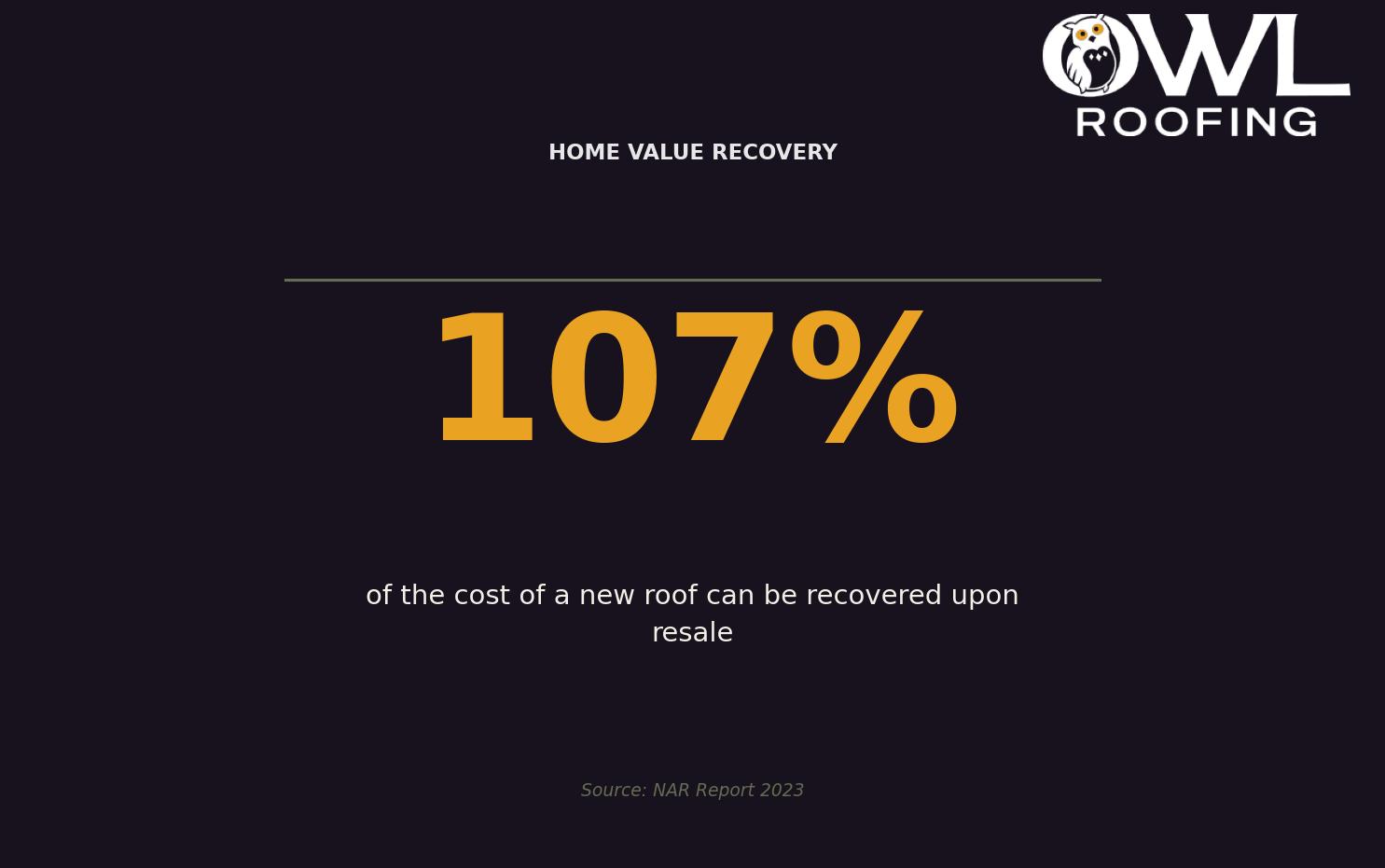
And here’s the kicker that really gets homeowners’ attention: data from the National Association of Realtors (NAR) shows that a new roof can recover up to 107% of its cost when you sell your home. Read that again. That’s not just breaking even — that’s actually making money on a home improvement. In a competitive housing market like the Twin Cities, where buyers are savvy and inspections are thorough, a quality roof can be the difference between multiple offers and your listing sitting there while buyers move on to the next property.
But beyond the dollars and cents, there’s something else worth considering: peace of mind. When you hear that thunderstorm rolling in across White Bear Lake, or when the weather app shows another “winter storm warning” (because of course it does), you want to know your roof can handle it. The right shingles give you that confidence. The wrong ones? Well, they give you anxiety and a roofer’s phone number on speed dial.
Understanding 3-Tab Shingles: The Old Reliable
What They Are and How They’re Made
3-tab shingles have been the standard choice for American homes for decades, and there’s a reason they’re still around. Named for their distinctive three-tabbed cutout pattern along the bottom edge, these shingles create a flat, uniform appearance across your roof. When you picture a “typical” shingled roof in your mind, you’re probably imagining 3-tabs.
The construction is pretty straightforward: a single layer of asphalt coated over a fiberglass or organic mat base, with ceramic granules embedded on top for color and UV protection. That single-layer design is what makes them lighter (and cheaper) than other options, but it’s also what limits their durability. According to the NRCA, you can expect 3-tab shingles to last somewhere between 20 and 25 years under ideal conditions — though “ideal conditions” and “Minnesota weather” don’t often appear in the same sentence.
The Pros: Why Homeowners Still Choose Them
Let’s give credit where it’s due. 3-tab shingles aren’t a bad product — they’re just a basic one. For homeowners on a tight budget, they offer a legitimate way to get a new roof without breaking the bank. If you’re planning to sell your home in the next few years and just need something functional, 3-tabs can make sense. They’re also easier and faster to install, which can reduce labor costs if you’re working with a reputable contractor who passes those savings along to you.
The uniform look appeals to some homeowners too. If you prefer a clean, simple aesthetic — or if your neighborhood has a lot of 3-tab roofs and you want to match — there’s nothing wrong with that choice. Some HOAs in older Twin Cities developments actually specify this style to maintain visual consistency.
The Cons: Where They Fall Short
Here’s where we have to be honest with you, because this is where 3-tabs start to show their limitations — especially in Minnesota.
The IBHS points out that 3-tab shingles are significantly more prone to wind uplift and hail damage compared to their architectural cousins. Most 3-tab products are rated for winds up to about 70 mph. That sounds decent until you realize that severe thunderstorms in the Twin Cities regularly produce wind gusts exceeding that threshold. We’ve all seen those summer storms roll in from the west, turning the sky green and sending patio furniture flying. Now imagine what that does to a single-layer shingle.
The freeze-thaw cycle is another enemy. Minnesota’s winters don’t just get cold — they fluctuate. One day it’s 15°F, the next it’s 35°F with sun melting snow on your roof, and then it drops back down overnight. That constant expansion and contraction stresses roofing materials, and 3-tabs, with their thinner construction, are more vulnerable to cracking and curling over time.
Then there’s the ice dam issue. If you’ve ever seen those beautiful but dangerous icicles hanging from your eaves, you’ve seen ice dams in action. While no shingle completely prevents ice dams (that’s more about insulation and ventilation), the additional thickness of architectural shingles provides slightly better resistance to the water backup that ice dams cause.
Exploring Architectural Shingles: The Modern Upgrade

What Makes Them Different
Architectural shingles — also called dimensional shingles or laminate shingles — represent the next evolution in asphalt roofing. Instead of a single layer, they’re built with two or more layers of asphalt bonded together, creating a thicker, more substantial product. This multi-layer construction gives them a three-dimensional appearance that adds depth and visual interest to your roof.
The NRCA reports that architectural shingles typically last 30 to 50 years, depending on the specific product and how well the roof is maintained. That’s potentially double the lifespan of 3-tab shingles — which starts to make that higher price tag look a lot more reasonable when you do the math.
Superior Performance Where It Counts
Let’s talk about wind resistance, because this is where architectural shingles really shine. While 3-tab shingles max out around 70 mph, quality architectural shingles are rated for winds up to 120 mph or even higher. That’s hurricane-grade performance, and while Minnesota isn’t exactly hurricane territory, we do get derechos, severe thunderstorms, and the occasional tornado warning that makes everyone suddenly very interested in their roof’s construction.
The thicker profile also means better hail resistance. Anyone who’s lived through a Twin Cities summer knows that hail is basically a seasonal tradition here. Those multi-layer shingles can absorb impacts that would crack or puncture their single-layer counterparts. Some architectural shingle products are even rated Class 4 for impact resistance — the highest rating available — which can qualify you for insurance discounts in many cases.
The Aesthetic Advantage
Here’s something that surprises a lot of homeowners: architectural shingles can actually mimic the look of much more expensive roofing materials. Want the appearance of cedar shakes without the maintenance headaches and fire risk? There’s an architectural shingle for that. Dreaming of a slate look without the structural reinforcement your home would need to support actual slate? Architectural shingles have you covered.
This versatility makes them incredibly popular for homeowners looking to boost curb appeal. The dimensional look creates shadows and depth that flat 3-tab shingles simply can’t match. Drive through newer developments in Woodbury, Plymouth, or Eden Prairie and you’ll see architectural shingles everywhere — they’ve become the expected standard for quality home construction in the Twin Cities.
The Cost Comparison: Breaking Down the Numbers
Upfront Investment
Let’s address the elephant in the room: yes, architectural shingles cost more. According to recent data from the U.S. Census Bureau, the average cost for 3-tab shingle installation runs about $1.50 to $3.00 per square foot, while architectural shingles range from $3.50 to $5.00 per square foot. For a typical 2,000 square foot roof, that’s roughly $3,000 to $6,000 for 3-tab versus $7,000 to $10,000 for architectural.
That’s a real difference, and we’re not going to pretend it isn’t. For some homeowners, that gap matters a lot, especially if finances are tight or if you’re dealing with an unexpected roof failure that wasn’t in the budget.
Long-Term Value
But here’s where the math gets interesting. If 3-tab shingles last 20 years and architectural shingles last 35 years, you’d need to replace that 3-tab roof almost twice in the time you’d replace the architectural roof once. Factor in inflation, rising material costs, and labor prices that only go up over time, and that initial savings starts to evaporate pretty quickly.
There’s also the repair frequency to consider. Because 3-tab shingles are more vulnerable to wind and hail damage, you’re more likely to need repairs after major storms. Each of those service calls costs money, takes time, and adds stress to your life. Architectural shingles’ superior durability means fewer of those headaches over the years.
Insurance Considerations
Here’s something the Insurance Information Institute wants you to know: your choice of roofing materials can directly impact your homeowner’s insurance premiums. Many insurance companies offer discounts for impact-resistant roofing materials, and architectural shingles — especially those with Class 4 ratings — often qualify. Depending on your insurer and your specific policy, this discount could be 5% to 15% of your annual premium. Over 30+ years, that adds up to real money back in your pocket.
Minnesota-Specific Factors You Can’t Ignore
Building Codes and Requirements
Minnesota’s building codes aren’t suggestions — they’re requirements designed to ensure homes can withstand our unique climate challenges. Roofs in our state must meet specific wind and snow load requirements, and while 3-tab shingles can meet minimum standards, architectural shingles typically exceed them with room to spare.
According to research from the Minnesota Department of Labor and Industry, roofs installed with architectural shingles consistently perform better during the state’s extreme weather events. That’s not a sales pitch — that’s data from the people whose job is to study building performance in Minnesota.
The Freeze-Thaw Reality
We touched on this earlier, but it deserves more attention because it’s such a Minnesota-specific issue. Our climate doesn’t just get cold — it oscillates. A typical Minnesota winter might see temperatures swing 40 degrees or more within a 48-hour period. Each of those swings causes your roofing materials to expand and contract, stressing seams and joints.
Architectural shingles’ multi-layer construction handles this stress better than single-layer 3-tabs. The bonded layers move together and distribute stress more evenly, reducing the cracking and curling that can lead to leaks. If you’ve ever wondered why some neighborhood roofs look wavy and worn while others stay flat and clean, shingle type is often a major factor.
Ice Dam Protection
Ice dams form when heat escaping from your home melts snow on your roof, which then refreezes at the colder eaves. The resulting ice barrier traps water, which can back up under your shingles and into your home. It’s one of the most common causes of interior water damage in Minnesota homes.
While proper attic insulation and ventilation are the primary defenses against ice dams, your shingle choice matters too. Architectural shingles’ thicker profile and tighter seal provide better resistance to water infiltration when ice dams do form. They’re not a complete solution, but they’re definitely part of a comprehensive approach to ice dam prevention.
Common Mistakes Homeowners Make
Mistake #1: Thinking All Shingles Are the Same
This is the big one. Many homeowners approach roofing with a “shingle is a shingle” mentality, focusing entirely on price without understanding the real differences in performance and longevity. When you choose 3-tab shingles purely because they’re cheaper, you might be setting yourself up for higher lifetime costs — not to mention more stress every time a storm rolls through.
Mistake #2: Ignoring the Insurance Angle
The Insurance Information Institute reports that many homeowners have no idea their roofing choice could lower their insurance premiums. Before you make a final decision, call your insurance agent and ask about impact-resistant roofing discounts. You might find that the premium savings significantly offset the higher cost of architectural shingles.
Mistake #3: Underestimating Curb Appeal
Your roof makes up a huge portion of your home’s visible exterior — often 40% or more of what people see from the street. Choosing a roofing material purely on function while ignoring aesthetics can hurt your home’s resale value and your own satisfaction with your property. According to the NAR, homes with visually appealing, well-maintained roofs sell faster and often command higher prices than those with outdated or mismatched roofing.
Mistake #4: Going with the Cheapest Contractor
We see this all the time, and it breaks our hearts. A homeowner does their research, decides on quality architectural shingles, and then undermines the whole investment by hiring the lowest bidder to install them. Installation quality matters as much as material quality — maybe more. Improperly installed shingles won’t perform to their rated specifications, voiding warranties and creating problems that might not show up for years.
Your Action Plan: Making the Right Choice
Ready to move forward? Here’s a practical roadmap to help you make the best decision for your home:
- Assess Your Current Roof’s Condition: Get up on a ladder (safely!) or hire a professional to inspect your existing roof. Look for missing or curling shingles, exposed nail heads, granules collecting in your gutters, and any signs of water damage in your attic. Understanding what you’re starting with helps you plan what comes next.
- Establish Your Real Budget: Don’t just think about what you can afford right now — consider what makes financial sense over 20-30 years. A slightly higher investment today might save you thousands in repairs, replacements, and insurance premiums down the road.
- Factor in Minnesota’s Weather: Be honest about what your roof will face. Our climate is demanding, and choosing materials rated for “moderate” conditions is a recipe for disappointment. Prioritize wind resistance, impact resistance, and freeze-thaw durability.
- Check Local Building Codes: Contact your city’s building department or consult with a licensed contractor to ensure your chosen materials meet all local requirements. Some municipalities have specific requirements beyond state minimums.
- Get Multiple Professional Opinions: Talk to at least three reputable local contractors. Ask about their experience with both shingle types, their warranty offerings, and their approach to installation. A good contractor will help you understand your options without pushing you toward the most expensive choice.
- Consider the Full Picture: Don’t forget about ventilation, insulation, and ice dam prevention strategies. The best shingles in the world can’t overcome a poorly ventilated attic or inadequate insulation.
Ready to Protect Your Home the Right Way?
Choosing between 3-tab and architectural shingles isn’t just a roofing decision — it’s a decision about how well you want to protect your home for the next two or three decades. And for Twin Cities homeowners who deal with everything from January blizzards to July hailstorms, that choice matters more than it does almost anywhere else in the country.
If you’re feeling ready to take the next step — or if you just want someone to take a look at your current roof and give you an honest assessment — we’d love to help. At Owl Roofing, we’re a family-owned company right here in Shoreview, and we’ve been serving neighbors across the Twin Cities for years. We’re not a franchise, and we’re definitely not storm chasers who show up after every hailstorm and disappear once the check clears. We’re Tim and Bea Brown, Noah and Anya Bergland, and our crew — your actual neighbors who live and work in this community.
We’ve seen every type of roofing shingles on every type of Twin Cities home, from century-old bungalows in St. Paul to brand-new construction in Maple Grove. We know what works here and what doesn’t, and we’ll tell you straight — even if that means recommending a repair instead of a replacement, or pointing out that your roof has more life left than you thought. No pressure, no corporate scripts, just honest advice from people who actually care about doing right by our neighbors.
Give us a call at 651-977-6027 or visit us at owlroofing.com/ to schedule a free inspection. We’ll look at your roof, explain exactly what we see, and help you figure out the best path forward — whether that’s 3-tab shingles, architectural shingles, or something else entirely. Your home deserves the right protection, and you deserve a roofer who treats you like a neighbor, not a number.
Protect Your Nest.
📍 Owl Roofing Serves the Entire Twin Cities Metro
Andover · Anoka · Apple Valley · Arden Hills · Big Lake · Blaine · Bloomington · Brooklyn Center · Brooklyn Park · Burnsville · Champlin · Chanhassen · Chaska · Columbia Heights · Coon Rapids · Cottage Grove · Crystal · deephaven · Delano · Eagan · East Bethel · Eden Prairie · Excelsior · Farmington · Forest Lake · Fridley · Golden Valley · Ham Lake · Hastings · Hopkins · Hugo · Inver Grove Heights · Lake Elmo · Lakeville · Lino Lakes · Mahtomedi · Maplewood · Mendota Heights · Minneapolis · Minnetrista · Mound · Mounds View · New Brighton · New Hope · North Oaks · North St. Paul · Oak Grove · Oakdale · Plymouth · Prior Lake · Ramsey · Richfield · Robbinsdale · Rosemount · Roseville · Saint Paul · Savage · Shakopee · Shoreview · South St. Paul · St. Louis Park · St. Michael · St. Paul · Stillwater · Vadnais Heights · Victoria · Waconia · wayzata · West St. Paul · White Bear Lake · woodbury
Licensed Minnesota roofing contractor · Free inspections · 10-year workmanship warranty · Get a free estimate →
