




3 Tab vs Architectural Shingles Which Is Better for Your Home
 12min Read
 Posted 10.09.2025
3 Tab vs Architectural Shingles: Which is Better for Your Home?
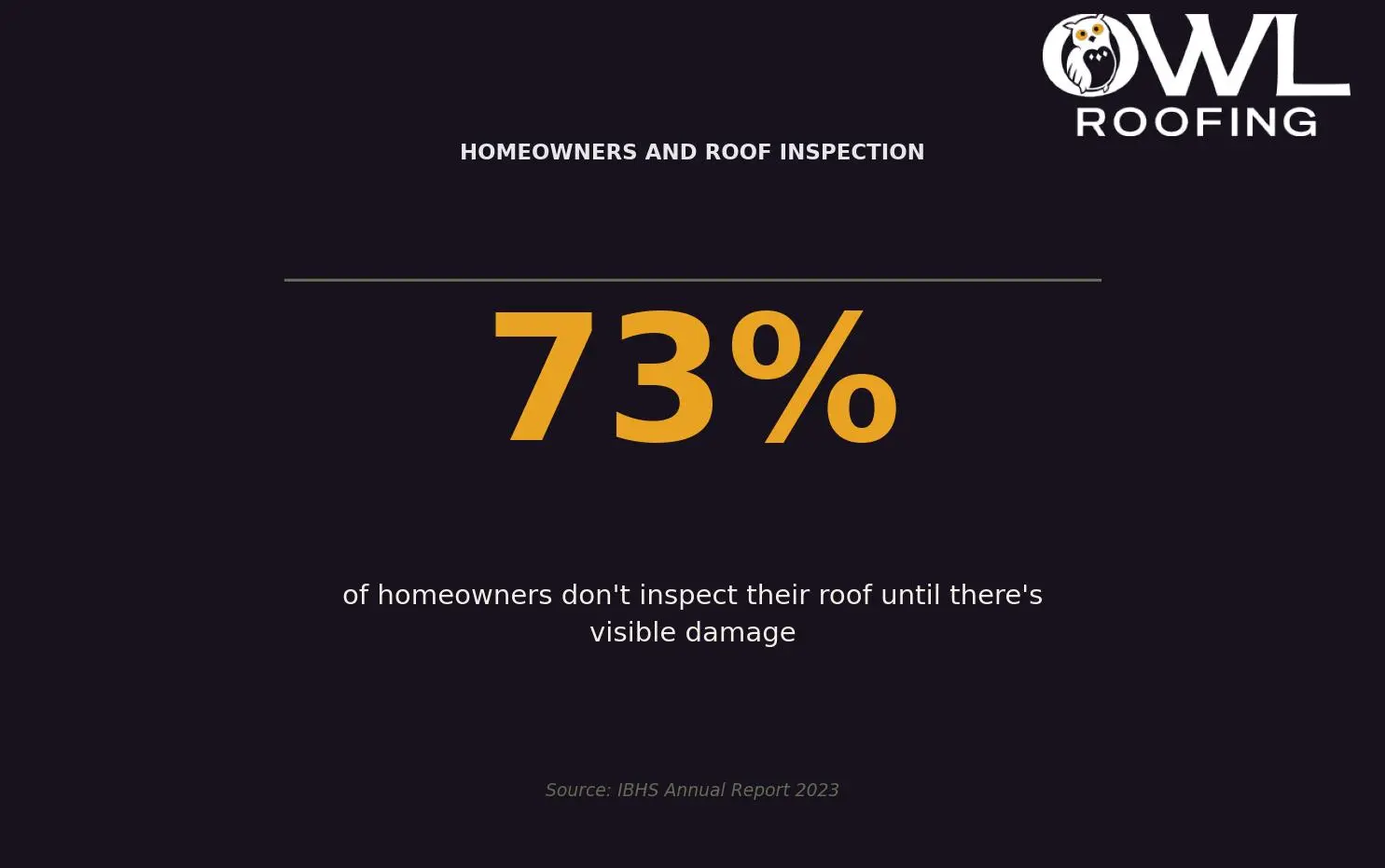
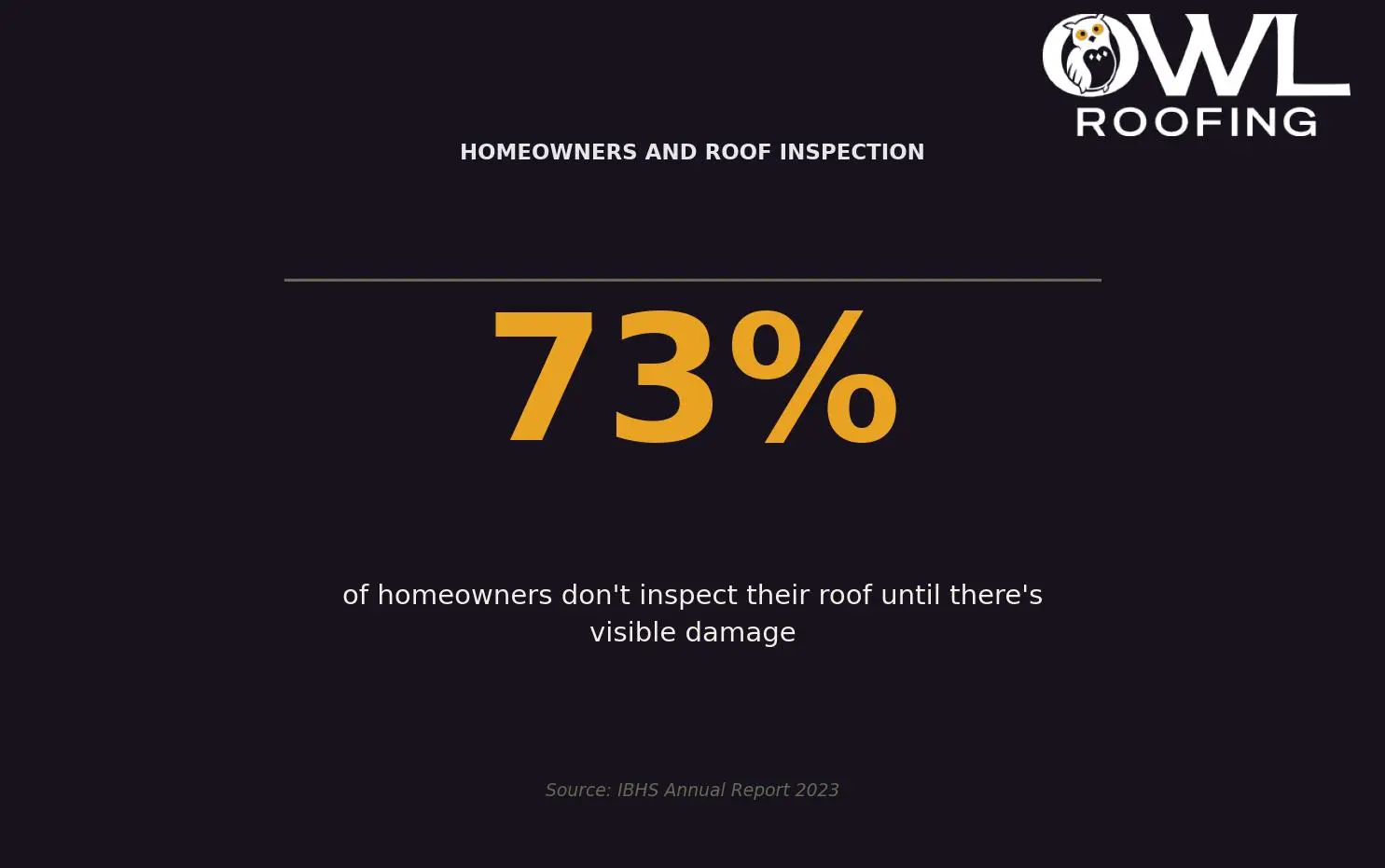
Here’s a number that might keep you up at night: 73% of homeowners don’t inspect their roof until something’s already wrong. And in the Twin Cities, “something wrong” usually means water dripping into your attic during a February thaw or shingles scattered across your yard after a summer storm. If you’re staring down a roof replacement, you’ve probably hit the same wall most homeowners do—3 tab vs architectural shingles. Which one actually makes sense for your house, your budget, and Minnesota’s wild weather swings?
It’s a decision that’ll affect your home for the next two or three decades. Get it wrong, and you’re back on a ladder sooner than you’d like. Get it right, and you’ve got a roof that handles everything Minnesota throws at it while you go about your life, worry-free. Let’s break it down so you can make a choice you’ll actually feel good about.
Why This Decision Actually Matters
Look, we get it. Shingles aren’t exactly exciting dinner conversation. But here’s the thing—your roof is working hard every single day. It’s the first line of defense against 90°F summer heat, -20°F winter nights, hail, wind, rain, ice, and that heavy wet snow that makes your back hurt just thinking about shoveling it.
According to the National Roofing Contractors Association (NRCA), roofing accounts for a significant portion of home maintenance costs over time. The choice you make now between 3 tab and architectural shingles can mean the difference between a roof that needs replacing in 15 years versus one that’s still going strong in 30. That’s real money—thousands of dollars that could go toward a kitchen remodel, your kids’ college fund, or a cabin up north.
And it’s not just about money. The wrong shingles in Minnesota’s climate can mean ice dams, leaks, water damage, mold, and the kind of headaches that ruin entire weekends. The right shingles? They handle the freeze-thaw cycles, shed snow properly, and let you forget your roof even exists. That’s the goal.
Understanding Your Two Main Options
3 Tab Shingles: The Budget-Friendly Classic
3 tab shingles have been the standard roofing choice for decades. You’ve seen them everywhere—they’re the flat, uniform shingles that give roofs that neat, consistent look. Each shingle has three tabs (hence the name), and they lay flat against your roof deck in a single layer.
Here’s what you’re getting with 3 tab:
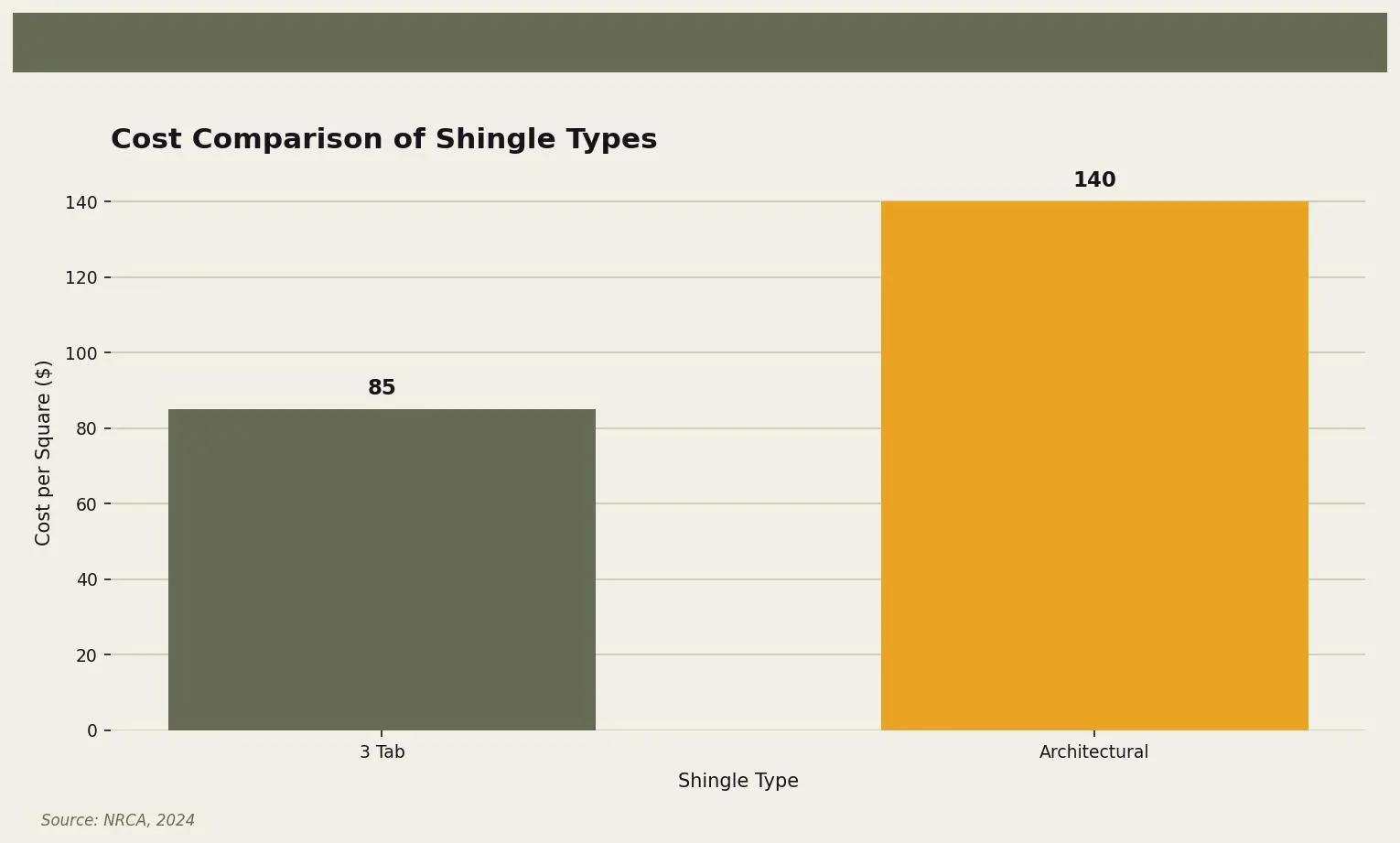
- Lower upfront cost: Typically $70 to $100 per square (a “square” is 100 square feet of roofing)
- Simple, clean appearance: That traditional look some homeowners prefer
- Lighter weight: Less structural demand on your roof deck
- Easier installation: Straightforward for experienced roofers
The trade-off? According to the Insurance Institute for Business & Home Safety (IBHS), the average 3 tab shingle lifespan ranges from 15 to 20 years. They’re also more vulnerable to wind damage—most are rated for winds up to 60-70 mph. In Minnesota, where summer storms can gust well above that, this matters.
3 tab shingles make sense in certain situations. If you’re selling your home soon and need a functional roof without a major investment, or if you’re working with a tight budget and understand you’ll need to replace again in 15-20 years, they can be a reasonable choice. They’re not bad shingles—they’re just designed for a different set of priorities.
Architectural Shingles: The Heavy-Duty Upgrade
Architectural shingles (sometimes called dimensional or laminated shingles) are the newer evolution in asphalt roofing. Instead of a single flat layer, they’re built with multiple layers of asphalt bonded together. This creates that textured, dimensional look you see on newer homes—and it’s not just about aesthetics.
Here’s what architectural shingles bring to the table:
- Significantly longer lifespan: The National Association of Realtors (NAR) states that architectural shingles can last between 25 to 30 years, with some premium options lasting even longer
- Better wind resistance: Most are rated for 110-130 mph winds—a big deal during Minnesota’s severe thunderstorms
- Enhanced curb appeal: That dimensional look adds depth and character to your roofline
- Superior weather resistance: The layered construction handles impact and weathering better
- Better warranties: Manufacturers back these shingles with longer, more comprehensive coverage
The downside? Architectural shingles cost more upfront—typically $120 to $160 per square. They’re also heavier, which occasionally matters for older homes with marginal roof structures (though this is rarely an issue in practice).
The Real Cost Comparison: It’s Not What You Think
Let’s do some honest math here, because the sticker price doesn’t tell the whole story.
Say you’ve got a typical Twin Cities home with a 2,000 square foot roof (that’s about 20 squares). Here’s what you’re looking at:
- 3 Tab shingles: $1,400 – $2,000 in materials
- Architectural shingles: $2,400 – $3,200 in materials
So architectural shingles cost roughly $1,000-$1,200 more in materials. Labor costs are similar for both types. Seems like 3 tab is the obvious budget choice, right?
But wait. Let’s think about this over time.
With a 3 tab shingle lifespan of 15-20 years, you’ll likely need to replace that roof twice over 35-40 years. With architectural shingles lasting 25-30 years, you might only need one replacement—or none, depending on how long you stay in your home.
That $1,000-$1,200 you “saved” upfront? It gets eaten up by the cost of a second full roof replacement. Plus, you’ve got two rounds of installation hassle, two periods of construction noise, two sets of crews in your driveway. And every time you replace a roof, there’s a chance of discovering underlying damage that adds to the cost.
For most homeowners planning to stay put for more than 5-7 years, architectural shingles are actually the more economical choice when you zoom out and look at the full picture.
Why Minnesota Weather Changes Everything
Here’s where living in the Twin Cities really shapes this decision. Our climate isn’t just “cold in winter, hot in summer.” It’s the constant cycling between extremes that does the real damage.
The Freeze-Thaw Problem
In a typical Minnesota winter, your roof might go through dozens of freeze-thaw cycles. Snow melts during a warm day (or from heat escaping through your attic), water seeps under shingles, then freezes overnight and expands. This process slowly works shingles loose and creates gaps where water can penetrate.
Architectural shingles handle this better for a couple of reasons. Their layered construction creates a tighter seal. They’re heavier, so they resist lifting. And the thicker material absorbs less water in the first place, meaning less ice formation underneath.
Ice Dam Defense
Ice dams are a Minnesota homeowner’s nightmare. They form when heat escapes from your attic, melts snow on the roof, and that water refreezes at the colder eaves. The resulting ice ridge traps water, which backs up under your shingles and into your home.
While proper attic insulation and ventilation are your primary defenses against ice dams, your shingle choice matters too. Architectural shingles’ better sealing properties mean that even when some ice damming occurs, water is less likely to find its way underneath. That extra layer of protection can be the difference between a minor inconvenience and a major repair bill.
Wind and Hail Reality
Minnesota sees its share of severe weather, especially in spring and summer. Straight-line winds, rotating supercells, and hail are annual visitors to the Twin Cities.
According to a report by the IBHS, architectural shingles offer superior resistance to weathering and impact compared to 3 tab options. Their wind ratings of 110-130 mph versus 60-70 mph for most 3 tab shingles isn’t just marketing—it’s measurable protection during the storms that inevitably come.
We’ve all driven through neighborhoods after a big storm and seen the patchwork of tarps and missing shingles. More often than not, the roofs with bare spots are the older 3 tab installations. Architectural shingles aren’t invincible, but they’re significantly more likely to stay put when the wind kicks up.
What About Resale Value?
If you’re thinking about the future sale of your home, here’s something worth considering: buyers notice roofs. Not consciously, necessarily, but a roof that looks substantial and well-maintained contributes to that crucial first impression.
Architectural shingles simply look more premium. They have depth, texture, and visual interest that flat 3 tab shingles can’t match. Real estate agents consistently report that homes with newer architectural shingle roofs photograph better and attract more interest.
More importantly, when buyers get serious and start asking questions, “How old is the roof?” is usually near the top of the list. Being able to say “It’s architectural shingles with 20 years left on the warranty” is a much better answer than “It’s 3 tab, probably needs replacing in 5-7 years.”
A roof that needs imminent replacement becomes a negotiating chip for buyers—often costing sellers more than the original upgrade would have.
Making the Right Choice for Your Situation
So which shingle is actually better for your home? Here’s a straightforward framework:
3 Tab Shingles Might Make Sense If:
- You’re selling your home within the next 2-3 years and just need a functional roof
- You’re on a strict budget and understand you’re choosing lower upfront cost over long-term value
- The roof is on a detached garage, shed, or secondary structure where longevity matters less
- You’re doing a rental property where basic functionality is the priority
Architectural Shingles Are the Better Choice If:
- You plan to stay in your home for more than 5 years
- You want to minimize the hassle and expense of roof replacement over time
- Your home is in an area prone to high winds or hail
- Curb appeal and resale value matter to you
- You simply want the peace of mind that comes with better protection
For most Twin Cities homeowners who are putting down roots and building a life in their homes, architectural shingles are the smart choice. The higher upfront cost pays for itself through longer life, better weather protection, and fewer headaches over the years.
Your Next Steps
You now know more about shingles than most homeowners ever will. Here’s how to put that knowledge to work:
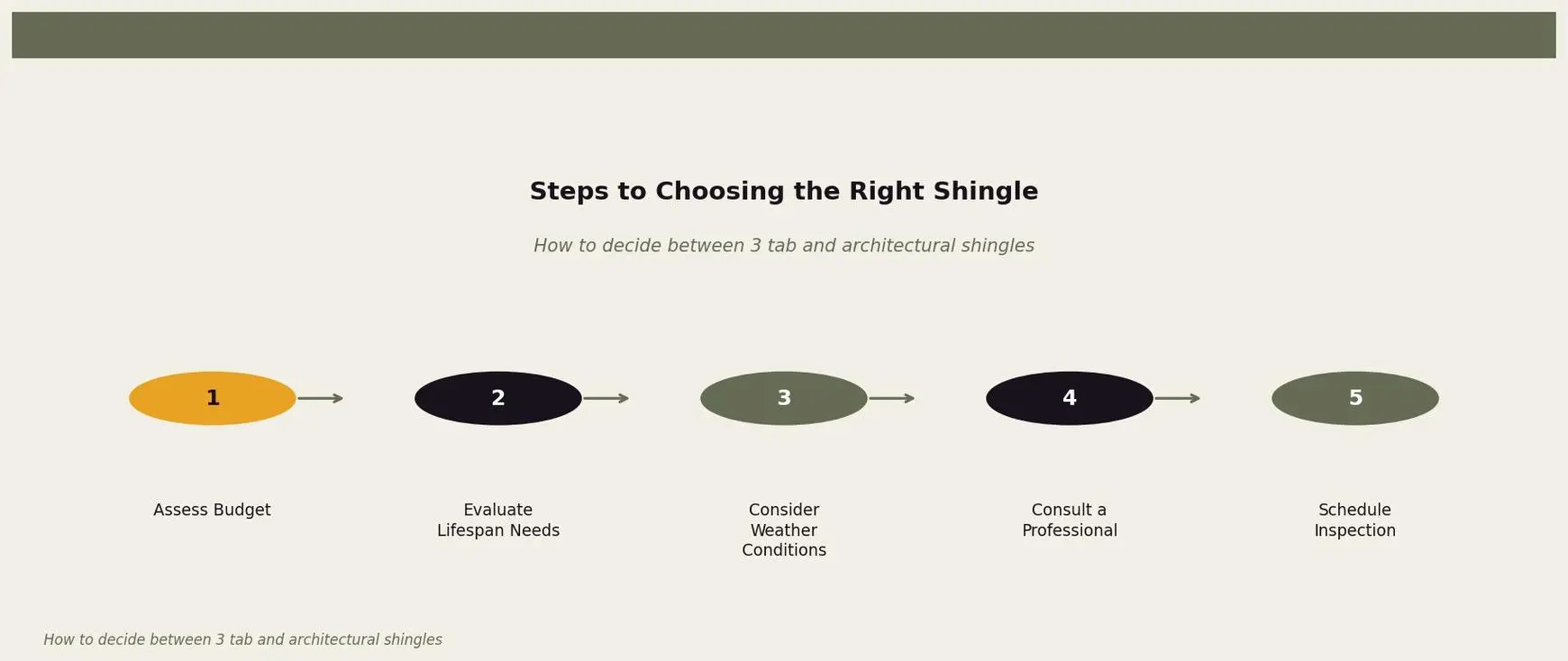
- Get your current roof inspected: Before deciding on anything, understand what you’re working with. How old is your existing roof? What condition is it in? Are there underlying issues that need addressing?
- Get multiple quotes: Talk to several roofing contractors. Compare not just prices, but the products they recommend and why.
- Ask specific questions: What warranty comes with the shingles? What’s the wind rating? How does the contractor handle ventilation and ice dam prevention?
- Think long-term: Don’t just compare today’s costs. Think about where you’ll be in 10, 15, 20 years and what makes sense over that timeline.
The choice between 3 tab and architectural shingles isn’t complicated once you understand the trade-offs. It’s really about matching your roof to your plans, your budget over time, and the realities of living in Minnesota.
Ready to Talk Through Your Options?
If you’re looking at your roof and wondering what’s next, we’d be happy to help. At Owl Roofing, we’ve worked on hundreds of roofs across the Twin Cities—3 tab replacements, architectural upgrades, storm damage repairs, the whole range. We’re based right here in Shoreview, and we’ve seen firsthand how Minnesota weather tests every type of shingle.
We’ll come out, take a look at your roof, and tell you exactly what we see—no pressure, no scare tactics, just honest information so you can make the best decision for your home. Whether that’s architectural shingles, 3 tab, or just some maintenance to extend your current roof’s life, we’ll give you the straight story.
Give us a call at 651-977-6027 or visit owlroofing.com/ to schedule a free inspection. We’re Tim, Bea, Noah, and Anya—your neighbors, not some franchise crew passing through. Protect Your Nest.
📍 Owl Roofing Serves the Entire Twin Cities Metro
Andover · Anoka · Apple Valley · Arden Hills · Big Lake · Blaine · Bloomington · Brooklyn Center · Brooklyn Park · Burnsville · Champlin · Chanhassen · Chaska · Columbia Heights · Coon Rapids · Cottage Grove · Crystal · deephaven · Delano · Eagan · East Bethel · Eden Prairie · Excelsior · Farmington · Forest Lake · Fridley · Golden Valley · Ham Lake · Hastings · Hopkins · Hugo · Inver Grove Heights · Lake Elmo · Lakeville · Lino Lakes · Mahtomedi · Maplewood · Mendota Heights · Minneapolis · Minnetrista · Mound · Mounds View · New Brighton · New Hope · North Oaks · North St. Paul · Oak Grove · Oakdale · Plymouth · Prior Lake · Ramsey · Richfield · Robbinsdale · Rosemount · Roseville · Saint Paul · Savage · Shakopee · Shoreview · South St. Paul · St. Louis Park · St. Michael · St. Paul · Stillwater · Vadnais Heights · Victoria · Waconia · wayzata · West St. Paul · White Bear Lake · woodbury
Licensed Minnesota roofing contractor · Free inspections · 10-year workmanship warranty · Get a free estimate →
