




 22min Read
 Posted 10.07.2025
Asphalt Shingles Explained: What They Are Made Of
Here’s a question most Twin Cities homeowners can’t answer: what’s actually sitting on top of your house right now? If you’re like 80% of American homeowners, it’s asphalt shingles—but beyond that, most folks draw a blank. And that knowledge gap? It costs Minnesota homeowners thousands of dollars every year in bad decisions, premature replacements, and storm damage they could have prevented.
Picture this: it’s late June, and one of those classic Minnesota storms rolls through Shoreview. Hail the size of golf balls, wind gusts hitting 60 mph, the whole dramatic show. The next morning, you’re staring at your roof from the driveway, and something looks… off. Shingles are scattered across your lawn like confetti. Your neighbor’s roof looks fine, but yours is a mess. Why? Because not all shingles are created equal, and the composition of what’s protecting your home matters more than you probably realized. If you don’t understand what your shingles are made of, you can’t choose the right ones—and you definitely can’t spot when a contractor is trying to sell you something your house doesn’t need.
Let’s fix that today. We’re going to break down exactly what goes into asphalt shingles, why it matters for your specific situation here in Minnesota, and how to use this knowledge to make smarter decisions about your roof.
Why This Matters to Homeowners / Context
Understanding asphalt shingles composition isn’t just trivia for roofing nerds—it directly affects your wallet, your home’s safety, and your peace of mind. Let’s get specific about why.
First, there’s the durability and lifespan factor. The National Roofing Contractors Association (NRCA) reports that asphalt shingles are the most common residential roofing material in the United States, covering roughly 4 out of every 5 homes. They’ve earned that popularity through a combination of affordability and decent longevity—typically 20 to 30 years depending on quality and local conditions. But here’s where composition gets interesting: those 10 extra years between a 20-year roof and a 30-year roof often come down to the specific materials used in manufacturing. We’re talking about the difference between replacing your roof twice versus three times over the life of owning your home. In real dollars, that’s $15,000 to $25,000 you either spend or save.
Then there’s weather performance—and this is where Twin Cities homeowners really need to pay attention. The Insurance Institute for Business & Home Safety (IBHS) has done extensive testing showing that shingle composition directly affects resistance to wind and hail damage. Minnesota sees both in abundance. We average 30+ thunderstorm days per year, and hail claims are among the highest in the nation. The materials inside your shingles determine whether they’ll hold up to that abuse or end up scattered across your neighbor’s yard.
There’s also the insurance angle, which most homeowners don’t think about until they’re filing a claim. According to industry reports, more than 50% of homeowner insurance claims involve roofing issues. When you’re dealing with an adjuster after a storm, knowing the specifics of your roof’s construction—what type of shingles you have, their age, their rating—can mean the difference between a smooth claim and a frustrating battle. Adjusters ask detailed questions, and “I don’t know, they’re brown?” isn’t the answer that gets you a fair settlement.
Finally, understanding asphalt shingles composition helps you spot bad contractors. Roofing is unfortunately an industry with its share of fly-by-night operators, especially after major storms when “storm chasers” flood the area looking for quick jobs. When you know what you’re talking about, you can ask pointed questions and tell immediately whether the person on your doorstep actually knows roofing or is just reading from a script. That knowledge is worth its weight in copper flashing.
Core Explanation / Deep Dive Part 1
Asphalt Shingle Materials: The Three Building Blocks
Every asphalt shingle, from the cheapest builder-grade option to the premium designer line, is built from three fundamental components: a base mat, asphalt coating, and surface granules. Think of it like a sandwich—each layer serves a specific purpose, and the quality of each ingredient determines whether you’re getting a forgettable fast-food meal or something that’ll actually satisfy.
Base Mat: The Foundation of Your Shingle
The base mat is the structural backbone of the shingle—it’s what holds everything together and gives the shingle its shape and strength. This is where the “fiberglass vs. organic” distinction comes in, and it’s more important than most homeowners realize.
Back in the day (we’re talking pre-1980s), virtually all asphalt shingles used an organic base mat made from cellulose fibers—essentially recycled paper, wood pulp, and similar materials compressed into a mat and saturated with asphalt. These organic shingles were sturdy and flexible, but they had a critical weakness: they absorbed moisture. In a climate like Minnesota’s, where we see constant freeze-thaw cycles, that moisture absorption led to warping, cracking, and premature failure. Many of those old organic shingle roofs didn’t make it past 15 years before needing replacement.
Modern shingles overwhelmingly use fiberglass base mats. According to Census data, over 80% of shingles manufactured today are fiberglass-based, and that number continues to climb. Fiberglass mats are made from woven glass fibers bonded with stable resins, creating a strong, lightweight foundation that doesn’t absorb water. The benefits are significant: better fire resistance (fiberglass shingles typically earn Class A fire ratings, the highest available), improved dimensional stability (they don’t warp or curl as easily), and longer overall lifespan. They’re also lighter, which reduces stress on your roof structure—a real consideration for older homes in established Twin Cities neighborhoods.
The quality of the fiberglass mat varies between manufacturers and product lines. Premium shingles use denser, heavier mats that provide better tear resistance and overall durability. Budget shingles use thinner mats that meet minimum standards but won’t perform as well under stress. When you’re comparing shingle options, asking about mat weight and density is a good way to gauge quality.
Asphalt: The Waterproofing Layer
Asphalt is the stuff that makes your shingles waterproof—it’s applied to both sides of the base mat, creating a continuous seal that prevents moisture from penetrating into your home. But not all asphalt is created equal, and the formulation matters enormously for performance.
Modern roofing asphalt is a refined petroleum product, but it’s heavily modified to improve its performance characteristics. The key modifications involve polymers—specifically, manufacturers add either SBS (styrene-butadiene-styrene) or APP (atactic polypropylene) to the asphalt to enhance its properties.
SBS-modified asphalt is sometimes called “rubberized” asphalt because it adds flexibility and elasticity. This is particularly important in Minnesota’s extreme temperature swings. When temperatures plummet to -20°F in January and then swing to 95°F in July, your shingles expand and contract dramatically. Basic oxidized asphalt (the cheap stuff) becomes brittle in cold temperatures and cracks under this stress. SBS-modified asphalt stays flexible across a much wider temperature range, dramatically reducing the risk of cracking and splitting. If you’re getting new shingles in the Twin Cities, asking whether the asphalt is polymer-modified should be near the top of your question list.
The quantity of asphalt also matters. Higher-quality shingles have thicker asphalt coatings, which provide better waterproofing and longer UV protection. Cheap shingles skimp on asphalt—you can sometimes literally feel the difference when comparing them side by side. A thinner asphalt layer means faster degradation and shorter lifespan.
Granules: Protection, Color, and Performance
Those little rock-like pieces covering the surface of your shingles aren’t just decorative—they’re performing multiple critical functions that affect everything from energy efficiency to fire resistance.
Granules are typically made from crushed rock (often minerals like granite or basite) coated with ceramic coloring. They’re embedded into the top asphalt layer during manufacturing, creating a durable outer surface. Here’s what they do:
UV Protection: This is the granules’ primary job. Raw asphalt degrades quickly when exposed to ultraviolet light—it oxidizes, becomes brittle, and cracks. The granules form a physical shield that blocks UV rays from reaching the asphalt layer beneath. When you see those dark streaks on old roofs, that’s often exposed asphalt where granules have worn away. The quality and coverage density of granules directly affects how long your shingles will last.
Fire Resistance: Those ceramic-coated rock granules don’t burn. They provide an additional layer of fire protection, helping your roof achieve better fire ratings. This matters more than you might think—embers from wildfires or nearby house fires can travel significant distances and land on roofs. A strong granule layer can prevent ignition.
Aesthetic Appeal: Granules come in virtually every color imaginable, from traditional blacks and browns to blues, greens, and reds. They’re what give your roof its visual character. Premium shingles often use blended granule colors to create more natural, dimensional appearances that mimic slate or wood shake.
Algae Resistance: In humid climates, blue-green algae can grow on roofs, creating unsightly dark streaks. Many modern shingles incorporate copper-infused granules that inhibit algae growth. While Minnesota is less humid than the Southeast, we still see algae issues, especially on north-facing roof slopes that stay damp longer. If you’re concerned about roof appearance, algae-resistant granules are worth seeking out.
Core Explanation / Deep Dive Part 2 — Details, Variations, Comparisons
Types of Asphalt Shingles: Know Your Options
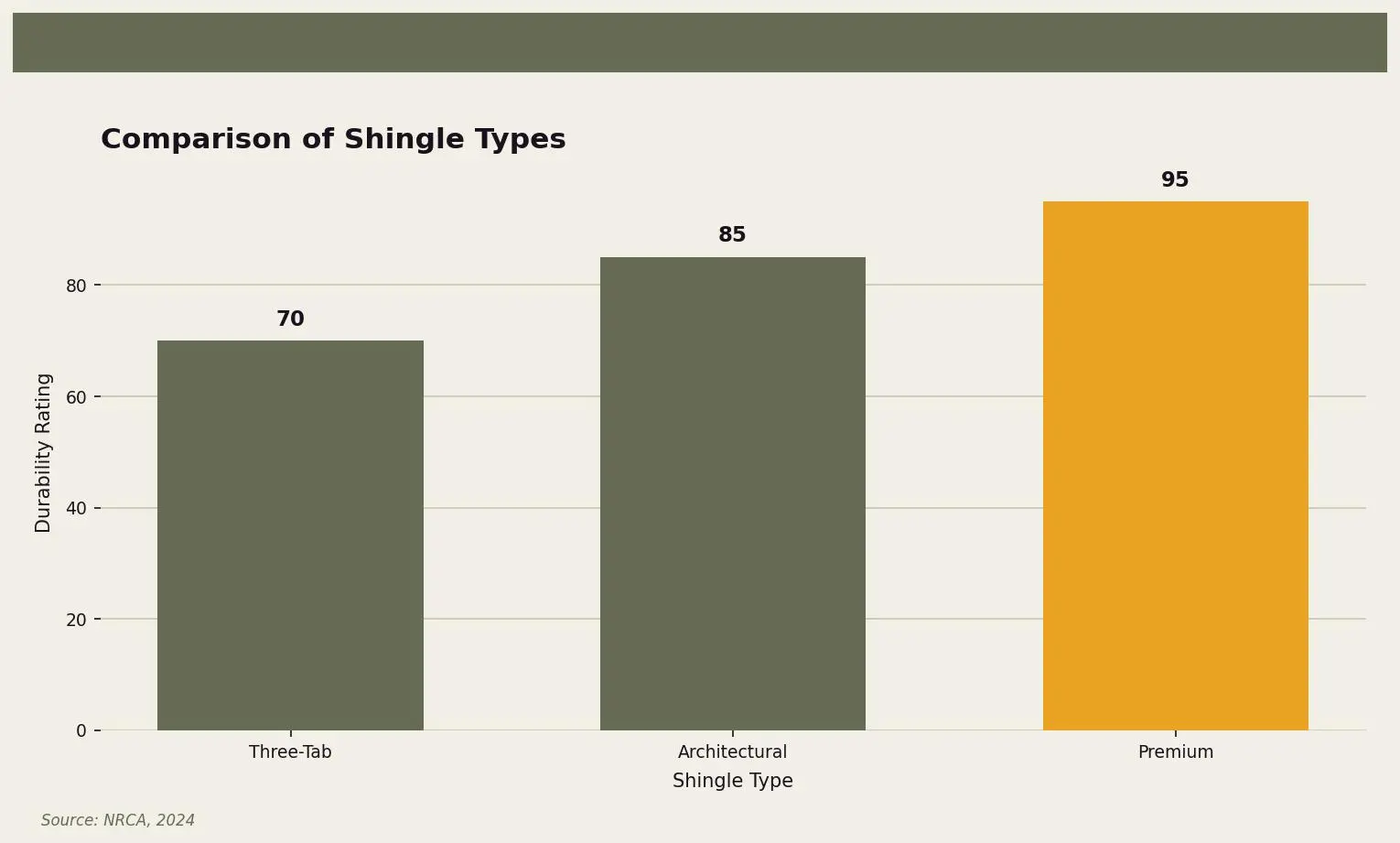
Walk into any building supply store in the Twin Cities, and you’ll find asphalt shingles ranging from about $90 per square (a “square” covers 100 square feet) to well over $400 per square. What’s the difference? Primarily, it comes down to three main categories: three-tab shingles, architectural shingles, and premium shingles. Each uses the same basic asphalt shingles composition we’ve discussed, but in different configurations that affect performance, appearance, and lifespan.
Three-Tab Shingles: The Budget Option
Three-tab shingles are the original, old-school design. They’re single-layer shingles with cutouts (or “tabs”) that create the appearance of three separate pieces when installed. They lie flat on the roof, creating a uniform, somewhat monotonous appearance.
The advantages are straightforward: they’re cheap, typically $80-100 per square for materials alone, and they’ve been around forever, so any contractor knows how to install them. They’re also lighter than other options, which can matter on older structures with marginal framing.
The disadvantages, however, are significant—especially in Minnesota. Three-tab shingles are thinner and lighter, which means less material protecting your home. Wind warranties typically max out around 60-70 mph for three-tabs, compared to 110-130 mph for architectural shingles. In practical terms, those spring storms that rip through the Twin Cities regularly hit wind speeds that can lift and remove three-tab shingles but leave architectural shingles intact. Their lifespan is also shorter—plan for 15-20 years rather than 25-30. When you factor in the cost of more frequent replacement, the “savings” from choosing three-tabs often evaporates.
We’re seeing three-tab shingles used less and less on permanent residences. They’re still common on rental properties, budget flips, and outbuildings where appearance and longevity aren’t priorities—but for your own home, they’re increasingly hard to recommend.
Architectural Shingles: The Smart Middle Ground
Architectural shingles (also called dimensional or laminate shingles) have dominated the residential market for good reason. They’re made by laminating multiple layers of material together, creating a thicker, more substantial shingle with a distinctive dimensional appearance. Instead of the flat, uniform look of three-tabs, architectural shingles create shadow lines and visual depth that mimic more expensive materials.
According to the NRCA, architectural shingles typically last 25-30 years when properly installed—sometimes longer in favorable conditions. That extra decade of service compared to three-tabs often makes them more economical over time, despite higher upfront costs (typically $120-200 per square). They also offer significantly better wind resistance, with many products warranting against winds up to 130 mph.
For Twin Cities homeowners, the improved performance characteristics of architectural shingles make them the default recommendation for most situations. They handle our freeze-thaw cycles better, resist wind uplift more effectively, and provide better overall protection against the weather conditions we actually experience. The vast majority of new roofs and roof replacements in the metro area now use architectural shingles.
Premium Shingles: When Appearance and Performance Both Matter
Premium or designer shingles represent the top of the asphalt shingle market. These products are engineered to replicate the appearance of expensive natural materials—slate, wood shake, or European tile—while maintaining the affordability and ease of installation that makes asphalt popular.
Premium shingles typically use the heaviest fiberglass mats, the thickest asphalt coatings, and the most sophisticated granule blends. Many incorporate multiple layers of lamination and special shaping to create incredibly realistic dimensional profiles. Standing at ground level, a well-installed premium shingle roof can be almost indistinguishable from actual slate or cedar.
The performance benefits are real: expect 30-50 year warranties (with some products claiming “lifetime” coverage), enhanced wind and impact resistance, and superior durability. The cost, however, is substantial—premium shingles can run $300-500+ per square, making them 3-4x more expensive than basic architectural options.
Premium shingles make sense for high-value homes where curb appeal matters, historic neighborhoods where appearance standards are strict, or homeowners who simply want the best available and plan to stay in their home long-term. In areas like North Oaks, Wayzata, or the historic districts of St. Paul, we see premium shingles frequently.
Comparing Fiberglass and Organic Shingles: Case Closed
While we’ve touched on this already, it’s worth stating clearly: the fiberglass vs. organic debate is essentially over. Fiberglass won. Organic shingles are rarely manufactured anymore, and when you can find them, they’re not recommended for Minnesota installations.
The reasons are practical. Organic shingles absorb moisture—sometimes up to 3-4 times as much as fiberglass alternatives. In our climate of constant freeze-thaw cycles, that moisture absorption is fatal to longevity. Water gets into the shingle, freezes, expands, and damages the internal structure. Repeat this 100+ times per winter (which is common in Minnesota), and the shingle literally crumbles from the inside out. Add in worse fire resistance, heavier weight, and no performance advantages, and there’s simply no good reason to choose organic shingles today.
If you have an older home with original organic shingles—homes built before the mid-1990s often have them—you’ll likely notice curling, cracking, and granule loss that’s more severe than you’d see on fiberglass shingles of the same age. When it’s time to replace, upgrading to modern fiberglass-based architectural shingles is the smart move.
Minnesota/Twin Cities Specific Considerations
Living in the Twin Cities means your roof faces a gauntlet of weather challenges that homeowners in moderate climates simply don’t experience. Understanding how asphalt shingles composition interacts with Minnesota’s specific conditions helps you make better decisions about your home.
First, let’s talk about temperature extremes. Minnesota holds records for both heat and cold—we’ve seen -60°F in some parts of the state and regularly hit 95°F+ in summer. That temperature swing, sometimes 120 degrees or more between winter lows and summer highs, creates tremendous stress on roofing materials. Shingles expand when hot and contract when cold. Over thousands of cycles, basic oxidized asphalt becomes brittle and cracks. This is why polymer-modified asphalt (specifically SBS-modified) performs so much better here than in moderate climates. The added flexibility allows the shingle to move with temperature changes without fracturing. When you’re evaluating shingles for a Minnesota home, asking about polymer modification is essential.
The Minnesota Department of Commerce recommends selecting shingles with high wind resistance ratings, and for good reason. Our severe thunderstorm season runs roughly May through August, but significant wind events can occur anytime. Spring storms are particularly nasty—the temperature differentials that create powerful storms are strongest when cold winter air collides with warming spring air. Look for shingles with Class H wind ratings (indicating they’ve been tested to resist uplift at 150 mph sustained winds) and proper installation with enhanced nailing patterns.
Then there’s hail. The Twin Cities sits squarely in what insurers call “Hail Alley”—we’re among the highest-risk metro areas in the nation for damaging hail. The composition of your shingles directly affects how they respond to hail impact. Impact-resistant shingles (rated Class 3 or Class 4 per UL 2218 standards) use modified asphalt formulations and reinforced mats that absorb hail energy rather than cracking. Class 4 shingles, the highest rating, can withstand a 2-inch steel ball dropped from 20 feet—roughly equivalent to a large hailstone. Many insurance companies offer premium discounts of 10-30% for homes with Class 4 impact-resistant shingles, which can help offset the higher initial cost.
Ice dams deserve special mention because they’re a particularly Minnesota problem. When heat escapes through your attic and melts snow on your roof, the meltwater runs down toward the eaves. At the colder eave edge, the water refreezes, forming an ice dam that blocks further drainage. Additional meltwater backs up behind the dam and can infiltrate under shingles, causing interior water damage.
The NRCA and local building codes recommend comprehensive approaches to ice dam prevention, including proper attic insulation and ventilation. But shingle composition plays a role too. Shingles with enhanced waterproofing—thicker asphalt coatings and better granule coverage—resist the water infiltration that ice dams cause. Additionally, proper installation includes ice and water shield membrane along eaves and valleys, which provides a secondary waterproofing layer beneath the shingles themselves.
Common Mistakes or Misconceptions Homeowners Make
After decades of combined experience working on Twin Cities roofs, certain homeowner misconceptions come up repeatedly. Let’s address them directly.
Misconception #1: “All asphalt shingles are basically the same.” This is dangerously wrong. As we’ve detailed, the materials, construction methods, and quality levels vary enormously between products. A builder-grade three-tab shingle and a premium architectural shingle are both technically “asphalt shingles,” but they’ll perform completely differently on your roof. The three-tab might fail in 15 years while the premium product lasts 40. They’ll respond differently to hail, wind, and UV exposure. Treating them as equivalent is like saying all cars are the same because they all have four wheels.
Misconception #2: “The most expensive option must be the best.” Not necessarily. The best shingle is the one that matches your specific needs, home, and budget. A premium designer shingle that mimics slate might be overkill for a rambler in a modest neighborhood where you don’t plan to stay long. An architectural shingle with impact resistance might be exactly right. The NRCA advises matching your shingle choice to your actual circumstances rather than automatically reaching for the most expensive option.
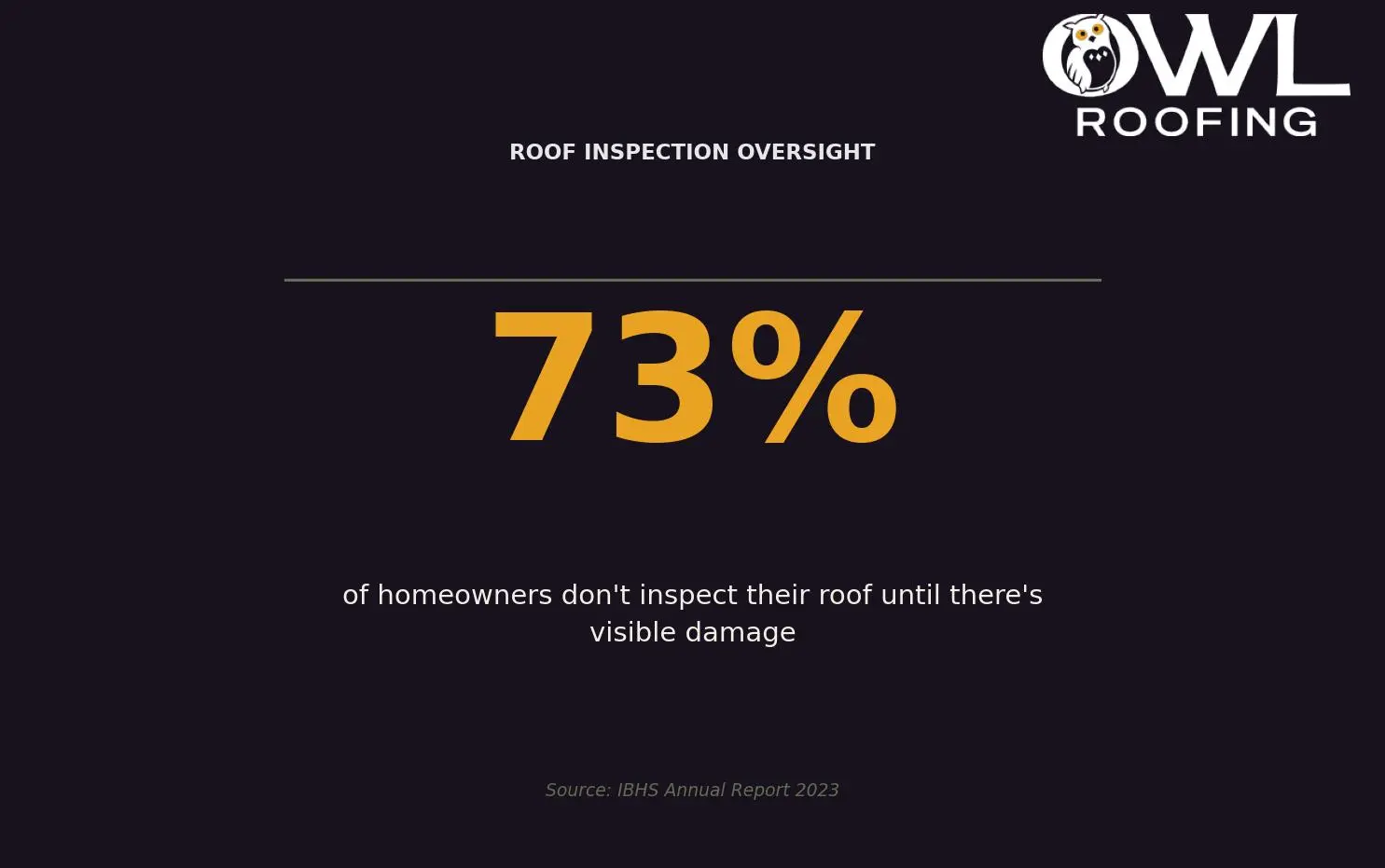
Misconception #3: “I don’t need to inspect my roof until I see water inside.” This is alarmingly common—and costly. The IBHS reports that 73% of homeowners don’t inspect their roof until there’s visible damage, which usually means damage has progressed to the point of interior leaks. By then, you’re not just paying for roof repairs—you’re paying for drywall, insulation, possibly mold remediation. Regular inspections (ideally twice yearly, in spring and fall) catch problems early when they’re cheap to fix. A $200 repair becomes a $2,000 repair becomes a $20,000 repair if ignored long enough.
Misconception #4: “Any roofer can install any shingle correctly.” Installation quality matters as much as shingle quality. Many manufacturer warranties are voided by improper installation, which is more common than you’d hope. Issues like inadequate nailing patterns, missing underlayment, improper ventilation, and sloppy flashing work can all cause premature failure of even premium shingles. Always verify that your contractor is certified by the shingle manufacturer and follows their specific installation requirements.
Misconception #5: “Storm chasers offer the same quality as local contractors.” After major storms, out-of-state contractors flood the Twin Cities looking for quick business. They knock on doors, promise fast work, and often disappear before problems emerge. Without a local presence, they have no accountability and no reputation to protect. When issues arise six months later, they’re three states away. Local contractors live here, work here, and depend on their reputation within the community. That accountability translates to better work and actual recourse if something goes wrong.
Step-by-Step Action Plan for Homeowners
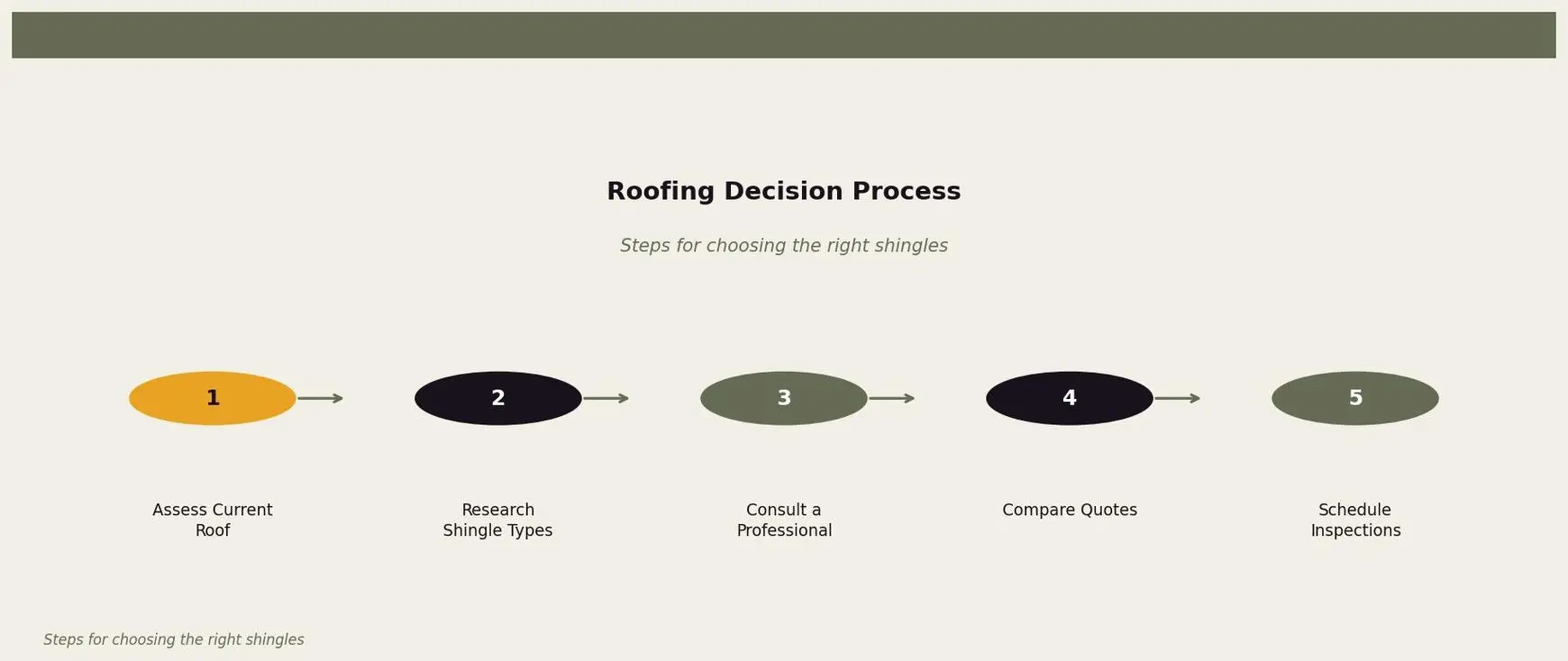
Ready to put this knowledge to work? Here’s a practical roadmap for Twin Cities homeowners:
- Step 1: Assess Your Current Roof. Get up there (safely) or hire someone to inspect what you have now. Identify your current shingle type—are they three-tab or architectural? Look for warning signs: curling edges, cracked shingles, granules accumulating in gutters, dark streaks or moss growth, and any visible damage around flashings, vents, or chimneys. Document what you find with photos.
- Step 2: Determine Your Shingle Type and Age. If you don’t know when your roof was installed, check your home purchase records, ask previous owners if possible, or have a professional estimate based on the shingle condition. Understanding remaining lifespan helps you plan—whether you’re looking at emergency replacement or have time to research and budget.
- Step 3: Research Your Options Based on Your Priorities. Now that you understand asphalt shingles composition, consider what matters most to you. Maximum lifespan? Best hail resistance? Specific aesthetic? Budget constraints? Make a prioritized list. Not every roof needs the most expensive shingles, but every roof deserves appropriate quality for its situation.
- Step 4: Consult Local Professionals. Reach out to established local roofing contractors—not the guy who knocked on your door after a storm. Get specific recommendations based on your home’s architecture, your neighborhood’s typical choices, and Minnesota’s climate demands. A good contractor will explain options without pushing the most expensive choice.
- Step 5: Compare Quotes Carefully. Get at least three written estimates for the same scope of work. Look beyond the bottom line—what shingle products are specified? What underlayment? What warranty coverage? A lower price often means lower quality materials or fewer labor hours (rushed installation). The cheapest bid is rarely the best value.
- Step 6: Verify Credentials. Before signing anything, confirm the contractor’s license, insurance, and manufacturer certifications. Check reviews on Google, the BBB, and Angi. Ask for local references you can actually contact. A legitimate contractor will happily provide this information.
- Step 7: Establish Ongoing Maintenance. Once your roof is installed (or if you
📍 Owl Roofing Serves the Entire Twin Cities Metro
Andover · Anoka · Apple Valley · Arden Hills · Big Lake · Blaine · Bloomington · Brooklyn Center · Brooklyn Park · Burnsville · Champlin · Chanhassen · Chaska · Columbia Heights · Coon Rapids · Cottage Grove · Crystal · deephaven · Delano · Eagan · East Bethel · Eden Prairie · Excelsior · Farmington · Forest Lake · Fridley · Golden Valley · Ham Lake · Hastings · Hopkins · Hugo · Inver Grove Heights · Lake Elmo · Lakeville · Lino Lakes · Mahtomedi · Maplewood · Mendota Heights · Minneapolis · Minnetrista · Mound · Mounds View · New Brighton · New Hope · North Oaks · North St. Paul · Oak Grove · Oakdale · Plymouth · Prior Lake · Ramsey · Richfield · Robbinsdale · Rosemount · Roseville · Saint Paul · Savage · Shakopee · Shoreview · South St. Paul · St. Louis Park · St. Michael · St. Paul · Stillwater · Vadnais Heights · Victoria · Waconia · wayzata · West St. Paul · White Bear Lake · woodbury
Licensed Minnesota roofing contractor · Free inspections · 10-year workmanship warranty · Get a free estimate →
What Owl Roofing Customers Actually Say
Real, verified Google reviews from real customers Owl Roofing maintains a 5.0 Google rating with 30+ five-star reviews.
Noah is the real deal. After our insurance denied our roof claim and the first roofer walked away, Noah showed up the next day and said he thought he could get us a new roof. He delivered. He got us a roof covered by insurance after it had already been declined. We came up with a nickname for him: “The Roof Whisperer.”
— Tyler Moberg, verified Google reviewI am an Independent Insurance Agency owner and have worked with Noah on several roof projects. The homeowners have been extremely satisfied with the quality of work and craftsmanship Noah and his crews have provided. From filing the claim to replacing the roof and cleaning up the job site, Noah and his crew are the best!
— Fred Zappa, Independent Insurance Agency OwnerWe used Owl Roofing for a repair on our roof in Brooklyn Park, and I was blown away by how good they were. Every member of the team communicated well about the process. Their price transparency was super helpful. They got the work done very fast, and the team was professional and very kind.
— Matt Brown, Brooklyn Park (verified Google review)Noah and his team are outstanding! His clear communication, professionalism, and workmanship are top-notch. I recommend Owl Roofing to all my clients, friends, and family.
— Christine Westlund, verified Google reviewIt didn’t feel like dealing with a big company — it felt like working with people who actually care about the homes and community in the North Oaks and Shoreview area. Great people, great communication, and really solid work.
— Cody Warren, verified Google review
