




Best Roofing Material What Lasts the Longest
 12min Read
 Posted 10.10.2025
Best Roofing Material: What Lasts the Longest
Here’s a number that might make you wince: the average Twin Cities homeowner replaces their roof 2-3 times over the life of their home. At $15,000 to $30,000 a pop, that’s a small fortune heading straight up to your rafters. But what if you could cut that number down to once—or even zero—by choosing the best roofing material from the start?
The problem isn’t that good roofing materials don’t exist. It’s that most homeowners pick based on what’s familiar (asphalt shingles, anyone?) or what’s cheapest upfront—without understanding how Minnesota’s brutal weather cycle will treat that choice over the next few decades. Our freeze-thaw winters, summer hailstorms, and temperature swings of 100+ degrees between seasons put roofs through a torture test that would make most building materials cry for mercy.
The promise? Once you understand what actually makes roofing materials last—and how each option performs in our specific climate—you can make a decision that saves you tens of thousands of dollars and decades of headaches. Let’s dig into the real data, compare your options honestly, and figure out what belongs on top of your home.
Why Roofing Lifespan Matters More Than You Think
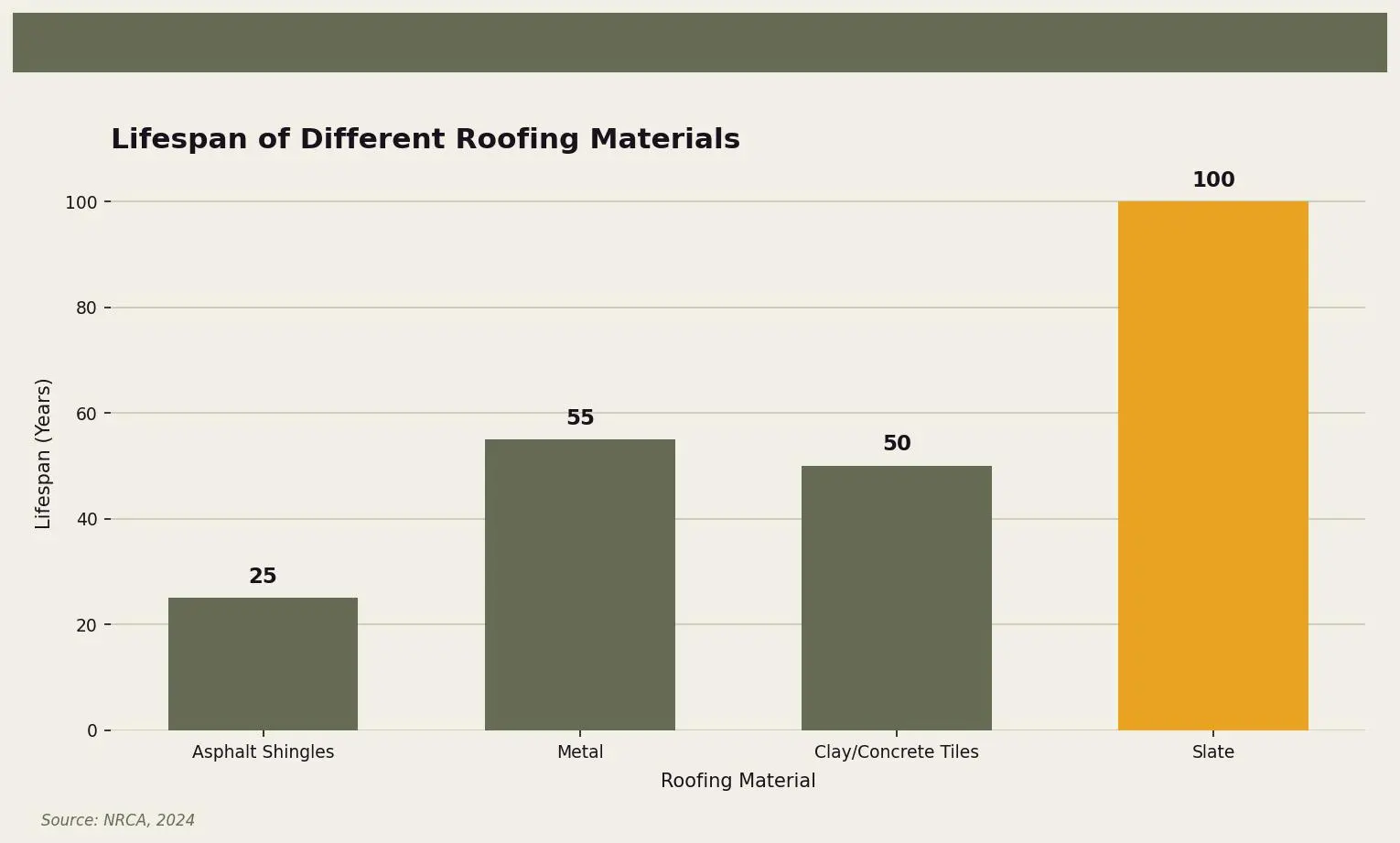
Let’s talk about what’s really at stake here. A roof isn’t like a new dishwasher or furnace—something you can swap out with mild inconvenience when it fails. When your roof starts giving up, you’re looking at potential water damage to insulation, ceilings, walls, and everything you own underneath. The National Roofing Contractors Association (NRCA) reports that average roof lifespans range from 15 to over 100 years depending on material. That’s not a small gap—it’s the difference between replacing your roof three times or never again.
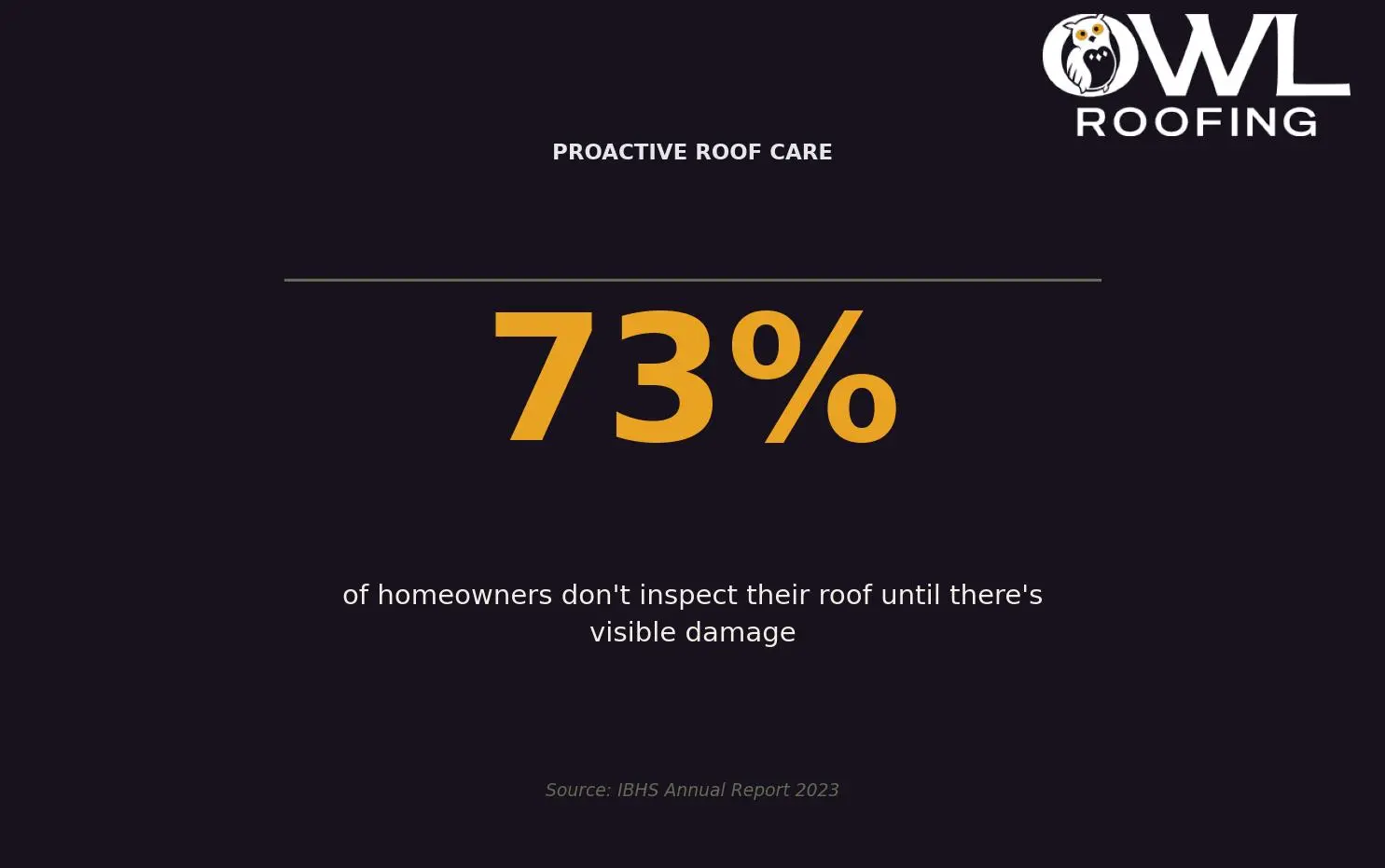
And here’s the kicker: according to the Insurance Institute for Business & Home Safety (IBHS) 2023 Annual Report, 73% of homeowners don’t inspect their roof until there’s visible damage. By then, that “small leak” has often been quietly destroying things for months. The most durable roofing material won’t just save you replacement costs—it’ll save you the cascade of repairs that come when a failing roof goes unnoticed.
In Minnesota specifically, we’re not just fighting time. We’re fighting physics. Water expands when it freezes, and every winter, moisture trapped in or under your roofing materials goes through dozens of freeze-thaw cycles. Each one creates tiny cracks that become big cracks that become “honey, there’s water dripping from the ceiling” conversations. The wrong material for our climate doesn’t just age—it accelerates toward failure.
The Contenders: Breaking Down Your Roofing Material Options
Asphalt Shingles: The Familiar Choice
Walk through any Twin Cities neighborhood, and you’ll see asphalt shingles on roughly 80% of homes. There’s a reason they’re everywhere: they’re affordable upfront ($3-$5 per square foot installed), they come in tons of colors and styles, and any roofer in the metro knows how to install them.
According to the National Association of Realtors (NAR), asphalt shingles typically last 20 to 30 years—though that range depends heavily on quality and climate. Here’s where it gets interesting for us Minnesotans: those estimates often come from regions with milder weather. Our freeze-thaw cycles, hail storms, and ice dams can knock years off that lifespan. The granules on asphalt shingles—the rough, sandpaper-like coating that protects them from UV rays—get beaten loose by hail and scraped off by ice. Once those granules go, deterioration speeds up fast.
Premium architectural shingles (the thicker, dimensional kind) hold up better than basic three-tab shingles and can push toward that 30-year mark with good ventilation and maintenance. But let’s be honest: if you’re buying a “forever home” in your 40s with standard asphalt shingles, you’re probably looking at one more full replacement before you hand the house to your kids or move to somewhere warmer.
Bottom line: Best for homeowners on a budget who plan to move within 15-20 years, or those prioritizing curb appeal variety over maximum longevity.
Metal Roofing: The Rising Star
Metal roofs have been having a serious moment in the Midwest, and the data backs up the hype. The IBHS notes that metal roofs typically last 40 to 70 years, with some systems exceeding even that. The Census Bureau’s Survey of Construction shows a clear uptick in metal roof installations across the Midwest as homeowners wise up to durability benefits.
What makes metal work so well in Minnesota? A few things:
- Snow shedding: Metal’s smooth surface lets snow slide off rather than pile up, reducing ice dam formation and the weight stress on your structure.
- Freeze-thaw resistance: Metal expands and contracts with temperature changes without cracking or degrading like other materials.
- Hail performance: Quality metal roofing can withstand significant hail impact. Some products carry Class 4 impact ratings (the highest available).
- No granule loss: Unlike asphalt, there’s nothing to scrape off or degrade over time.
The cost is higher—typically $7-$15 per square foot installed, depending on the metal type (steel, aluminum, copper, or zinc) and profile style. But here’s the math that makes people’s eyes widen: a metal roof that lasts 60 years costs less per year of service than an asphalt roof replaced twice over that same period. Add in lower maintenance and better energy efficiency (metal reflects heat in summer, potentially cutting cooling costs 10-25%), and the lifetime value often favors metal.
Bottom line: Excellent choice for homeowners planning to stay long-term who want a “set it and forget it” solution that handles Minnesota weather like a champ.
Clay and Concrete Tiles: The Heavy Hitters
Clay and concrete tiles bring serious old-world credibility to the longevity conversation. The NRCA confirms these materials can last 50 years or more with proper maintenance—some clay tile roofs in Europe have survived for centuries. They’re virtually fireproof, resistant to rot and insect damage, and don’t degrade from UV exposure.
Sounds perfect, right? Here’s where Twin Cities homeowners need to pump the brakes a bit.
The weight issue is real. Clay and concrete tiles can weigh 600-1,100 pounds per square (100 square feet), compared to 200-300 pounds for asphalt. Many Minnesota homes—especially older ones—aren’t built to handle that load without structural reinforcement. That reinforcement adds significant cost to an already premium price point ($10-$25 per square foot installed).
There’s also a climate consideration specific to us: while the tiles themselves handle freeze-thaw well, the underlayment and installation details become critical. Water that gets beneath tiles and freezes can cause problems. You need an installer who truly understands cold-climate tile roofing—and those aren’t as common here as in, say, Arizona.
Bottom line: A luxury option for newer construction or historic restoration where structure permits, but often overkill (and over-budget) for typical Minnesota residential applications.
Slate Roofing: The Century Play
If you’re thinking truly generational, slate is in a class by itself. This natural stone roofing material can last over 100 years—the NAR highlights its appeal for homeowners prioritizing longevity and classic beauty. Some slate roofs installed in the 1800s are still protecting homes today.
Slate is fireproof, resistant to mold and fungus, environmentally friendly (it’s just rock, after all), and ages with a graceful patina that only gets more beautiful. It laughs at hail, shrugs off freeze-thaw cycles, and requires almost zero maintenance beyond occasional inspections.
The catch? You’ll pay for that longevity—typically $15-$30+ per square foot installed, sometimes much more for premium quarry slate. Like tile, the weight (800-1,500 pounds per square) demands structural adequacy. And finding a qualified slate installer in the Twin Cities requires homework; improper installation ruins the performance of even the finest material.
Bottom line: The ultimate choice for true “forever homes,” historic properties, or homeowners who value passing something remarkable to the next generation. Not practical for most typical residential budgets.
The Minnesota Factor: What Our Climate Does to Roofing Materials
Every roofing material performs differently depending on where it lives. Here in the Twin Cities, we have a specific set of challenges that deserve straight talk:
Ice Dams: When heat escapes through your attic, it melts snow on your roof. That water runs down to the cold eaves, refreezes, and creates ice dams that back water up under your shingles. Asphalt shingles are most vulnerable here. Metal roofs resist this by staying closer to outside temperatures (with proper ventilation) and shedding snow before it melts.
Hail: We average 3-4 significant hail events per year in the metro. Asphalt shingles can lose granules or crack from impacts. Metal dents but rarely fails (and some products are nearly dent-proof). Tile and slate are vulnerable to cracking from large hail, though replacement is typically spot-repair rather than full replacement.
Temperature Extremes: A Minnesota roof experiences temperatures from -30°F to 100°F+ on the surface. That’s a 130-degree swing. Materials must expand and contract without losing integrity. Metal handles this best; asphalt handles it adequately; tile and slate handle it well if installed correctly.
Heavy Snow Loads: We get real snow here—sometimes 6+ inches overnight. Your roof’s structure matters, but so does the material’s ability to shed or support that weight. Metal’s shedding capability is a genuine advantage.
Making the Decision: Your Roofing Material Action Plan
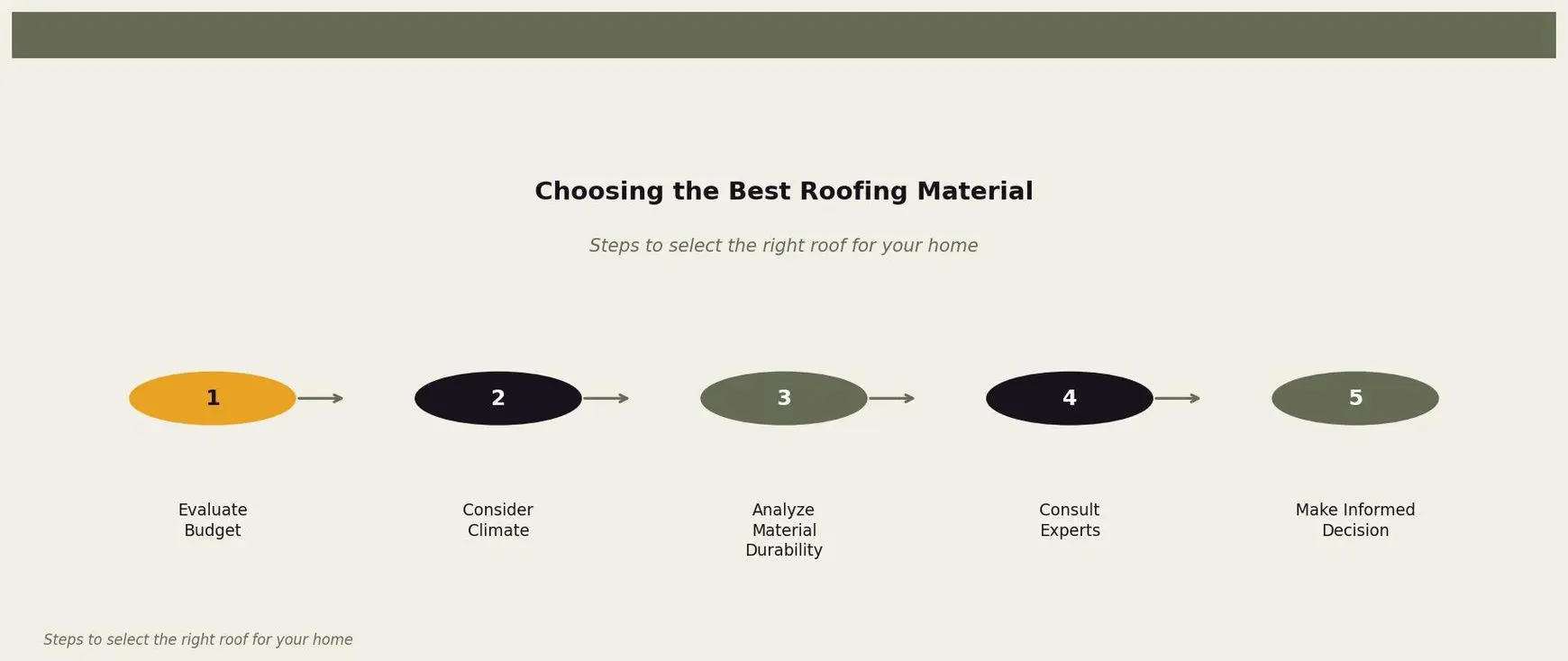
Now for the practical part. Here’s how to translate all this information into the right choice for your specific situation:
Step 1: Be Honest About Your Timeline
How long do you plan to live in this home? If you’re selling in 5-10 years, maximum longevity might not be your priority—value and curb appeal might matter more. If this is your forever home, the longer-lasting materials start making financial sense even with higher upfront costs.
Step 2: Know Your Structure
Before falling in love with tile or slate, get a professional opinion on whether your roof structure can handle the weight. This usually requires an inspection by a contractor or structural engineer. It’s better to know upfront than to discover limitations after you’ve committed.
Step 3: Calculate Lifetime Cost, Not Just Purchase Price
Here’s a rough comparison over 60 years:
- Asphalt shingles (replaced twice): $30,000-$60,000 total
- Metal roofing (installed once): $20,000-$40,000 total
- Slate (installed once): $40,000-$80,000 total
These numbers vary wildly based on roof size and product quality, but the pattern is clear: paying more upfront for longevity often costs less in the end.
Step 4: Factor in Energy and Insurance
Metal roofs may qualify for insurance discounts due to impact resistance, and their energy efficiency can trim utility bills. Some premium asphalt products also qualify for discounts. Ask your insurance agent what credits might apply—it affects the true cost comparison.
Step 5: Get Local Expertise
General contractor advice from Texas or Florida doesn’t apply here. You need someone who’s seen what Minnesota winters do to roofs—someone who’s repaired ice dam damage, replaced hail-beaten shingles, and knows which products actually perform in our climate versus which ones just have good marketing.
Ready to Protect Your Home for Decades?
We’ve been roofing Twin Cities homes for over 15 years combined, and we’ve seen every type of roof damage our Minnesota weather can dish out. Ice dams, hail storms, wind damage, sun degradation—we know what holds up and what doesn’t because we’re the ones on ladders dealing with the aftermath.
Owl Roofing is family-owned, not a franchise. We live here in Shoreview—we’re your neighbors, not some crew that rolls in after a storm and disappears. Tim and Bea, Noah and Anya—we started this company because we believe homeowners deserve honest advice about what’s actually best for their roof, not what’s most profitable for the contractor.
If you’re weighing your options or just want a straight answer about what your current roof really needs, we’d love to take a look. No pressure, no complicated estimates—just clear talk about your home.
Give us a call at 651-977-6027 or visit owlroofing.com/ to schedule a conversation. Protect Your Nest.
📍 Owl Roofing Serves the Entire Twin Cities Metro
Andover · Anoka · Apple Valley · Arden Hills · Big Lake · Blaine · Bloomington · Brooklyn Center · Brooklyn Park · Burnsville · Champlin · Chanhassen · Chaska · Columbia Heights · Coon Rapids · Cottage Grove · Crystal · deephaven · Delano · Eagan · East Bethel · Eden Prairie · Excelsior · Farmington · Forest Lake · Fridley · Golden Valley · Ham Lake · Hastings · Hopkins · Hugo · Inver Grove Heights · Lake Elmo · Lakeville · Lino Lakes · Mahtomedi · Maplewood · Mendota Heights · Minneapolis · Minnetrista · Mound · Mounds View · New Brighton · New Hope · North Oaks · North St. Paul · Oak Grove · Oakdale · Plymouth · Prior Lake · Ramsey · Richfield · Robbinsdale · Rosemount · Roseville · Saint Paul · Savage · Shakopee · Shoreview · South St. Paul · St. Louis Park · St. Michael · St. Paul · Stillwater · Vadnais Heights · Victoria · Waconia · wayzata · West St. Paul · White Bear Lake · woodbury
Licensed Minnesota roofing contractor · Free inspections · 10-year workmanship warranty · Get a free estimate →
- Lawn swept 3x with magnets
- Storm restoration specialists
- We actually answer: (651) 977-6027
 5.0 · 90+ reviews
 Accredited
Owl is the local family-owned roofer that actually cares.
250+ Twin Cities families have trusted us with their homes. Book a free inspection and see why.
★★★★★“We couldn’t be happier with how everything turned out. From the beginning to the end, the whole experience was great.”
Rob Larson, Local Homeowner + Owl Customer
A real person calls you back, usually within the hour.
