


Can Gutter Problems Cause Roof Damage
 14min Read
 Posted 12.20.2025
Can Gutter Problems Cause Roof Damage?
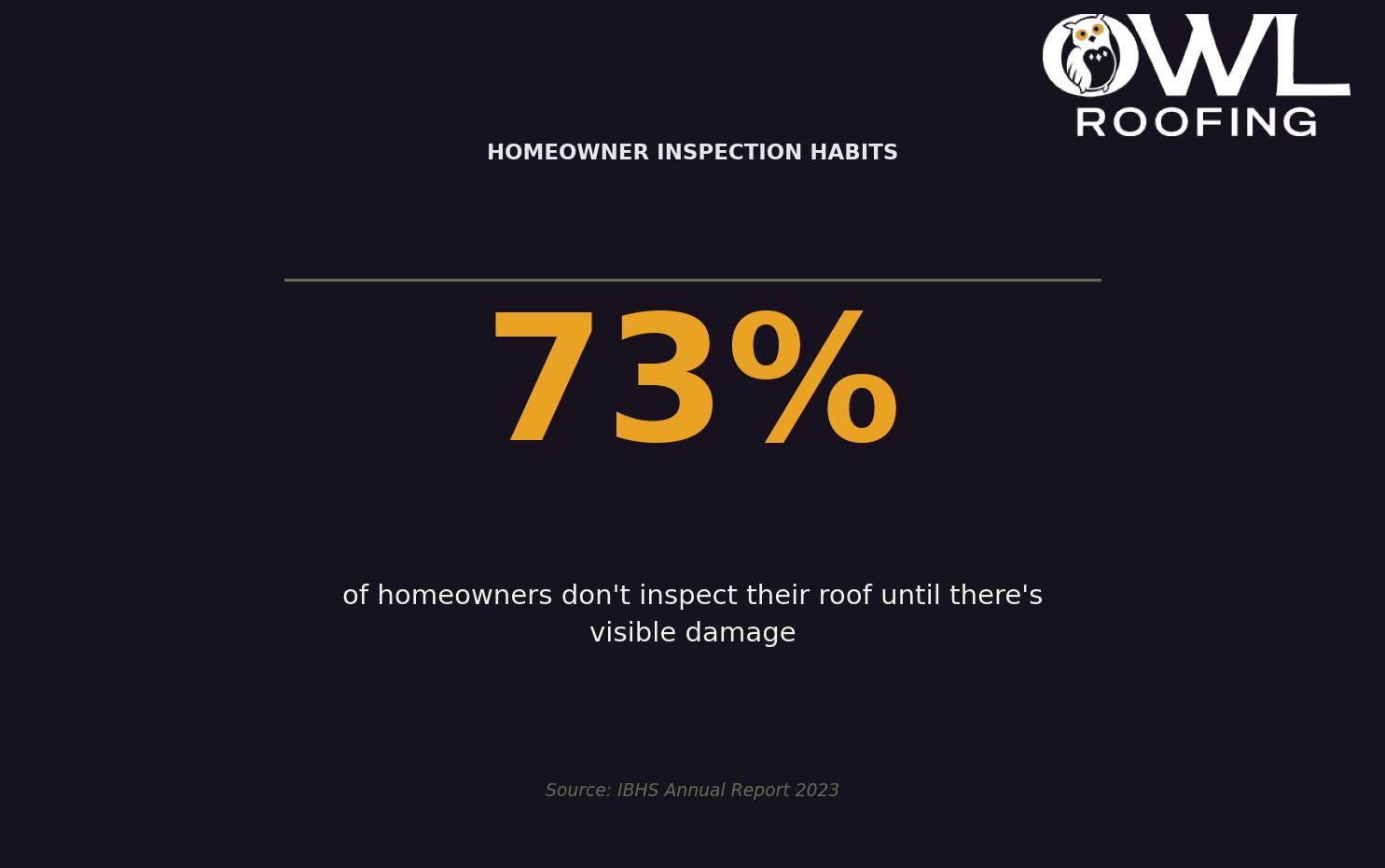
Here’s a number that might make you set down your coffee: 73% of homeowners don’t inspect their roof until they spot visible damage. By then? That mysterious ceiling stain, the peeling paint in your upstairs hallway, the musty smell you can’t quite place — it’s already too late to prevent the problem. And more often than not, the culprit isn’t your shingles. It’s those aluminum troughs you probably haven’t thought about since you bought the house.
Your gutters aren’t glamorous. Nobody posts about them on Instagram. But here in the Twin Cities, where we get dumped on with snow, battered by spring storms, and watch temperatures swing 50 degrees in a single week, your gutter system is quietly doing some of the most important work on your entire house. When gutters fail, your roof pays the price — and so does your wallet.
Let’s break down exactly how gutters cause roof problems, what to watch for, and how to stay ahead of repairs before a small maintenance task turns into a five-figure headache.
Why Your Gutters Matter More Than You Think
Think of your gutter system as your roof’s drainage partner. The feature is simple: gutters collect rainwater and snowmelt, then channel it away from your home through downspouts. The advantage over not having this system (or having one that’s clogged or damaged) is massive — properly functioning gutters prevent water from pooling on your roof, seeping under your shingles, saturating your fascia boards, and eventually finding its way into your attic, walls, and foundation.
The benefit to you? A dry home. Lower repair bills. No emergency calls to contractors in February when ice has backed up under your shingles and water is dripping through your ceiling fan.
According to the Insurance Institute for Business & Home Safety (IBHS), clogged gutters are a leading cause of roof leaks and related damage. That’s not a minor footnote — it’s a primary driver of the water damage claims that cost homeowners thousands every year. The IBHS Annual Report 2023 found that nearly three-quarters of homeowners take a reactive approach to roof care, waiting until something goes visibly wrong before taking action.
In Minnesota, that reactive approach is especially risky. Our weather doesn’t give second chances. A gutter problem in October becomes an ice dam in January becomes a roof leak in March. Understanding the connection between your gutters and your roof health isn’t just useful knowledge — it’s essential for protecting your home through our four-season gauntlet.
How Clogged Gutters Lead to Roof Damage
The Debris Problem
Let’s start with the most common issue: clogged gutters. If you’ve got trees anywhere near your house (and in Shoreview, Roseville, or most Twin Cities neighborhoods, you probably do), your gutters are collecting leaves, twigs, seeds, and debris every single day during peak seasons.
Here’s the feature: gutters are designed to move water. Here’s what happens when they can’t: water backs up. It pools. It sits on your roof edge, soaking into shingles, finding gaps in flashing, and working its way into places water should never go.
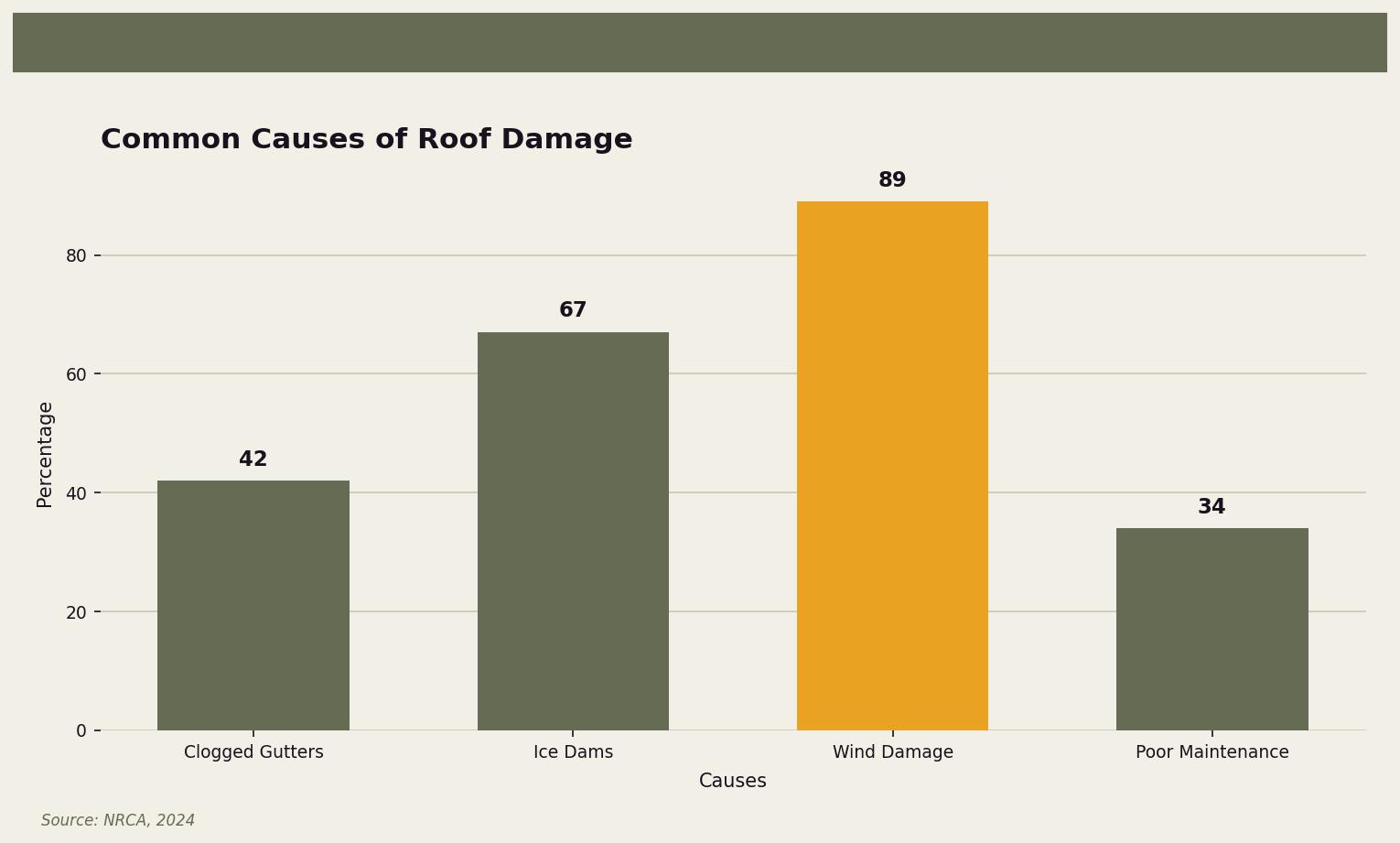
The advantage of keeping gutters clear is straightforward — water flows where it’s supposed to, off your roof and away from your foundation. The National Roofing Contractors Association (NRCA) identifies water pooling as a primary factor in roof deterioration. Standing water doesn’t just sit there looking innocent. It breaks down roofing materials, accelerates wear on your shingles, and creates the perfect environment for rot and mold growth.
The benefit to you as a homeowner? You’re not replacing your roof ten years earlier than you should. You’re not paying for water damage remediation in your attic. You’re not dealing with the stress and disruption of emergency repairs.
Ice Dams: Minnesota’s Specialty
If you’ve lived through even one Twin Cities winter, you’ve probably heard of ice dams. They’re practically a regional tradition — and not the good kind, like hot dish or saying “ope” when you bump into someone.
Here’s how they form: snow accumulates on your roof. Heat escaping from your attic (even in well-insulated homes, some heat escapes) melts the snow from underneath. That meltwater runs down toward your gutters. But if your gutters are clogged, or if the temperature is below freezing, that water refreezes right at the roof’s edge, forming a ridge of ice.
Now you’ve got a dam. More meltwater backs up behind it, can’t drain, and starts seeping under your shingles. This is where the real damage happens — water infiltrates your roof deck, soaks into your insulation, drips down into your walls and ceilings. By the time you see the stain, the damage has been happening for weeks.
The feature here is your gutter’s role in managing that meltwater. The advantage of clean, properly functioning gutters is that water can drain before it has a chance to freeze and back up. The benefit? You skip the whole ice dam nightmare, the interior water damage, and the frantic search for a contractor who can help mid-winter.
Fascia Damage: The Hidden Consequence
What Your Fascia Boards Actually Do
Quick anatomy lesson: your fascia is the long, straight board that runs along the lower edge of your roof, right behind your gutters. It’s what your gutters attach to. Most homeowners never think about it — until it starts rotting.
When gutters overflow (because they’re clogged or damaged), that excess water doesn’t just vanish. It spills over the gutter edge and runs down your fascia. Wood fascia boards, which are common in many Twin Cities homes, absorb that moisture. Over time, they rot. Paint peels. The wood softens. And once rot sets in, it spreads — into your roof decking, your soffits, and your attic.
According to the NRCA, damaged fascia can lead to cascading roof issues including structural compromise, mold growth, and pest infiltration. Carpenter ants and wasps love rotting wood. So do squirrels looking for a way into your attic.
The feature is your fascia’s role as structural support for your gutters and a seal for your roof edge. The advantage of maintaining healthy fascia (by keeping gutters functional and not letting them overflow) is that you preserve your roof’s integrity and keep pests and moisture out of your home’s structure. The benefit? You avoid not just fascia replacement costs, but the much larger expense of addressing the secondary damage that follows.
The Real Math: Maintenance vs. Replacement
Let’s talk numbers, because this is where the decision becomes clear.
Professional gutter cleaning typically costs $150 to $250 per service. If you’re doing it twice a year (fall and spring, which is the smart move in Minnesota), you’re looking at $300 to $500 annually. That’s less than a weekend getaway to Duluth.
Fascia replacement? That runs upwards of $600 per 8-foot section. Most homes have 60 to 100 linear feet of fascia — sometimes more. If you need to replace all of it because water damage has been creeping along for years, you’re looking at $4,500 to $7,500 or more, not including the cost of addressing any rot that’s spread to your roof deck or soffits.
And if ice dams have caused interior water damage? Remediation, drywall repair, repainting, and potential mold treatment can easily push costs into five figures.
The feature is routine gutter maintenance. The advantage is that it costs a fraction of the repairs it prevents. The benefit is that you keep thousands of dollars in your pocket and avoid the stress, disruption, and inconvenience of major home repairs.
Twin Cities Weather: Why This Matters Even More Here
Minnesota isn’t easy on houses. We all know this. But it’s worth spelling out exactly why gutter maintenance is especially critical in our region.
We get an average of 54 inches of snow per year in the Twin Cities. That’s a lot of weight on your roof, and a lot of potential meltwater that needs somewhere to go. Add in our freeze-thaw cycles — where temperatures might hit 40 degrees during the day and drop to 15 at night — and you’ve got perfect conditions for ice dams to form and reform throughout the winter.
Spring brings its own challenges: heavy rains, rapid snowmelt, and all that debris that’s been sitting in your gutters since last October suddenly becoming a serious problem. The Minnesota Department of Commerce emphasizes the importance of winterizing homes to prevent damage, including gutter maintenance as a key step in protecting your roof.
Fall is when most homeowners think about gutters, and that’s smart — clearing out leaves before the first freeze prevents clogs that cause ice dams. But spring matters too. After a Minnesota winter, your gutters have taken a beating. Ice may have pulled them away from the fascia. Brackets may have loosened. Debris that froze in place is now thawing and clogging your downspouts.
The feature is your gutter system’s role in managing Minnesota’s weather extremes. The advantage of seasonal maintenance — inspecting and cleaning in both fall and spring — is that you’re prepared for whatever comes next, whether it’s a November ice storm or an April deluge. The benefit is a roof that performs through all four seasons and a home that stays dry year-round.
Your Gutter Maintenance Action Plan
Here’s what actually works. No fluff, no filler — just the steps that protect your roof and prevent damage.
Twice-Yearly Gutter Cleaning
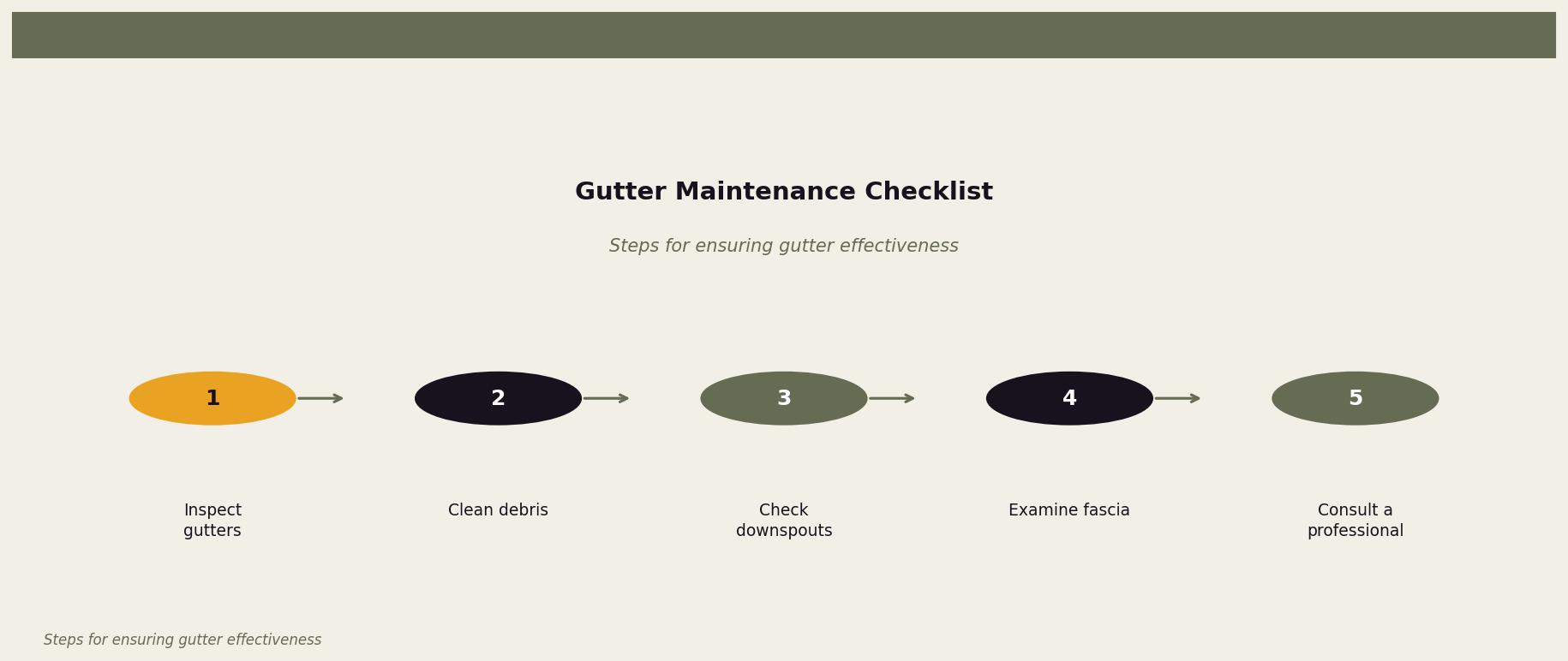
Schedule professional gutter cleaning in late fall (after the leaves have dropped but before the first freeze) and early spring (after snowmelt but before heavy spring rains). If you’ve got a lot of trees, you might need a third cleaning in early summer.
The feature: clear gutters. The advantage: water flows freely. The benefit: no pooling, no ice dams, no overflow damage to your fascia.
Inspect for Damage After Every Major Storm
High winds, heavy snow, and ice can pull gutters away from your fascia, dent or crack sections, and knock downspouts loose. After any significant weather event, take a walk around your house and look at your gutters from ground level. Are they sagging? Pulling away from the house? Visibly damaged?
The feature: regular visual inspections. The advantage: catching problems early. The benefit: small repairs instead of major replacements.
Check Your Downspouts
Downspouts are where water exits your gutter system. If they’re clogged, water backs up into your gutters and onto your roof. Make sure water flows freely by running a hose through them each spring. Also check that downspouts extend at least 4 to 6 feet away from your foundation — this prevents water from pooling around your home’s base, which can cause foundation issues.
The feature: clear, properly extended downspouts. The advantage: complete drainage away from your home. The benefit: protecting both your roof and your foundation from water damage.
Examine Your Fascia
While you’re looking at your gutters, look at the fascia behind them. Signs of trouble include peeling paint, soft or spongy areas, visible rot, or dark staining. If you see any of these, it’s time to call a professional for a closer inspection.
The feature: fascia awareness. The advantage: catching rot before it spreads. The benefit: preserving your roof’s structural integrity and avoiding costly repairs.
Consider Gutter Guards
Gutter guards are covers that fit over your gutters to keep debris out while still allowing water in. They don’t eliminate the need for maintenance entirely — you’ll still need occasional inspections and cleaning — but they significantly reduce how often gutters clog.
The feature: debris protection for your gutter system. The advantage: less frequent cleaning and reduced risk of clogs. The benefit: fewer opportunities for water damage, especially during seasons when you can’t easily get on a ladder (like, say, January in Minnesota).
Get a Professional Assessment
If you’re not sure about the state of your gutters, or if your home is older and you suspect there might be existing damage, have a professional take a look. A trained eye can spot issues you might miss — slight pulls in the fascia, early signs of rot, improper slope that prevents drainage, or wear patterns that indicate a problem.
The feature: professional expertise. The advantage: accurate diagnosis and early detection. The benefit: a clear plan for protecting your home before small issues become big ones.
The Bottom Line on Gutters and Roof Damage
Your gutters might not be exciting, but they’re doing serious work every time it rains or snows. When they’re clogged, damaged, or neglected, that work doesn’t get done — and your roof, fascia, and interior spaces pay the price.
In the Twin Cities, where weather swings from one extreme to another and ice dams are a seasonal reality, gutter maintenance isn’t optional. It’s how you protect your investment, avoid expensive repairs, and keep your home dry and comfortable through whatever Minnesota throws at it.
The feature-advantage-benefit chain is clear: maintain your gutters (feature), ensure proper water drainage and prevent ice dams (advantage), and save money while protecting your home (benefit). It’s one of the simplest and most cost-effective things you can do as a homeowner.
Need Help Protecting Your Roof?
If you’re looking at your gutters wondering when they were last cleaned, or if you’ve noticed signs of trouble — sagging, overflow stains, peeling fascia paint, or (worst case) water spots inside your home — it might be time to bring in someone who can help.
At Owl Roofing, we’ve seen every type of gutter-related roof damage that Minnesota weather can cause. Ice dams, rotted fascia, water intrusion from years of overflow — we know what to look for and how to fix it right. We’re based in Shoreview and serve homeowners throughout the Twin Cities, so we understand exactly what local roofs go through.
We’re not a franchise. We’re not storm chasers who blow into town after bad weather and disappear. We’re your neighbors — Tim, Bea, Noah, and Anya — with over 15 years of combined roofing experience. We’ll look at your roof, tell you exactly what it needs, and handle the whole thing without the runaround.
Give us a call at 651-977-6027 or visit owlroofing.com/ to schedule an inspection. We'll help you figure out what's going on and what needs to happen next — no pressure, no sales pitch. Just honest advice from people who live here too.
Protect Your Nest.
📍 Owl Roofing Serves the Entire Twin Cities Metro
Andover · Anoka · Apple Valley · Arden Hills · Big Lake · Blaine · Bloomington · Brooklyn Center · Brooklyn Park · Burnsville · Champlin · Chanhassen · Chaska · Columbia Heights · Coon Rapids · Cottage Grove · Crystal · deephaven · Delano · Eagan · East Bethel · Eden Prairie · Excelsior · Farmington · Forest Lake · Fridley · Golden Valley · Ham Lake · Hastings · Hopkins · Hugo · Inver Grove Heights · Lake Elmo · Lakeville · Lino Lakes · Mahtomedi · Maplewood · Mendota Heights · Minneapolis · Minnetrista · Mound · Mounds View · New Brighton · New Hope · North Oaks · North St. Paul · Oak Grove · Oakdale · Plymouth · Prior Lake · Ramsey · Richfield · Robbinsdale · Rosemount · Roseville · Saint Paul · Savage · Shakopee · Shoreview · South St. Paul · St. Louis Park · St. Michael · St. Paul · Stillwater · Vadnais Heights · Victoria · Waconia · wayzata · West St. Paul · White Bear Lake · woodbury
Licensed Minnesota roofing contractor · Free inspections · 10-year workmanship warranty · Get a free estimate →
