




How a Roof Works Step by Step for Homeowners
 20min Read
 Posted 9.28.2025
How Does a Roof Work: A Step-by-Step Guide for Homeowners in the Twin Cities
Here’s a number that might make you spit out your morning coffee: the average Twin Cities homeowner will spend over $15,000 on emergency roof repairs they could have prevented. That’s a used car. A family vacation to somewhere warm. A whole lot of money disappearing because nobody ever explained how does a roof work in plain English.
And honestly? That’s not your fault. Most roofing companies talk in jargon, throw around terms like “drip edge” and “soffit ventilation,” and expect you to nod along like you know what’s happening up there. But here’s the thing—your roof isn’t magic. It’s a system. And once you understand how that system works, you’ll spot problems before they become disasters, make smarter decisions about repairs, and stop feeling like you’re at the mercy of whoever shows up with a ladder.
So grab that coffee (hold it tight this time), and let’s walk through exactly what’s happening between you and the Minnesota sky.
Why This Matters to Homeowners (More Than You Might Think)
Let’s get real for a second. Your roof isn’t just another line item on your home maintenance checklist—it’s literally the thing standing between your family and a Minnesota blizzard. Or a July thunderstorm. Or that weird ice-rain mix we get in March that nobody can quite name.
The importance of understanding your roof’s function goes way beyond casual curiosity. According to the National Association of Realtors (NAR), up to 40% of a home’s curb appeal is attributed to the roof. That means when someone drives past your house, nearly half of their first impression comes from those shingles overhead. Planning to sell someday? Your roof is doing heavy lifting on your home’s value right now.
But it gets more serious than curb appeal. A 2023 report by the Insurance Institute for Business & Home Safety (IBHS) states that a well-maintained roof can reduce the chance of structural damage by up to 50% during severe weather events. Fifty percent. That’s the difference between filing an insurance claim and not. Between scrambling to find emergency contractors and sleeping soundly through a storm.
Here in Minnesota, where the weather treats your home like a stress test, understanding how roofing works isn’t optional—it’s essential. We’re not talking about a mild climate where roofs coast along for decades untouched. We’re talking about temperature swings of 100+ degrees between January and July. We’re talking about ice dams that form silently while you’re watching football. We’re talking about hail that shows up uninvited every summer like a cousin who needs money.
Investing time in knowing your roof’s mechanics can save you thousands of dollars and considerable stress down the line. More importantly, it puts you in control. You’ll know when a contractor is giving you a fair assessment versus trying to upsell you on work you don’t need. You’ll recognize warning signs before they turn into water stains on your ceiling. You’ll make decisions from knowledge, not fear.
Roof Structure Basics: What’s Actually Up There
The Anatomy of a Roof (No Medical Degree Required)
To truly grasp how a roof works, we need to look at what you’re actually dealing with. Think of your roof like a layer cake—except instead of frosting, each layer has a specific job protecting your home. Skip a layer or let one fail, and the whole cake falls apart. (Okay, that metaphor got away from us, but you get the idea.)
Here’s what’s stacked up there, from bottom to top:
- Roof Decking: This is the foundation of everything. Usually made of plywood or oriented strand board (OSB), the decking forms the structural base that supports every other component. It’s attached directly to your roof’s rafters or trusses. In Minnesota, we typically see 7/16″ or 1/2″ OSB, though older homes might have solid plywood or even plank decking. If your decking is compromised—rotted, warped, or damaged—nothing else matters because the whole system is built on a weak foundation.
- Underlayment: This is your roof’s secret weapon. This weather-resistant barrier gets installed directly on the decking before any shingles go down. Think of it as a backup goalkeeper. If water somehow gets past your shingles (and in Minnesota, it will try), the underlayment stops it from reaching the wood. Modern synthetic underlayments are way better than the old felt paper—they’re lighter, stronger, and won’t tear when a roofer walks on them. For Minnesota homes, you’ll also want ice and water shield in valleys and along eaves, which we’ll talk about in the ice dam section.
- Shingles: The most visible layer and your first line of defense against everything the sky throws at you. Shingles can be made from asphalt (by far the most common), wood, metal, slate, or composite materials. Each has pros and cons we’ll dig into later. But here’s what they all do: shed water, reflect or absorb heat, resist wind uplift, and take the daily beating so the layers beneath don’t have to.
- Flashing: These are the metal pieces that waterproof the tricky spots—where your roof meets a wall, around chimneys, at skylights, in valleys where two roof planes meet. Flashing is where most roof leaks actually start, and it’s one of the most overlooked components. Cheap flashing or sloppy installation will haunt you for years. Good flashing, properly installed, disappears from your life (in the best way).
- Ventilation: Here’s one most homeowners don’t think about until something goes wrong. Your roof needs to breathe. Proper ventilation allows air to circulate through your attic, which prevents moisture buildup in winter and heat buildup in summer. In Minnesota, ventilation is absolutely critical for preventing ice dams. We’ll get into the specifics, but just know this: your roof isn’t just a barrier—it’s a system that needs airflow to function.
- Gutters and Downspouts: Technically separate from the roof itself, but absolutely essential to how the system works. All that water your roof sheds has to go somewhere. Gutters catch it and direct it away from your foundation. Clogged, damaged, or missing gutters turn your beautiful roof into a waterfall aimed directly at your basement.
How These Components Actually Work Together
Here’s where it gets interesting. Each component has a job, but the real magic happens in how they collaborate. It’s like a well-coached hockey team—everyone has a position, but they win games through coordination.
When rain hits your roof, the shingles do the obvious work: they’re angled to let water run downhill toward the gutters. But shingles aren’t waterproof in the way you might think. They’re water-resistant, designed to shed water that’s moving. Standing water, windblown rain that gets under the edges, ice that freezes and melts—those can all sneak past.
That’s where the underlayment steps in. It’s the safety net for anything that beats the shingles. The underlayment catches that moisture and gives it a path to continue flowing down and out, rather than soaking into your decking.
Flashing handles the geometric challenges. Your roof isn’t one smooth plane—it has valleys, edges, penetrations for vents and chimneys. Every one of those features is a potential leak point. Flashing creates waterproof transitions, overlapping with both shingles and underlayment to maintain the barrier.
Meanwhile, ventilation is working the temperature and moisture angle. In summer, proper airflow keeps your attic from becoming a 150-degree oven that bakes your shingles from below and spikes your AC bill. In winter, ventilation keeps the underside of your roof deck cold enough that snow doesn’t melt, refreeze at the eaves, and create ice dams. It’s a year-round balancing act that happens invisibly when done right.
When each piece functions correctly, you get maximum protection and efficiency. When one piece fails, it stresses the others—and that’s when problems cascade.
Different Types of Roof Systems: What’s on Twin Cities Homes
The Materials You’ll See in Our Neighborhoods
Drive through Shoreview, Roseville, or Minnetonka, and you’ll see roofs of all types. Each material has its personality, and understanding the differences helps you make better decisions—whether you’re maintaining what you have or planning a replacement.
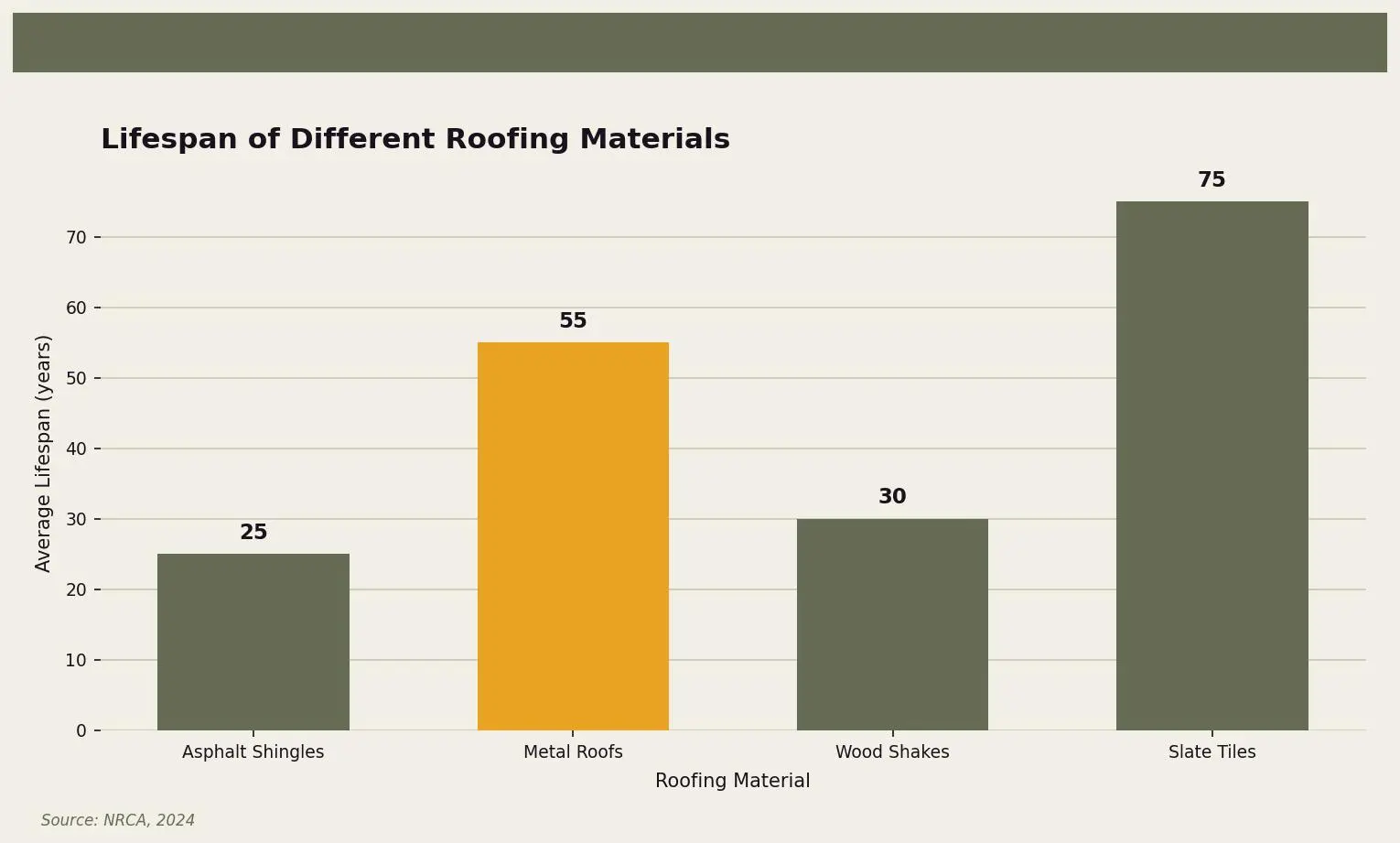
- Asphalt Shingle Roofs: This is what’s on about 80% of homes in the Twin Cities, and for good reason. Asphalt shingles are affordable, relatively easy to install, and come in tons of colors and styles. The modern architectural shingles (the dimensional ones that look layered) hold up much better than the old three-tab variety. Downside? They don’t last as long as premium materials—typically 20-30 years—and they’re more susceptible to hail damage. After a good Minnesota hailstorm, roofing companies get very busy replacing asphalt shingle roofs.
- Metal Roofs: Increasingly popular in Minnesota, and for good reason. Metal roofs are incredibly durable, energy-efficient (they reflect heat in summer), and handle snow loads beautifully—snow tends to slide right off. They come in standing seam styles (the modern look with vertical lines) or metal shingles designed to mimic traditional roofing. Upfront cost is significantly higher, but the lifespan—40 to 70 years—often makes the math work out. Plus, many homeowners just love how they look.
- Wood Shakes: There’s nothing quite like the natural beauty of cedar shake roofing. It offers excellent insulation properties and develops a gorgeous silver-gray patina over time. But—and this is important for Minnesota—wood shakes require more maintenance than other options. They need periodic treatment to resist moisture, moss, and rot. They’re also less fire-resistant than other materials, which may affect your insurance rates. Still, on the right home, they’re stunning.
- Slate Tiles: The gold standard for longevity. Real slate roofs can last 75-100+ years. They’re fireproof, beautiful, and incredibly durable. The catch? They’re heavy (your home’s structure needs to support them), expensive, and require specialized installation. You’ll see slate on older, historic homes in Minneapolis and St. Paul, where they’ve often been protecting the same house for generations.
- Composite and Synthetic Options: Newer materials designed to mimic slate or wood at lower cost and weight. Quality varies widely, so do your homework. Some composites perform excellently; others don’t hold up to Minnesota’s climate extremes.
Comparing Your Options: The Numbers
According to the National Roofing Contractors Association (NRCA), the average lifespan of an asphalt shingle roof ranges from 20 to 30 years, while metal roofs can last 40 to 70 years. That’s a huge spread, and it matters when you’re calculating long-term costs.
Here’s a way to think about it: if a metal roof costs twice as much as asphalt but lasts three times as long, which is actually cheaper? Factor in that you avoid a second replacement (with all its disruption and labor costs), and the premium option often wins financially—not just aesthetically.
The energy picture is compelling too. The IBHS notes that metal roofs’ ability to reflect sunlight can reduce cooling costs by up to 25%. That’s real money back in your pocket every summer, year after year. In a climate like ours, where you’re running AC for three months and heat for five, efficiency matters.
The choice between materials ultimately comes down to your budget (both upfront and long-term), your home’s architecture, your neighborhood context, and how long you plan to stay. There’s no universally “best” material—just the best fit for your situation.
Minnesota and Twin Cities Specific Considerations
Let’s talk about what makes roofing here different from, say, Arizona or Florida. The Twin Cities present unique challenges that affect every aspect of how a roof works and how long it lasts.
The Freeze-Thaw Cycle: Your Roof’s Annual Stress Test
Our temperature swings are brutal on roofing materials. When water gets into small cracks or gaps and then freezes, it expands—widening those cracks. Then it thaws, contracts, and the cycle repeats. Over a Minnesota winter, this can happen dozens of times. It’s like your roof is doing CrossFit, but not in a good way.
This freeze-thaw cycle affects everything: it can crack shingles, lift flashing, deteriorate caulking, and stress seams. Materials that perform beautifully in stable climates may fail faster here. It’s one reason why material quality and installation technique matter so much in Minnesota—cutting corners catches up with you.
Ice Dams: Minnesota’s Signature Roof Problem
If you’ve lived here through a winter, you’ve probably seen ice dams—those thick ridges of ice that form along roof edges, sometimes with dramatic icicles hanging down. They look almost pretty until you realize what’s happening: water is pooling behind them, potentially backing up under your shingles and into your home.
Ice dams form when heat escapes from your living space into the attic, warming the roof deck and melting snow from below. That meltwater runs down until it reaches the cold eaves (which overhang beyond the heated space), where it refreezes. Layer after layer builds up, creating a dam that traps more water behind it.
The solution isn’t just scraping ice off (though that can help in emergencies). The real fix involves proper insulation (to keep heat in your living space), proper ventilation (to keep the attic cold), and ice and water shield membrane along the eaves (to protect if water does back up). A well-designed Minnesota roof system addresses ice dams proactively.
Snow Load and Structural Demands
Heavy snow loads require roofs with adequate pitch and strong structural support. Building codes in Minnesota reflect these demands. According to the Minnesota Department of Labor and Industry, roofing systems must meet specific standards for snow load and wind resistance. These aren’t suggestions—they’re requirements because our climate demands them.
Most Twin Cities roofs are designed to handle significant snow accumulation, but issues arise with flat or low-slope sections, old construction that predates modern codes, or when drifting creates uneven loads. If you have areas where snow consistently piles up deeper than elsewhere, that’s worth monitoring.
Hail: The Summer Surprise
We get serious hail in the Twin Cities. Some summers more than others, but it’s a matter of when, not if. Hail impacts can crack, dent, or dislodge roofing materials—sometimes obviously, sometimes in ways that only show up as leaks months later.
After a significant hailstorm, it’s worth having your roof inspected, even if you don’t see obvious damage from the ground. Many roofing warranties and insurance claims have time limits, so don’t wait until next year’s leak to discover you had a claim window that closed.
Common Mistakes and Misconceptions Homeowners Make
Let’s clear up some myths and missteps that cost Twin Cities homeowners money and headaches.
“My Roof Looks Fine From the Ground”
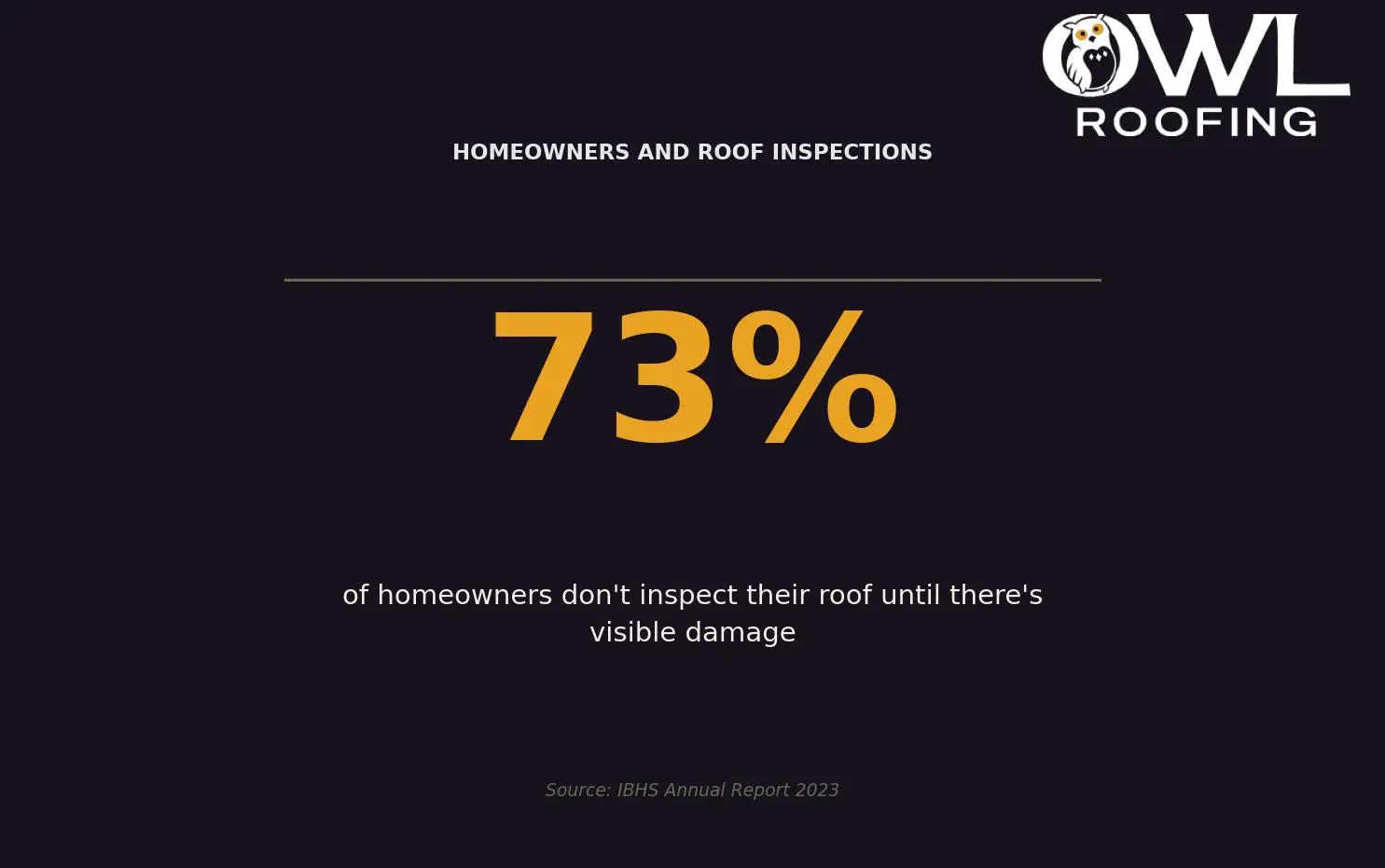
This is the big one. According to the IBHS Annual Report 2023, 73% of homeowners don’t inspect their roof until there’s visible damage. By the time you’re seeing water stains on your ceiling or shingles in your yard, the underlying damage has been developing for months or years. The leak you notice today probably started as a crack or lifted flashing seasons ago.
Regular inspections catch minor issues before they escalate. A $200 repair beats a $10,000 replacement every time. You don’t need to climb up there yourself (please don’t, unless you’re comfortable on ladders and know what you’re looking for)—binoculars from the ground can reveal a lot, and professional inspections are worth the investment.
“Ventilation Is Just for Energy Efficiency”
Poor ventilation is a stealth destroyer of roofs. It leads to moisture buildup that causes mold growth, wood rot, and structural damage. It contributes to ice dams. It cooks shingles from below in summer, dramatically shortening their lifespan. The effects aren’t immediately visible, which is why they’re so often ignored—until the damage is extensive.
“All Roofers Are Basically the Same”
Installation quality matters enormously. The same materials installed by different crews can perform completely differently. A properly installed mid-grade shingle will outperform a premium shingle that’s sloppily attached. Look for contractors who know Minnesota’s specific challenges, carry proper insurance, provide real warranties, and have verifiable local references.
“I Should Wait Until Spring to Address Winter Damage”
Some repairs can’t wait. Emergency tarping, ice dam mitigation, and certain fixes can be done in winter and prevent months of additional damage. Yes, major work often waits for better weather, but don’t assume all roof problems should be ignored until April.
“New Shingles Over Old Ones Save Money”
This used to be more common, and it’s tempting because it reduces labor costs. But layering new shingles over old ones can hide underlying problems, add weight your structure may not support, void warranties, and create an uneven surface that wears faster. In Minnesota’s climate, starting fresh with a proper tear-off is almost always the better investment.
Step-by-Step Action Plan for Homeowners
Enough theory—here’s what to actually do to keep your roof working properly for decades.
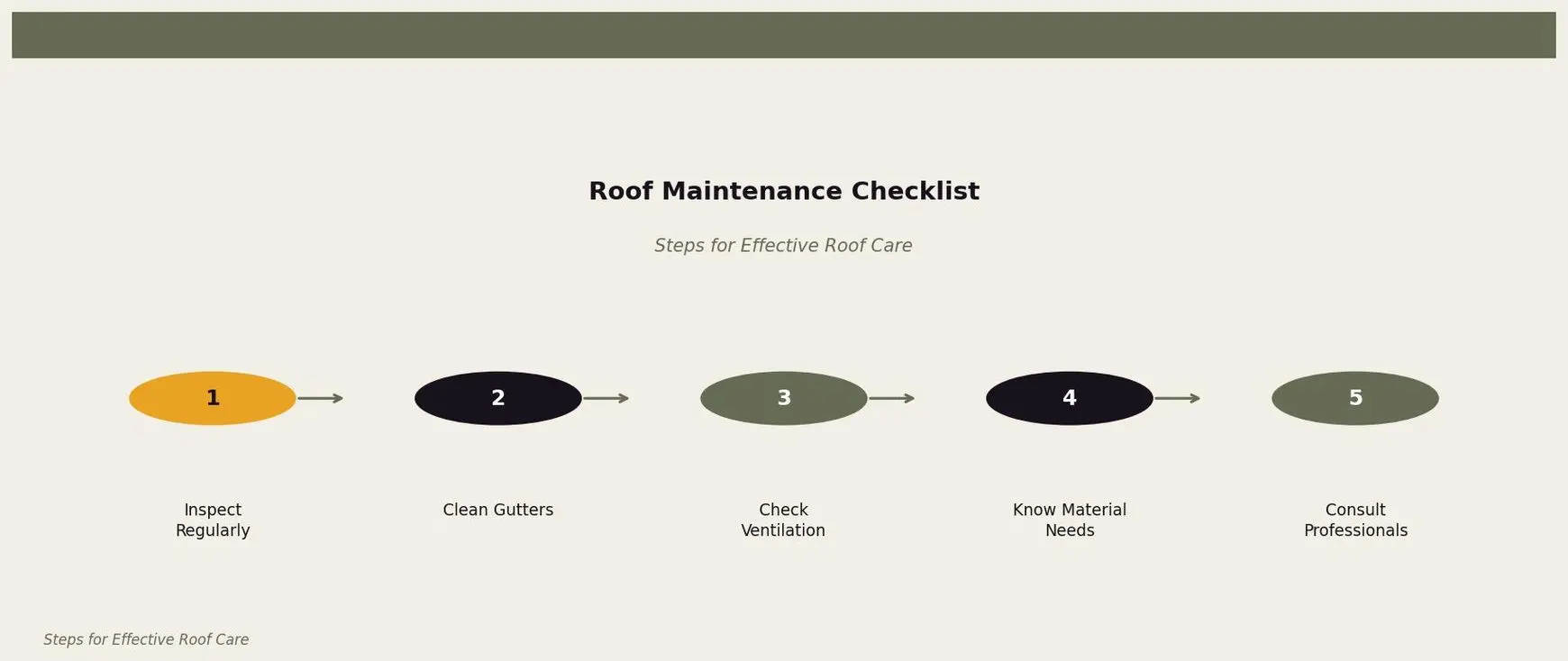
1. Schedule Regular Inspections (Yes, Really)
Inspect your roof at least twice a year, ideally in spring (after winter’s assault) and fall (before winter’s next round). You’re looking for loose, cracked, or missing shingles; damaged or lifted flashing; signs of water damage or staining in your attic; sagging areas; and any accumulation of debris.
From the ground, use binoculars to scan the roof surface. In your attic, look for daylight coming through (bad), water stains (bad), proper insulation coverage (good), and adequate ventilation (good). Document what you find with photos—it helps track changes over time and provides records if you ever need to file an insurance claim.
2. Maintain Your Gutters Religiously
Clean gutters at least twice a year—more if you have trees overhanging your roof. Clogged gutters cause water to back up, which damages fascia boards, can contribute to ice dams, and directs water toward your foundation instead of away from it.
While you’re at it, check that downspouts direct water at least 4-6 feet away from your foundation. Extensions are cheap; foundation repairs are not.
3. Ensure Proper Ventilation
Check that soffit vents aren’t blocked by insulation. Verify that ridge vents or roof vents are clear and functional. If your attic feels like a sauna in summer or you’re seeing ice dams every winter, ventilation improvements should be a priority. This often involves professional assessment—it’s worth the investment.
4. Understand Your Specific Roofing Material
Different materials have different maintenance needs. Asphalt shingles need monitoring for granule loss and cracking. Metal roofs need occasional fastener checks and attention to any scratches in the finish. Wood shakes need treatment and monitoring for rot or moss. Know what you have and what it requires.
5. Address Problems Promptly
Small problems become big problems. A lifted shingle that costs $150 to fix becomes a rotted deck that costs thousands. Water damage spreads. Don’t put repairs on the “someday” list—get them on the calendar.
6. Document Everything
Keep records of inspections, maintenance, and repairs. Save receipts and contractor information. Take dated photos of your roof’s condition. This documentation is invaluable for insurance claims, warranty issues, and if you ever sell your home.
7. Consult Professionals for Big Decisions
For any significant repairs or replacements, consult a local roofing professional who’s familiar with Minnesota’s specific requirements and climate challenges. Get multiple quotes for major work. Ask about warranties—both on materials and workmanship. Check references, not just online reviews.
Ready to Take the Next Step?
Your roof is more than just a covering—it’s a complex system working tirelessly to protect your home and family through everything Minnesota throws at it. Now that you understand how roofing works, you’re equipped to make smarter decisions about maintenance, spot problems early, and have informed conversations with contractors.
But understanding your roof and actually getting up there to inspect it are two different things. And when it comes to repairs or replacement, you want someone who knows Twin Cities roofs inside and out—not a franchise crew passing through or storm chasers who’ll be gone next month.
That’s where we come in. At Owl Roofing, we’re your neighbors here in Shoreview, serving homeowners across the Twin Cities. Tim and Bea, Noah and Anya—we’ve been doing this for over 15 years combined, and we’ve seen every type of roof system, every Minnesota weather challenge, and every “creative” solution previous contractors have tried. We look at your roof, tell you exactly what it needs, and get it done right. No pressure, no upselling, no disappearing after the check clears.
If you’ve got questions about your roof, want an honest inspection, or you’re ready to talk about repairs or replacement, give us a call at 651-977-6027 or visit owlroofing.com/. We’ll treat your home like we’d treat our own—because that’s how neighbors should operate.
Protect Your Nest.
📍 Owl Roofing Serves the Entire Twin Cities Metro
Andover · Anoka · Apple Valley · Arden Hills · Big Lake · Blaine · Bloomington · Brooklyn Center · Brooklyn Park · Burnsville · Champlin · Chanhassen · Chaska · Columbia Heights · Coon Rapids · Cottage Grove · Crystal · deephaven · Delano · Eagan · East Bethel · Eden Prairie · Excelsior · Farmington · Forest Lake · Fridley · Golden Valley · Ham Lake · Hastings · Hopkins · Hugo · Inver Grove Heights · Lake Elmo · Lakeville · Lino Lakes · Mahtomedi · Maplewood · Mendota Heights · Minneapolis · Minnetrista · Mound · Mounds View · New Brighton · New Hope · North Oaks · North St. Paul · Oak Grove · Oakdale · Plymouth · Prior Lake · Ramsey · Richfield · Robbinsdale · Rosemount · Roseville · Saint Paul · Savage · Shakopee · Shoreview · South St. Paul · St. Louis Park · St. Michael · St. Paul · Stillwater · Vadnais Heights · Victoria · Waconia · wayzata · West St. Paul · White Bear Lake · woodbury
Licensed Minnesota roofing contractor · Free inspections · 10-year workmanship warranty · Get a free estimate →
