


Ice Dam Removal Minneapolis Causes Prevention and Safe Removal Options
 14min Read
 Posted 2.15.2026
Ice Dam Removal in Minneapolis: Causes, Prevention, and Safe Removal Options
That ridge of ice forming along your roofline? It’s not just frozen water—it’s a ticking clock. Every hour an ice dam sits on your Minneapolis roof, melted snow is pooling behind it, seeping under your shingles, and hunting for a way into your home. And here’s the kicker: by the time you notice the water stain on your ceiling, the damage has already been done.
Ice dams are one of the most common—and most destructive—winter problems facing Twin Cities homeowners. But here’s the good news: they’re also preventable, and when they do form, there are safe ways to deal with them that won’t wreck your roof in the process. Let’s break down exactly what’s happening on your roof, why it matters, and what you can actually do about it.
Why Ice Dams Should Be on Your Radar
Let’s be real: ice dams aren’t just an inconvenience. They’re a genuine threat to your home’s structure, your wallet, and your peace of mind during Minnesota’s already-challenging winters.
According to the Insurance Institute for Business & Home Safety (IBHS), ice dams force water to back up under your shingles. Once that water gets past your roofing material, it’s got a clear path to your attic, insulation, walls, and ceilings. We’re talking warped wood, ruined drywall, and the kind of hidden moisture that leads to mold growth.
And the cost? The National Association of Realtors (NAR) reports that the average roof repair runs over $1,000. That’s for a straightforward fix. When ice dam damage goes unnoticed—which happens more than you’d think—the repair bill can climb much higher. We’ve seen homeowners in Shoreview and across the Twin Cities face $5,000, $10,000, or more in repairs because a small ice dam problem turned into a big water damage problem.
The National Roofing Contractors Association (NRCA) points out that Minnesota’s repeated freeze-thaw cycles make the situation worse. Your roof doesn’t just deal with one big freeze and one big thaw. It goes through that cycle over and over, all winter long. Each cycle gives ice dams another chance to form, grow, and cause damage.
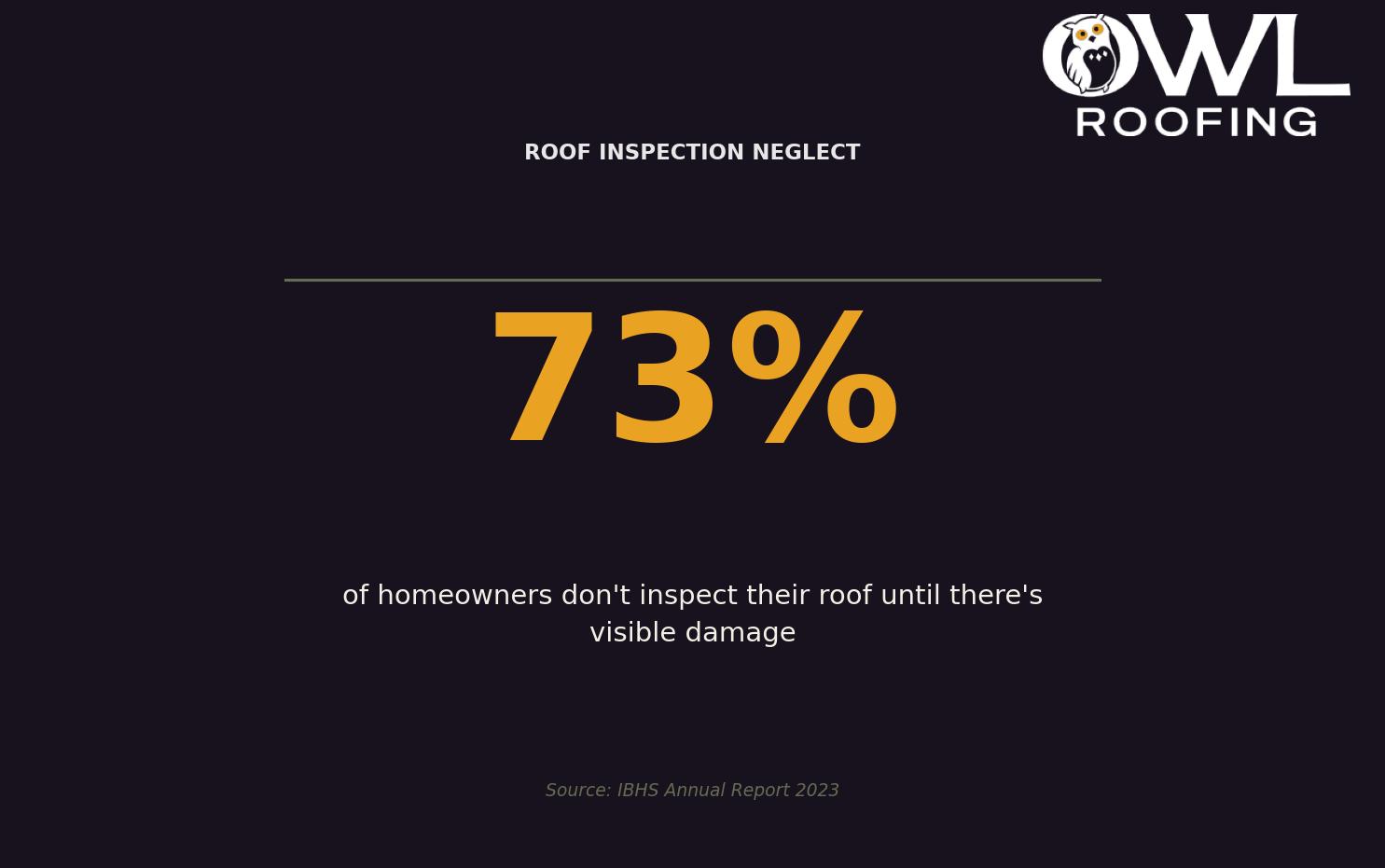
Here’s a stat that should make you uncomfortable: the IBHS reports that 73% of homeowners don’t inspect their roofs until visible damage occurs. By then, you’re not preventing a problem—you’re paying to fix one. The whole point of understanding ice dams is to catch them early or stop them from forming in the first place.
Understanding Ice Dams: What’s Actually Happening Up There
The Science Behind the Problem
Ice dams aren’t random. They follow a predictable pattern, which means once you understand the mechanics, you can fight back.
Here’s how it works: Heat from inside your home rises into the attic. If your attic isn’t properly insulated or ventilated, that heat warms the roof deck—the layer of wood right under your shingles. The snow sitting on top of that warmed roof starts to melt, even when it’s well below freezing outside.
That melted snow runs down your roof as water. But when it reaches the eaves—the edges of your roof that extend past your exterior walls—there’s no heat from below. The eaves stay cold because they’re not sitting over a heated living space. So the water refreezes right there at the edge.
Do this over and over for a few days or weeks, and you’ve got a ridge of ice building up along your roofline. That’s your ice dam. And now, every time more snow melts, the water has nowhere to go. It pools behind the dam, works its way under your shingles, and finds its way into your home.
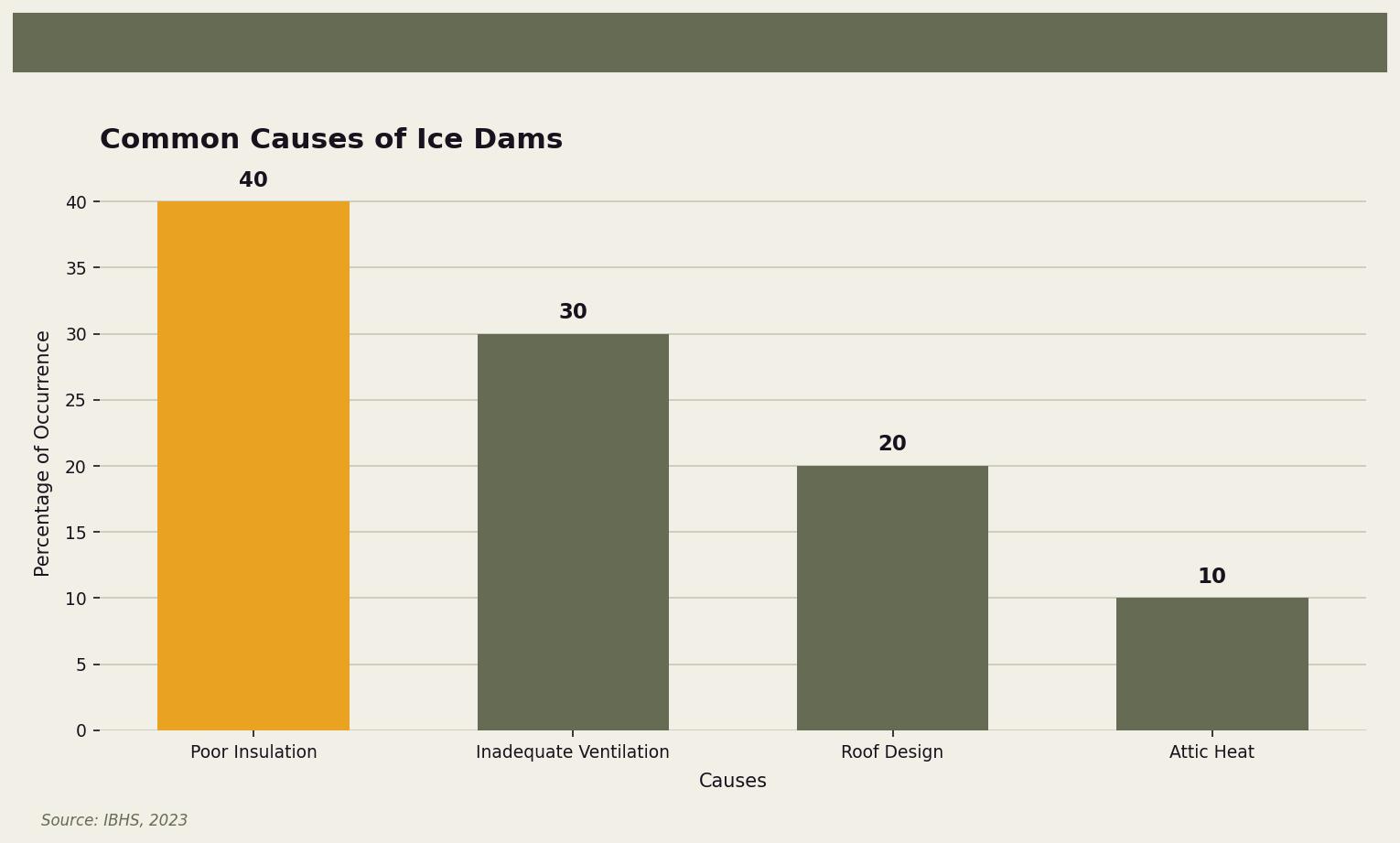
The primary culprits? Poor attic insulation and inadequate ventilation. When heat escapes into your attic instead of staying in your living space, you’re essentially paying to warm your roof and create the perfect conditions for ice dams. It’s the kind of problem that costs you money twice—once on your heating bill, and again when you’re repairing water damage.
The Real Damage Ice Dams Cause
Roof leaks are just the beginning. When water gets into places it shouldn’t be, the consequences stack up fast:
- Structural damage: Water-soaked wood loses its strength. Over time, rafters and roof decking can warp, rot, or even fail.
- Insulation problems: Wet insulation doesn’t insulate. It compresses, loses R-value, and becomes a breeding ground for mold. So now your home is less efficient and less healthy.
- Mold and mildew: Moisture trapped in your attic or walls creates ideal conditions for mold growth. This isn’t just a cosmetic issue—it’s a health hazard, especially for family members with allergies or respiratory conditions.
- Damaged gutters and fascia: The sheer weight of ice dams can pull gutters away from your home, damage fascia boards, and create entry points for pests and more water.
- Interior damage: Water stains on ceilings, peeling paint, warped floors, damaged belongings—once water gets inside, it causes problems everywhere it goes.
The frustrating part? Much of this damage happens out of sight. By the time you notice something’s wrong—a brown spot on the ceiling, a musty smell in the attic—the problem has been building for weeks or months.
Prevention: Your Best Defense Against Ice Dams
The most effective ice dam strategy isn’t removal—it’s prevention. If you can stop ice dams from forming in the first place, you never have to deal with the damage, the stress, or the repair bills.
Start in the Attic
Your attic is ground zero for ice dam prevention. The goal is simple: keep the heat in your living space and out of your attic. Here’s how:
- Insulation: The NRCA recommends ensuring your attic floor is well-insulated to prevent warm air from reaching the roof. In Minnesota, that typically means R-49 to R-60 insulation—enough to keep your heated air where it belongs. Check for gaps around pipes, ducts, and electrical fixtures where heat can escape.
- Air sealing: Insulation alone isn’t enough if warm air is leaking through cracks and gaps. Common culprits include attic hatches, recessed lights, plumbing vents, and chimney chases. Sealing these air leaks makes your insulation work better and reduces heat transfer to the roof.
- Ventilation: A properly ventilated attic stays cold in winter. Intake vents at the soffits let cold air in, while exhaust vents at the ridge let it out. This circulation keeps your roof deck cold, so snow doesn’t melt. Make sure your vents aren’t blocked by insulation, debris, or bird nests.
Other Prevention Strategies
Beyond attic work, there are additional steps you can take:
- Roof heating cables: These are especially effective in the Shoreview area where heavy snows are frequent. Heat cables (also called heat tape) run along the eaves and in gutters to create channels for water to drain. They won’t prevent ice entirely, but they can keep drainage paths open.
- Ice and water shield: This is a self-adhering membrane installed under your shingles at the eaves. It won’t stop ice dams from forming, but it acts as a backup barrier if water gets past your shingles. For new roofs or re-roofs, it’s a smart investment in ice dam country.
- Snow removal: Removing snow from your roof after heavy storms prevents the melt-freeze cycle that creates ice dams. You can use a roof rake from the ground to clear the first few feet of roof above the eaves. Just be careful not to damage shingles.
- Regular roof inspections: Catching small problems before they become big ones is the whole point. Damaged flashing, missing shingles, or clogged gutters can all make ice dam damage worse.
Safe Ice Dam Removal: What Works and What Doesn’t

Prevention is ideal, but sometimes you’re standing in your yard, staring at a ridge of ice along your roofline, and you need to deal with the problem right now. Here’s what you need to know about removing ice dams safely.
Methods That Work
- Professional steam removal: This is the gold standard for ice dam removal. Professional steamers use low-pressure steam to melt ice without damaging your shingles, flashing, or gutters. The steam is hot enough to cut through ice quickly but gentle enough to leave your roofing materials intact. It’s not a DIY job—the equipment is specialized and working on icy roofs is dangerous—but it’s the safest and most effective method available.
- Calcium chloride ice melt: As a temporary measure, you can fill a tube sock or pantyhose with calcium chloride and lay it across the ice dam, perpendicular to the gutter. It’ll melt a channel through the ice, allowing water to drain. This is a stopgap, not a solution, but it can prevent immediate damage while you arrange for professional help.
Methods to Avoid
- Sharp tools: Chipping at ice dams with a hatchet, ice pick, or shovel is a recipe for disaster. You’ll damage shingles, puncture membranes, and potentially create new entry points for water. The “fix” becomes worse than the problem.
- Rock salt: Unlike calcium chloride, rock salt (sodium chloride) can damage your shingles, corrode metal flashing and gutters, and harm landscaping when it drains off the roof.
- Pressure washers: The force of a pressure washer can drive water under your shingles and blast away the granules that protect your roof from UV damage. Plus, using water in freezing temperatures creates new ice—and new problems.
- Open flames: We wish we didn’t have to say this, but: never use a torch, heat gun, or any open flame to melt ice on your roof. It’s a fire hazard, and it can melt and damage your shingles.
Why Professional Removal Matters
Hiring a professional isn’t about having someone else do the work—it’s about getting the job done without creating new damage. Professional crews have the right equipment, the experience to work safely on icy roofs, and the knowledge to spot underlying problems while they’re up there. A good crew won’t just remove the ice dam; they’ll let you know if they see ventilation issues, damaged flashing, or other concerns you should address.
A Minnesota Perspective
Minneapolis isn’t just cold—it’s the perfect ice dam laboratory. Our average winter temperatures hover right around freezing, which creates ideal conditions for the melt-freeze-melt cycle that ice dams love. We get significant snowfall, followed by occasional warm-ups, followed by another cold snap. Your roof goes through this cycle over and over, all season long.
Local reports indicate that many Twin Cities homeowners deal with ice dam-related issues every single winter. Some neighborhoods—particularly those with older homes, mature tree cover, or north-facing roofs—see more problems than others. But no area is immune.
Understanding these local dynamics helps you prepare. If your home is in a heavily shaded area, you might need more aggressive ventilation. If you have a complex roof with multiple valleys, you might benefit from heat cables in strategic locations. If your home was built before modern insulation standards, an attic upgrade might be your best investment.
The point is: generic ice dam advice only goes so far. What works in Denver or Detroit might not be enough for a Minnesota winter. Local experience matters.
What to Do Next
Don’t wait until you’ve got icicles hanging off your gutters and water dripping through your ceiling. Being proactive is your best defense against ice dams—and it’s easier than you might think.
- Schedule a roof inspection before winter: A professional can identify ventilation problems, insulation gaps, and existing damage before the snow flies.
- Address attic issues: Improve insulation and air sealing based on professional recommendations. It’s an investment that pays off in lower energy bills and reduced ice dam risk.
- Have a plan for heavy snowfall: Know who you’ll call if ice dams form, and keep a roof rake handy for light snow removal.
- Act fast if ice dams develop: The longer they sit, the more damage they cause. Prioritize safe removal methods and address the underlying causes as soon as weather permits.
Ice dams may be a common winter reality in Minneapolis, but they don’t have to mean damage to your home. With the right preparation and the right help, you can get through even the harshest Minnesota winter with your roof intact.
Need Help? Let’s Talk
If you’re dealing with ice dams—or you want to make sure you don’t end up dealing with them—we’re here to help. At Owl Roofing, we’ve seen every type of roof damage a Minnesota winter can dish out. We’re not a franchise and we’re not storm chasers passing through town. We’re your neighbors. We live and work right here in Shoreview, and we serve homeowners across the Twin Cities.
Whether you need a roof inspection to assess your ice dam risk, advice on improving attic ventilation, or just want to talk through your options with someone who knows local roofs inside and out, give us a call. We’ll look at your situation, tell you exactly what we see, and help you figure out the best path forward—no pressure, no runaround.
Call us at 651-977-6027 or visit owlroofing.com/ to get started. Protect Your Nest.
📍 Owl Roofing Serves the Entire Twin Cities Metro
Andover · Anoka · Apple Valley · Arden Hills · Big Lake · Blaine · Bloomington · Brooklyn Center · Brooklyn Park · Burnsville · Champlin · Chanhassen · Chaska · Columbia Heights · Coon Rapids · Cottage Grove · Crystal · deephaven · Delano · Eagan · East Bethel · Eden Prairie · Excelsior · Farmington · Forest Lake · Fridley · Golden Valley · Ham Lake · Hastings · Hopkins · Hugo · Inver Grove Heights · Lake Elmo · Lakeville · Lino Lakes · Mahtomedi · Maplewood · Mendota Heights · Minneapolis · Minnetrista · Mound · Mounds View · New Brighton · New Hope · North Oaks · North St. Paul · Oak Grove · Oakdale · Plymouth · Prior Lake · Ramsey · Richfield · Robbinsdale · Rosemount · Roseville · Saint Paul · Savage · Shakopee · Shoreview · South St. Paul · St. Louis Park · St. Michael · St. Paul · Stillwater · Vadnais Heights · Victoria · Waconia · wayzata · West St. Paul · White Bear Lake · woodbury
Licensed Minnesota roofing contractor · Free inspections · 10-year workmanship warranty · Get a free estimate →
