



Roof Maintenance Minneapolis Checklist to Extend Your Roof Life
 15min Read
 Posted 2.14.2026
Roof Maintenance Minneapolis Checklist to Extend Your Roof Life
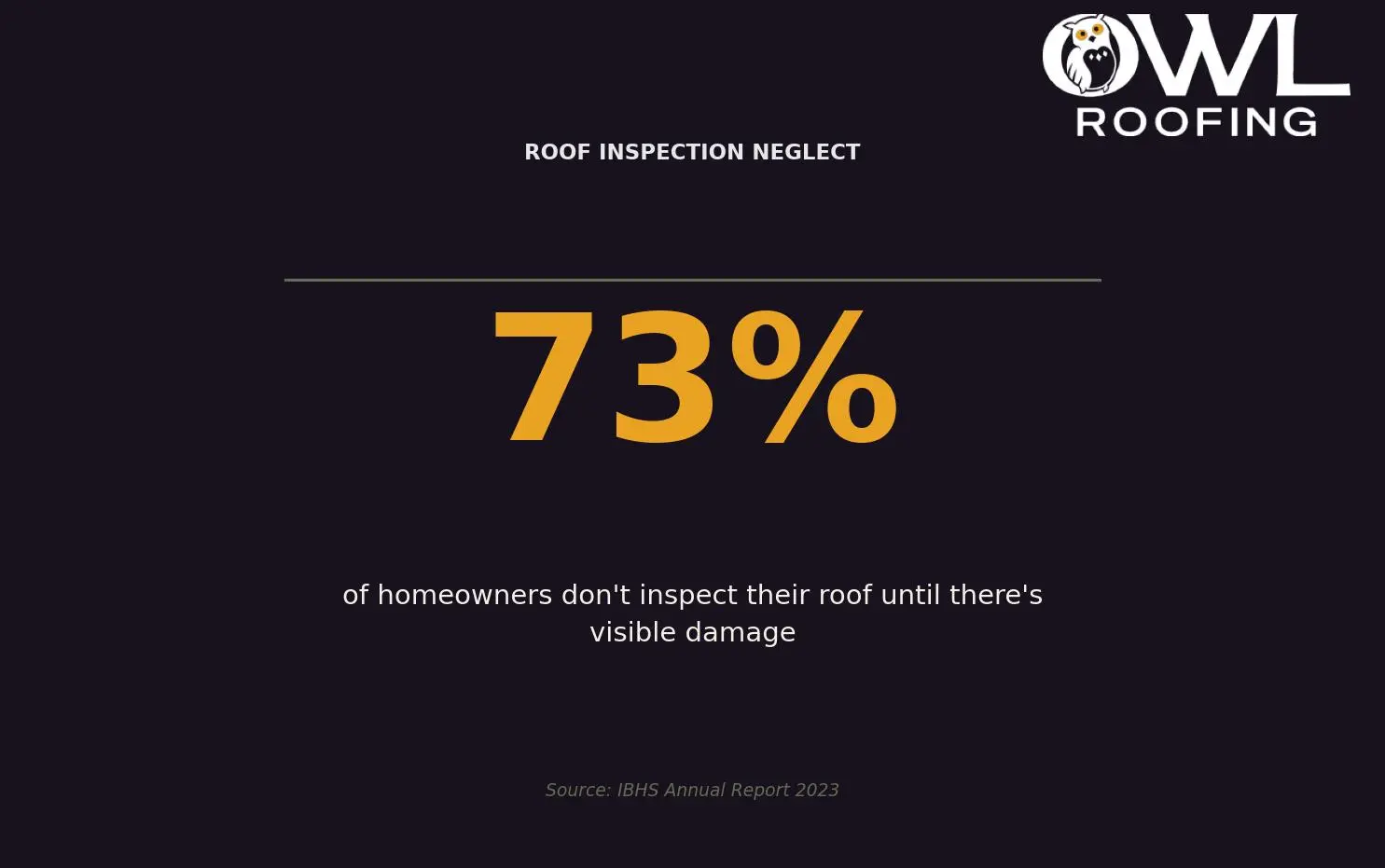
Here’s a number that should make every Twin Cities homeowner uncomfortable: 73% of us don’t inspect our roofs until we see water stains on the ceiling. By then? You’re not doing maintenance—you’re doing damage control. And damage control in Minneapolis, where our roofs take a beating from November through April, gets expensive fast.
The frustrating part? Most roof problems start small. A lifted shingle here. A clogged gutter there. A tiny gap in the flashing around your chimney. These are $200 fixes—until you ignore them through a Minnesota winter. Then you’re looking at ice dams, water infiltration, rotted decking, and a repair bill that makes your stomach drop. We’ve seen homeowners pay ten times more than they would have if they’d just gotten up on a ladder in October.
But here’s the good news: roof maintenance Minneapolis homeowners can actually do (or have done) isn’t complicated. It doesn’t require special tools or a engineering degree. It just requires a system—a checklist that accounts for our specific climate challenges—and the commitment to follow it. That’s exactly what we’re giving you today.
Why Roof Maintenance Actually Matters (The Real Numbers)
Let’s talk dollars and sense, because “take care of your roof” is vague advice. What does maintenance actually get you?
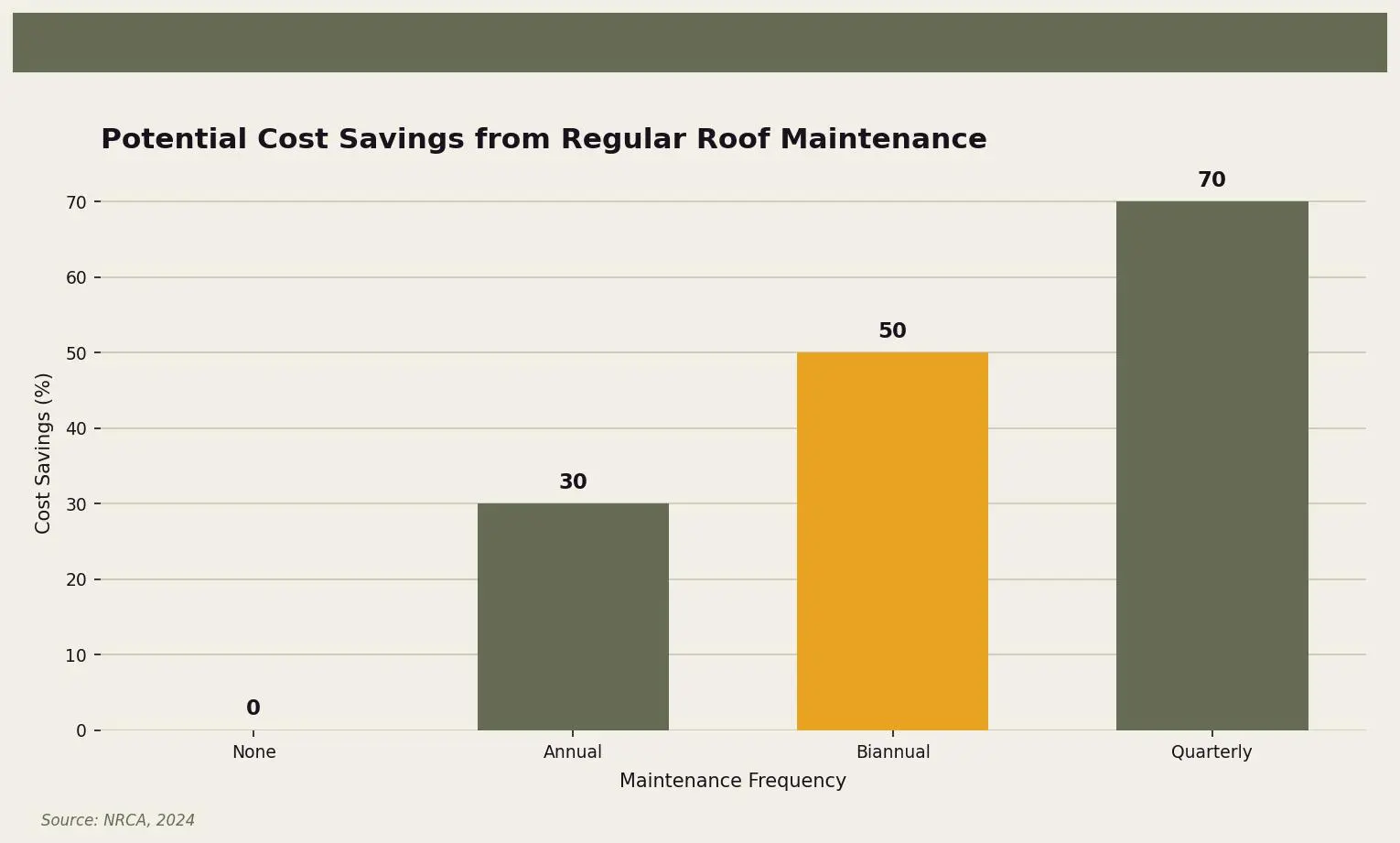
According to the National Roofing Contractors Association (NRCA), regular maintenance can extend a roof’s lifespan by up to 50%. Think about that. If your asphalt shingle roof is rated for 20 years, proper care could push it to 30. That’s an entire decade of not writing a check for $5,000 to $10,000 (the typical replacement cost cited by the National Association of Realtors).
And it’s not just about delaying the inevitable replacement. The Insurance Institute for Business & Home Safety (IBHS) reports that well-maintained roofs suffer significantly less damage during severe weather events. In Minnesota, where we get everything—blizzards, ice storms, summer hail, high winds—that matters. A lot.
Here’s what most people don’t realize: your roof isn’t just shingles. It’s a system. Shingles, underlayment, decking, flashing, ventilation, gutters—they all work together. When one component fails, it stresses the others. A clogged gutter leads to ice dams. Ice dams lead to water backing up under shingles. Water under shingles leads to rotted decking. Rotted decking leads to… well, you get it. Small problems cascade into big ones, especially when you add Minnesota’s freeze-thaw cycles to the mix.
The point isn’t to scare you. It’s to make the case that an hour of inspection and maintenance twice a year is one of the highest-return investments you can make as a homeowner.
The Minneapolis Climate Factor: Why Generic Advice Won’t Cut It
If you’ve ever Googled “roof maintenance tips,” you’ve probably found advice written for homeowners in, say, Arizona. That’s not going to help you much when it’s February and your roof is buried under two feet of snow with ice dams forming along the eaves.
The Twin Cities’ climate creates specific challenges that your maintenance routine needs to address:
- Freeze-thaw cycles: Water gets into tiny cracks. It freezes. It expands. The crack gets bigger. Repeat this 50 times between November and March, and that hairline crack in your flashing is now a gap you can see from the ground.
- Ice dams: When heat escapes from your attic, it melts snow on the roof. That water runs down to the cold eaves, refreezes, and forms a dam. More water backs up behind it, gets under your shingles, and into your home. This is a Minneapolis specialty.
- Heavy snow loads: Minnesota roofs are built to handle snow, but excessive accumulation—especially wet, heavy spring snow—stresses the structure. And uneven melting can create water pooling problems.
- Summer storms: We don’t just have winter. Our summer brings hail, high winds, and the occasional severe thunderstorm that can rip shingles loose or send branches through your roof.
- Aging housing stock: According to the U.S. Census Bureau, nearly 80% of Minnesota homes are over 20 years old. Many of these roofs are approaching or past their expected lifespan, making maintenance even more critical.
Generic maintenance advice might tell you to “check your roof annually.” Minneapolis-specific advice says: check it in spring after the snow melts to assess winter damage, and again in fall before the snow arrives to make sure you’re going into winter with everything sealed tight.
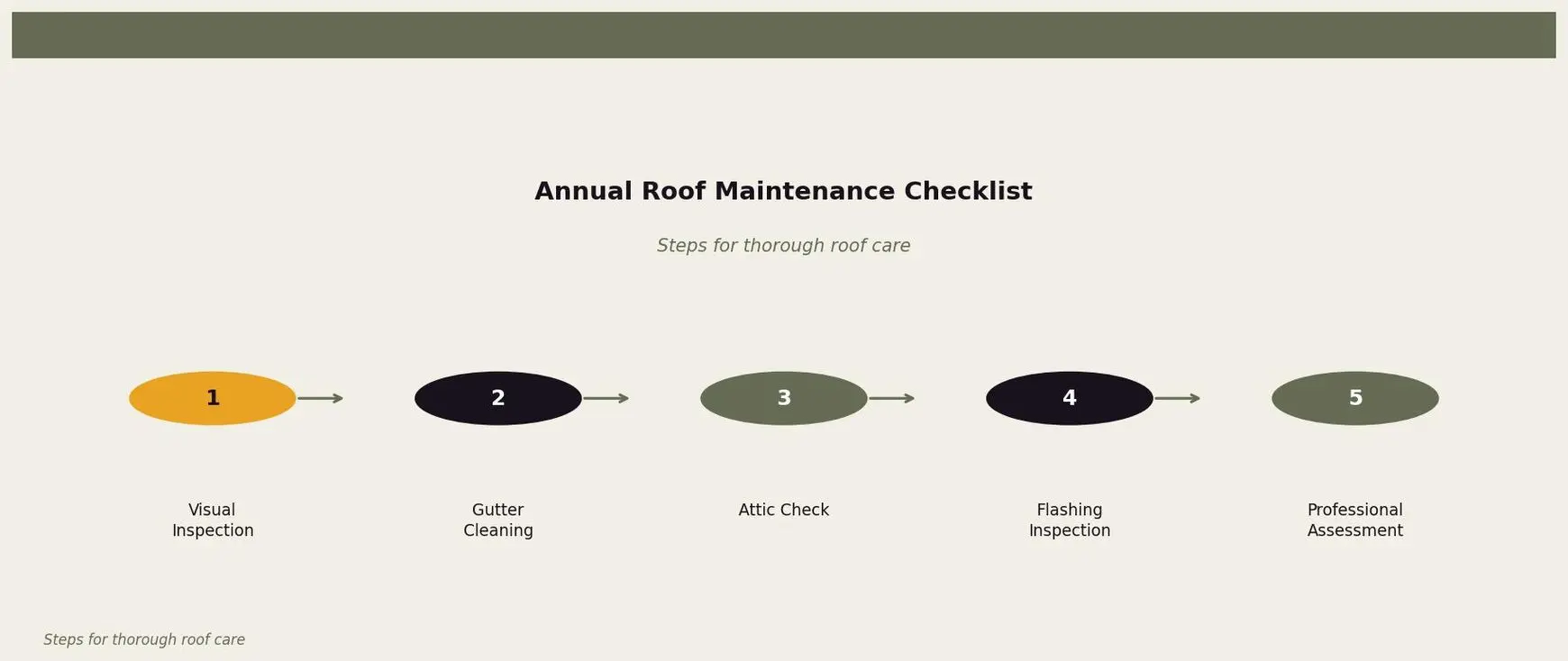
Your Complete Roof Maintenance Minneapolis Checklist
Alright, let’s get practical. Here’s the systematic approach that actually works for Twin Cities roofs. We’ve broken it down by what you can do yourself and what’s worth calling in a professional for.
Spring Inspection (Post-Winter Damage Assessment)
This is your most important inspection of the year. Winter just spent four months trying to destroy your roof. Now you find out if it succeeded.
From the ground (binoculars help):
- Look for missing, cracked, or curling shingles—winter ice can lift and break them
- Check for shingles that look darker or shinier than others (possible water damage beneath)
- Scan the roofline for sagging, which could indicate structural issues from snow load
- Examine flashing around chimneys, vents, and skylights for gaps or rust
- Look for debris accumulation in valleys where two roof planes meet
Gutters and downspouts:
- Clean out all debris—leaves, shingle granules, branches, that tennis ball from the neighbors
- Check for ice dam damage: bent, pulled-away, or crushed sections
- Make sure downspouts are directing water at least 4-6 feet away from your foundation
- Look inside gutters for excessive shingle granules (a sign your shingles are deteriorating)
Attic inspection (grab a flashlight):
- Look for water stains, dark spots, or mold on the underside of the roof decking
- Check insulation for wet spots or compression
- Look for daylight coming through (it shouldn’t)
- Note any musty smells—often the first sign of hidden moisture problems
Fall Inspection (Winter Prep)
You’re about to seal your roof up for another Minnesota winter. This is your last chance to fix anything before snow makes it impossible.
Exterior checklist:
- Clear all debris from the roof surface—leaves trap moisture and encourage rot
- Trim tree branches that overhang the roof (falling limbs plus ice storms equal disaster)
- Check all penetrations (vents, pipes, chimney) for secure flashing
- Inspect caulking and sealants—they crack and shrink over time
- Look for moss or algae growth, which can hold moisture against shingles
Gutters and drainage:
- Complete thorough cleaning after leaves have fallen
- Verify gutters are securely attached and pitched correctly toward downspouts
- Consider gutter guards if you’re tired of cleaning them four times a year
- Check that splash blocks or extensions are in place at downspout exits
Attic and ventilation:
- Verify soffit vents aren’t blocked by insulation
- Check that bathroom and kitchen exhaust fans vent outside (not into the attic)
- Ensure ridge vents or roof vents are clear of debris
- Assess insulation levels—proper insulation prevents ice dams by keeping heat inside your home, not in your attic
Year-Round Maintenance Tasks
Some things aren’t seasonal—they’re just part of responsible roof ownership:
- After any major storm: Do a quick visual check from the ground. Look for obvious damage like missing shingles or fallen branches.
- Gutter cleaning: Twice a year minimum, more if you have lots of trees. A clogged gutter in winter is an ice dam waiting to happen.
- Address repairs immediately: That loose flashing or cracked shingle won’t get better on its own. Every day you wait is another day water can get in.
- Document everything: Take photos during inspections. Keep receipts for repairs. This documentation is gold if you ever file an insurance claim.
DIY vs. Professional Inspections: When to Call in Help
Let’s be honest about what you can and can’t do yourself.
DIY-appropriate tasks:
- Ground-level visual inspections
- Gutter cleaning (if you’re comfortable on a ladder)
- Attic inspections
- Minor debris removal from roof surface
- Documenting damage for insurance purposes
Leave these to professionals:
- Walking on the roof (especially steep pitches or multi-story homes)
- Flashing repairs and replacement
- Shingle replacement
- Structural assessments
- Anything involving your chimney
- Ice dam removal (improperly done, you’ll cause more damage than the ice)
According to the NRCA, professional inspections catch subtle issues that homeowners typically miss. Professionals know what early-stage problems look like. They have the equipment to safely access your entire roof. And they can tell you honestly whether you need repairs now, can wait until spring, or are fine for another year.
The investment in an annual professional inspection—usually a couple hundred dollars—pays for itself many times over when it catches a problem early. Think of it as a physical for your roof.
Your Roof Maintenance Action Plan
Let’s make this simple. Here’s exactly what to do:
This week: Do a ground-level visual inspection of your roof. Just walk around your house and look up. Note anything that seems off.
This month: Clean your gutters if you haven’t since fall. Check your attic for signs of moisture or leaks.
This year: Schedule a professional inspection. Get it on the calendar now so you don’t forget.
Ongoing: Create a simple maintenance log. Date, what you checked, what you found. Takes five minutes and saves you hours of trying to remember when you last looked at the flashing around your chimney.
The homeowners who avoid expensive roof emergencies aren’t lucky. They’re systematic. They follow a checklist. They catch small problems before those problems have a chance to become disasters. And in Minneapolis, where every winter tests your roof’s limits, that system is the difference between a roof that lasts 15 years and one that protects your family for 30.
What Minneapolis Homeowners Actually Paid in 2026
Price guides are planning numbers. Here’s what real Minneapolis jobs came in at. In 2026 we signed nine roof-only replacements in Minneapolis, meaning roof work with no siding or gutters in the contract. The median signed price was $18,643, and the middle half landed between about $16,600 and $20,600.
Each dot is one Minneapolis roof-only replacement at its signed contract price, 2026. Insurance jobs are left out.
Your number depends on roof size, pitch, how much decking needs replacing, and which shingle you pick.
Minneapolis’s Storm Record: 26 Damaging Storm Days Since 2011
Any roofer can claim local experience. Here’s what Minneapolis weather has actually thrown at roofs. HailTrace, the storm-mapping service roofers and insurance adjusters rely on, has recorded 26 days since 2011 when hail of 0.75 inch or larger, or winds of 60 mph or more, crossed central Minneapolis. 22 of those were hail days.
Each bar is one year at central Minneapolis (ZIP 55418). Source: HailTrace event history, pulled November 2026.
The biggest hail: 2.5 inches on August 11, 2023
The largest hail HailTrace has recorded over central Minneapolis since 2011 was 2.5 inches on August 11, 2023. The next largest was 2 inches on May 10, 2011. Wind matters too: seven of these storm days brought gusts of 60 mph or more, topping out at 80 mph on August 26, 2024.
Storm days at central Minneapolis since 2024:
- April 17, 2026: 1-inch hail
- August 8, 2025: 1-inch hail
- July 28, 2025: 73 mph winds
- July 27, 2025: 1.5-inch hail and 71 mph winds
- June 28, 2025: 73 mph winds
- August 26, 2024: 80 mph winds
- July 13, 2024: 0.75-inch hail and 65 mph winds
- July 10, 2024: 0.75-inch hail
If your home was standing for any of these storms and nobody has looked at the roof, book a free inspection. We’ll document what we find with photos either way.
When Minneapolis Homeowners Call
Minneapolis requests to Owl peaked in August 2026 with 63. August and September together brought 110 of our 256 Minneapolis requests, 43% of the year in two months.
Minneapolis inspection and quote requests to Owl Roofing by month, March to October 2026.
After a big storm, every roofer’s schedule fills up at once. If your roof is aging or you suspect storm damage, getting an inspection on the calendar early means a calmer decision and better install dates.
Ready for a Professional Eye on Your Roof?
If you've read this far, you understand why roof maintenance Minneapolis homeowners can rely on starts with paying attention. And if it's been a while since someone who actually knows roofing has looked at yours, we'd be happy to help. At Owl Roofing, we've seen every type of roof issue the Twin Cities climate can create—from sneaky ice dam damage to storm damage that homeowners didn't even know was there. We're your neighbors here in Shoreview, serving the entire Twin Cities metro, and we'll tell you straight: what your roof needs, what can wait, and what's just fine. No pressure, no upsell—just honest answers. Give us a call at 651-977-6027 or visit owlroofing.com/ to schedule your inspection. Protect Your Nest.
📍 Owl Roofing Serves the Entire Twin Cities Metro
Andover · Anoka · Apple Valley · Arden Hills · Big Lake · Blaine · Bloomington · Brooklyn Center · Brooklyn Park · Burnsville · Champlin · Chanhassen · Chaska · Columbia Heights · Coon Rapids · Cottage Grove · Crystal · deephaven · Delano · Eagan · East Bethel · Eden Prairie · Excelsior · Farmington · Forest Lake · Fridley · Golden Valley · Ham Lake · Hastings · Hopkins · Hugo · Inver Grove Heights · Lake Elmo · Lakeville · Lino Lakes · Mahtomedi · Maplewood · Mendota Heights · Minneapolis · Minnetrista · Mound · Mounds View · New Brighton · New Hope · North Oaks · North St. Paul · Oak Grove · Oakdale · Plymouth · Prior Lake · Ramsey · Richfield · Robbinsdale · Rosemount · Roseville · Saint Paul · Savage · Shakopee · Shoreview · South St. Paul · St. Louis Park · St. Michael · St. Paul · Stillwater · Vadnais Heights · Victoria · Waconia · wayzata · West St. Paul · White Bear Lake · woodbury
Licensed Minnesota roofing contractor · Free inspections · 10-year workmanship warranty · Get a free estimate →
Where These Numbers Come From
- Owl Roofing job records: Minneapolis, MN projects in our CRM for the 2026 season. Prices are signed contract values for roof-only replacements, excluding insurance jobs. We don’t share addresses or customer details.
- HailTrace: storm event history for central Minneapolis (ZIP 55418), 2011 to 2026, counting hail of 0.75 inch or larger and winds of 60 mph or more. Pulled November 2026.
- Photos: Owl Roofing project photos from Minneapolis-area jobs.

Recent Articles
Explore The Blog