


Roof Repair vs Replacement How to Decide
 12min Read
 Posted 10.25.2025
Roof Repair vs Replacement: How to Decide
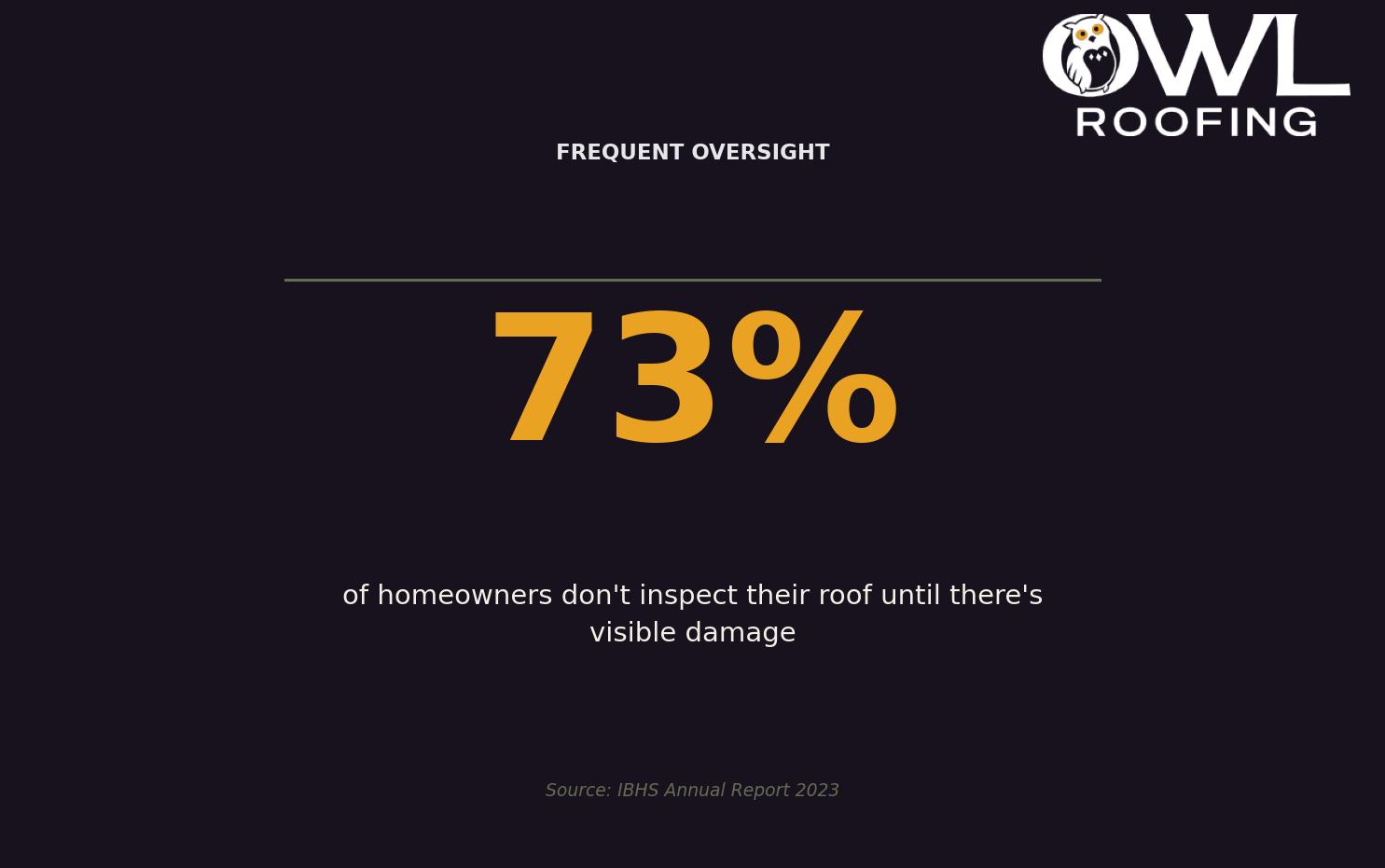
That water stain on your ceiling? It’s not going away on its own. And now you’re staring at your roof wondering: do I patch this thing or tear it all off and start fresh? If you’re a Twin Cities homeowner, you’re not alone—73% of homeowners don’t inspect their roof until there’s visible damage, according to the Insurance Institute for Business & Home Safety. By then, a simple fix can snowball into a five-figure problem.
Here’s the thing: the roof repair vs replacement question doesn’t have a one-size-fits-all answer. It depends on your roof’s age, the extent of the damage, your budget, and yes—Minnesota’s brutal weather patterns. So let’s break this down, no fluff, no corporate jargon. Just the information you need to make a smart call.
Why Getting This Right Actually Matters
We get it. Nobody wakes up excited to think about roofing. But here’s why you should care: a compromised roof doesn’t just look bad. It actively damages your home.
Water finds its way in. Then comes the mold. Then the insulation gets soaked and stops doing its job. Your heating bill creeps up. And suddenly that “minor leak” has turned into rotted decking, ruined insulation, and a conversation with your insurance company that nobody wants to have.
According to the IBHS, water damage from a leaky roof is one of the top insurance claims for homeowners. That’s not a scare tactic—that’s just reality. And in Minnesota, where we get an average of 54 inches of snow annually (per U.S. Census data), your roof takes a beating that homeowners in milder climates simply don’t understand.
The freeze-thaw cycle alone can turn a hairline crack into a gaping problem. Ice dams form. Snow piles up. Then it melts, refreezes, and pushes water under your shingles. If your roof isn’t up to the task, you’ll know soon enough.
So yes—getting this decision right matters. A lot.
Understanding Your Roof’s Actual Condition
Before you can decide between repair and replacement, you need an honest assessment of what you’re working with. Not what you hope is true. What’s actually happening up there.
Signs That Repair Might Be Enough
Roof repairs make sense when the damage is localized and your roof still has good years left. Here’s when patching things up is the smart move:
- Your roof is under 15 years old. The National Roofing Contractors Association (NRCA) suggests that if your roof is less than 10 years old and damage is isolated, repairs are typically sufficient. We’d stretch that to 15 years for well-maintained roofs.
- Damage is confined to one area. A few missing shingles from last month’s windstorm? A small leak above the bathroom? These are repair situations, not replacement emergencies.
- The underlying structure is solid. If your decking, flashing, and underlayment are in good shape, surface repairs can extend your roof’s life significantly.
- You’re not seeing widespread granule loss. Those little granules on asphalt shingles protect against UV damage. If they’re mostly intact, your shingles are still functional.
Repairs buy you time. Good repairs, done right, can add years to a roof that’s still fundamentally sound.
Red Flags That Point to Replacement
Sometimes, repair is just putting a band-aid on a broken leg. Here’s when replacement becomes the real answer:
- Your roof is 20+ years old. Most asphalt shingle roofs have a 20-25 year lifespan in Minnesota’s climate. If yours is pushing those numbers, replacement isn’t a question of if—it’s when.
- You’re seeing sagging or structural issues. A sagging roofline means the decking or supports are compromised. That’s not a repair job.
- Widespread shingle deterioration. Curling, cracking, or buckling across large sections of your roof signals materials that have simply worn out.
- Multiple leaks or water damage. One leak is a repair. Three leaks in different areas? Your roof is telling you something.
- You’ve already done multiple repairs. If you’ve been patching the same roof every couple of years, you’re throwing money at a problem that won’t go away.
- Daylight visible through the attic. If you can see light coming through your roof boards, water can get through too.
Here’s a number worth knowing: according to the National Association of Realtors (NAR), a new roof can recover over 107% of its cost through increased home value. If you’re thinking about selling in the next few years, that math matters.
Roof Repair Cost vs Replacement: Real Numbers
Let’s talk dollars. Because ultimately, this decision comes down to what makes financial sense for your situation.
What Roof Repairs Actually Cost
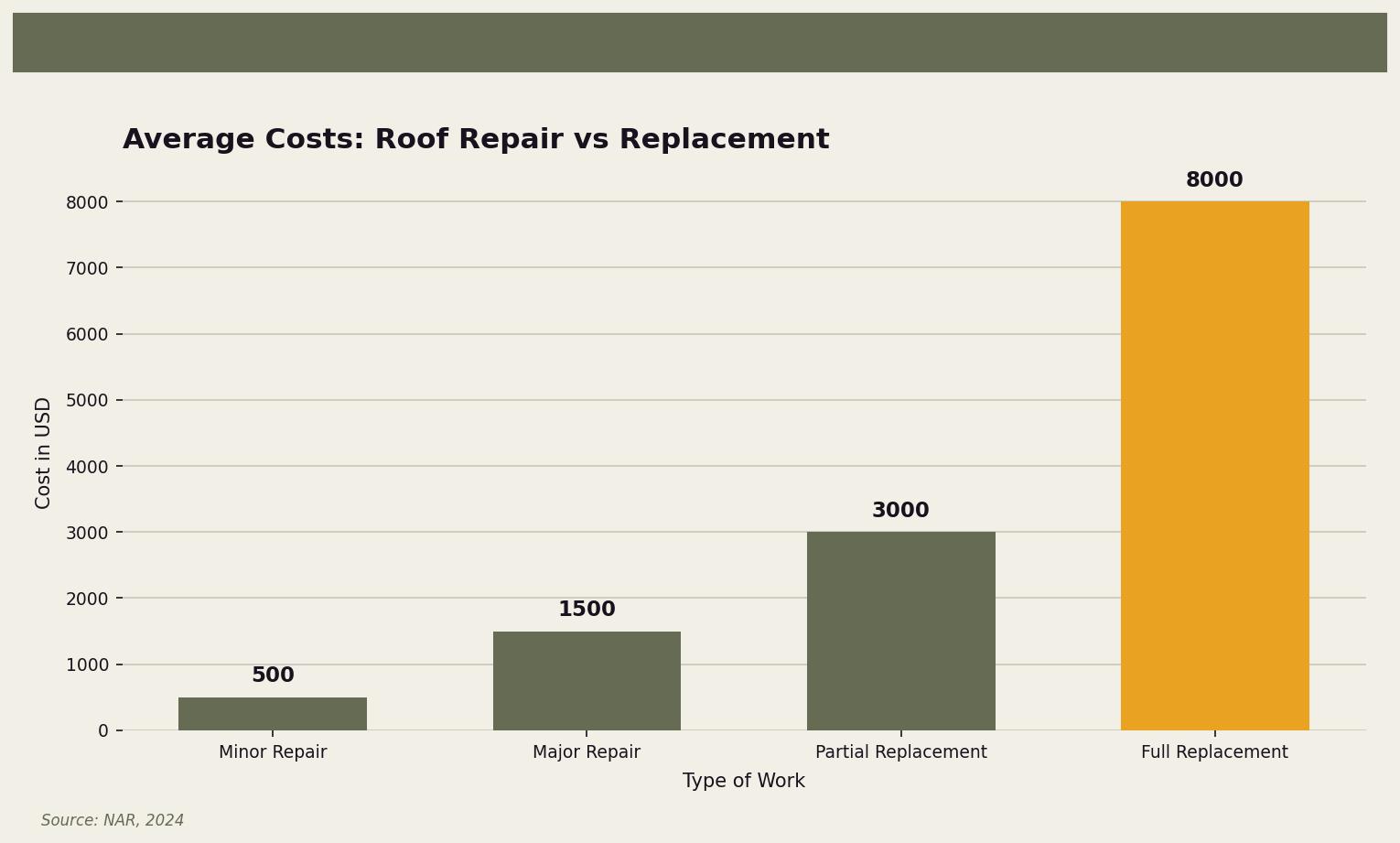
In the Twin Cities, most roof repairs fall between $300 and $1,500. Here’s how that typically breaks down:
- Minor repairs ($300-$600): Replacing a handful of shingles, sealing small gaps, fixing minor flashing issues.
- Moderate repairs ($600-$1,000): Addressing a leak, replacing damaged flashing around chimneys or vents, fixing small sections of damaged decking.
- Major repairs ($1,000-$1,500+): Larger leak repairs, replacing significant shingle sections, addressing ice dam damage.
The catch? Repairs don’t always address underlying issues. That $800 repair might hold for six months—or it might hold for six years. It depends entirely on what’s really going on with your roof.
What Roof Replacement Actually Costs
A full roof replacement in Minnesota typically runs between $5,000 and $10,000 for an average-sized home. That number can go higher depending on:
- Roof size and pitch: Steeper roofs require more safety equipment and labor time.
- Material choice: Architectural shingles cost more than three-tab, and premium materials like metal or slate are another level entirely.
- Deck condition: If your decking needs replacement, that adds to the total.
- Number of layers: Tearing off multiple old layers before installing new materials increases labor costs.
- Complexity: Multiple dormers, skylights, chimneys, and valleys all add to the job’s difficulty.
Yes, replacement costs more upfront. But modern roofing materials offer better insulation, which means lower heating and cooling bills—and that’s not a small thing when January hits and it’s -10°F outside. Over 20-25 years, the energy savings add up.
The Minnesota Climate Factor (It’s a Big Deal)
We need to talk about weather. Because roofing decisions in Minnesota aren’t the same as roofing decisions in Texas or California.
Our freeze-thaw cycle is relentless. Water gets into small cracks during the day when temperatures rise, then freezes and expands overnight. This process repeats dozens of times every winter, turning minor issues into major damage.
Ice dams are another Minnesota specialty. When heat escapes from your attic, it melts snow on your roof. That water runs down to the cold eaves, refreezes, and creates a dam that forces water back up under your shingles. A roof with worn shingles or compromised underlayment can’t handle this punishment.
Then there’s the weight. That 54 inches of average annual snowfall doesn’t just fall and disappear—it sits on your roof. Wet, heavy snow can stress roofing materials and the structure beneath them. An aging roof handles this weight differently than a new one.
What does this mean for your repair vs. replacement decision? It means a marginal roof in Minnesota is a liability. In a milder climate, you might squeeze a few more years out of it. Here, the weather will find every weakness and exploit it.
The Smart Homeowner’s Action Plan
Okay, so how do you actually figure out what your roof needs? Here’s a practical approach:
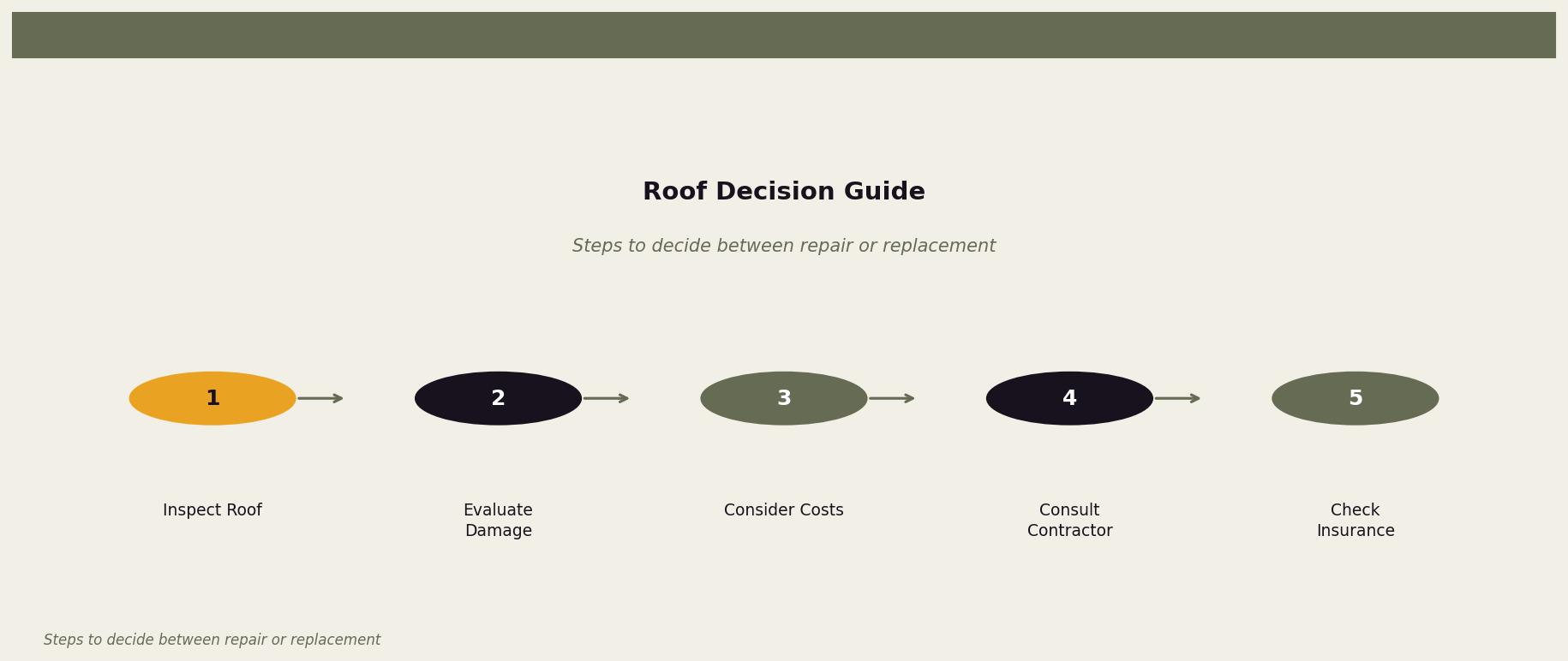
Step 1: Do Your Own Visual Inspection
You don’t need to climb on your roof (please don’t). But you can look at it from the ground with binoculars. You can check your attic with a flashlight. Look for:
- Missing, cracked, or curling shingles
- Dark or discolored patches
- Sagging areas
- Damaged flashing around chimneys and vents
- Granules piling up in your gutters (a sign of shingle wear)
- Water stains, mold, or daylight visible in the attic
Step 2: Know Your Roof’s History
When was your roof installed? What materials were used? Have you had repairs before? This context matters. A 12-year-old architectural shingle roof with no history of problems is in a very different situation than a 22-year-old three-tab roof that’s been patched twice.
Step 3: Get a Professional Assessment
A visual inspection from the ground only tells you so much. A qualified roofer can safely get up there, check for hidden damage, and give you an honest assessment. The key word is “honest”—get opinions from local contractors who aren’t going to push you toward replacement just to make a bigger sale.
Step 4: Weigh the Real Costs
Don’t just compare today’s repair cost to today’s replacement cost. Think about:
- How much longer a repair might last
- The likelihood of needing more repairs soon
- Energy efficiency improvements from new materials
- Your home’s resale timeline
- Peace of mind (yes, that has value)
Step 5: Check Your Insurance
If storm damage is involved, your homeowner’s insurance may cover part of the cost. Understand your policy before making decisions. Some policies cover repair but not replacement, or vice versa. Some have specific provisions for hail or wind damage common in Minnesota.
The Bottom Line: Make a Decision That Actually Protects Your Home
The roof repair vs replacement question ultimately comes down to this: what’s the smartest use of your money to protect your home for the long haul?
If your roof is relatively young and the damage is isolated, repair makes sense. Fix what’s broken, maintain what’s working, and revisit the situation in a few years.
If your roof is aging, showing widespread wear, or you’ve been doing repairs repeatedly, replacement is probably the smarter investment. You’ll stop throwing money at a losing battle, improve your home’s energy efficiency, and add real value to your property.
Either way, don’t wait until water is dripping on your head. Minnesota winters don’t forgive procrastination.
Ready to Figure Out What Your Roof Needs?
If you’re looking at your roof and wondering which direction to go, we’re happy to help. At Owl Roofing, we’ve seen everything Minnesota weather can throw at a roof—ice dams, wind damage, hail, the works. We’re based right here in Shoreview and serve homeowners across the Twin Cities.
We’ll look at your roof, tell you honestly whether repair or replacement makes sense, and explain exactly what we’re seeing. No pressure, no scare tactics, no pushing you toward a bigger job than you need. Just straight answers from neighbors who’ve been doing this for over 15 years combined.
Give us a call at 651-977-6027 or visit owlroofing.com/ to set up an inspection. We’ll help you make a decision that actually makes sense for your home and your budget.
Protect Your Nest.
📍 Owl Roofing Serves the Entire Twin Cities Metro
Andover · Anoka · Apple Valley · Arden Hills · Big Lake · Blaine · Bloomington · Brooklyn Center · Brooklyn Park · Burnsville · Champlin · Chanhassen · Chaska · Columbia Heights · Coon Rapids · Cottage Grove · Crystal · deephaven · Delano · Eagan · East Bethel · Eden Prairie · Excelsior · Farmington · Forest Lake · Fridley · Golden Valley · Ham Lake · Hastings · Hopkins · Hugo · Inver Grove Heights · Lake Elmo · Lakeville · Lino Lakes · Mahtomedi · Maplewood · Mendota Heights · Minneapolis · Minnetrista · Mound · Mounds View · New Brighton · New Hope · North Oaks · North St. Paul · Oak Grove · Oakdale · Plymouth · Prior Lake · Ramsey · Richfield · Robbinsdale · Rosemount · Roseville · Saint Paul · Savage · Shakopee · Shoreview · South St. Paul · St. Louis Park · St. Michael · St. Paul · Stillwater · Vadnais Heights · Victoria · Waconia · wayzata · West St. Paul · White Bear Lake · woodbury
Licensed Minnesota roofing contractor · Free inspections · 10-year workmanship warranty · Get a free estimate →
