



Siding Costs in Minnesota (2026 Guide): Real Prices, Wise Choices siding Costs
 15min Read
 Posted 12.20.2025
🦉 Siding Cost Calculator
Estimate your Minnesota siding replacement cost by home size & material.
Wall area is estimated from your home’s perimeter and height, minus ~12% for windows & doors, plus gable allowance. Includes tear-off of one existing layer, house wrap, and installation. Trim, soffit/fascia, and rot repair are quoted separately. Get exact numbers with a free measure.
Get a Free Siding Estimate →Last fall in Shoreview, a homeowner stepped outside after the first cold snap and noticed something strange.
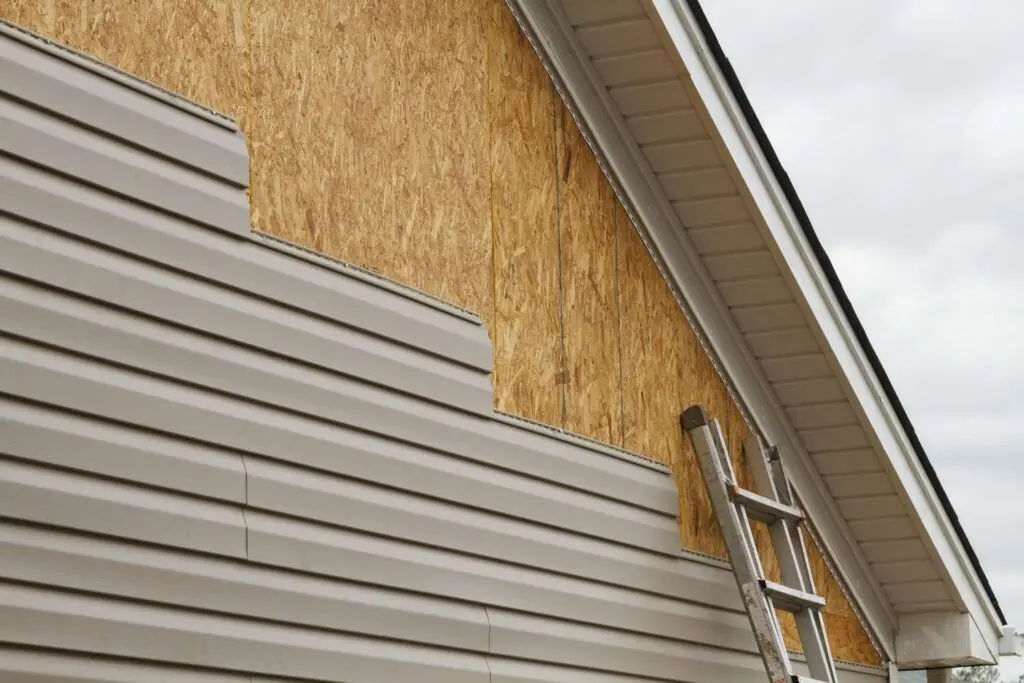
The siding on the north side of her house looked… wavy.
Not “quirky-instagram-filter” wavy — but “is my house trying to peel itself?” wavy.
A couple of panels were bowing.
Some paint was blistering.
A woodpecker had decided the area near her vent was a local lunch spot.
And her heating bill had climbed 26% compared to the previous year.
She did what most Minnesota homeowners do next:
She Googled “siding costs MN” hoping for a clear answer.
Instead she found the same thing you probably found:
Vague national averages.
Massive price ranges.
Little to no local info.
And no way to understand what her house — with her weather exposure — would cost.
She didn’t need fluff. She needed facts.
If that’s you too, take a breath.
This guide is the one that should’ve shown up first.
Let’s make siding prices simple, local, and painfully clear.
NO ONE IS TRANSPARENT
Siding replacement is confusing because:
- Price ranges vary wildly
- Most online sources are national, not Minnesota-specific
- Hidden costs are never explained
- Material differences aren’t clear
- Every house is different — age, height, trim, exposure
- Contractors often show totals but not why
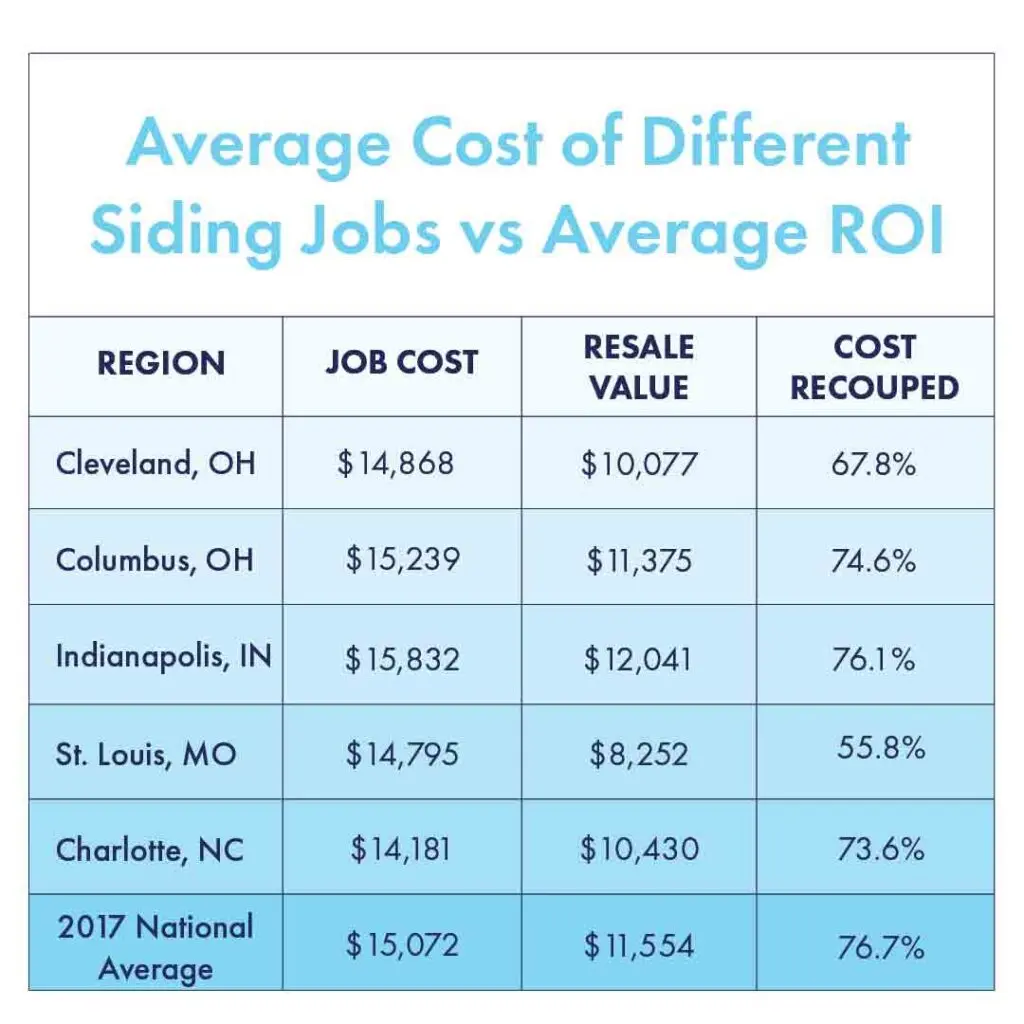
And when a quote jumps from $14,000 to $38,000 with no explanation, your brain gets stuck between “Is this normal?” and “Am I getting ripped off?”
That’s not clarity.
That’s chaos.
IT’S HARD TO MAKE A WISE CHOICE
When you can’t get a straight answer, doubt creeps in:
“Am I overpaying?”
“Are they skipping steps?”
“What does my home actually need?”
“Will this siding last in our winters?”
“Will it fade? Will it warp? Will it get attacked by woodpeckers AGAIN?”
“What’s the real monthly cost?”
Meanwhile, cold air keeps slipping inside.
Energy bills keep climbing.
And the longer siding issues sit, the more moisture can sneak into trim, framing, or insulation.
You shouldn’t have to stress this hard just to take care of your home.
WE’VE GOT YOUR BACK
This guide does what the top-ranking pages don’t:
- Real Minnesota pricing
- Real breakdowns by home size
- Local climate + material performance insight
- Practical examples
- Repair vs replace guidance
- Hidden cost explanations
- Contracting red flags
- A simple decision framework
- A tone that treats you like a smart adult, not a confused customer
By the end, you’ll know exactly what to expect — and how to protect your home without overspending or getting overwhelmed.
Let’s start with what everyone wants:
REAL SIDING PRICES IN MINNESOTA (2026)
These are the actual ranges Minnesota homeowners see for full siding replacement, including materials + labor:
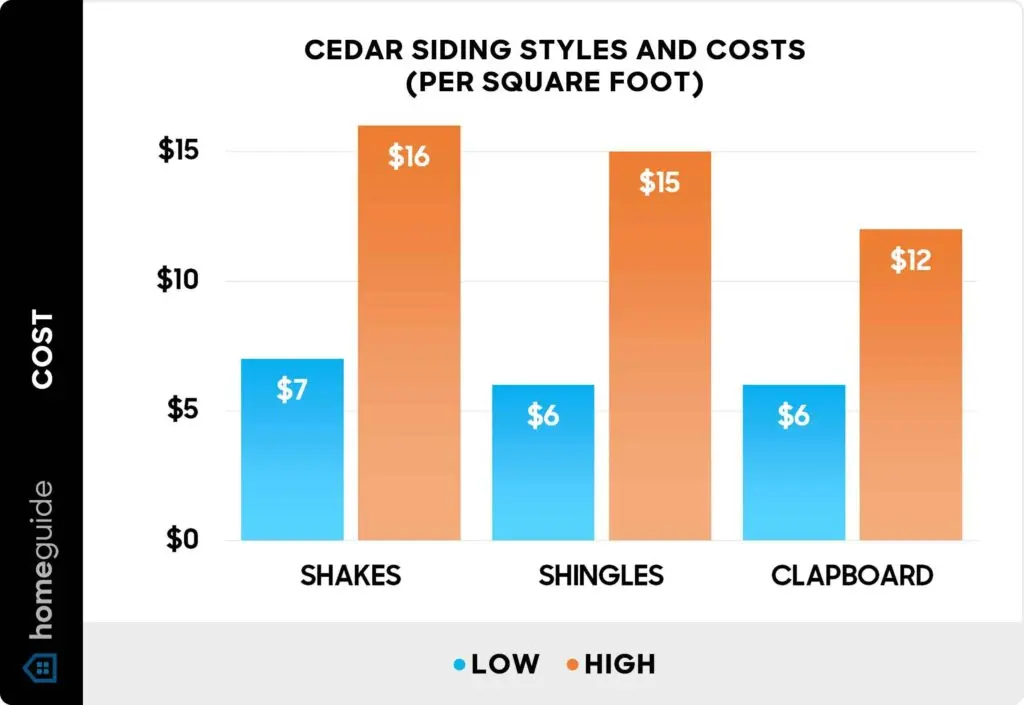
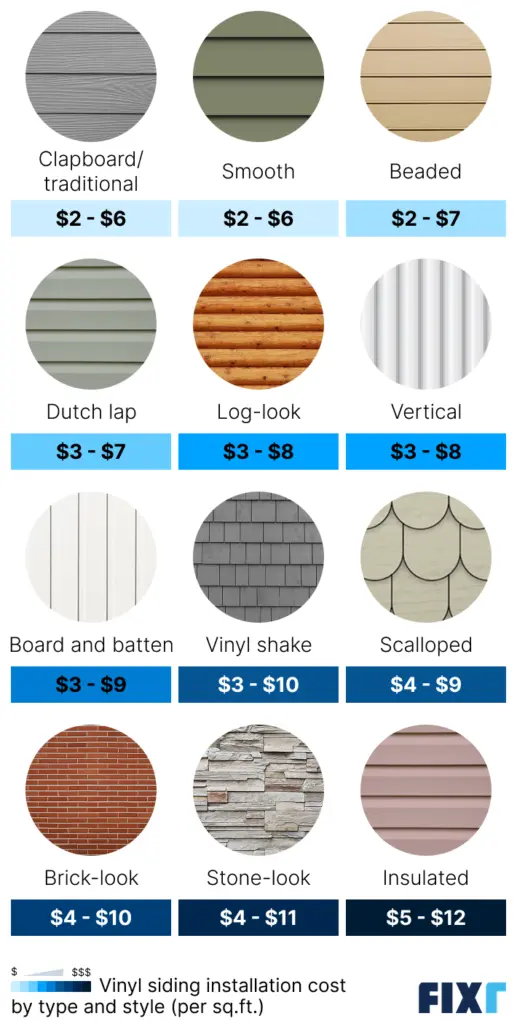
Vinyl Siding
$6.00–$10.00 per sq ft installed
Great budget option. Handles MN weather decently. Colors can fade over time.
LP SmartSide (Engineered Wood)
$10.00–$16.00 per sq ft installed
Minnesota favorite. Durable, impact-resistant, woodpecker-resistant, handles extreme temps well.
Fiber Cement (Hardie)
$11.00–$17.00 per sq ft installed
Strong, stable, excellent fire resistance. Heavier, more labor-intensive.
Steel Siding
$10.00–$18.00 per sq ft installed
Rock-solid in hail and freeze-thaw. Very low-maintenance. Premium look.
Engineered Wood & Composite Variants
$9.00–$15.00 per sq ft installed
Stucco (Traditional)
$12.00–$25.00 per sq ft installed
Beautiful. Riskier in wet climates without proper drainage systems.
Stone or Stone Accents
$30.00–$60.00+ per sq ft installed
High-end designs. Usually used as accent walls, not full siding.
WHAT THOSE NUMBERS ACTUALLY MEAN FOR REAL HOMES
Let’s make that more concrete:
1,000 sq ft home
- Vinyl: $6,000–$10,000
- LP: $10,000–$16,000
- Fiber Cement: $11,000–$17,000
- Steel: $10,000–$18,000
1,500 sq ft home
- Vinyl: $9,000–$15,000
- LP: $15,000–$24,000
- Fiber Cement: $16,500–$25,500
- Steel: $15,000–$27,000
2,000 sq ft home
- Vinyl: $12,000–$20,000
- LP: $20,000–$32,000
- Fiber Cement: $22,000–$34,000
- Steel: $20,000–$36,000
Actual final cost depends heavily on details below.
WHAT AFFECTS YOUR SIDING COST (THE REAL LIST)
Every top-ranking blog vaguely says “size and material matter.”
Helpful? Barely.
Here’s what actually shifts your quote in Minnesota:
1. Height of Your Home
Two-story homes cost more — ladders, labor, risk.
2. Tear-Off vs. Cover-Over
Full tear-off costs more but prevents hidden rot from becoming a nightmare later.
3. Wall Complexity
Gables, bump-outs, dormers, angled walls = more labor.
4. Weatherproofing Needs
Minnesota requires proper:
- House wrap
- Flashing
- Moisture management
- Sealing around windows/doors
Skipping any of this = disaster in our climate.
5. Trim & Soffit/Fascia Condition
Old trim often needs replacing.
Rot is common in older MN homes.
6. Insulation Upgrades
Some homes need rigid foam board added.
Improves efficiency. Increases cost.
7. Accessibility
Tight yards, steep grades, landscaping obstacles → more labor.
8. Seasonality
Installing siding in winter costs differently than spring/fall.
Cold affects labor speed.
Material flexibility varies.
9. Rot or Hidden Damage
No blog tells homeowners this, but we will:
Siding is often the symptom. Rot is the root.
Finding and fixing that matters for long-term durability.
SIDING MATERIAL BREAKDOWN — THE MINNESOTA EDITION
Most blogs explain siding materials like they live in Florida.
This is Minnesota. Our needs are different.
Here’s how each option performs in our climate:
Vinyl
- Affordable
- Easy to install
- Handles cold okay, but can get brittle
- Can fade from sun exposure
- Not ideal for hail-prone neighborhoods
- Low maintenance
LP SmartSide
- Minnesota-made for Minnesota weather
- Strong against impact
- Woodpecker-resistant
- Beautiful look
- Stable through freeze-thaw
- One of the best “value vs longevity” options
Fiber Cement (Hardie)
- Fire-resistant
- Stable
- Long-lasting
- Heavier = higher labor cost
- Coating must be maintained
- Performs well in wet/dry cycles
Steel Siding
- Nearly indestructible
- Excellent color retention
- Great against hail
- Modern premium look
- Higher price, but lowest long-term maintenance
Repair or Replace? (The Honest Minnesota Version)
Most homeowners hope siding can be “patched for now.”
Sometimes that’s true. Often it’s not.
Here’s the simple way to know:
A Repair Makes Sense When:
- Damage is limited to one small section
- Panels are newer and still in production
- No moisture has reached sheathing or insulation
- It’s purely cosmetic (minor cracks, dents, loose panels)
A Full Replacement Makes Sense When:
- You see widespread warping or swelling
- There’s woodpecker tunneling or insect damage
- Paint is peeling from deeper moisture issues
- Several walls show sun fade or brittleness
- The home is 20–30+ years old
- Your energy bills keep rising
- You plan to stay in the house long-term
- You want a major exterior aesthetic upgrade
In Minnesota, cold-driven expansion and contraction makes patchwork repairs unreliable.
If the siding is failing in one area, the rest isn’t far behind.
The Hidden Costs No One Tells You About
Here’s where most blogs sugarcoat things.
Real siding projects often reveal hidden issues — not because contractors want to charge more, but because Minnesota weather reveals problems only after removal.
1. Rotten Sheathing
Ice dams, wind-driven snow, and years of moisture can cause hidden rot.
Fixing this is essential — not optional.
2. Failing House Wrap
Old homes often have poor or nonexistent water barriers.
3. Trim & Soffit Problems
Birds, rot, and moisture damage trim before siding gives visible signs.
4. Lead or Asbestos on Older Homes
Homes built before the 80s may need testing and special handling.
5. Window & Door Flashing Issues
Many leaks come from flashing failures, not the siding itself.
6. Insulation Gaps
Some Minnesota homes gain instant comfort when rigid foam or better house wrap is added.
Transparency matters.
When you understand these hidden factors, you understand the quote — and you avoid being blindsided later.
How to Avoid Overpaying for Siding (Without Sacrificing Quality)
1. Compare Line Items, Not Totals
A $15K quote vs a $25K quote means nothing until you compare:
- Tear-off
- Moisture barrier
- Trim
- Insulation
- Caulking
- Flashing
- Brand of siding
- Install method
- Warranty
2. Ask for Photos of Damage
If the siding is failing, you should see proof — not just hear it.
3. Ask About Weatherproofing
Minnesota demands a strong moisture management system.
House wrap and flashing matter as much as the siding.
4. Request a Vent & Soffit Evaluation
Poor attic ventilation destroys siding AND roofing.
Most blogs never mention this — but it’s critical.
5. Don’t Choose Based on Price Alone
Low-ball bids often skip prep work or use cheaper materials.
Your home deserves better.
Siding Red Flags (Read This Before You Hire Anyone)
These issues mean you should walk — not run — away:
- Vague descriptions like “premium vinyl” without brands
- No mention of house wrap or flashing
- One-line quotes with no details
- Refusal to talk about rot or hidden damage
- “Today-only” pricing pressure
- No photos after inspection
- No discussion of warranty
- Communication that feels rushed or pushy
Siding is a big investment.
You should feel informed, not hustled.
A Simple Minnesota Homeowner Decision Framework
When you want to make a smart choice fast, use this:
Step 1 — Is the siding causing leaks or energy loss?
Yes → Move toward replacement.
No → Go to Step 2.
Step 2 — Is the siding over 20–25 years old?
Yes → Start evaluating replacement options.
No → Go to Step 3.
Step 3 — Is the damage cosmetic?
Yes → Consider repair.
No → Consider partial replacement or full replacement.
Step 4 — Are you planning to stay in the home 5+ years?
Yes → Invest in higher-quality materials like LP or steel.
No → Pick a durable but budget-conscious option.
Step 5 — Is curb appeal or resale value important?
Yes → Fiber cement, LP, or steel.
No → Mid-tier vinyl.
Clear. Simple. Honest.
Real Minnesota Case Studies (Short + Useful)
Case Study 1 — White Bear Lake Rambler (1,200 sq ft)
Problem: Faded vinyl + woodpecker holes + poor insulation
Solution: Tear-off + LP SmartSide + rigid foam board
Cost: ~$18,500
Result: Lower energy bills, modern look, zero woodpecker issues
Case Study 2 — Arden Hills Two-Story (1,900 sq ft)
Problem: Warped aluminum siding + moisture rot
Solution: Full replacement with steel siding
Cost: ~$29,000
Result: Clean lines, high durability, great long-term value
Case Study 3 — North Oaks Home (2,400 sq ft)
Problem: Hail damage + old fiber cement
Solution: Replacement using LP SmartSide with premium trim
Cost: ~$32,000
Result: Boosted resale value, superior storm resistance
Frequently Asked Questions (Simple + Straightforward)
Can I replace siding in winter?
Yes. Installers in Minnesota do it safely all winter long.
Will insurance cover siding replacement?
Only if damage is storm-related.
Does new siding improve energy efficiency?
Yes — especially with added foam board or better house wrap.
Should I replace all my siding or just one wall?
Possible, but color matching is tough. Long-term value favors full replacement.
Which siding lasts the longest?
Steel → LP → Fiber Cement → Vinyl (in that order).
What’s the most popular siding in Minnesota?
LP SmartSide — great durability, low maintenance, MN climate ready.

The Best For Your Nest
Your siding isn’t just a pretty outer shell.
It’s your home’s armor.
It keeps warmth in, keeps moisture out, and tells the world, “This home is cared for.”
Replacing siding shouldn’t feel overwhelming.
It should feel empowering — like you’re protecting your family and investing wisely.
At Owl Roofing, we believe in clarity, kindness, and competence.
We walk you through options, show you real examples, explain costs in plain English, and help you make the best decision for your home.Because your home deserves siding that lasts.
And you deserve a contractor who treats your nest like it matters.
📍 Owl Roofing Serves the Entire Twin Cities Metro
Andover · Anoka · Apple Valley · Arden Hills · Big Lake · Blaine · Bloomington · Brooklyn Center · Brooklyn Park · Burnsville · Champlin · Chanhassen · Chaska · Columbia Heights · Coon Rapids · Cottage Grove · Crystal · deephaven · Delano · Eagan · East Bethel · Eden Prairie · Excelsior · Farmington · Forest Lake · Fridley · Golden Valley · Ham Lake · Hastings · Hopkins · Hugo · Inver Grove Heights · Lake Elmo · Lakeville · Lino Lakes · Mahtomedi · Maplewood · Mendota Heights · Minneapolis · Minnetrista · Mound · Mounds View · New Brighton · New Hope · North Oaks · North St. Paul · Oak Grove · Oakdale · Plymouth · Prior Lake · Ramsey · Richfield · Robbinsdale · Rosemount · Roseville · Saint Paul · Savage · Shakopee · Shoreview · South St. Paul · St. Louis Park · St. Michael · St. Paul · Stillwater · Vadnais Heights · Victoria · Waconia · wayzata · West St. Paul · White Bear Lake · woodbury
Licensed Minnesota roofing contractor · Free inspections · 10-year workmanship warranty · Get a free estimate →

Recent Articles
Explore The Blog