


What to Do if Your Roof Claim Is Denied
 12min Read
 Posted 11.30.2025
What to Do If Your Roof Claim Is Denied
You finally filed that insurance claim after the last hailstorm tore through your shingles—and then the denial letter showed up. If you’re staring at that letter right now, wondering what went wrong, you’re not alone. More than 25% of roof claims get rejected on the first try, often for reasons that are totally fixable.
Here’s the thing: a denied claim isn’t the end of the road. It’s more like a speed bump. With the right approach, you can push back, build a stronger case, and often get that decision reversed. We’re going to walk you through exactly how to do that—step by step, no insurance jargon, no runaround.
Why This Matters for Twin Cities Homeowners
Living in Minnesota means your roof takes a beating. We get the summer hailstorms that sound like someone’s dumping gravel on your house. We get the winter ice dams that creep under your shingles. And we get that lovely freeze-thaw cycle that turns small problems into big ones fast.
The numbers tell the story: according to the Insurance Information Institute, homeowners’ insurance policies paid out over $13 billion in wind and hail losses in 2022 alone. The Twin Cities sit right in the middle of “hail alley,” which means our roofs face more weather-related stress than most of the country.
So when your insurance company denies a legitimate claim, it’s not just frustrating—it’s potentially dangerous. A damaged roof that doesn’t get fixed leads to leaks, mold, structural damage, and repair bills that snowball fast. Understanding how to fight a denial protects both your wallet and your family.
Understanding Why Your Roof Claim Was Denied
Before you can fight back, you need to know what you’re fighting. Insurance companies don’t deny claims randomly (even if it feels that way). They follow specific criteria, and understanding their reasoning gives you a roadmap for your appeal.
Start With the Denial Letter
That denial letter isn’t just bad news—it’s actually your best friend in this process. Dig it out and read it carefully. The insurance company is required to tell you exactly why they said no.
Here are the most common reasons claims get denied:
- Insufficient evidence of damage: They didn’t see enough proof that the damage exists or that it was caused by a covered event. This is the #1 reason, accounting for about 25% of denials according to the National Roofing Contractors Association.
- Late filing: Most policies have strict deadlines for reporting damage. Miss the window, and they’ll use it against you.
- Wear and tear classification: This is a big one in Minnesota. The insurance company claims your damage is from age and normal deterioration, not from a storm or other covered event. About 30% of denials fall into this category.
- Policy exclusions: Some types of damage simply aren’t covered under your specific policy. Flood damage, for example, requires separate coverage.
- Maintenance issues: If they determine the damage resulted from neglected maintenance rather than a sudden event, they may deny coverage.
Circle the specific reason on your letter. That’s your target. Everything you do from here on out should directly address that stated reason.
Gathering Evidence That Actually Works
If your claim was denied for lack of evidence—or if you think their assessment was wrong—you need to build a stronger case. Here’s what makes the difference:
Photographs and video: Not just a couple of snapshots. Document everything. Wide shots that show the whole roof, close-ups of specific damage, photos from multiple angles. Include something for scale—a ruler, a coin, your hand. Date-stamp everything.
Weather records: Pull official weather data from the National Weather Service for the date of the storm. If there was confirmed hail in your area, that’s powerful evidence that contradicts a “wear and tear” denial.
An independent inspection report: This is often the game-changer. Having a qualified roofing contractor inspect your roof and provide a written assessment gives you third-party documentation. The Insurance Institute for Business & Home Safety (IBHS) notes that appeals supported by independent inspection reports have significantly higher success rates.
Repair estimates: Get detailed, written estimates from licensed contractors. Multiple estimates are even better—they show consistency in the damage assessment.
Your maintenance records: If you’ve had your roof inspected or maintained regularly, those records prove you weren’t neglecting it. This directly counters the “deferred maintenance” argument.
The advantage of thorough documentation is simple: it takes the conversation from “he said, she said” to “here’s the proof.” Insurance adjusters have a much harder time dismissing a claim backed by photos, weather data, and professional assessments.
Steps to Appeal a Roof Claim Denial
Now for the actual process. This isn’t as complicated as insurance companies might make it seem, but it does require organization and persistence.
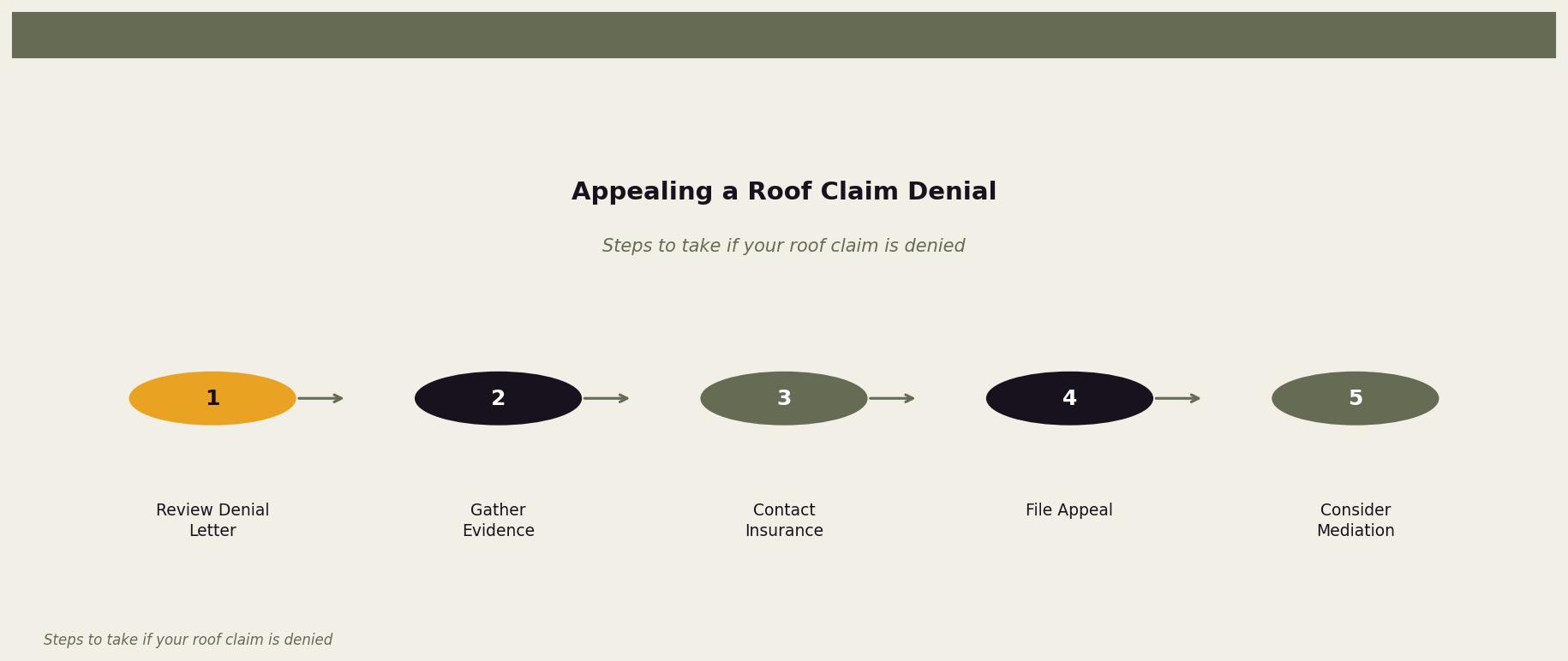
Step 1: Call Your Insurance Company
Before you file a formal appeal, pick up the phone. Ask to speak with someone who can explain the denial in detail. Sometimes there’s a simple misunderstanding or missing piece of information that can be resolved quickly.
During this call:
- Stay calm and polite. The person on the phone isn’t your enemy—they’re just doing their job.
- Ask specific questions: “What additional documentation would strengthen my case?” “Is there a specific inspection you’d accept?”
- Take detailed notes. Write down the date, time, the representative’s name, and everything they tell you.
The Insurance Information Institute recommends keeping a dedicated log of all communications with your insurance company. This paper trail becomes crucial if you need to escalate later.
Step 2: Request a Re-Inspection
You have the right to ask for a second inspection. If you believe the original adjuster missed something or made errors, request that a different adjuster come out. You can also request to be present during this inspection—and you should be.
Even better: have your own roofing contractor there at the same time. They can point out damage the adjuster might overlook and provide professional context for what they’re seeing. Two sets of expert eyes are better than one.
Step 3: File a Formal Written Appeal
If the phone calls and re-inspection don’t resolve things, it’s time to put it in writing. Your appeal letter should include:
- Your policy number and claim number
- A clear statement that you’re appealing the denial
- The specific reason given for denial (quote it directly from their letter)
- Your point-by-point rebuttal with supporting evidence
- All documentation: photos, inspection reports, weather records, estimates
- A specific request: “I am requesting that you approve my claim for roof repair/replacement”
Send this via certified mail so you have proof of delivery. Keep copies of everything.
The benefit of a well-organized written appeal is that it creates an official record and forces the insurance company to respond formally. It also shows you’re serious and informed—which often prompts a more careful review.
Step 4: Know Your Escalation Options
If your appeal is denied, you still have options:
Hire a public adjuster: These are licensed professionals who work for you, not the insurance company. They’ll assess your damage independently and can negotiate with your insurer on your behalf. They typically work on contingency (a percentage of your settlement), so there’s no upfront cost.
Mediation: This is a less formal process where a neutral third party helps you and the insurance company reach an agreement. It’s faster and cheaper than going to court. According to the National Association of Realtors, 60% of disputed claims were resolved through mediation in 2023. Those are good odds.
File a complaint with the Minnesota Department of Commerce: If you believe your insurance company is acting in bad faith, the state can investigate. This doesn’t guarantee a different outcome, but it puts pressure on the insurer and creates an official record.
Legal action: As a last resort, you can consult with an attorney who specializes in insurance disputes. Some cases are worth pursuing, especially if the denied amount is substantial.
Minnesota-Specific Considerations
Minnesota’s climate creates some unique challenges when it comes to roof damage and insurance claims. Understanding these can help you build a stronger case.
The Freeze-Thaw Problem
Our winters are brutal on roofs. Water gets into small cracks, freezes, expands, and makes those cracks bigger. Then it thaws, seeps deeper, and freezes again. This cycle can turn minor hail damage into major problems over a single winter.
Insurance companies sometimes use this to their advantage, arguing that damage is from “normal weathering” rather than a specific storm. If you’re fighting this argument, weather records and inspection reports from right after a storm become critical. They establish a timeline showing when the damage occurred.
Ice Dams and Coverage Questions
Ice dams are a Minnesota specialty. They form when heat escapes through your roof, melts snow, and the water refreezes at the eaves. The resulting damage can be significant—and coverage can be complicated.
Most policies cover sudden, accidental damage from ice dams, but they may not cover the ice dam removal itself or damage that resulted from poor insulation or ventilation. Know exactly what your policy says before filing.
Regular Inspections Are Your Best Defense
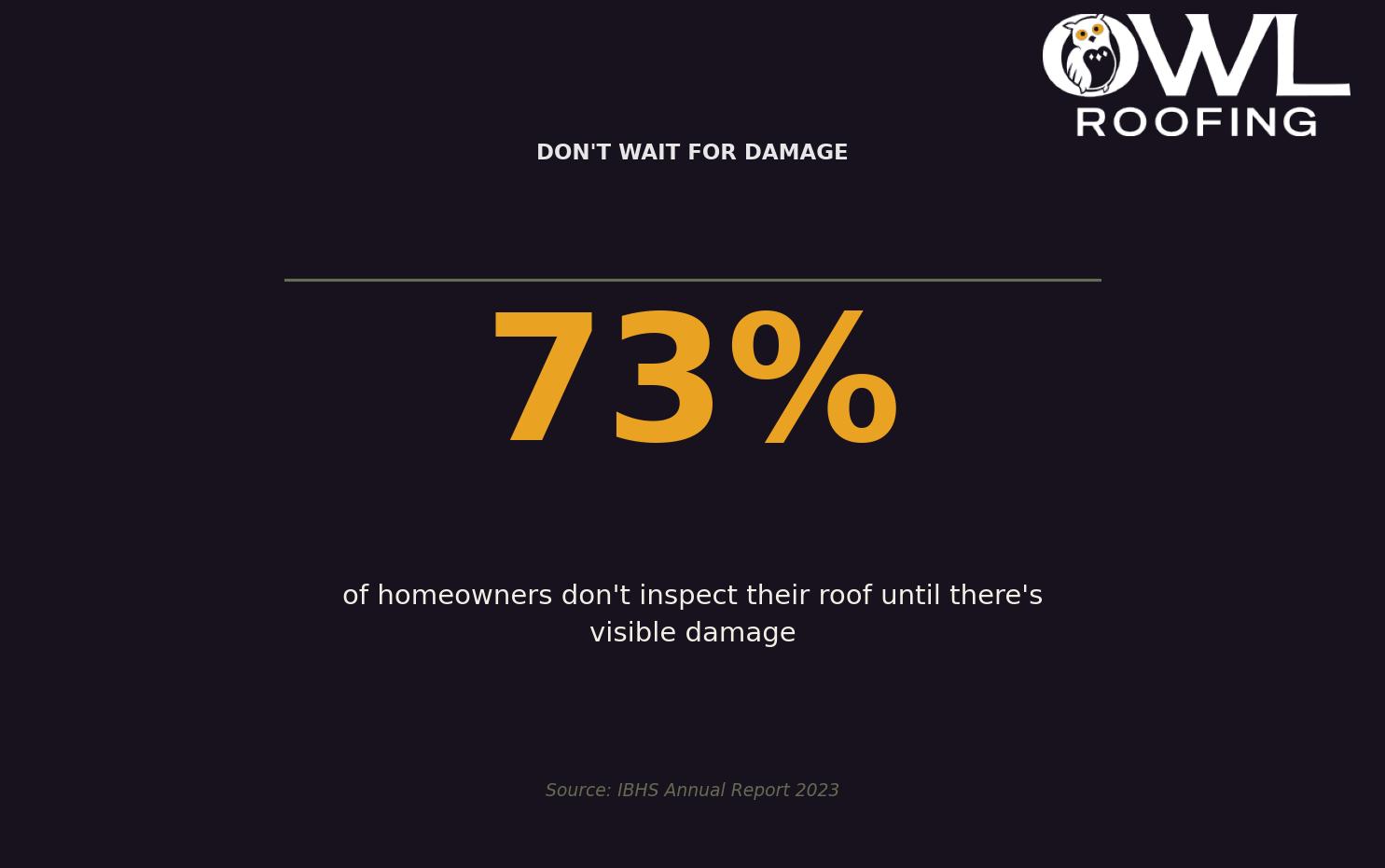
Here’s a statistic that might surprise you: according to the Census Bureau, 73% of homeowners don’t inspect their roof until there’s visible damage inside their home. By then, you’re dealing with a much bigger problem—and you’ve lost the opportunity to document damage right after it happened.
The Minnesota Department of Commerce recommends scheduling roof inspections after any significant weather event and at least once a year regardless. These inspections create a paper trail that proves you’re maintaining your roof properly. If you ever need to file a claim, you’ll have documentation showing the roof’s condition before and after the damage occurred.
Preventing Future Claim Denials
Once you’ve dealt with the current denial, take steps to protect yourself going forward:
Document your roof’s condition annually. Take photos, keep inspection reports, save receipts for any maintenance or repairs. Store these somewhere safe—cloud storage works great.
Report damage immediately. Don’t wait to see if a small problem gets worse. File claims promptly to avoid late-filing denials.
Review your policy yearly. Understand what’s covered, what’s excluded, and what your deductibles are. If something doesn’t make sense, call your agent and ask.
Consider your coverage limits. Make sure your policy covers the actual cost to replace your roof at current prices, not what it cost ten years ago.
Work with reputable contractors. When you do need repairs, use licensed, insured contractors who will provide detailed documentation of their work. This protects you for future claims and ensures the work is done right.
When You Need a Professional in Your Corner
Dealing with a denied roof claim is stressful—especially when you’re trying to decode insurance language while worrying about water damage getting worse. Sometimes the smartest move is bringing in people who’ve been through this hundreds of times.
At Owl Roofing, we’ve helped plenty of our Shoreview neighbors navigate exactly this situation. We’re a local, family-owned company—Tim and Bea Brown, Noah and Anya Bergland—and we’ve seen every kind of roof damage the Twin Cities can throw at a home. When you need an independent inspection to support your appeal, detailed documentation for your insurance company, or just someone to look at your roof and tell you straight what’s going on, that’s what we do.
We serve the entire Twin Cities metro, and we're happy to answer questions even if you're not sure what your next step should be. Give us a call at 651-977-6027 or visit owlroofing.com/ to set up an inspection. We'll take a look, tell you exactly what we find, and help you figure out the best path forward.
Protect Your Nest.
📍 Owl Roofing Serves the Entire Twin Cities Metro
Andover · Anoka · Apple Valley · Arden Hills · Big Lake · Blaine · Bloomington · Brooklyn Center · Brooklyn Park · Burnsville · Champlin · Chanhassen · Chaska · Columbia Heights · Coon Rapids · Cottage Grove · Crystal · deephaven · Delano · Eagan · East Bethel · Eden Prairie · Excelsior · Farmington · Forest Lake · Fridley · Golden Valley · Ham Lake · Hastings · Hopkins · Hugo · Inver Grove Heights · Lake Elmo · Lakeville · Lino Lakes · Mahtomedi · Maplewood · Mendota Heights · Minneapolis · Minnetrista · Mound · Mounds View · New Brighton · New Hope · North Oaks · North St. Paul · Oak Grove · Oakdale · Plymouth · Prior Lake · Ramsey · Richfield · Robbinsdale · Rosemount · Roseville · Saint Paul · Savage · Shakopee · Shoreview · South St. Paul · St. Louis Park · St. Michael · St. Paul · Stillwater · Vadnais Heights · Victoria · Waconia · wayzata · West St. Paul · White Bear Lake · woodbury
Licensed Minnesota roofing contractor · Free inspections · 10-year workmanship warranty · Get a free estimate →
