


Will Insurance Pay for a New Roof What to Expect
 10min Read
 Posted 11.26.2025
Will Insurance Pay for a New Roof? What to Expect
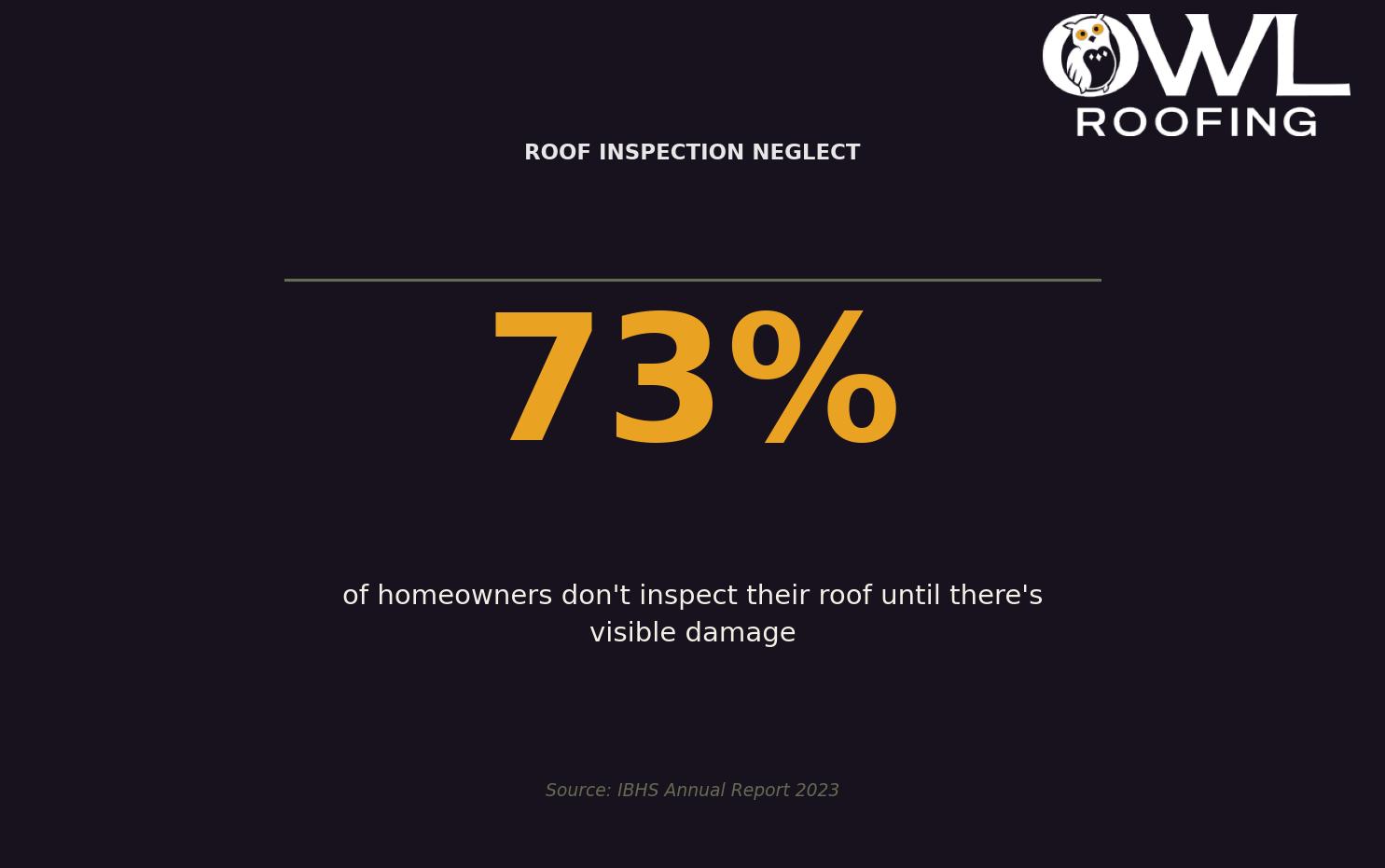
Here’s a number that might make you nervous: 73% of homeowners never inspect their roof until something’s already leaking. If you’re reading this after a Twin Cities storm just rattled your shingles—or you’re staring at a suspicious water stain on your ceiling—you’re probably asking the same question thousands of Minnesota homeowners ask every year: “Will insurance actually pay for a new roof?”
The short answer? Maybe. The real answer? It depends on a handful of factors that most people don’t know about until they’re knee-deep in a claim denial. And that’s a problem, because not understanding your coverage before you need it can cost you thousands of dollars—or worse, leave you stuck with a damaged roof heading into another brutal Minnesota winter.
Let’s break down exactly what you need to know, what pitfalls to avoid, and how to give yourself the best shot at getting your roof covered.
The Real Cost of Waiting (Or Guessing)
Your roof isn’t just shingles and nails. It’s the only thing standing between your family and Minnesota’s worst moods—and our state doesn’t hold back. We get the hail. We get the wind. We get the snow loads that would make other states file for emotional support.
According to the Insurance Information Institute, the average cost of replacing a roof hovers around $8,000. But that’s the average. Depending on your roof size, pitch, and materials, you could easily be looking at $12,000, $15,000, or more. Metal roofs run around $12,000. Tile? $20,000. Slate? You’re pushing $25,000.
Now imagine finding out your insurance won’t cover it after you’ve already got water dripping into your attic. That’s not just frustrating—it’s financially devastating. And here in the Twin Cities, a compromised roof doesn’t just mean leaks. It means ice dams forming along your eaves, moisture creeping into your insulation, and mold setting up shop where you can’t see it.
The longer you wait to understand your coverage—and the longer you wait to address damage—the worse it gets. Insurance companies know this. They’re not in the business of paying out claims they don’t have to. Which means you need to know exactly what you’re working with before you pick up the phone.
Understanding Insurance Roof Replacement Coverage
What Does Your Policy Actually Cover?
Here’s where a lot of homeowners get tripped up. Most homeowners insurance policies do cover roof damage—but only from specific causes. The industry calls these “covered perils.” Think storms, hail, wind, fire, falling trees. If a summer thunderstorm sends golf ball-sized hail through Shoreview and your roof looks like it lost a fight, that’s typically covered.
What’s usually not covered? Wear and tear. Neglect. That slow deterioration from 20 Minnesota winters that finally catches up with you. If your roof fails because it’s old and tired, most insurers will politely decline to help.
The National Roofing Contractors Association (NRCA) stresses that understanding your specific policy language is crucial. Don’t assume you know what’s covered—actually read it, or call your agent and ask directly.
Here’s another thing that catches people off guard: the difference between actual cash value (ACV) and replacement cost value (RCV) coverage.
- Actual Cash Value: This pays you what your roof is worth today, factoring in depreciation. If your 15-year-old roof gets totaled by hail, you’re not getting the cost of a new roof—you’re getting the value of a 15-year-old roof. Which isn’t much.
- Replacement Cost Value: This covers the actual cost to replace your roof with similar materials, regardless of age. Much better for your wallet, but often comes with higher premiums.
The difference between these two can be thousands of dollars in your pocket—or not. Check your policy now, while the sun is shining and your roof is dry.
Filing an Insurance New Roof Claim
Okay, so damage happened. Maybe last night’s storm left your gutters in the neighbor’s yard. What now?
Next, get estimates from reputable local contractors. Not one estimate—a couple. You want to walk into this process informed, not scrambling.
Then contact your insurance company. Report the damage promptly. Most policies have time limits on when you need to file after an incident, and waiting too long can give them an easy reason to deny your claim.
The Insurance Institute for Business & Home Safety (IBHS) recommends keeping a written record of every conversation, every email, every estimate. When the adjuster comes out—and they will—you want to be the most prepared homeowner they’ve seen all week.
Here’s a quick rundown of the process:
- Review your policy so you know what’s covered before you call
- Document everything—photos, videos, written notes
- Get professional estimates from trusted local contractors
- Contact your insurer and file the claim promptly
- Meet with the adjuster and walk through the damage together
Being organized doesn’t just speed things up. It shows the insurance company you’re serious—and makes it harder for them to lowball you or push back.
Factors That Affect Whether You Get Full Coverage
The Age of Your Roof
This one hurts, but you need to hear it: if your roof is old, your coverage might be limited.
Many insurance policies have a 20-year threshold. Once your roof passes that mark, they may only pay out the depreciated (ACV) value, even if you have replacement cost coverage on paper. Some policies are even stricter. According to a 2023 report from the National Association of Realtors (NAR), roofs older than 15 years may not be eligible for full replacement coverage at all.
This is why regular maintenance isn’t just good homeownership—it’s a financial strategy. A well-maintained roof that’s documented (inspections, repairs, receipts) gives you leverage. It shows the insurer that your roof’s failure was due to a storm, not decades of neglect.
The Type of Damage
Not all damage is treated equally. Storm damage from covered perils—hail, wind, lightning—is typically fair game. But if your claim stems from poor maintenance, gradual wear, or “cosmetic” damage (think small dents that don’t affect function), you might get denied.
Remember that stat from earlier? The Insurance Information Institute found that 73% of homeowners don’t inspect their roof until there’s already visible damage. By then, it’s often too late to distinguish between “storm damage” and “this has been falling apart for years.”
Get ahead of it. Schedule annual inspections. Keep records. When a storm does hit, you’ll have proof that your roof was in good shape before—and that the damage is new, sudden, and covered.
The Minnesota Factor

Living in the Twin Cities means your roof deals with conditions most of the country never sees. We’re talking about freeze-thaw cycles that can crack and lift shingles. Heavy snow loads that stress your structure. Ice dams that form when heat escapes your attic, melts the snow, and refreezes at the eaves—backing water up under your shingles and into your home.
Local insurance policies often account for these regional risks, which cuts both ways. On one hand, adjusters here understand ice damming and hail damage. On the other, they’re also trained to spot damage that’s more “Minnesota wear and tear” than “sudden storm event.”
Working with a contractor who knows Minnesota roofs—someone who’s seen ice dams form on hundreds of local homes and understands how our climate stresses different materials—can make a real difference. They can help you document damage accurately, explain what’s storm-related versus age-related, and provide estimates that hold up under scrutiny.
Your Action Plan: What to Do Right Now
Whether you’re dealing with fresh damage or just want to be ready for the next big storm, here’s what to do:
- Pull out your insurance policy. Read the roof coverage section. Look for ACV vs. RCV language, age limitations, and covered perils. If it’s confusing, call your agent and ask specific questions.
- Schedule a professional inspection. Even if you think your roof is fine, get it documented. A clean bill of health now is valuable evidence later.
- Create a roof file. Keep all your inspection reports, repair receipts, photos, and correspondence in one place. Digital backups are smart.
- Address small issues promptly. A missing shingle today is a denied claim tomorrow. Fix minor problems before they become “deferred maintenance” in an adjuster’s notes.
- Know your contractor before you need one. After a major storm, everyone’s scrambling. Having a trusted local roofer’s number saved means you’re not Googling in a panic while water drips through your ceiling.
Regular maintenance isn’t just about protecting your home—it keeps your insurance premiums in check and ensures you’re actually covered when something goes wrong.
Protect Your Nest
Navigating insurance claims can feel overwhelming, especially when you’re already stressed about roof damage. But you don’t have to figure it out alone. At Owl Roofing, we’ve helped homeowners across the Twin Cities handle exactly this situation—from documenting storm damage to working alongside insurance adjusters to make sure nothing gets overlooked.
We’re a family-owned company based right here in Shoreview—not a franchise, not storm chasers, just neighbors who’ve spent over 15 years protecting local homes. If you’ve got roof damage, questions about a claim, or just want a professional inspection to know where you stand, give us a call at 651-977-6027 or visit owlroofing.com/. We’ll look at your roof, tell you exactly what it needs, and help you understand your options—no pressure, no runaround.
Protect Your Nest.
📍 Owl Roofing Serves the Entire Twin Cities Metro
Andover · Anoka · Apple Valley · Arden Hills · Big Lake · Blaine · Bloomington · Brooklyn Center · Brooklyn Park · Burnsville · Champlin · Chanhassen · Chaska · Columbia Heights · Coon Rapids · Cottage Grove · Crystal · deephaven · Delano · Eagan · East Bethel · Eden Prairie · Excelsior · Farmington · Forest Lake · Fridley · Golden Valley · Ham Lake · Hastings · Hopkins · Hugo · Inver Grove Heights · Lake Elmo · Lakeville · Lino Lakes · Mahtomedi · Maplewood · Mendota Heights · Minneapolis · Minnetrista · Mound · Mounds View · New Brighton · New Hope · North Oaks · North St. Paul · Oak Grove · Oakdale · Plymouth · Prior Lake · Ramsey · Richfield · Robbinsdale · Rosemount · Roseville · Saint Paul · Savage · Shakopee · Shoreview · South St. Paul · St. Louis Park · St. Michael · St. Paul · Stillwater · Vadnais Heights · Victoria · Waconia · wayzata · West St. Paul · White Bear Lake · woodbury
Licensed Minnesota roofing contractor · Free inspections · 10-year workmanship warranty · Get a free estimate →
