Winter Roof Care in Minnesota: What Every Homeowner Must Know
 6min Read
 Posted 1.19.2026
In Minnesota, heavy snow, deep freezes, and repeated melting and refreezing make ice dams a top winter risk for roofs. A recent industry analysis estimates that over 30 million U.S. homes are in regions with more than 30 freezing days each year — that’s most of the Upper Midwest, including Minnesota — making ice dams a common winter roofing issue.
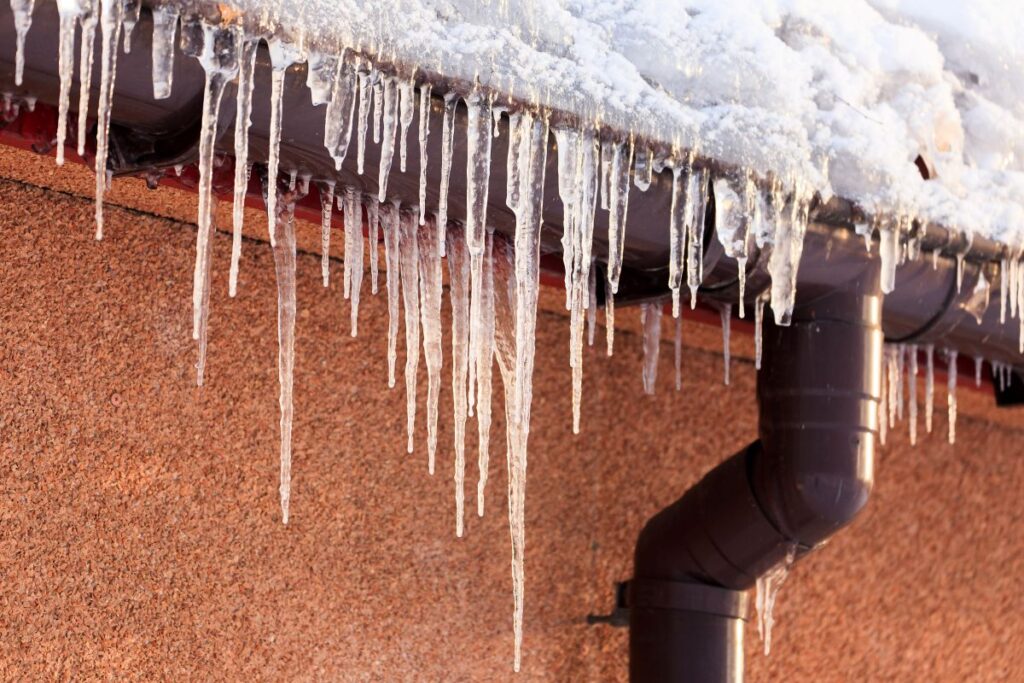
An ice dam forms when snow melts on warmer parts of your roof and refreezes at colder edges. This frozen ridge stops water from draining off. Backed-up water can work its way under shingles, soak into decking, and cause leaks, rot, mold, and structural damage.
How Ice Dams Form — Simple Physics, Big Problems
Here’s the sequence that leads to damage:
- Snow falls and sticks to your roof.
- Warm air from inside the house warms the upper roof surface.
- Snow melts and water travels down the slope.
- At the cold eaves and soffits, that water refreezes.
- Ice builds, blocking drainage, and melting snow has nowhere to go.
If this cycle continues, the ice dam gets bigger and water gets under shingles and into the house.
Winter Roof Care Checklist: What You Can Do
1. Remove Snow Safely
Snow load and ice build-up are the root drivers of ice dams and structural stress. Removing snow reduces that risk.
- Do not climb on the roof in winter. It’s slippery and dangerous.
- Use a roof rake with rollers and a long handle so you can operate from the ground.
- Focus on valleys and lower slopes where snow collects first.
The goal isn’t perfection. It’s control. Get enough snow off to reduce melting and freezing cycles without damaging the roof.
2. Avoid DIY Damage
Homeowners who use shovels, picks, axes, or hard tools often tear shingles and shorten roof life. This damage isn’t always visible until leaks start. Professional removal methods use steam or soft tools that remove ice without harming roofing materials.
3. Check Attic Signs of Trouble
Before winter hits, check the attic for:
- Frost on the underside of the roof deck.
- Moisture or condensation on rafters or insulation.
- Icicles forming from vents or soffits (sign of warm air escape).
These are classic signs of ventilation or insulation problems that lead to ice dams.
Tip: You don’t need to crawl around. Just inspect from the attic entrance with a flashlight. If you see frost or moisture, air sealing and insulation upgrades may be necessary.
4. Balance Insulation and Ventilation
Your attic should stay as close to outdoor temperature as possible in winter. That stops snow from melting too fast at the roof surface.
- Insulation keeps heat in the living space and out of the attic.
- Ventilation lets any heat that does reach the attic escape safely.
Experts aim for a balance between intake and exhaust vents so air can flow through the attic. A common guideline is about 1 square foot of ventilation per 150 square feet of attic floor space.
Upgrade insulation to at least R-38 in cold climates like Minnesota. This reduces heat loss and limits snow melt.
5. Ice & Water Shield Is Essential
When installing or replacing your roof, ask for ice and water shield underlayment along the eaves and vulnerable areas. This self-adhering barrier helps prevent leakage even if an ice dam forms.
Many roofs only get a few feet of protection. Extending the shield across entire valleys and edges gives much stronger defense.
6. Gutters and Downspouts Matter
Clean, strong gutters help meltwater flow where it should:
- Remove leaves and debris in fall.
- Check that downspouts direct water well away from your foundation.
- Consider larger gutters or guards to reduce clog risks.
Clogged gutters freeze first and make ice dam formation worse.
7. When Ice Dams Are Already There
If you already have a thick ice dam:
- Do not chip at it or use salt. These methods damage shingles and can void warranties.
- A professional with a steamer can safely melt and remove ice.
- Heat cables are a supplemental option in some homes, but they aren’t a substitute for good insulation and ventilation.

In Minnesota Ice Dams, are Tough – Get a Roofer That Knows The Climate
In Minnesota’s winter climate, ice dams are a real risk. They start with snow, heat imbalance, and freeze-thaw cycles. But you can head them off by:
- Removing snow safely with the right tools.
- Avoiding roof damage from shovels and picks.
- Checking attic signs of heat/vent issues.
- Balancing insulation and ventilation.
- Installing proper water-shielding under your roof.
- Maintaining gutters and drainage.
- Calling a professional when needed.
Proactive care protects your roof, your home interior, and your wallet. Chat with us if you need help protecting your nest!
📍 Owl Roofing Serves the Entire Twin Cities Metro
Andover · Anoka · Apple Valley · Arden Hills · Big Lake · Blaine · Bloomington · Brooklyn Center · Brooklyn Park · Burnsville · Champlin · Chanhassen · Chaska · Columbia Heights · Coon Rapids · Cottage Grove · Crystal · deephaven · Delano · Eagan · East Bethel · Eden Prairie · Excelsior · Farmington · Forest Lake · Fridley · Golden Valley · Ham Lake · Hastings · Hopkins · Hugo · Inver Grove Heights · Lake Elmo · Lakeville · Lino Lakes · Mahtomedi · Maplewood · Mendota Heights · Minneapolis · Minnetrista · Mound · Mounds View · New Brighton · New Hope · North Oaks · North St. Paul · Oak Grove · Oakdale · Plymouth · Prior Lake · Ramsey · Richfield · Robbinsdale · Rosemount · Roseville · Saint Paul · Savage · Shakopee · Shoreview · South St. Paul · St. Louis Park · St. Michael · St. Paul · Stillwater · Vadnais Heights · Victoria · Waconia · wayzata · West St. Paul · White Bear Lake · woodbury
Licensed Minnesota roofing contractor · Free inspections · 10-year workmanship warranty · Get a free estimate →

Recent Articles
Explore The Blog