


Architectural Shingles Explained What They Are and if They Are Worth It
 18min Read
 Posted 10.04.2025
Architectural Shingles Explained: What They Are and If They Are Worth It
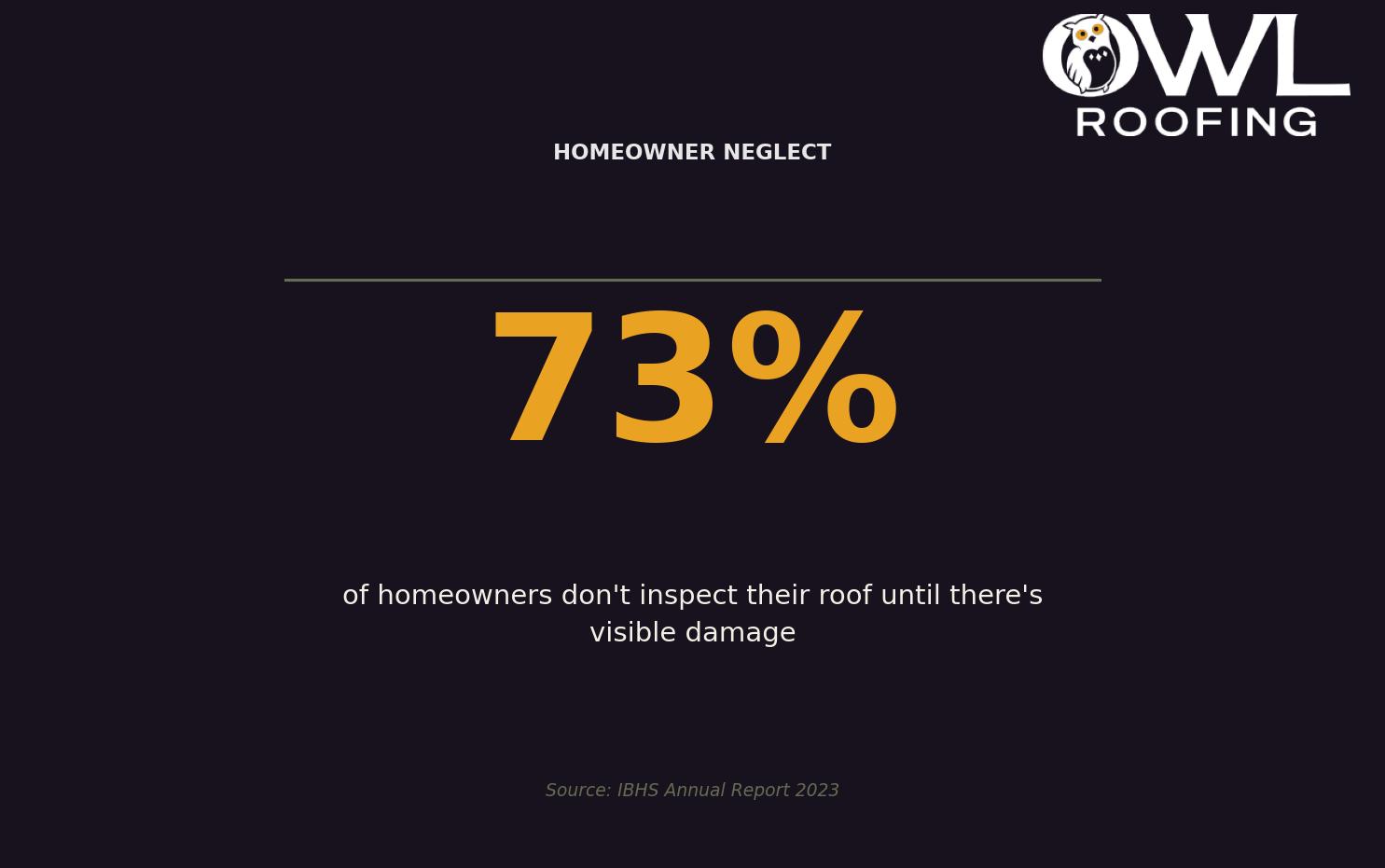
Here’s a number that might keep you up at night: 73% of homeowners don’t inspect their roof until water is already dripping through their ceiling. If you’re reading this after last night’s thunderstorm rolled through Roseville or that spring ice dam finally let loose in Maplewood, you’re not alone—and you’re definitely not too late. But you are standing at a crossroads that every Twin Cities homeowner eventually faces: stick with the basic shingles that came with your house, or upgrade to something that can actually handle what Minnesota throws at it?
Understanding the architectural shingles meaning—what they really are beneath the marketing jargon, how they’re different from the flat stuff on your neighbor’s roof, and whether they’re actually worth the extra money—could save you thousands of dollars and years of headaches. Let’s break this down like neighbors talking over the fence, not like a contractor trying to upsell you on something you don’t need.
Why This Matters More Than You Think
Let’s be honest: nobody wakes up excited to think about roofing materials. You’d rather be planning that lake cabin trip or figuring out which brewery in Northeast to try this weekend. But here’s the thing—your roof isn’t just sitting up there looking pretty. It’s the only thing standing between your family and the full force of a Minnesota winter. And our winters? They don’t mess around.
According to the Insurance Institute for Business & Home Safety (IBHS), roof-related problems rank among the top five reasons for insurance claims across the entire United States. Think about that for a second. Out of everything that can go wrong with a house—plumbing disasters, electrical fires, foundation cracks—roofing issues crack the top five. The National Roofing Contractors Association (NRCA) backs this up, emphasizing that your choice of roofing material directly impacts both your home’s longevity and its energy efficiency. Translation: the wrong roof costs you money every single month in heating bills, and then hits you with a massive repair or replacement bill down the road.
For those of us living in the Twin Cities, this choice carries even more weight. We’re not dealing with mild Pacific Northwest drizzle or predictable Southern heat. We get the full seasonal buffet: brutal cold snaps in January, ice dams that form overnight, spring rains that seem to last for weeks, summer hail that can dent your car and destroy your roof in the same storm, and then the whole cycle starts again. The architectural shingles meaning becomes crystal clear when you realize these shingles were essentially engineered for climates like ours—thicker, tougher, and built to take a beating without falling apart.
But here’s where the real cost of inaction kicks in. Every year you wait with an aging or underperforming roof, you’re gambling. Maybe nothing happens. Or maybe that next big storm causes enough damage to require not just a new roof, but new drywall, new insulation, maybe even mold remediation if moisture gets into places it shouldn’t. We’ve seen homeowners in Shoreview and Blaine face repair bills three or four times what a proactive roof replacement would have cost. The problem doesn’t get cheaper by ignoring it.
What Are Architectural Shingles?
Understanding the Basics (Without the Contractor-Speak)
The term “architectural shingles” sounds like something a designer came up with to charge more money, right? But the name actually describes exactly what makes them different: they’re built with architecture in mind, designed to create depth, dimension, and shadow lines that make your roof look like it’s made of premium materials—even when it’s asphalt.
You’ll also hear them called dimensional shingles or laminate shingles. All three terms describe the same product: a shingle that’s constructed with multiple layers of material bonded together, rather than the single flat layer you get with traditional 3-tab shingles. Picture it this way—a 3-tab shingle is like a piece of cardboard. An architectural shingle is more like corrugated cardboard: thicker, stiffer, and much harder to damage.
According to the National Association of Realtors (NAR), homes with architectural shingles can expect a return on investment of about 60-70% when it comes time to sell. That’s not just because they look better (though they definitely do). It’s because buyers understand—either consciously or intuitively—that a quality roof means fewer problems down the road. In competitive markets like Edina, Woodbury, or even up-and-coming neighborhoods in Columbia Heights, a roof with dimensional shingles can be the difference between a quick sale and a listing that sits.
The Composition and Why It Actually Matters
So what’s actually inside these things? Architectural shingles start with a fiberglass mat base—this gives them structural integrity and resistance to tearing. On top of that goes a layer of water-resistant asphalt, which is the primary waterproofing component. Then the whole thing gets topped with ceramic-coated mineral granules. Those granules aren’t just decorative (though they do come in dozens of colors to match your home’s style). They protect the asphalt from UV degradation and provide fire resistance.
Here’s where it gets interesting for Minnesota homeowners: the layered construction means architectural shingles are significantly heavier than 3-tab alternatives. That extra weight translates to better resistance against wind uplift—which matters a lot when those summer storms roll in from the west with 60+ mph gusts. The Insurance Institute for Business & Home Safety (IBHS) reports that quality architectural shingles can withstand winds of up to 130 mph. Compare that to 3-tab shingles, which are typically rated for just 60-70 mph, and you start to understand why architectural shingles hold up better when severe weather hits.
The adhesive strips on architectural shingles are also more robust. They’re designed to seal each shingle to the one below it, creating a unified surface that’s much harder for wind to get underneath. If you’ve ever seen a roof after a storm with shingles peeled back or completely blown off, that’s usually what happens when wind catches an edge. Better adhesion means better protection, period.
Comparing Architectural Shingles vs 3-Tab Shingles
Dimensional Shingles vs 3-Tab Shingles: The Real Differences
When you’re comparing architectural shingles vs 3-tab shingles, the first thing you’ll notice is how different they look. Three-tab shingles lie completely flat and have that very uniform, almost institutional appearance. There’s nothing wrong with that look—it’s classic, and it’s what most homes built in the 70s, 80s, and 90s came with. But dimensional shingles have that textured, layered appearance that can mimic much more expensive roofing materials like cedar shakes or natural slate. From the street, a high-quality architectural shingle roof looks like it cost twice what it actually did.
But let’s move past aesthetics, because that’s not why you’re really reading this. The longevity difference is where architectural shingles truly earn their keep. A well-installed 3-tab roof will typically last about 15 to 20 years in our climate. That’s assuming no major storm damage and regular maintenance. Architectural shingles, on the other hand, routinely last 25 to 30 years, with some premium lines carrying warranties that extend even further. In practical terms, that means if you install architectural shingles when you’re 40, you might not need another roof until you’re thinking about retirement. Install 3-tab, and you’re doing this whole process again in your mid-50s.
The thickness factor plays into more than just lifespan. Thicker shingles provide better insulation value, which can marginally improve your home’s energy efficiency. They also absorb impact better—important when hailstones the size of golf balls decide to visit your neighborhood. We’ve seen 3-tab roofs require full replacement after a single bad hailstorm, while architectural shingles on the house next door needed only minor repairs.
Cost Considerations: The Math Might Surprise You
Alright, let’s talk money, because that’s what this really comes down to for most families. According to recent Census data, the average cost of replacing a roof in the U.S. runs about $7,500. Here in the Twin Cities, depending on your roof’s size and complexity, you might be looking at $8,000 to $15,000 or more. Architectural shingles typically add about 20-30% to the material cost compared to 3-tab options.
That sounds like a significant jump, and it is—upfront. But here’s where the math changes. If 3-tab shingles last 18 years and architectural shingles last 28 years, you’re paying for one roof replacement over a 30-year period instead of potentially two. Factor in inflation, rising labor costs, and the hassle factor of living through a roof replacement, and that “premium” for architectural shingles starts looking like a bargain.
Then there’s the insurance angle. Many insurance companies offer discounts for impact-resistant roofing materials, and certain architectural shingles qualify. These discounts can range from 5% to 25% off your annual premium, depending on your carrier and policy. Over a decade, those savings add up to hundreds or even thousands of dollars.
And don’t forget the resale value we mentioned earlier. If you’re planning to sell your home within the next 10-15 years, that 60-70% ROI on architectural shingles can make a real difference in your final sale price. Buyers notice roofs—especially in Minnesota, where everyone knows what winter does to a cheap roof.
Minnesota/Twin Cities Specific Considerations
Let’s get specific about why architectural shingles make particular sense for those of us living in the land of 10,000 frozen lakes. The National Snow and Ice Data Center reports that Minnesota averages 36–70 inches of snow annually, depending on where you live. Up in Forest Lake or White Bear Lake, you’re often on the higher end of that range. That’s not just fluffy decoration—that’s weight. Serious weight.
A cubic foot of packed snow can weigh 20 pounds or more. When that accumulates on your roof over a long February, you need shingles that can handle the load without cracking, shifting, or letting moisture seep through. Architectural shingles, with their multi-layer construction and superior structural integrity, manage this stress far better than their single-layer counterparts.
Then there’s the ice dam situation—the bane of every Minnesota homeowner’s existence. Ice dams form when heat escapes from your attic, melts the snow on your roof, and that water refreezes at the colder eaves. The ice backs up, gets under your shingles, and suddenly you’ve got water in your walls. While no shingle completely prevents ice dams (that’s an insulation and ventilation issue), architectural shingles’ better sealing and adhesion make them less susceptible to water intrusion when ice dams do form.
Our freeze-thaw cycles deserve special mention too. During a typical Minnesota spring, temperatures can swing from 45 degrees during the day to 20 degrees at night—over and over again for weeks. Each cycle causes roofing materials to expand and contract. Cheaper shingles crack. They lift at the edges. They lose granules faster. Architectural shingles, built with flexibility and durability in mind, handle this thermal stress much more gracefully. That’s why you see so many older 3-tab roofs looking rough around edges while architectural roofs of the same age still look solid.
Wind is another factor we can’t ignore. The Twin Cities sit in a corridor that funnels storms from the plains straight through our neighborhoods. Those summer thunderstorms that seem to come out of nowhere can pack winds strong enough to turn trampolines into projectiles. At 130 mph wind rating versus 60-70 mph, architectural shingles simply stay put in conditions that would peel 3-tab shingles off like labels from a wet jar.
Common Mistakes and Misconceptions Homeowners Make
After talking with hundreds of homeowners across the Twin Cities, we’ve seen the same mistakes repeat themselves. The most common? Treating all shingles as interchangeable commodities. People shop for roofing the way they shop for gas—finding the lowest price per gallon without thinking about what’s actually going into their tank. According to a study by the National Association of Home Builders, this approach almost always costs more in the long run. Quality materials like architectural shingles reduce maintenance frequency and extend your roof’s useful life, often by a decade or more.
The second big mistake is the “I’ll deal with it later” approach. Remember that stat from the beginning? The IBHS reports that 73% of homeowners don’t inspect their roof until there’s already visible damage. By that point, what might have been a minor repair has often become a major project. A missing shingle spotted early costs maybe $150 to fix. That same missing shingle ignored for two years while water slowly penetrates your deck can mean $5,000 in water damage repairs.
Another misconception is that darker shingles make your house hotter in summer. While there’s a kernel of truth here, modern architectural shingles (especially those rated for energy efficiency) include reflective granules that minimize heat absorption regardless of color. You can choose charcoal gray or deep brown to match your home’s aesthetic without turning your attic into a sauna.
Finally, some homeowners believe that a new roof is a DIY project. We’ve seen the aftermath of this thinking, and it’s never pretty. Roofing requires specific knowledge of flashing, ventilation, proper fastening, and local building codes. A poorly installed roof—even using premium materials—will fail faster than a properly installed budget roof. This is one area where professional installation pays for itself many times over.
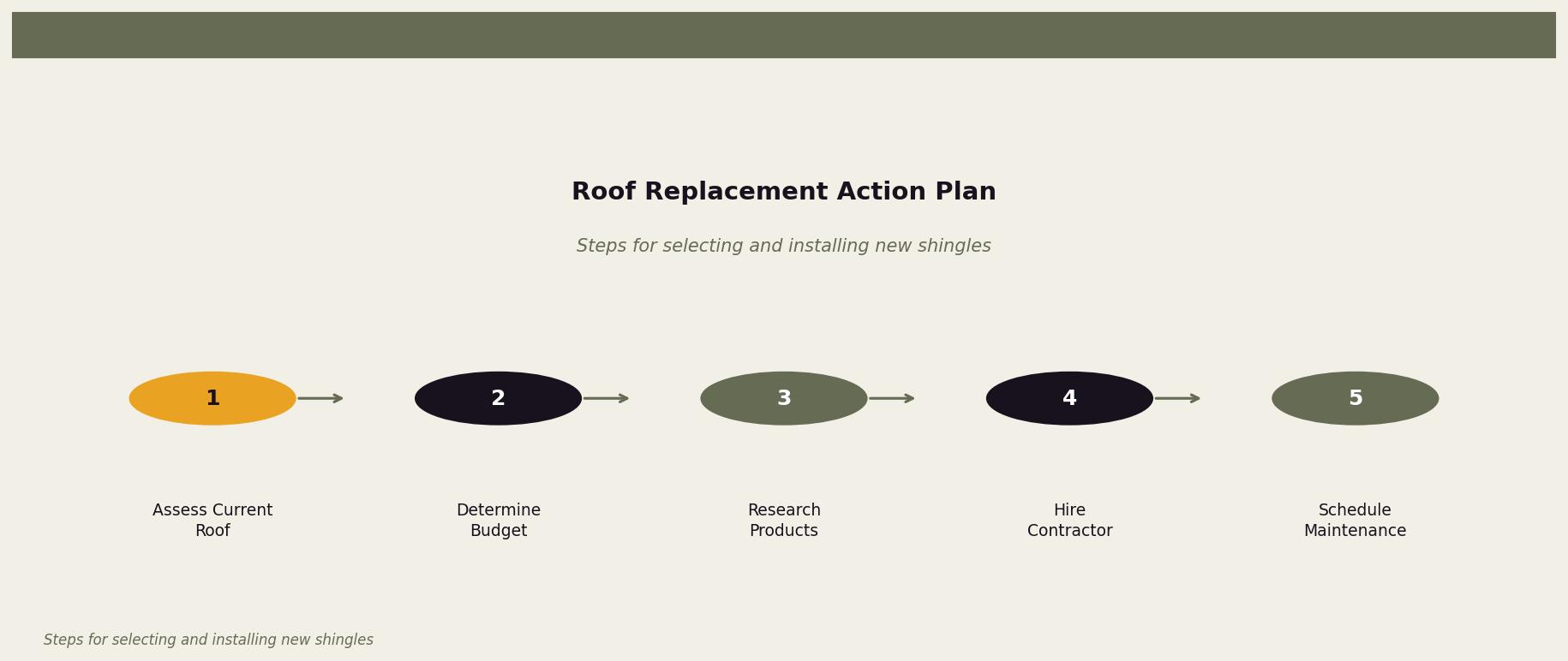
Step-by-Step Action Plan for Homeowners
Step 1: Assess Your Current Roof Honestly
Grab some binoculars and take a good look at your roof from the ground. You’re looking for missing shingles, areas where granules have worn away (you’ll see dark patches), any visible sagging, and shingles that are curling or buckling at the edges. Check your gutters for granule accumulation—a little is normal, but piles of granules mean your shingles are deteriorating faster than they should.
Inside your house, look in your attic if you can access it safely. Use a flashlight to check for daylight coming through the roof boards, any signs of water staining on the wood, or soft spots that indicate rot. If you see any of these warning signs, it’s time for a professional inspection—not next year, now.
Step 2: Consider Your Budget and Goals Realistically
Be honest with yourself about what you can afford and what you’re trying to accomplish. If you’re planning to sell your house within the next three years, your calculation is different than if you’re planning to stay for twenty. If budget is tight, remember that many roofing companies offer financing options that can make architectural shingles accessible without draining your savings.
Think about your non-negotiables. For most Twin Cities homeowners, wind resistance should be high on that list. So should longevity—nobody wants to do this twice if they can help it. Color and style matter too, especially if your neighborhood has a particular aesthetic or if you’re concerned about curb appeal for resale.
Step 3: Research and Compare Products
Not all architectural shingles are created equal. Major manufacturers like Owens Corning, GAF, and CertainTeed all offer multiple product lines at different price points. Look at the warranty carefully—a 30-year warranty is standard, but read the fine print about what’s actually covered. Wind ratings, impact resistance ratings, and energy efficiency certifications all vary between products.
Don’t be shy about requesting samples. Most reputable contractors can get you physical samples of different shingles so you can see how they’ll look against your home’s siding and trim. What looks great in a glossy brochure might clash with your actual house.
Step 4: Hire a Qualified Contractor (This Part Matters Most)
The best shingles in the world won’t protect your home if they’re installed incorrectly. Look for a contractor who is licensed and insured in Minnesota, has verifiable references from jobs in your area, and can show you examples of their work. Be wary of storm chasers—contractors who show up after bad weather offering deals that sound too good to be true. They usually are.
A reputable contractor will provide a detailed written estimate, explain exactly what work will be done, and answer your questions without getting defensive or evasive. They’ll also pull the necessary permits and schedule inspections as required by your municipality.
Step 5: Schedule Regular Maintenance Going Forward
Once your new roof is installed, don’t just forget about it for 25 years. Schedule an annual inspection—spring is ideal in Minnesota, after winter has done its worst. Clean your gutters regularly to prevent water backup. Trim any tree branches that overhang your roof, since they can abrade shingles and drop debris that traps moisture.
Address small issues immediately. That one loose shingle? Get it fixed before winter. That flashing around your chimney that looks a little off? Have someone check it. These small investments in maintenance protect your much larger investment in the roof itself.
Closing Thoughts
Deciding between shingle types isn’t the most exciting decision you’ll make as a homeowner, but it might be one of the most consequential. Understanding the architectural shingles meaning—beyond the marketing terminology—helps you see these products for what they really are: a long-term investment in your home’s protection, efficiency, and value. For Twin Cities homeowners facing our uniquely challenging climate, architectural shingles consistently prove their worth through better durability, longer lifespans, and superior performance when the weather turns ugly.
If you’re starting to think your roof might be due for some attention—or if you’re just curious about what options make sense for your specific situation—we’d love to help you figure it out. At Owl Roofing, we’re based right here in Shoreview and serve homeowners throughout the Twin Cities. We’re family-owned by Tim and Bea Brown and Noah and Anya Bergland, not a franchise and definitely not storm chasers who’ll disappear after collecting your check. We’ve been looking at roofs in this area for over fifteen years combined, which means we’ve seen every type of damage our Minnesota weather can dish out—and we know exactly how to fix it.
When you call us, you get a real conversation about what your roof actually needs, not a high-pressure sales pitch for the most expensive option on the list. We’ll look at your roof, tell you honestly what we see, and explain your options in plain English. If architectural shingles make sense for your situation, we’ll tell you why. If they don’t, we’ll tell you that too. We’re your neighbors, and we treat every roof like it’s protecting our own family.
Ready to take the next step? Give us a call at 651-977-6027 or visit us online at owlroofing.com/ to schedule a free inspection. Let’s make sure your home is ready for whatever Minnesota throws at it next.
Protect Your Nest.
📍 Owl Roofing Serves the Entire Twin Cities Metro
Andover · Anoka · Apple Valley · Arden Hills · Big Lake · Blaine · Bloomington · Brooklyn Center · Brooklyn Park · Burnsville · Champlin · Chanhassen · Chaska · Columbia Heights · Coon Rapids · Cottage Grove · Crystal · deephaven · Delano · Eagan · East Bethel · Eden Prairie · Excelsior · Farmington · Forest Lake · Fridley · Golden Valley · Ham Lake · Hastings · Hopkins · Hugo · Inver Grove Heights · Lake Elmo · Lakeville · Lino Lakes · Mahtomedi · Maplewood · Mendota Heights · Minneapolis · Minnetrista · Mound · Mounds View · New Brighton · New Hope · North Oaks · North St. Paul · Oak Grove · Oakdale · Plymouth · Prior Lake · Ramsey · Richfield · Robbinsdale · Rosemount · Roseville · Saint Paul · Savage · Shakopee · Shoreview · South St. Paul · St. Louis Park · St. Michael · St. Paul · Stillwater · Vadnais Heights · Victoria · Waconia · wayzata · West St. Paul · White Bear Lake · woodbury
Licensed Minnesota roofing contractor · Free inspections · 10-year workmanship warranty · Get a free estimate →
