


Are Roofing Nails Galvanized and Why It Matters
 11min Read
 Posted 1.12.2026
Are Roofing Nails Galvanized and Why It Matters
Here’s a question that might keep you up at night (or maybe it should): What if your brand-new roof is being held together by nails that are already starting to rust? It sounds dramatic, but for Twin Cities homeowners, this tiny detail—whether your roofing nails are galvanized—can mean the difference between a roof that lasts 30 years and one that starts leaking in 10.
We know what you’re thinking. Nails? Really? You’ve got bigger things to worry about—shingles, flashing, ice dams, that weird noise in the attic. But here’s the thing: your roof has somewhere between 10,000 and 20,000 nails holding it together. If those nails fail, everything else fails with them. And in Minnesota, where our roofs take an absolute beating from November through April (and sometimes May, let’s be honest), the wrong nails can turn your biggest investment into your biggest headache.
The Problem: Tiny Nails, Big Consequences
Let’s paint a picture. You hired a roofing crew a few years back. They seemed professional, the price was right, and the roof looked great when they finished. Fast forward five or six Minnesota winters. You start noticing rust-colored streaks running down your fascia boards. Then comes the drip in the guest bedroom ceiling. Then another in the hallway.
The culprit? Non-galvanized nails that have been quietly corroding since day one. As they rust, they lose their grip. Shingles loosen. Water finds its way in. And suddenly, you’re not just replacing a few nails—you’re dealing with rotted decking, damaged insulation, and a repair bill that makes your eyes water more than the leak itself.
This isn’t hypothetical. The Minnesota Department of Commerce reports that roofing issues rank among the top insurance claims in the state, with improper installation and inferior materials being major culprits. According to the Insurance Institute for Business & Home Safety (IBHS), roofs in climates with significant freeze-thaw cycles—hello, Minnesota—are especially vulnerable to damage when subpar materials are used. Those freeze-thaw cycles we experience? They’re brutal on metal. Water gets in, freezes, expands, and accelerates corrosion. Non-galvanized nails don’t stand a chance.
What Does “Galvanized” Actually Mean?
The Science (Without the Snooze)
Galvanization is basically giving a nail a suit of armor. The process coats steel nails with a layer of zinc, which creates a barrier between the metal and moisture. When water hits a galvanized nail, it attacks the zinc coating first—not the steel underneath. The zinc essentially sacrifices itself over time, corroding slowly so the nail doesn’t have to.
Think of it like sunscreen for metal. The zinc takes the hit so the steel stays strong.
The National Roofing Contractors Association (NRCA) is pretty clear on this: using non-galvanized nails in roofing applications can lead to premature roof failure. We’re not talking about a slight reduction in lifespan—we’re talking about roofs that fail years or even decades before they should. For something as small and cheap as a nail, the stakes are surprisingly high.
Not All Galvanized Nails Are Created Equal
Here’s where it gets a little nerdy (but stick with us—this matters). There are two main types of galvanized nails:
- Electro-galvanized nails: These get a thin zinc coating through an electrical process. They’re cheaper, but the coating is thinner and less durable. Fine for interior work, not ideal for your roof.
- Hot-dipped galvanized nails: These are dunked in molten zinc, creating a much thicker, more durable coating. This is what you want protecting your roof from Minnesota’s mood swings.
The difference in cost between the two? Pennies per nail. The difference in performance? Years of roof life. If your contractor is using electro-galvanized nails to save a few bucks, that’s a red flag worth discussing.
How Nail Choice Compares: Galvanized vs. Stainless Steel vs. Plain Steel
Breaking Down Your Options
Let’s talk about the three main contenders in the roofing nail arena:
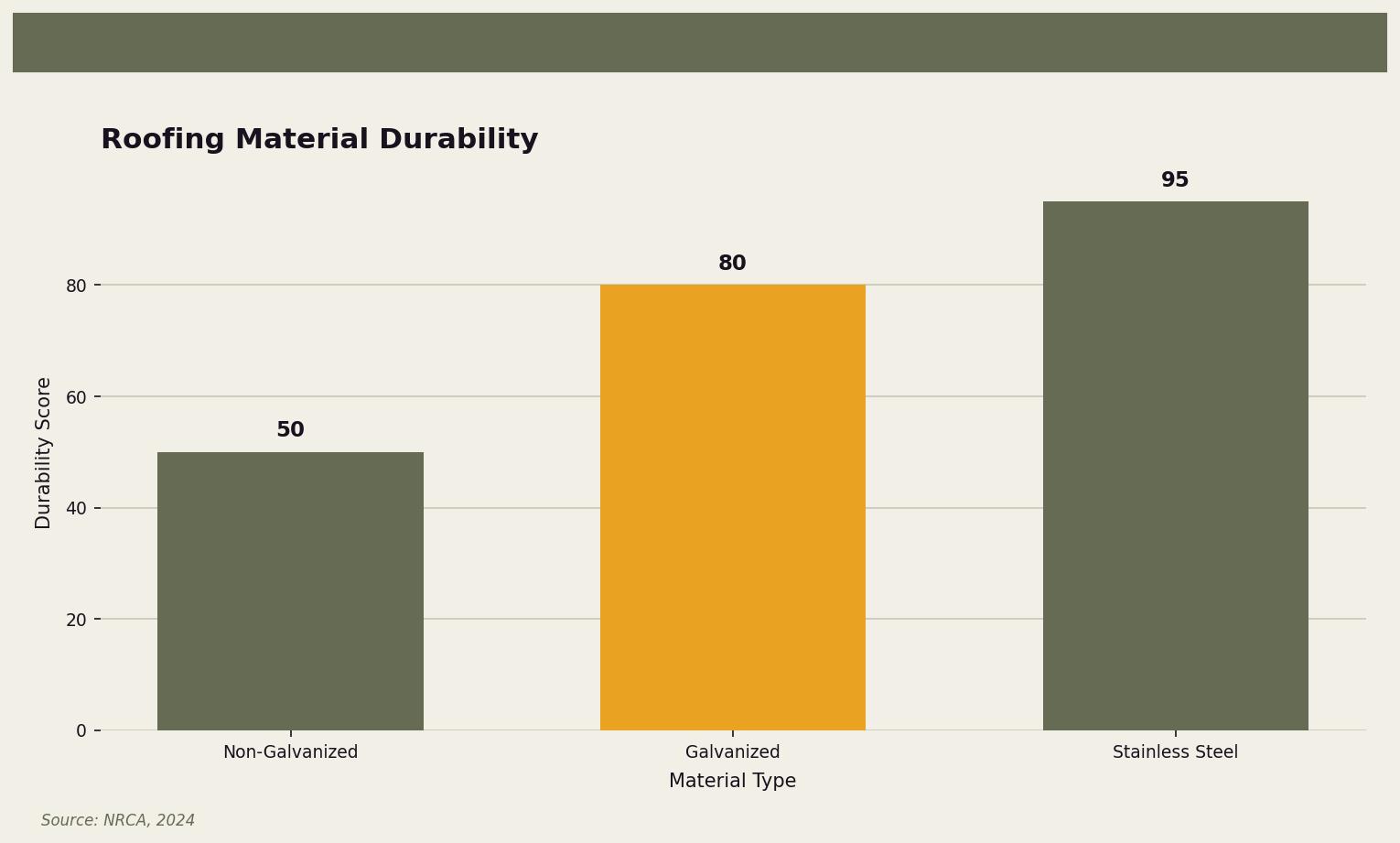
Plain steel nails (non-galvanized): The cheapest option and, frankly, the worst choice for roofing. These will start rusting almost immediately when exposed to moisture. In a dry climate, they might last a while. In Minnesota? They’re basically on borrowed time from the moment they’re hammered in. If a roofer is using these on your home, run—don’t walk—to find someone else.
Galvanized steel nails: The sweet spot for most Twin Cities homeowners. Hot-dipped galvanized nails provide excellent corrosion resistance at a reasonable price. They can easily last 20-30 years in normal conditions, which lines up nicely with the lifespan of most asphalt shingle roofs. This is what reputable local contractors use as their standard.
Stainless steel nails: The premium choice. Stainless steel offers superior corrosion resistance—it basically doesn’t rust, period. It’s the go-to for coastal homes, cedar shake roofs, and situations where the roof is exposed to unusual amounts of moisture or corrosive elements. The downside? They cost significantly more. For most standard asphalt shingle roofs in the Twin Cities, they’re overkill (but not a bad choice if you want maximum peace of mind).
According to the National Association of Realtors (NAR), using quality materials throughout your roof can increase your home’s resale value by up to 6%. That includes the stuff you can’t see—like nails. Buyers (and their inspectors) notice when corners have been cut.
Why This Matters Even More in Minnesota
Our Climate Is Tough on Roofs
Let’s be real: Minnesota weather is not for the faint of heart, and it’s definitely not for cheap building materials. Here’s what your roof faces every single year:
- Freeze-thaw cycles: We can have 30+ of these in a single winter. Water seeps into tiny gaps, freezes, expands, and pries things apart. Corroded nails with weakened grip? They’re the first to let go.
- Ice dams: When heat escapes through your roof, it melts snow that refreezes at the eaves, creating ice dams that trap water. That trapped water is actively looking for any weakness—like a rusted nail hole that’s slightly enlarged.
- Heavy snow loads: A typical Minnesota winter dumps significant weight on your roof. Nails need to maintain their holding power under this stress. Corroded nails with compromised structural integrity can’t do that.
- Spring storms: High winds, driving rain, and sometimes hail. Your shingles need to stay put, and that depends entirely on the nails holding them down.
- Summer humidity: Even our summers contribute to corrosion. The warm, humid months keep moisture in contact with metal components.
The IBHS specifically calls out climates like ours as high-risk for roofing material degradation. Their research shows that proactive material choices—including using properly galvanized fasteners—significantly reduce the likelihood of premature roof failure. It’s not glamorous, but it works.
What to Do: Protecting Your Roof (and Your Wallet)
Questions to Ask Your Roofing Contractor
Whether you’re getting a new roof or just vetting contractors for future reference, here are the questions that separate the professionals from the fly-by-nighters:
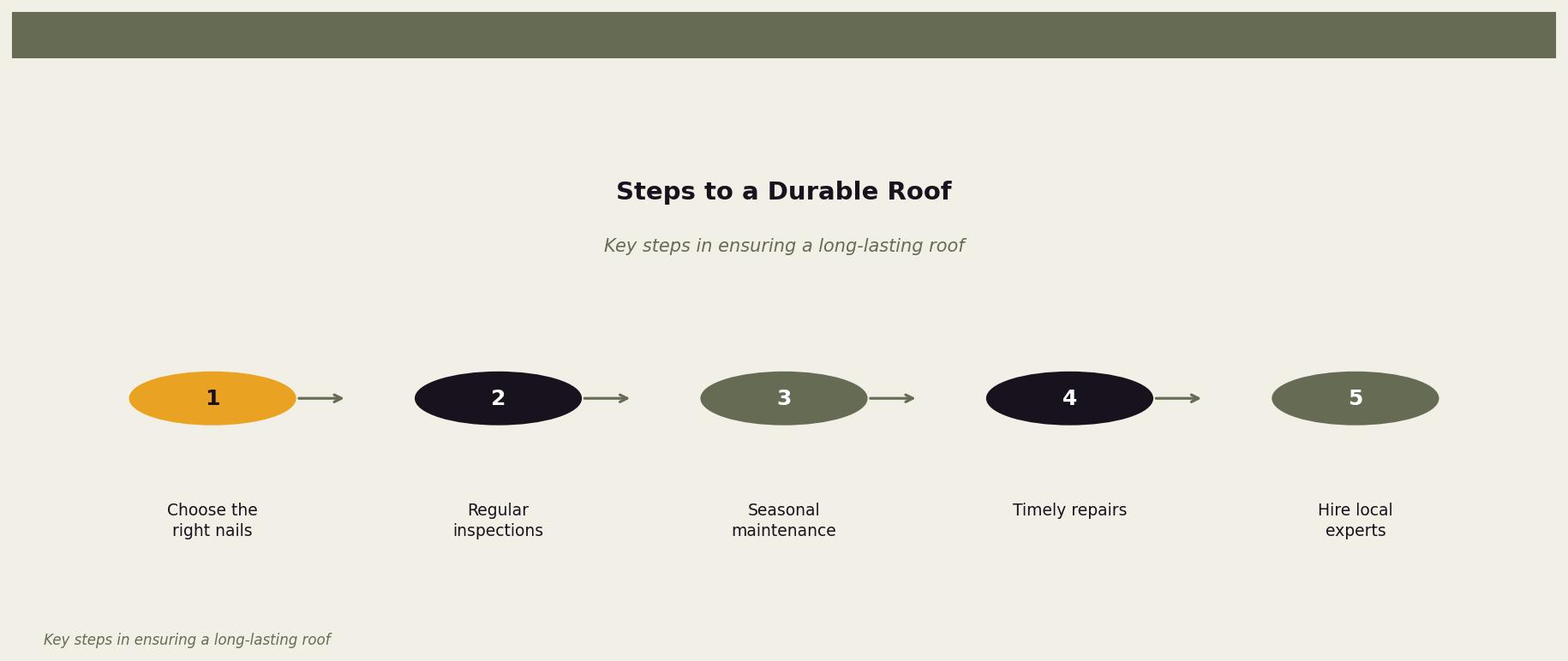
- “What type of nails do you use?” The answer should be “hot-dipped galvanized” at minimum. If they say “galvanized” without specifying, ask if they’re hot-dipped or electro-galvanized. If they seem annoyed by the question, that tells you something too.
- “Can I see the product specifications?” Good contractors are happy to show you exactly what materials they’re using. It’s your house—you have every right to know.
- “How many nails per shingle?” The standard is 4-6 nails per shingle, depending on the manufacturer’s specs and local wind requirements. Skimping on nail count is another corner-cutting red flag.
- “Do you follow manufacturer installation guidelines?” Shingle warranties can be voided if installation doesn’t follow the manufacturer’s specifications—and that includes using the right fasteners.
If You Already Have a Roof
Not in the market for a new roof? Here’s how to stay ahead of potential nail-related problems:
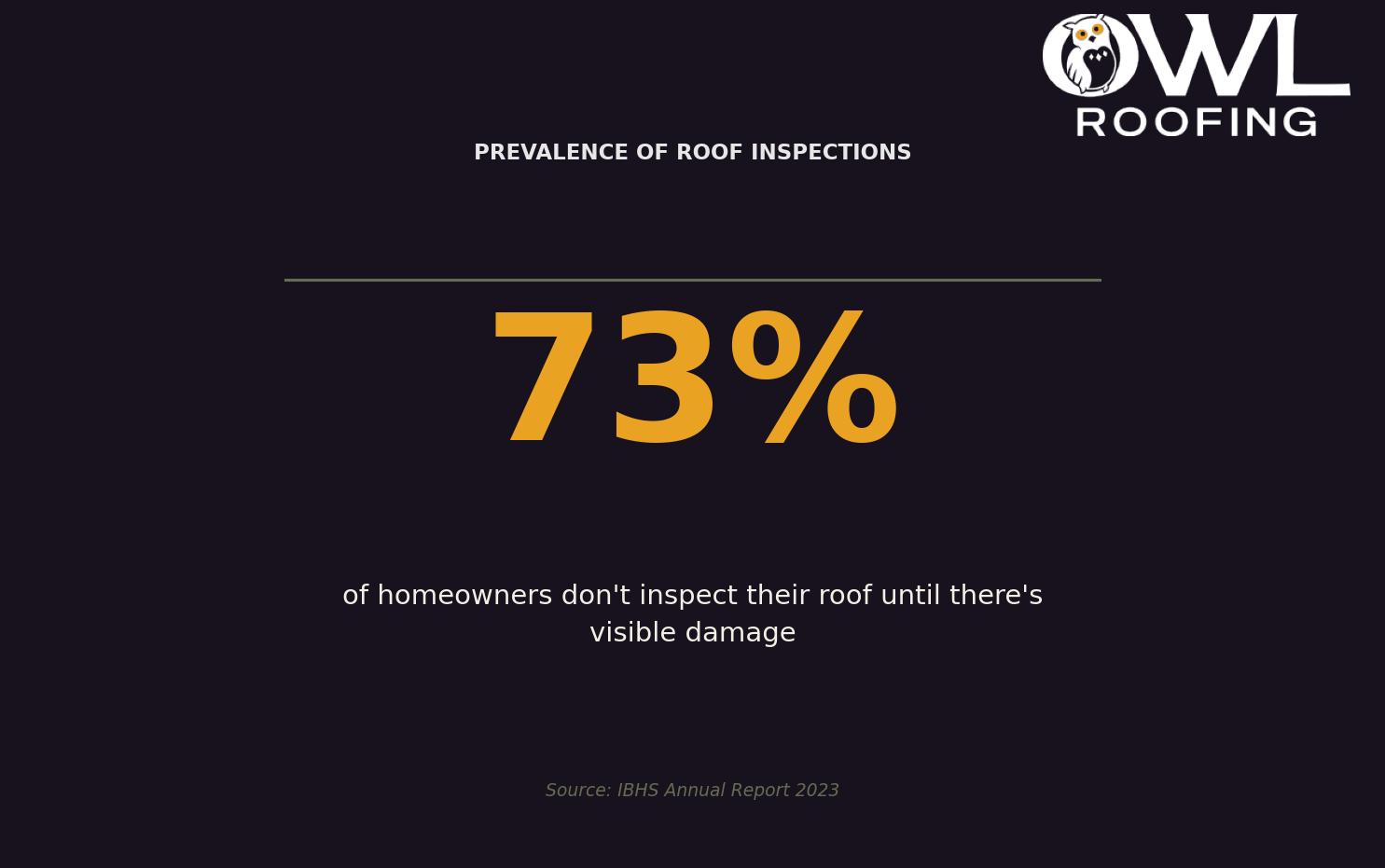
- Schedule annual inspections: The IBHS recommends yearly roof checkups to catch small issues before they become expensive disasters. A 73% majority of homeowners don’t inspect their roof until there’s visible damage—don’t be part of that statistic.
- Look for rust stains: Discoloration running down from nail heads or along your fascia can indicate corroding fasteners. Catch it early, fix it cheap.
- Check after major storms: High winds can reveal weak points. If nails were already compromised by corrosion, storms often finish the job.
- Know your roof’s age and history: If you bought your home and don’t know what materials were used during the last roof installation, an inspection can give you peace of mind (or fair warning).
The Bottom Line: Small Detail, Big Impact
So, are roofing nails galvanized? The good ones are—and that matters more than most homeowners realize. In Minnesota’s demanding climate, using properly galvanized nails isn’t just a best practice; it’s essential for a roof that actually lasts as long as it should.
The difference between a roof that protects your family for three decades and one that starts failing in ten often comes down to details exactly like this. Materials you can’t see. Choices your contractor made that you might not have thought to ask about. The good news? Now you know what to ask. And that knowledge is worth more than any sales pitch.
Ready for a Roof You Can Trust?
At Owl Roofing, we’ve seen every type of nail failure, rust pattern, and “creative” shortcut out there—and we’ve spent 15+ years doing things the right way instead. We’re not a franchise and we’re not storm chasers passing through. We’re your neighbors right here in Shoreview, serving homeowners across the Twin Cities who want straight answers and quality work.
When we install a roof, we use hot-dipped galvanized nails (or stainless steel when the situation calls for it) because we’ll still be here when you need us in 20 years. We’d love to take a look at your roof, tell you exactly what it needs, and answer any questions—no pressure, no corporate runaround.
Give us a call at 651-977-6027 or visit owlroofing.com/ to get started. Because your home deserves a roof that’s built to last.
Protect Your Nest.
📍 Owl Roofing Serves the Entire Twin Cities Metro
Andover · Anoka · Apple Valley · Arden Hills · Big Lake · Blaine · Bloomington · Brooklyn Center · Brooklyn Park · Burnsville · Champlin · Chanhassen · Chaska · Columbia Heights · Coon Rapids · Cottage Grove · Crystal · deephaven · Delano · Eagan · East Bethel · Eden Prairie · Excelsior · Farmington · Forest Lake · Fridley · Golden Valley · Ham Lake · Hastings · Hopkins · Hugo · Inver Grove Heights · Lake Elmo · Lakeville · Lino Lakes · Mahtomedi · Maplewood · Mendota Heights · Minneapolis · Minnetrista · Mound · Mounds View · New Brighton · New Hope · North Oaks · North St. Paul · Oak Grove · Oakdale · Plymouth · Prior Lake · Ramsey · Richfield · Robbinsdale · Rosemount · Roseville · Saint Paul · Savage · Shakopee · Shoreview · South St. Paul · St. Louis Park · St. Michael · St. Paul · Stillwater · Vadnais Heights · Victoria · Waconia · wayzata · West St. Paul · White Bear Lake · woodbury
Licensed Minnesota roofing contractor · Free inspections · 10-year workmanship warranty · Get a free estimate →
