


How Important Are Roofing Warranties Really
 12min Read
 Posted 12.29.2025
How Important Are Roofing Warranties Really?
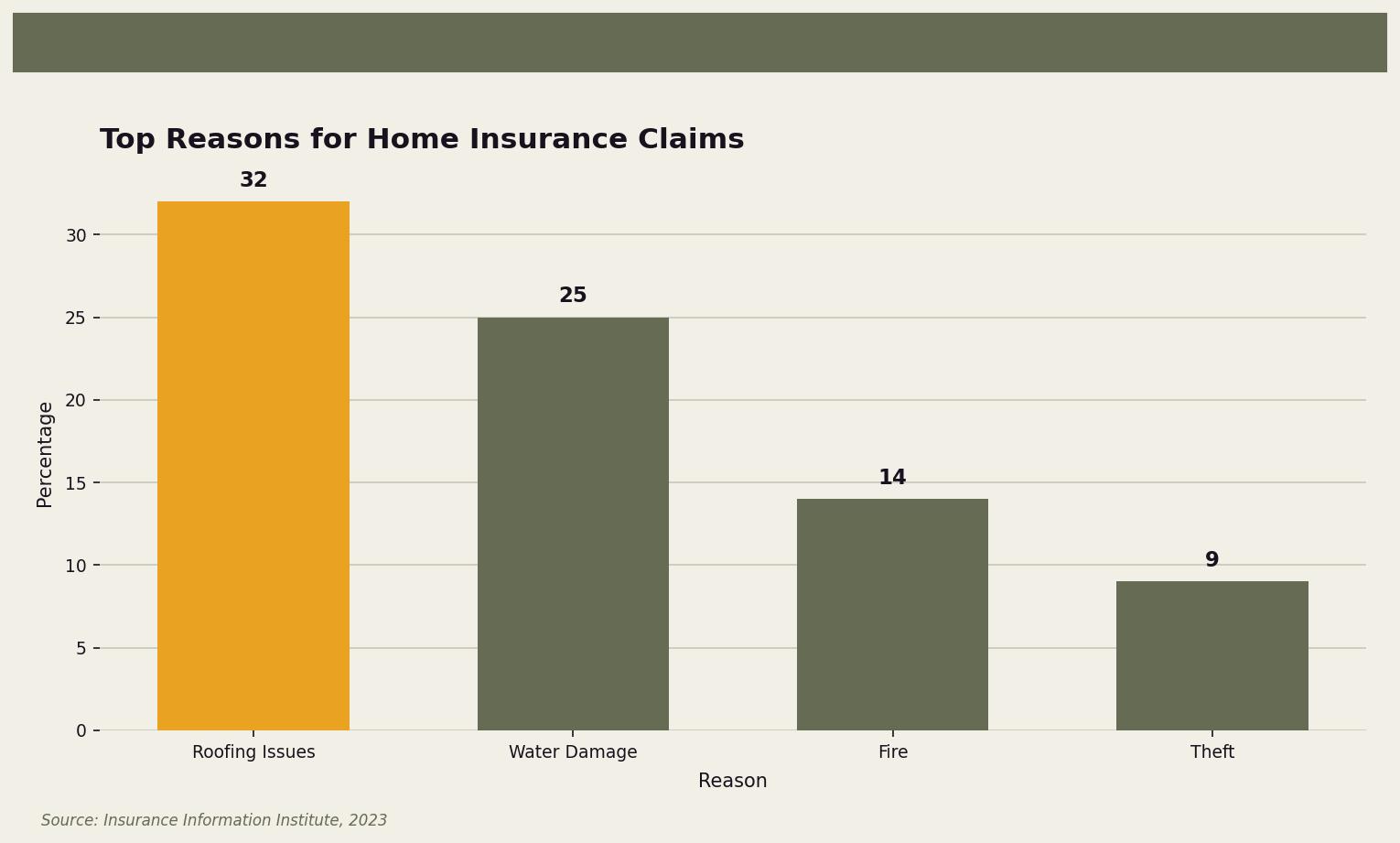
Here’s a number that might make you spit out your coffee: 32% of all homeowners insurance claims in 2023 were roofing-related. That’s nearly one in three claims — and if you’re a Twin Cities homeowner who’s weathered our freeze-thaw cycles, you’re probably not surprised. What might surprise you is how many of those claims could’ve been covered by a warranty… if the homeowner had actually understood what their warranty said.
The problem? Roofing warranties read like they were written by lawyers who get paid by the word. Most folks sign the paperwork, toss it in a drawer, and forget about it until something goes wrong. Then they discover their “lifetime warranty” doesn’t cover what they assumed it would. That’s not peace of mind — that’s a ticking time bomb.
Here’s our promise: by the end of this guide, you’ll know exactly what roofing warranties actually protect, which type you need, and how to make sure yours doesn’t become worthless paper. We’ll break down the real data, share what we’ve learned from years of roof work in Minnesota, and give you a clear action plan. No jargon. No fine print surprises. Just straight talk about protecting your home.
Why Roofing Warranties Actually Matter (And Why Most People Get Them Wrong)
Your roof isn’t just shingles and nails — it’s one of the biggest investments protecting everything you own. When it fails, you’re not just looking at repair costs. You’re dealing with water damage to ceilings, walls, insulation, and sometimes personal belongings. The National Roofing Contractors Association (NRCA) consistently ranks roofing issues among the top reasons for home insurance claims. That 32% figure from the Insurance Information Institute? It’s not a fluke. Roofs take a beating, and when they fail, the bills add up fast.
But here’s where it gets tricky. Most homeowners think they’re covered when they’re not. They assume a “50-year warranty” means 50 years of worry-free protection. In reality, that warranty might only cover manufacturing defects in the shingles themselves — not the installation, not weather damage, not the hundred other things that can go wrong.
The International Association of Certified Home Inspectors (InterNACHI) found that warranty misunderstanding is one of the most common issues they encounter during home inspections. Buyers think they’re getting comprehensive coverage. Sellers think they’re passing along valuable protection. Often, neither party actually knows what the warranty says.
For Twin Cities homeowners specifically, this matters even more. Our climate doesn’t just test roofs — it punishes them. Ice dams in January, hail in June, temperature swings of 60 degrees in a single week. A warranty that works fine in Arizona might have exclusions that make it nearly useless in Minnesota. Understanding what you’re actually covered for isn’t optional here. It’s essential.
Understanding Roofing Warranty Types: What You’re Actually Buying
Manufacturer Warranties: The Material Coverage
When you buy shingles from GAF, CertainTeed, Owens Corning, or any major manufacturer, they come with a warranty. These typically promise coverage for 20 to 50 years, sometimes even “lifetime.” Sounds great, right?
Here’s the catch: manufacturer warranties only cover defects in the materials themselves. If your shingles were made with a flaw — say, the granules start falling off after two years because of a production error — the manufacturer will replace them. But if your shingles fail because they were installed wrong? That’s not their problem. If a branch falls on your roof? Not covered. If Minnesota’s freeze-thaw cycle causes ice dams that lift your shingles? You guessed it — not their problem either.
InterNACHI notes that the vast majority of roofing failures aren’t material defects at all. They’re installation problems, maintenance issues, or weather damage. So that impressive-sounding 50-year manufacturer warranty? It’s protecting you against the least likely cause of failure.
That doesn’t mean manufacturer warranties are worthless. Material defects do happen, and when they do, you want coverage. But thinking your manufacturer warranty is all you need is like thinking your car’s powertrain warranty covers flat tires. It’s one piece of the puzzle, not the whole picture.
Workmanship Warranties: The Installation Coverage
This is where things get real. A workmanship warranty covers errors made during installation — and according to a Better Business Bureau report, poor installation is a leading cause of roofing failures. We’re talking about improper flashing around chimneys, inadequate underlayment, shingles nailed in the wrong spot, or ventilation that wasn’t done right.
Workmanship warranties come from your roofing contractor, not the manufacturer. They typically run 5 to 10 years, though some companies offer longer coverage. The quality of this warranty depends entirely on who’s offering it. A 10-year workmanship warranty from a company that’s been in business for 30 years? That’s solid protection. The same warranty from a storm-chasing crew that’ll be three states away by next spring? That paper might as well be confetti.
Here’s what matters: the company backing the warranty needs to actually be around to honor it. They need to be reachable. They need to stand behind their work without making you jump through hoops. This is why who you hire matters as much as what warranty they offer.
Extended and Enhanced Warranties: The Premium Option
Some manufacturers offer enhanced warranty programs that combine material and workmanship coverage into one package. These usually require the contractor to be certified by the manufacturer and follow specific installation protocols. In exchange, you get broader coverage and often a longer term.
These enhanced warranties can be worth the extra cost, but read the fine print. Some require you to use only that manufacturer’s products for the entire roofing system — underlayment, flashing, ventilation, everything. Others require annual inspections or have specific maintenance requirements. Miss a step, and your coverage could be voided.
Comparing Warranty Value: What Actually Protects You
Short-term vs. Long-term Coverage
A longer warranty isn’t automatically a better warranty. What matters is what’s covered, not just how long it lasts.
That said, warranty length does affect your home’s value. Data from the National Association of Realtors (NAR) shows that homes with long-term warranties are perceived as more valuable by potential buyers. When someone’s deciding between two similar houses, the one with 20 years left on a comprehensive roof warranty has a real advantage over one with no coverage at all.
But here’s the practical reality: most roofing problems show up within the first few years. If your contractor made an installation error, it’ll usually become apparent within the first couple of winters. That’s why a strong 10-year workmanship warranty from a reputable local company often provides more practical protection than a 50-year manufacturer warranty with a dozen exclusions.
Exclusions and Limitations: The Fine Print That Bites
Every warranty has exclusions. Every single one. The question is whether those exclusions leave you exposed to the problems you’re most likely to face.
Common exclusions include:
- Acts of God: Hail, wind, fallen trees, lightning — often excluded from manufacturer warranties entirely
- Improper maintenance: If you haven’t kept your roof clean and maintained, coverage may be voided
- Unauthorized repairs: Had someone else do a quick fix? That might void your original warranty
- Inadequate ventilation: If your attic ventilation doesn’t meet specs, some warranties won’t cover related damage
- Normal wear and tear: Many warranties exclude gradual deterioration over time
The Insurance Institute for Business & Home Safety (IBHS) found that 73% of homeowners don’t inspect their roof until there’s visible damage. That’s a problem, because many warranties require regular inspections and maintenance to stay valid. Skip your annual check, and you might be voiding your coverage without even knowing it.
Minnesota Reality Check: Why Location Changes Everything

Let’s talk about what Twin Cities roofs actually deal with. Our climate isn’t just “cold” — it’s a constant assault on roofing materials.
The freeze-thaw cycle is relentless. Water gets into tiny cracks, freezes, expands, thaws, refreezes. This happens dozens of times every winter. Ice dams form when heat escapes from your attic, melting snow that then refreezes at the eaves. That ice backs up under shingles, causing leaks that might not show up until spring.
Summer brings its own challenges. Severe thunderstorms roll through with hail that can shred shingles in minutes. High winds lift edges and break seals. UV exposure degrades materials faster than you’d think.
The NRCA emphasizes that understanding your warranty’s specifics matters most in extreme climates. A warranty written for mild conditions might have exclusions that apply to nearly every problem Minnesota roofs actually face. When you’re reviewing warranty options, you need to think about:
- Does this cover ice dam damage?
- What’s the wind speed threshold for exclusions?
- How does the warranty handle hail damage?
- Are freeze-thaw related issues covered?
Local contractors who’ve worked in Minnesota for years understand these issues. They know which manufacturers’ warranties actually hold up in our climate and which ones become worthless the first time you file a claim.
Action Plan: Protecting Yourself Before Problems Start
Knowing about warranties is one thing. Actually using that knowledge to protect your home is another. Here’s what to do:
Step 1: Find and review your current warranties. Dig out that paperwork from when your roof was installed. Read it — actually read it. Note the coverage terms, duration, and every exclusion listed. If you can’t find the documents, contact your roofing contractor or the manufacturer to get copies.
Step 2: Understand your coverage gaps. Once you know what’s covered, you’ll see what isn’t. Material defects only? That means installation problems are on you. Weather damage excluded? In Minnesota, that’s a significant gap.
Step 3: Schedule regular inspections. This serves two purposes. First, it keeps your warranty valid if maintenance is required. Second, it catches small problems before they become big ones. Twice a year — spring and fall — is the standard recommendation. After any major storm, do a quick visual check from the ground.
Step 4: Document everything. Keep records of all inspections, repairs, and maintenance. Take photos. Save receipts. If you ever need to file a warranty claim, this documentation is your proof that you held up your end of the deal.
Step 5: Choose your next contractor carefully. If you’re getting a new roof or major repairs, the contractor you choose determines the quality of your workmanship warranty. Look for companies that have been in business locally for years, have verifiable references, and put their warranty terms in writing before work begins.
Ready to Talk About Your Roof?
If you’re a Twin Cities homeowner trying to figure out whether your current warranty actually protects you — or if you’re planning a roof project and want to make sure you get coverage that means something — we’re happy to help. At Owl Roofing, we’ve seen every type of warranty situation you can imagine. The good ones, the worthless ones, and the “I had no idea that wasn’t covered” ones.
We’re a family-owned company based right here in Shoreview. Tim and Bea Brown, Noah and Anya Bergland — real people, real neighbors, not a franchise and definitely not storm chasers passing through. We serve homeowners across the entire Twin Cities metro, and we’ve been doing this long enough to know which warranties actually hold up in Minnesota’s climate.
Give us a call at 651-977-6027 or visit owlroofing.com/ to schedule an inspection or just ask questions. No pressure, no hard sell — just honest answers about what your roof needs and how to protect it.
Protect Your Nest.
📍 Owl Roofing Serves the Entire Twin Cities Metro
Andover · Anoka · Apple Valley · Arden Hills · Big Lake · Blaine · Bloomington · Brooklyn Center · Brooklyn Park · Burnsville · Champlin · Chanhassen · Chaska · Columbia Heights · Coon Rapids · Cottage Grove · Crystal · deephaven · Delano · Eagan · East Bethel · Eden Prairie · Excelsior · Farmington · Forest Lake · Fridley · Golden Valley · Ham Lake · Hastings · Hopkins · Hugo · Inver Grove Heights · Lake Elmo · Lakeville · Lino Lakes · Mahtomedi · Maplewood · Mendota Heights · Minneapolis · Minnetrista · Mound · Mounds View · New Brighton · New Hope · North Oaks · North St. Paul · Oak Grove · Oakdale · Plymouth · Prior Lake · Ramsey · Richfield · Robbinsdale · Rosemount · Roseville · Saint Paul · Savage · Shakopee · Shoreview · South St. Paul · St. Louis Park · St. Michael · St. Paul · Stillwater · Vadnais Heights · Victoria · Waconia · wayzata · West St. Paul · White Bear Lake · woodbury
Licensed Minnesota roofing contractor · Free inspections · 10-year workmanship warranty · Get a free estimate →
