


Main Parts of a Roof Explained in Plain English
 25min Read
 Posted 9.29.2025
Opening Hook: That Thing Between You and a Minnesota Blizzard
Here’s a fun fact that might keep you up tonight: 73% of homeowners never inspect their roof until something’s already gone wrong. That’s like ignoring the check engine light until smoke starts pouring from under the hood. And if you’re living anywhere in the Twin Cities—from Shoreview to Shakopee, Maple Grove to Mendota Heights—your roof is working overtime. We’re talking -20°F windchills in January, 90°F heat domes in July, hail the size of golf balls in spring, and enough snow to make your roof groan like it’s training for a weightlifting competition.
But here’s the thing: most of us couldn’t name more than two or three parts of our roof if our life depended on it. Shingles, sure. Maybe gutters. Beyond that? It’s just “the roof.” That mystery box sitting on top of your house, doing its job until suddenly it isn’t. And when something goes wrong—a leak in the bedroom ceiling, ice dams forming along the edges, a contractor throwing around terms like “fascia” and “flashing”—you’re left nodding along, hoping they’re not about to charge you for something you don’t actually need.
It doesn’t have to be this way. Imagine walking outside after a storm and actually knowing what to look for. Imagine talking to a roofer and understanding every word they say. Imagine catching a small problem before it becomes a $15,000 headache. That’s not fantasy—that’s just being informed. And that’s exactly what we’re going to do in this article: break down every major part of your roof in plain English, no jargon, no fluff. By the time you’re done reading, you’ll know your roof better than most contractors expect you to. Let’s get into it.
Why Understanding Roof Anatomy Actually Matters
Look, we get it. You’ve got a million things to worry about. The kids, the job, whether the Twins will ever win a World Series again. Learning about roof anatomy probably isn’t high on your priority list. But here’s why it should be: your roof is literally the most important protective system your home has. It’s the barrier between your family and everything Minnesota weather throws at you. And the National Roofing Contractors Association (NRCA) has data showing that regular maintenance can extend a roof’s lifespan by up to 50%. That’s potentially turning a 20-year roof into a 30-year roof. That’s tens of thousands of dollars staying in your pocket instead of going to an emergency replacement.
Think about it in practical terms. The average roof in the U.S. lasts somewhere between 20 and 30 years, depending on the materials and how well it’s maintained. But “maintained” is the key word there. A roof that’s neglected, that never gets inspected, that has small problems left to fester—that roof might give you 15 years before it starts failing. And roof failure isn’t gradual. It’s water in your attic. It’s mold growing in your walls. It’s a Saturday morning call to a contractor who knows you’re desperate and prices accordingly.
There’s another angle here too: communication. When you understand your roof’s parts, you can actually have a real conversation with contractors and insurance adjusters. You won’t be the homeowner who just nods and signs whatever’s put in front of them. You’ll be the homeowner who asks, “Is the flashing around the chimney compromised, or is it just the step flashing?” That’s not showing off—that’s protecting yourself. Contractors respect informed homeowners. Insurance adjusters are less likely to lowball someone who clearly knows what they’re talking about.
And if you ever decide to sell your home? Buyers love documentation. A folder showing regular roof inspections, maintenance records, and any repairs done properly can actually increase your home’s value. It signals that you cared for the property, that you weren’t the kind of owner who let things slide. In a competitive Twin Cities market, that stuff matters.
The Foundation: Understanding Your Roof’s Structure

Rafters and Trusses: The Skeleton of Your Roof
Every roof starts with a structure—the bones that hold everything else up. In most homes, this means either rafters or trusses. Rafters are the old-school method: individual boards cut and assembled on-site, forming the slope of your roof. They’re still used in some custom builds and renovations, but they’re labor-intensive and take longer to install.
Trusses, on the other hand, are pre-engineered triangular frames built in a factory and delivered to the construction site ready to install. According to the U.S. Census Bureau, the vast majority of homes in Minnesota are built using trusses because they’re stronger, more consistent, and more cost-effective than hand-cut rafters. They’re designed by engineers to handle specific loads—including the weight of heavy Minnesota snow—and they can span larger distances without needing interior support walls.
Here’s what this means for you as a homeowner: your roof structure is almost certainly trusses, and they’re designed to last the lifetime of your home. That said, they’re not invincible. Water damage, termites, or modifications made without proper engineering (like cutting through a truss to install a ceiling fan—yes, people do this) can compromise their integrity. If you ever notice sagging in your roofline or hear creaking sounds that seem excessive, it’s worth having a professional take a look. Structural problems are rare, but when they happen, they’re serious.
Roof Decking: The Platform Everything Sits On
Once you have your trusses or rafters in place, the next layer is the roof decking—also called sheathing. This is typically large sheets of plywood or oriented strand board (OSB) that get nailed directly to the top of the structure. Think of it as the subfloor of your roof. It creates a solid, flat surface for everything else to attach to.
Most homes in the Twin Cities use OSB because it’s less expensive than plywood and performs well when properly installed. The key word there is “properly.” Decking needs to be installed with the right spacing to allow for expansion and contraction as temperatures change. In Minnesota, where we can see 100-degree temperature swings between summer and winter, this matters. Decking that’s installed too tightly can buckle. Decking that gets wet and isn’t dried properly can rot from the inside out.
When roofers talk about “re-decking” or “replacing bad decking,” this is what they mean. If water has gotten under your shingles over time—from ice dams, failed flashing, or storm damage—the decking underneath might be soft, warped, or rotten. You can’t just slap new shingles over bad decking. It has to be cut out and replaced. This is one of those “hidden costs” that can surprise homeowners during a roof replacement, but a good contractor will identify it during their inspection and include it in the estimate.
The Waterproofing Layers: Underlayment and Flashing
Underlayment: Your Roof’s Secret Bodyguard
Here’s a part of your roof you’ll probably never see, but it’s doing heroic work every single day: the underlayment. This is a water-resistant (or waterproof) barrier that goes directly on top of the decking, underneath your shingles. It’s your roof’s backup plan. If water ever gets past the shingles—from wind-driven rain, ice dams, or damaged areas—the underlayment is there to stop it from reaching the decking and your home’s interior.
There are three main types you’ll encounter. Felt underlayment (also called tar paper) is the old-school option—it’s been used for decades and it works, but it can tear during installation and degrades faster than modern alternatives. Synthetic underlayment is lighter, stronger, and more resistant to moisture. It costs a bit more but lasts longer and provides better protection. Ice and water shield is the heavy-duty option—it’s a self-adhesive membrane that creates a completely waterproof seal. In Minnesota, building codes typically require ice and water shield on the first few feet of your roof (along the eaves) because that’s where ice dams form.
The Insurance Institute for Business & Home Safety (IBHS) specifically recommends ice and water shield membranes for homes in cold climates. If your roof was installed without it, or if it only has felt paper along the edges, you’re more vulnerable to ice dam damage than you need to be. This is something worth asking about during any roof inspection or replacement.
Flashing: The Unsung Hero at Every Seam
Anywhere your roof has a transition, a penetration, or a change in direction, there’s flashing. This is thin metal (usually aluminum or galvanized steel) that’s installed to direct water away from vulnerable areas. You’ll find flashing around chimneys, skylights, vent pipes, and where the roof meets walls. You’ll also find it in valleys—those internal angles where two roof planes meet—and along the edges of the roof.
Flashing fails more often than shingles do. Metal expands and contracts with temperature changes, sealants dry out over time, and the areas flashing protects are exactly the areas most prone to leaks. The NRCA cites improper flashing installation as one of the leading causes of roof leaks. If a contractor cuts corners on flashing—using caulk where metal should be, skipping proper step flashing along walls, or reusing old flashing during a re-roof—you’ll pay for it later.
Here’s a practical tip: after any major storm, take a look at your flashing from the ground (or from a safe vantage point). Look for pieces that seem lifted, bent, or missing. If you can see daylight under the flashing around your chimney, water can get there too. Catching flashing problems early is one of the easiest ways to prevent interior water damage.
The Visible Layer: Roofing Materials You Can See

Shingles: The Face of Your Roof
When most people think about their roof, they’re thinking about the shingles—the outermost layer that gives your roof its color and texture. Shingles come in several materials, each with different costs, lifespans, and performance characteristics.
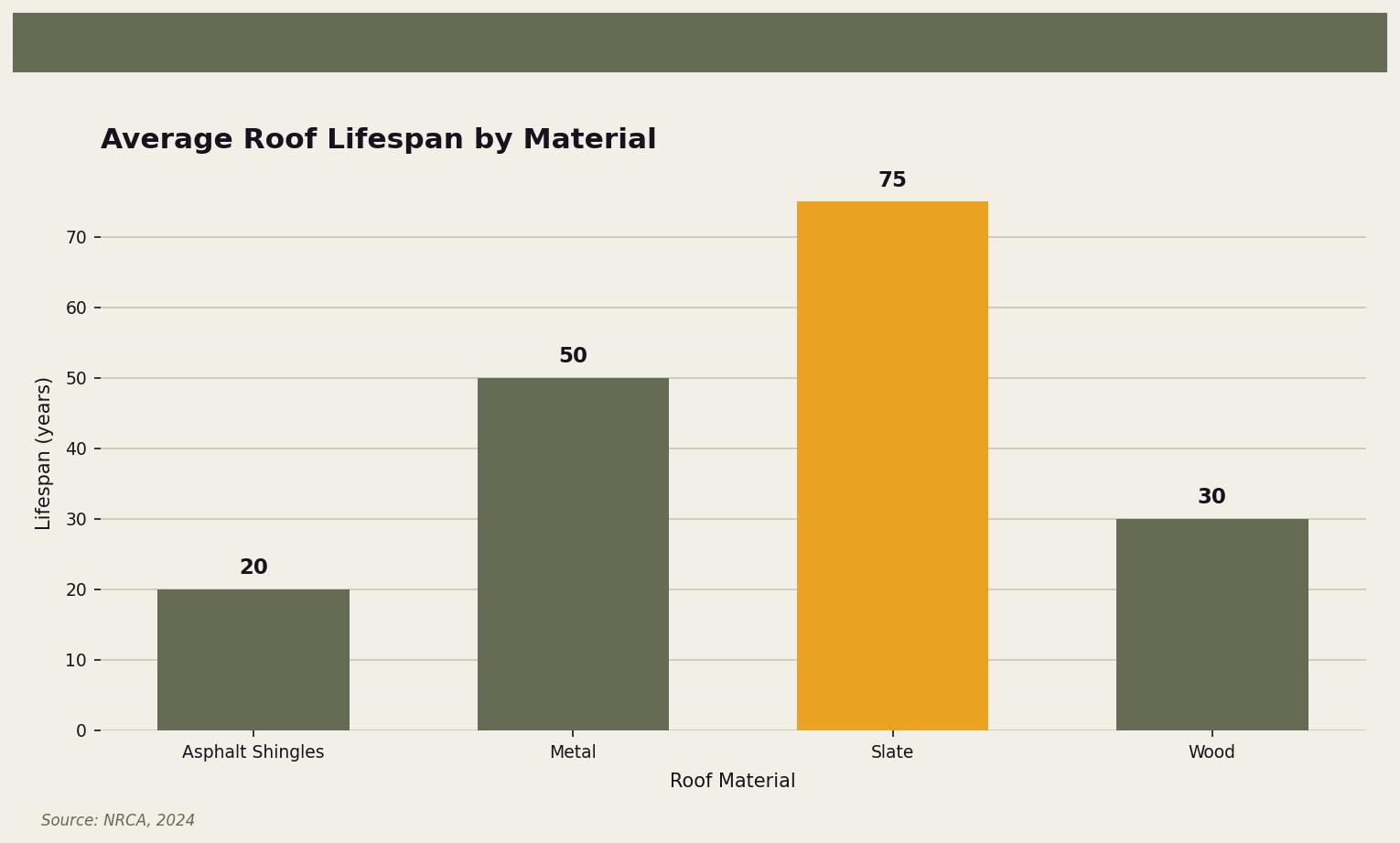
Asphalt shingles are by far the most common choice in the Twin Cities. They’re affordable, easy to install, and come in a huge variety of colors and styles. The National Association of Realtors (NAR) reports that a new asphalt shingle roof can return up to 68% of its cost upon resale—one of the better returns for home improvement projects. Standard three-tab shingles are the budget option, while architectural (dimensional) shingles are thicker, more durable, and give your roof more visual depth. Most asphalt shingles carry warranties of 20-30 years, though actual lifespan depends heavily on installation quality and climate.
Metal roofing has been gaining popularity in Minnesota, and for good reason. It handles snow beautifully—the smooth surface lets snow slide off rather than accumulating—and it’s incredibly durable. A quality metal roof can last 50 years or more. It’s also energy-efficient, reflecting heat in summer and reducing cooling costs. The downside? Higher upfront cost. But if you plan to stay in your home long-term, the math often works out in metal’s favor.
Slate and tile roofs are the luxury options. Slate can last 75 years or more, but it’s heavy (requiring reinforced structure) and expensive. You’ll see slate on some of the historic homes in Minneapolis’s lake districts and St. Paul’s Summit Avenue area. It’s gorgeous, but it’s not practical for most residential applications.
Wood shingles and shakes offer a beautiful, natural look that ages to a distinctive gray. They were common in Minnesota decades ago but have fallen out of favor due to fire concerns and higher maintenance requirements. Some neighborhoods with HOA restrictions still require them for aesthetic consistency.
Gutters and Downspouts: Directing Water Away
Gutters don’t technically sit on your roof, but they’re absolutely part of your roofing system. Their job is simple: collect the water that runs off your roof and direct it away from your foundation. Without gutters, rainwater and snowmelt would pour directly off your roof edges, eroding soil, splashing against your siding, and pooling around your foundation. Over time, this leads to basement flooding, foundation cracks, and landscape damage.
In Minnesota, gutters face a particular challenge: ice. When gutters fill with debris and water freezes inside them, they become incredibly heavy. The weight can pull them away from the fascia, damaging both the gutters and the roof edge. Frozen gutters also contribute to ice dam formation by preventing proper drainage.
The Insurance Information Institute (III) recommends cleaning your gutters at least twice a year—once in late spring after the tree seeds and flowers have fallen, and once in late fall after the leaves have dropped. If you have a lot of trees near your house, you might need to clean them more often. Gutter guards can help reduce debris accumulation, though they’re not maintenance-free solutions—they still need periodic inspection and cleaning.
Soffit and Fascia: More Than Just Trim
Walk outside and look up at your roof’s overhang—the part that extends past your exterior walls. The horizontal underside of that overhang is the soffit. The vertical board at the end, where your gutters attach, is the fascia. They look decorative, but both serve important functional purposes.
The soffit is typically vented, allowing air to flow into your attic. This ventilation is crucial for preventing moisture buildup and regulating attic temperature. Without proper soffit ventilation, warm air gets trapped in your attic during winter, melting snow on your roof from below and creating ice dams. In summer, trapped heat makes your air conditioning work harder and can prematurely age your shingles from underneath.
The fascia provides a mounting surface for your gutters and protects the ends of your roof rafters or trusses from weather exposure. It’s one of the first places to show water damage because it’s constantly exposed to runoff from the roof. Peeling paint, soft spots, or visible rot on your fascia boards are signs that water is getting where it shouldn’t—and it’s time to investigate further.
Minnesota-Specific Challenges Your Roof Faces
Living in the Twin Cities means your roof deals with conditions that roofs in, say, Phoenix or Miami never have to think about. Understanding these challenges helps you know what to watch for and how to prepare.
Ice dams are public enemy number one for Minnesota roofs. Here’s how they form: heat escapes from your living space into the attic, warming the roof deck. Snow on the roof melts from below and runs down toward the eaves—the coldest part of the roof because it extends past the heated house. The water refreezes there, forming a ridge of ice. As more snow melts, water backs up behind this ice dam and can seep under shingles, through the roof deck, and into your home.
The IBHS recommends a multi-pronged approach to ice dam prevention: proper attic insulation (to keep heat in your living space), adequate ventilation (to keep the attic cold), and ice and water shield membrane along the eaves. If you’re seeing ice dams every winter, it’s a sign that something in this system isn’t working properly. Raking snow off the lower portion of your roof after big storms can help, but it’s treating the symptom rather than the cause.
Snow load is another concern. The Minnesota Department of Labor and Industry has specific requirements for roof structures to handle our snow loads, but older homes may have been built to different standards. If you notice your roofline sagging after heavy snowfall, or if doors and windows seem to stick when there’s a lot of snow on the roof, these could be signs that your structure is stressed. Removing snow from the roof—carefully, or by hiring professionals—may be necessary after particularly heavy storms.
Freeze-thaw cycles affect every part of your roof. Water gets into tiny cracks, freezes and expands, making the cracks bigger. Then it thaws, and the cycle repeats. Over a Minnesota winter, this can happen dozens of times. Shingles become brittle. Flashing seals fail. Caulk cracks. This is why spring inspections are so important—you’re looking for all the damage that winter inflicted.
Summer storms bring their own challenges. Hail can dent metal roofing, crack shingles, and damage flashing. High winds can lift shingle edges, break seals, and tear off entire sections. The Twin Cities sits right in the path of severe weather systems moving across the plains. If your area gets hit by a significant hailstorm, it’s worth having your roof inspected even if you don’t see obvious damage from the ground.
Common Mistakes and Misconceptions Homeowners Make
“My roof looks fine from the ground, so it must be fine.” This is the most common and most dangerous assumption. Many roof problems aren’t visible from ground level. Cracked shingles, failing flashing, clogged vents, and damaged underlayment can all exist without obvious signs from the street. That 73% statistic we mentioned earlier—homeowners who don’t inspect until there’s visible damage—often means water damage visible inside the house, which means the problem has been developing for months or years.
“All roofing materials are basically the same.” They’re definitely not. Choosing the right material for your specific situation matters. A heavily shaded roof needs different considerations than one with full sun exposure. A roof with multiple valleys and dormers has different vulnerability points than a simple gable roof. What works great in California might fail prematurely in Minnesota. A good contractor will help you choose materials suited to your specific home and our specific climate.
“I can skip attic ventilation to save on heating costs.” This backfires spectacularly. Yes, sealing your attic tight might save a few dollars in heating costs in the short term. But it also traps moisture, accelerates rot in your decking and structure, and virtually guarantees ice dam problems. The U.S. Department of Energy emphasizes that proper ventilation actually saves money long-term by preventing damage and improving HVAC efficiency.
“The cheapest bid is the best value.” Roofing is one area where you truly get what you pay for. That dramatically lower bid might mean inferior materials, skipped steps, inexperienced crews, or a “company” that won’t exist when problems develop next year. This doesn’t mean you should accept the highest bid either—but understand what you’re getting before you commit. A detailed, itemized estimate from a reputable local company is worth far more than a vague lowball number from a crew that showed up at your door after a storm.
“Roof warranties cover everything.” Read the fine print. Manufacturer warranties on shingles often have extensive exclusions and require professional installation to remain valid. Workmanship warranties from contractors vary wildly in what they actually cover and how long they last. Some “lifetime” warranties are prorated to become nearly worthless after a few years. Understand exactly what’s covered before you consider yourself protected.
Your Roof Maintenance Action Plan
Knowing the parts of your roof is valuable, but knowledge without action doesn’t protect your home. Here’s a practical plan for keeping your roof healthy:
- Schedule biannual inspections. Once in spring (after winter damage has occurred) and once in fall (before winter arrives). You can do a visual inspection yourself from the ground and from inside your attic, but having a professional on the roof every few years catches things you can’t see. The NRCA recommends professional inspections every 2-3 years for roofs less than 10 years old, and annually for older roofs.
- Clean your gutters religiously. At minimum, twice a year—late spring and late fall. If you have overhanging trees, add a mid-summer cleaning. While you’re up there (or while your gutter cleaner is), check for sagging, loose hangers, and any signs of rust or damage.
- Monitor for ice dams in winter. Large icicles hanging from your gutters are a warning sign. If you can safely access your roof or hire someone to do so, removing the first few feet of snow from the eaves after major storms reduces ice dam formation. Never try to chip ice off your roof—you’ll damage the shingles.
- Inspect after every major storm. High winds and hail cause damage that may not be obvious immediately. Walk around your property after severe weather, looking for shingles on the ground, visible damage to flashing or vents, and any new debris in your gutters.
- Check your attic regularly. Twice a year, poke your head into your attic with a flashlight. Look for daylight coming through (there shouldn’t be any), water stains on the underside of the decking, signs of mold or mildew, and adequate insulation that isn’t compressed or displaced. Your attic tells the story of your roof’s health.
- Keep trees trimmed. Branches rubbing on your roof damage shingles. Overhanging limbs drop debris in your gutters and can fall during storms. Keep branches at least 10 feet from your roof surface.
- Document everything. Keep records of all inspections, maintenance, and repairs. Take photos. Save receipts. This documentation protects you with insurance claims and adds value if you ever sell your home.
Twin Cities Storm Record, Community by Community
Local weather is the real test for any roof, siding or window choice. HailTrace, the storm-mapping service roofers and insurance adjusters rely on, has logged storm days since 2011 when hail of 0.75 inch or larger, or winds of 60 mph or more, crossed the center of each community below. The average is about 22 per community.
Damaging storm days at the center of each community, 2011 to 2026. Source: HailTrace event history, pulled November 2026.
| Community | Storm days | Hail days | Largest hail |
|---|---|---|---|
| Edina | 27 | 19 | 1.75″ (August 9, 2020) |
| Minneapolis | 26 | 22 | 2.5″ (August 11, 2023) |
| Arden Hills | 24 | 19 | 1.25″ (June 19, 2026) |
| Roseville | 23 | 18 | 1.75″ (June 19, 2026) |
| Eagan | 23 | 18 | 1.75″ (August 6, 2013) |
| New Brighton | 22 | 16 | 1.25″ (June 19, 2026) |
| Plymouth | 22 | 16 | 1.75″ (August 11, 2023) |
| Shoreview | 21 | 15 | 1.5″ (May 15, 2017) |
| White Bear Lake | 21 | 15 | 1.25″ (May 19, 2022) |
| Maple Grove | 21 | 16 | 2.5″ (August 5, 2019) |
| Bloomington | 21 | 15 | 2″ (August 6, 2013) |
| Lakeville | 21 | 16 | 2.5″ (May 7, 2014) |
| Fridley | 20 | 15 | 1.5″ (August 5, 2019) |
| Woodbury | 20 | 14 | 1.75″ (May 19, 2022) |
| Saint Paul | 19 | 13 | 1.75″ (May 19, 2022) |
| Blaine | 15 | 13 | 3″ (July 26, 2019) |
July 27 and 28, 2025 hit almost everyone
Back-to-back storms on July 27 and 28, 2025 brought 71 to 73 mph winds across most of the north metro. If your roof was on the house that week and nobody has looked at it, it’s worth a free inspection.
Not sure what your roof has been through? Book a free inspection and we’ll document what we find with photos either way.
Ready to Stop Wondering and Start Knowing?
Here’s the bottom line: your roof is working hard for you every single day. Through January cold snaps and July heat waves, through spring hailstorms and fall rains, it’s up there doing its job. The least you can do is understand what it’s made of, how it works, and what it needs to keep protecting your family.
You don’t need to become a roofing expert. But knowing the difference between decking and underlayment, understanding why flashing matters, recognizing the early signs of ice dams—this basic knowledge puts you ahead of 90% of homeowners. It helps you maintain your roof properly, communicate effectively with contractors, and catch small problems before they become big ones.
If you’re in the Twin Cities and you’ve been putting off a roof inspection—or if you’ve noticed something concerning and want a professional opinion—we’d love to help. We’re Owl Roofing, a family-owned company right here in Shoreview. Tim and Bea Brown, Noah and Anya Bergland—real people, your actual neighbors, with over 15 years of combined experience taking care of roofs in this area. We’re not a franchise with a corporate script. We’re not storm chasers who show up after hail and disappear six months later. We live here. We work here. We’ve seen every type of roof damage Minnesota can dish out, and we’ve fixed it properly.
When you call us, we’ll look at your roof, tell you exactly what it needs—honestly and in plain English—and get it done right. No pressure, no games, no mysterious line items you can’t understand. Just straightforward roofing from people who care about their reputation because we’re going to run into you at Cub Foods or see you at the Shoreview Community Center.
Give us a call at 651-977-6027 or visit owlroofing.com/ to schedule an inspection. We serve Shoreview and the entire Twin Cities metro area—Minneapolis, St. Paul, and everything in between. Your roof works hard for you. Let’s make sure it can keep doing that for years to come.
Protect Your Nest.
📍 Owl Roofing Serves the Entire Twin Cities Metro
Andover · Anoka · Apple Valley · Arden Hills · Big Lake · Blaine · Bloomington · Brooklyn Center · Brooklyn Park · Burnsville · Champlin · Chanhassen · Chaska · Columbia Heights · Coon Rapids · Cottage Grove · Crystal · deephaven · Delano · Eagan · East Bethel · Eden Prairie · Excelsior · Farmington · Forest Lake · Fridley · Golden Valley · Ham Lake · Hastings · Hopkins · Hugo · Inver Grove Heights · Lake Elmo · Lakeville · Lino Lakes · Mahtomedi · Maplewood · Mendota Heights · Minneapolis · Minnetrista · Mound · Mounds View · New Brighton · New Hope · North Oaks · North St. Paul · Oak Grove · Oakdale · Plymouth · Prior Lake · Ramsey · Richfield · Robbinsdale · Rosemount · Roseville · Saint Paul · Savage · Shakopee · Shoreview · South St. Paul · St. Louis Park · St. Michael · St. Paul · Stillwater · Vadnais Heights · Victoria · Waconia · wayzata · West St. Paul · White Bear Lake · woodbury
Licensed Minnesota roofing contractor · Free inspections · 10-year workmanship warranty · Get a free estimate →
Where These Numbers Come From
- Owl Roofing job records: all Twin Cities projects in our CRM for the 2026 season. Prices are signed contract values for roof-only replacements, excluding insurance jobs. We don’t share addresses or customer details.
- HailTrace: storm event history at the center of each listed Twin Cities community, 2011 to 2026, counting hail of 0.75 inch or larger and winds of 60 mph or more. Pulled November 2026.
