


Roof Decking Explained What It Is and When It Fails
 19min Read
 Posted 10.01.2025
Roof Decking Explained: What It Is and When It Fails
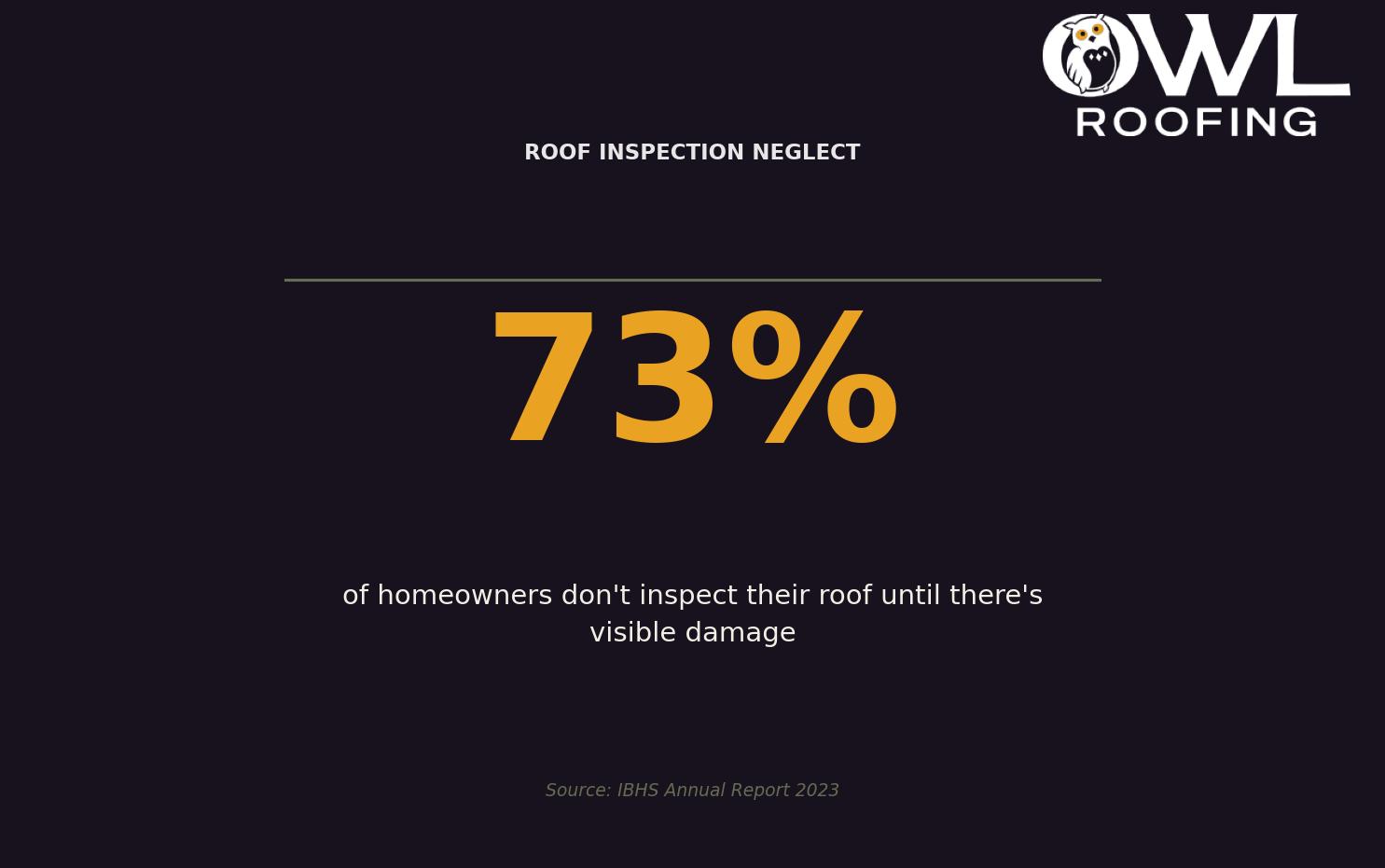
Here’s a number that might make you wince: 73% of Minnesota homeowners never inspect their roof until something’s already leaking into their living room. By then, that slow drip through a failed section of roof decking has probably been silently rotting away for months—maybe years. If you’ve ever walked into your attic and noticed a soft, spongy spot underfoot, or seen mysterious water stains bloom across your ceiling after a spring thaw, there’s a good chance your roof decking is waving a white flag.
So what exactly is this thing called roof decking, and why should you care about it before it becomes an expensive emergency? Let’s dig in—because understanding this hidden layer of your home could save you thousands of dollars and a whole lot of stress down the road.
Why This Matters to Twin Cities Homeowners
Roof decking isn’t exactly the glamorous part of homeownership. Nobody brags about their sheathing at neighborhood barbecues. But here’s the thing: without solid roof decking, everything else on your roof—the shingles, the underlayment, the flashing—is basically decoration sitting on a crumbling foundation. It’s like putting a brand-new paint job on a car with a rusted-out frame. Looks great until you hit a pothole.
For homeowners in the Twin Cities, this matters more than it might in, say, San Diego. Our climate is brutal on building materials. We get arctic cold snaps that send temperatures plummeting to -20°F, followed by January thaws that create melting snow and ice. Then spring arrives with its torrential rains, and summer brings heat and humidity that would make a Louisiana swamp proud. Your roof decking endures every single one of these extremes, year after year.
According to the National Roofing Contractors Association (NRCA), a well-maintained roof can last 20 to 30 years. But here’s the catch: that lifespan assumes your roof decking is in good shape. Neglect the decking, and you might be looking at a full roof replacement a decade ahead of schedule. We’ve seen homes in Shoreview, Roseville, and across the northern suburbs where the shingles looked perfectly fine from the street, but the decking underneath had turned into something resembling wet cardboard.
There’s also the money angle to consider. Insurance industry reports reveal that most homeowners don’t think about their roof until water’s actively dripping onto their hardwood floors. By that point, you’re not just replacing decking—you’re also dealing with damaged insulation, potential mold remediation, ruined drywall, and maybe even structural repairs to your rafters or trusses. A $2,000 decking repair can balloon into a $15,000 disaster if you wait too long.
And if you’re thinking about selling your home someday? Buyers—and their home inspectors—absolutely notice roof condition. According to the National Association of Realtors, homes with well-maintained roofs command higher sale prices and spend less time on the market. Nobody wants to buy someone else’s roofing problems.
Core Explanation: What Is Roof Decking?
The Backbone of Your Roof
Roof decking—also called roof sheathing—is the layer of material that sits on top of your roof’s structural framing (the rafters or trusses) and beneath all the waterproofing layers you can see from outside. Think of it as the subfloor of your roof. Just like you can’t lay hardwood directly on floor joists, you can’t attach shingles directly to rafters. You need that solid, flat surface in between.
The decking does several critical jobs simultaneously. First, it provides a nailing surface for your roofing materials. Shingles, underlayment, and flashing all attach to the decking, and those connections need to be rock-solid to survive Minnesota’s notorious windstorms. Second, the decking distributes weight evenly across your roof structure. Without it, the load from snow, ice, roofing materials, and the occasional adventurous squirrel would concentrate on individual rafters, creating stress points that could lead to cracking or even collapse.
Third—and this is often overlooked—roof decking plays a role in your home’s overall rigidity. It acts as a structural diaphragm, helping your home resist lateral forces from high winds. During a severe thunderstorm or winter blizzard, your decking is part of what keeps your entire house from racking or shifting. Pretty important stuff for a component most homeowners have never actually seen.
Material Matters: Plywood vs. OSB
Walk into any lumber yard in the Twin Cities, and you’ll find two main options for roof decking: plywood and Oriented Strand Board (OSB). Both work. Both are code-approved. But they’re not identical, and understanding the differences can help you make smarter choices during a roof replacement or repair.
Plywood is made from thin layers of wood veneer glued together with the grain of each layer running perpendicular to the one below it. This cross-grain construction gives plywood excellent strength and dimensional stability. It handles moisture better than OSB—when plywood gets wet, it tends to dry out relatively evenly without permanent swelling. The downside? Plywood costs more, typically 15-25% more than OSB, and availability can vary.
OSB (Oriented Strand Board) is manufactured from wood strands (essentially large wood chips) arranged in layers and bonded together with adhesive under heat and pressure. It’s denser and more uniform than plywood, with no knotholes or voids. OSB has become the dominant choice for roof decking nationwide—according to the Engineered Wood Association, it accounts for about 70% of all roof decking installations in the U.S. The reason? Cost-effectiveness and consistent quality.
However, OSB has a weakness that’s particularly relevant in Minnesota: it doesn’t handle prolonged moisture exposure as well as plywood. When OSB gets wet and stays wet, the edges can swell permanently—a phenomenon roofers sometimes call “edge swell.” Once that happens, you’ve got an uneven surface that can telegraph through your shingles and create problems with water drainage.
For most Twin Cities homes, either material will perform well as long as it’s properly installed with adequate ventilation and waterproofing. But if you’re building new or doing a full deck replacement and have some budget flexibility, plywood’s moisture resilience offers an edge in our climate. If OSB is the better fit for your budget, just make sure your roofer pays extra attention to ventilation and uses quality underlayment to protect against moisture infiltration.
Deep Dive: When Roof Decking Fails
Signs of Deterioration
Roof decking rarely fails dramatically. There’s usually no loud crack or sudden collapse to announce the problem. Instead, decking deterioration tends to be slow, sneaky, and easy to miss—until it’s not. Knowing what to look for can help you catch issues early, before they spiral into major repairs.
Sagging or wavy roof lines: Stand across the street from your house and look at your roofline. It should be straight and uniform. If you notice dips, waves, or areas where the roof surface seems to sag between rafters, that’s a red flag. Healthy decking holds its shape. Compromised decking starts to give under the weight of roofing materials and accumulated snow.
Soft spots underfoot: If you can safely access your attic, walk carefully across the decking (stepping on rafters when possible). Solid decking feels firm and stable. Decking that’s begun to rot or delaminate will feel spongy, soft, or bouncy—like walking on a floor that’s started to give way. This is one of the clearest warning signs that you’ve got a moisture problem.
Daylight through the roof boards: While you’re in the attic, turn off any lights and look up at the underside of the decking. You shouldn’t see any pinpricks of daylight coming through. If you do, it means there are gaps, cracks, or holes that are letting in water, air, and potentially pests.
Water stains on ceilings and walls: This one’s often the first sign homeowners notice, but it’s actually a late-stage symptom. By the time water is reaching your living space, it’s already passed through the decking, insulation, and possibly into your wall cavities. Don’t ignore water stains. Get your roof inspected immediately.
Musty odors in the attic: That distinctive mildew smell? It’s mold or mold-precursor fungi feeding on damp wood. If your attic smells musty, there’s moisture getting trapped somewhere—and there’s a good chance your decking is the victim.
Shingles that appear misaligned or buckled: When decking starts to warp or rot, the shingles attached to it follow suit. If your shingles look wavy, buckled, or seem to be lifting at the edges for no obvious reason, the underlying decking may be the culprit.
Causes of Roof Decking Failure
Decking doesn’t fail randomly. There’s always a reason—usually one of these:
Prolonged moisture exposure: This is the big one. Wood and water don’t mix, at least not over the long term. When decking stays wet—whether from a slow leak, ice dam backup, or condensation—it begins to rot. The wood fibers break down, losing strength and structural integrity. In Minnesota, ice dams are a particularly common cause of moisture damage. When heat escaping from your attic melts snow on the roof, that water runs down and refreezes at the eaves, creating a dam that backs water up under your shingles and onto your decking.
Poor attic ventilation: Your attic needs to breathe. Proper ventilation allows warm, moist air to escape before it condenses on the underside of your cold roof decking. Without adequate ventilation—or if vents get blocked by insulation, debris, or bird nests—moisture gets trapped. Over time, this leads to condensation, rot, and decking failure. According to the Insurance Institute for Business & Home Safety (IBHS), poor ventilation is one of the leading causes of roof decking issues nationwide.
Improperly installed flashing: Flashing is the metal (or sometimes synthetic) material that seals transitions and penetrations in your roof—around chimneys, vents, skylights, and at valleys where roof planes meet. When flashing is installed incorrectly, water finds its way underneath and soaks into the decking. This is especially common around older chimneys and in roof valleys, where water volume is concentrated.
Pest infestations: Termites, carpenter ants, and even squirrels can damage roof decking. Termites eat wood from the inside out, leaving decking that looks fine but crumbles when touched. Carpenter ants don’t eat wood, but they excavate galleries to nest in, weakening the structure. Squirrels gnaw entry holes that let in water and create pathways for further damage.
Age and wear: Even well-maintained decking eventually reaches the end of its lifespan. In Minnesota’s demanding climate, you can typically expect roof decking to last 25-40 years, depending on materials, installation quality, and how well the rest of the roof has protected it. If your home is approaching that age range and you’ve never replaced the decking, it’s worth having a professional inspection.
Minnesota and Twin Cities Specific Considerations

Living in the Twin Cities means your roof takes a beating that homeowners in milder climates can’t even imagine. Understanding our specific challenges helps you make better decisions about materials, maintenance, and repairs.
The freeze-thaw cycle: This is Minnesota’s signature roof-destroyer. Throughout late winter and early spring, temperatures swing above and below freezing constantly. Any moisture that’s found its way into your decking freezes, expands (water expands about 9% when it freezes), and cracks the wood fibers. Then it thaws, soaks deeper, refreezes, and expands again. This cycle can turn a small problem into a big one in a single season.
Ice dams: Every Minnesota homeowner has heard of ice dams, but few fully understand the damage they cause to decking. When ice dams form at your eaves, water backs up under your shingles and sits there—sometimes for weeks at a time during a cold snap. That standing water soaks into your decking, saturating it. Even if the decking dries out come spring, the damage is often done. Repeat this process for a few winters, and you’ve got rot.
Snow load: The Twin Cities average about 54 inches of snow per year, and some winters bring considerably more. That snow weight adds stress to your decking. A roof designed to code handles this just fine, but decking that’s already compromised by moisture or age may struggle. We’ve seen cases in the northern suburbs where heavy, wet spring snow pushed weakened decking past its limits.
Temperature extremes: From -30°F in January to 95°F in July, your roof decking experiences a temperature swing of over 120 degrees. Materials expand and contract with these changes. Over decades, this constant movement can loosen fasteners, open gaps, and stress wood fibers.
Local building code requirements: Minnesota building codes account for our climate. They typically require roof decking to be at least 7/16″ thick for residential construction (with 15/32″ or 1/2″ being common upgrades). They also specify fastener schedules, edge support requirements, and ventilation minimums. When you’re replacing decking, make sure your contractor is following current code—some older homes in Shoreview, Arden Hills, and other established neighborhoods have original decking that wouldn’t meet today’s standards.
Common Mistakes and Misconceptions Homeowners Make
Over the years, we’ve seen homeowners make the same mistakes again and again when it comes to roof decking. Here’s what to avoid:
“My shingles look fine, so my roof must be fine.” This is probably the most dangerous misconception. Your shingles are the visible layer, but they’re not the whole story. We’ve inspected roofs where the shingles were only five years old and looked great, but the decking underneath was rotted to the point of being dangerous. Shingles can mask serious problems—they’re designed to shed water, but if water’s getting in through failed flashing, poor ventilation, or ice dam backup, the decking suffers while the shingles still look presentable.
Delaying repairs to save money. Nobody wants to spend money on their roof. We get it. But delaying necessary decking repairs is almost always more expensive in the long run. A localized decking replacement might cost a few hundred to a couple thousand dollars. Wait until that rot spreads, and you’re looking at full deck replacement, potential structural repairs, insulation replacement, mold remediation, and interior repairs. The math isn’t complicated: fix it early, pay less.
DIY roof inspections only from the ground. Walking around your house and looking up at your roof is better than nothing, but it won’t catch decking problems. You can’t see the decking from the ground, and many of the warning signs (soft spots, moisture damage, mold growth) are only visible from the attic or by lifting shingles. At minimum, get into your attic once or twice a year with a flashlight. Better yet, have a professional conduct a thorough inspection.
Ignoring attic ventilation. Many homeowners don’t think about ventilation until there’s a problem. We’ve seen well-meaning folks block soffit vents with insulation during weatherization projects, or unknowingly cover ridge vents during re-roofing. This creates a moisture trap that accelerates decking decay. Make sure your ventilation system is working properly—intake vents at the soffits, exhaust vents at the ridge, and a clear airflow path between them.
Choosing the cheapest contractor. When it’s time for roof decking replacement, the lowest bid isn’t always the best value. Decking installation requires skill: proper fastening patterns, correct spacing for expansion, appropriate moisture barriers, and attention to ventilation. Cut-rate contractors cut corners. Those corners often include the hidden stuff—like decking—that you won’t notice until problems emerge years later.
Step-by-Step Action Plan for Homeowners
Step 1: Schedule Regular Professional Inspections
Don’t wait for a leak to think about your roof. Schedule professional inspections at least twice a year—once in spring after the snow melts and the full extent of winter’s damage is visible, and once in fall before winter sets in. A qualified inspector will check the decking from the attic, look for proper ventilation, examine flashing details, and identify potential problems before they become expensive emergencies. In the Twin Cities, post-winter inspections are especially important to catch ice dam damage early.
Step 2: Address Minor Issues Promptly
If an inspection reveals problems—small leaks, loose flashing, isolated soft spots—address them immediately. These issues only get worse with time. A small roof deck repair in June is infinitely preferable to a major roof deck repair in February when water’s actively leaking into your home. Prompt action also prevents moisture damage from spreading to larger areas of decking.
Step 3: Ensure Proper Attic Ventilation
Check that your attic has adequate ventilation and that all vents are unobstructed. You should have intake vents (usually at the soffits) and exhaust vents (typically at the ridge or near the roof peak). The rule of thumb is 1 square foot of net free vent area for every 150 square feet of attic floor space. If your attic feels unusually hot in summer or you notice frost on the underside of the decking in winter, ventilation is likely inadequate.
Step 4: Invest in Quality Materials When Replacing
When it’s time for roof decking replacement—whether partial or full—invest in quality materials appropriate for Minnesota’s climate. Consider thicker panels (1/2″ or 5/8″ rather than the minimum 7/16″), higher-grade plywood or OSB with better moisture resistance, and proper H-clips between panels to prevent edge deflection. The upfront cost difference is modest compared to the extended lifespan and reduced risk of problems.
Step 5: Work With Experienced Professionals
Roofing work is dangerous and technically demanding. A misstep on a sloped roof can cause serious injury. Improper installation can cause problems that don’t show up for years. Professional roofers have the equipment, training, and experience to do the job safely and correctly. They also typically offer warranties that protect your investment. Unless you have genuine roofing experience, this isn’t a DIY project.
Conclusion: Protect Your Home Before Problems Start
Your roof decking works hard every single day—handling snow loads, enduring temperature swings, and keeping water out of your home. It’s not glamorous, and it’s not visible, but it’s absolutely essential. When decking fails, everything above it becomes compromised, and everything below it becomes vulnerable to water damage, mold, and structural problems.
The good news? Decking problems are preventable and, when caught early, manageable. Regular inspections, prompt repairs, proper ventilation, and quality materials all contribute to a roof that lasts decades rather than years. Pay attention to the warning signs, don’t delay necessary repairs, and work with professionals who understand Minnesota’s unique challenges.
If you’re concerned about your roof decking—or if it’s been a while since anyone’s taken a close look at your roof—we’d be happy to help. At Owl Roofing, we’re a family-owned company right here in Shoreview, serving neighbors throughout the Twin Cities. Tim and Bea Brown and Noah and Anya Bergland founded this company because we believe homeowners deserve straight answers and honest work. We’ve seen every type of roof decking situation Minnesota winters can create: ice dam damage, ventilation failures, aging materials that have simply reached the end of their lifespan. We look at your roof, tell you exactly what it needs, and get it done right—no pressure, no runaround, no surprises.
Whether you need a routine inspection, suspect you might have decking issues, or know it’s time for repairs, give us a call at 651-977-6027 or visit us at owlroofing.com/. We’re your neighbors, and we’re here to help you protect your home for the long haul. Because that’s what good neighbors do.
Protect Your Nest.
📍 Owl Roofing Serves the Entire Twin Cities Metro
Andover · Anoka · Apple Valley · Arden Hills · Big Lake · Blaine · Bloomington · Brooklyn Center · Brooklyn Park · Burnsville · Champlin · Chanhassen · Chaska · Columbia Heights · Coon Rapids · Cottage Grove · Crystal · deephaven · Delano · Eagan · East Bethel · Eden Prairie · Excelsior · Farmington · Forest Lake · Fridley · Golden Valley · Ham Lake · Hastings · Hopkins · Hugo · Inver Grove Heights · Lake Elmo · Lakeville · Lino Lakes · Mahtomedi · Maplewood · Mendota Heights · Minneapolis · Minnetrista · Mound · Mounds View · New Brighton · New Hope · North Oaks · North St. Paul · Oak Grove · Oakdale · Plymouth · Prior Lake · Ramsey · Richfield · Robbinsdale · Rosemount · Roseville · Saint Paul · Savage · Shakopee · Shoreview · South St. Paul · St. Louis Park · St. Michael · St. Paul · Stillwater · Vadnais Heights · Victoria · Waconia · wayzata · West St. Paul · White Bear Lake · woodbury
Licensed Minnesota roofing contractor · Free inspections · 10-year workmanship warranty · Get a free estimate →
