




Roof Maintenance Tips That Extend Roof Life
 12min Read
 Posted 10.22.2025
Roof Maintenance Tips That Extend Roof Life
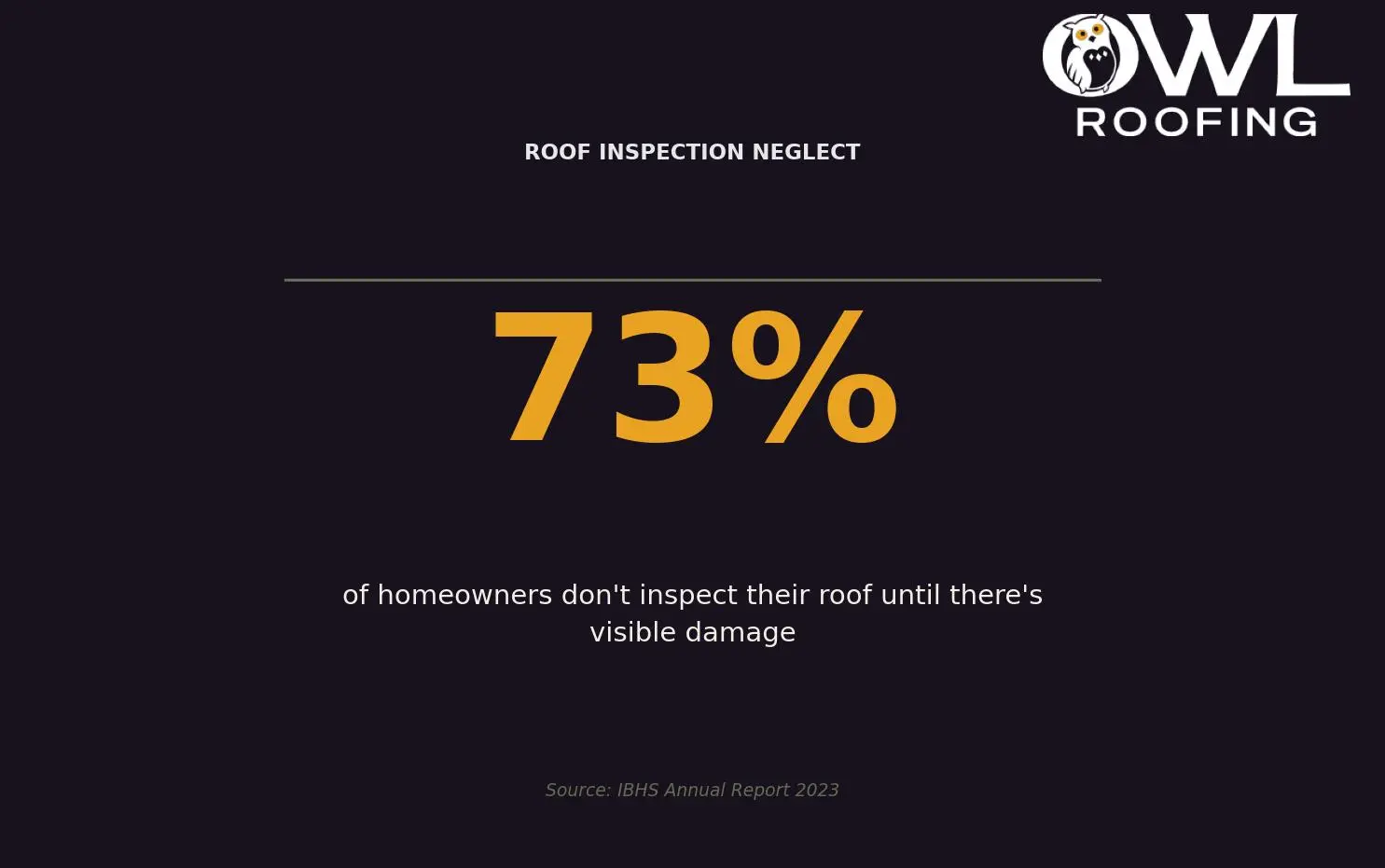
Here’s a number that might make you wince: 73% of Twin Cities homeowners don’t look at their roof until water’s already dripping through the ceiling. By then, that “small fix” has snowballed into a $3,000 problem—or worse. The good news? A little attention now can add decades to your roof’s life and keep your repair budget where it belongs: in your pocket.
We get it. Roof maintenance isn’t exactly thrilling. Nobody’s posting their gutter-cleaning routine on Instagram. But here’s the thing: your roof is literally the only thing standing between your family and Minnesota’s mood swings—blizzards in January, hailstorms in July, and that weird week in April when we get both. Let’s walk through exactly how to keep it in fighting shape.
The Situation: Why Twin Cities Roofs Take a Beating
Living in Shoreview, Roseville, or anywhere in the metro means your roof endures conditions that would make roofs in milder climates weep. We’re talking about:
- Freeze-thaw cycles that turn tiny cracks into gaping wounds
- Ice dams that back water up under your shingles
- Heavy snow loads that stress your roof’s structure (the Minnesota Department of Commerce recommends removing snow when it exceeds 12 inches)
- Summer storms that whip hail and debris at your shingles like they’re target practice
- Temperature swings of 50+ degrees in a single week, causing materials to expand and contract repeatedly
This constant assault means Minnesota roofs work harder than most. And like anything that works hard, they need regular care to keep performing.
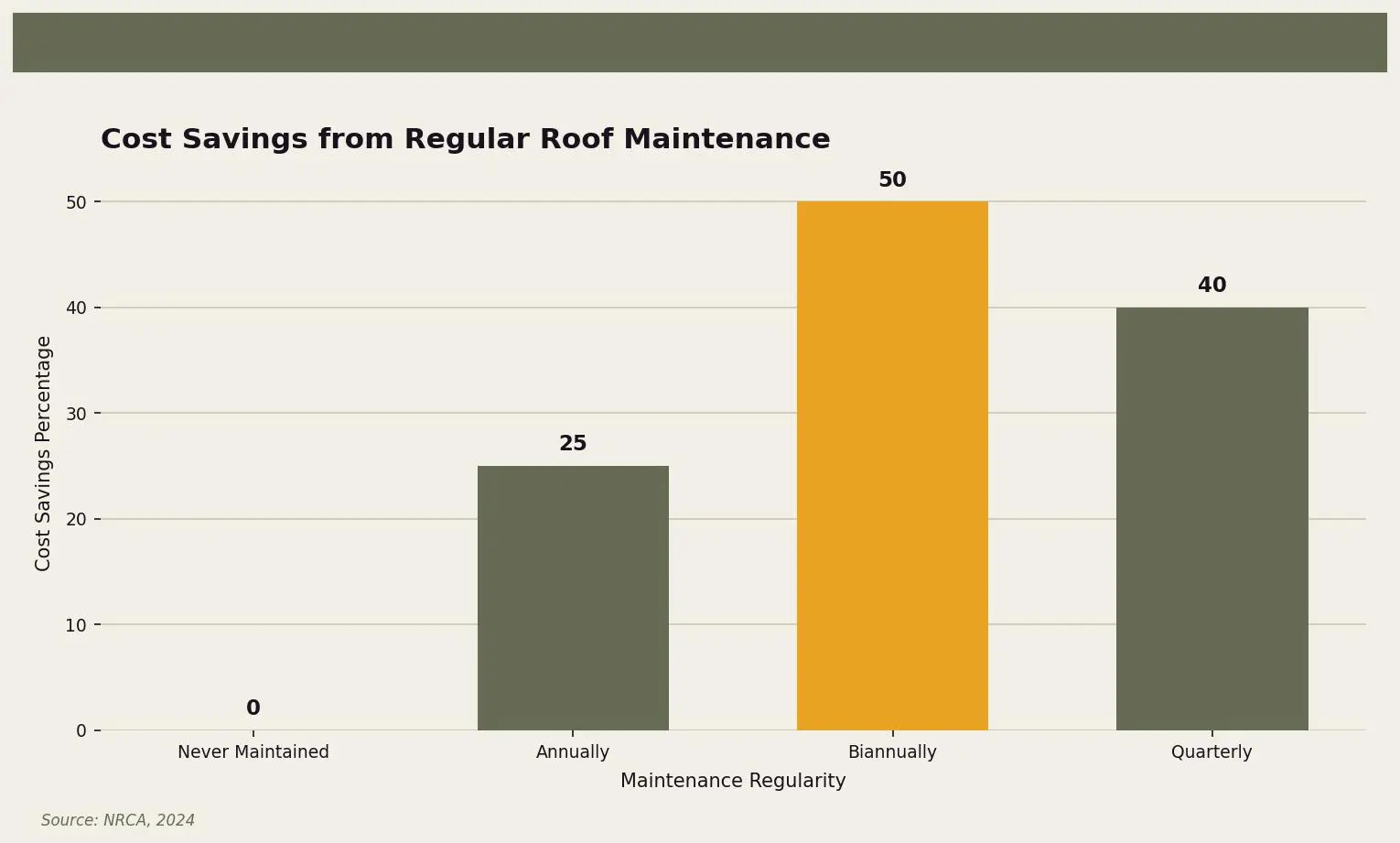
Here’s the real kicker though: the National Roofing Contractors Association (NRCA) reports that regular maintenance can extend a roof’s life by up to 50%. Fifty percent. On a roof that costs $5,000 to $10,000 to replace, that’s serious money you’re either saving or throwing away—depending on whether you’re willing to climb a ladder twice a year (or hire someone who will).
The Task: What Roof Maintenance Actually Means
Let’s clear something up. Roof maintenance isn’t about becoming a shingle expert or spending your weekends on a ladder with a caulk gun. It’s simpler than that.
The Basics, Demystified
Roof maintenance boils down to three things:
- Looking — Regular visual inspections to catch problems early
- Clearing — Keeping gutters, valleys, and surfaces free of debris
- Fixing — Addressing small issues before they become big ones
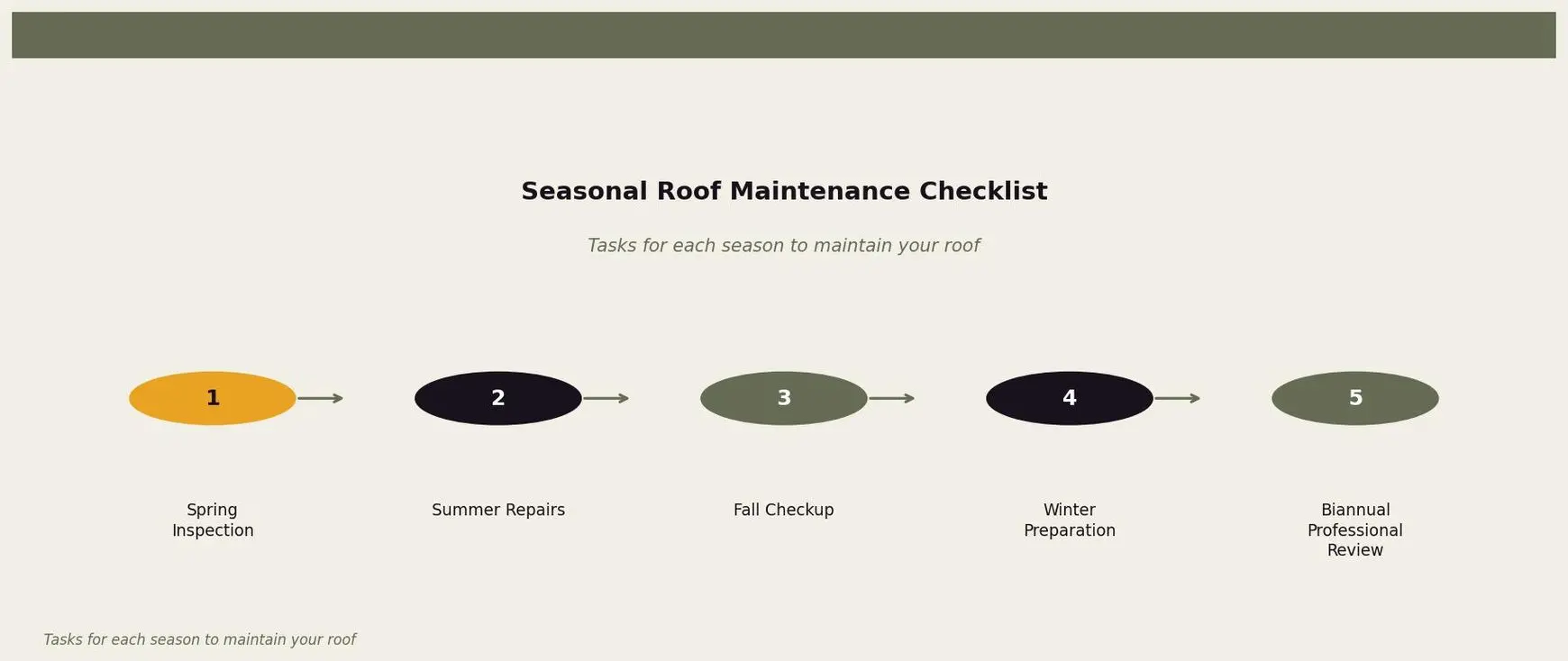
According to the NRCA, a comprehensive check should happen at least twice a year—once in fall before winter hits, and once in spring after the snow melts. That’s it. Two afternoons a year to potentially save thousands.
What You’re Actually Looking For
Grab some binoculars and take a walk around your house. You don’t need to climb up there for a basic inspection. Here’s your checklist:
- Shingles: Are any missing, curled, cracked, or buckling? Do you see bare spots where granules have worn away?
- Flashing: Check around chimneys, vents, and skylights. Is the metal still sealed tight, or do you see gaps?
- Gutters: Are they sagging, pulling away from the house, or overflowing with debris?
- Overall shape: Does your roofline look straight, or is there visible sagging anywhere?
- Attic check: Pop your head up there. See any daylight coming through? Feel unusual moisture or spot any mold?
If something looks off, that’s your cue to call in a pro. The Insurance Institute for Business & Home Safety (IBHS) found that addressing small issues before they escalate can reduce repair costs by up to 40%. That cracked flashing you ignore today becomes the water-damaged ceiling you pay for next spring.
The Action: Your Season-by-Season Game Plan
Minnesota’s seasons each bring their own roof challenges. Here’s how to stay ahead of every one of them.
Spring: The Post-Winter Assessment
Once the last snowbank finally melts (usually around Mother’s Day, let’s be honest), it’s time for your most important inspection of the year. Winter doesn’t mess around, and neither should you.
Your spring checklist:
- Look for ice dam damage—staining on exterior walls, lifted shingles near the eaves, or damaged gutters
- Check for shingles that winter winds ripped loose or displaced
- Inspect flashing around chimneys and vents for gaps created by freeze-thaw cycles
- Clear any remaining debris from gutters and downspouts
- Check your attic for signs of moisture intrusion or mold growth
This is also the perfect time to schedule a professional inspection. Fresh eyes catch things you might miss, especially after a brutal winter.
Summer: Repair Season
Warm, dry weather is your friend when it comes to roof repairs. Shingles seal better in heat, caulk cures properly, and nobody’s fighting frostbite on a ladder.
Summer priorities:
- Schedule any repairs identified during your spring inspection
- Reseal flashing and boots around vents if needed
- Trim back tree branches that hang over your roof (falling limbs and accumulated debris are enemies)
- Check attic ventilation—proper airflow prevents heat buildup that can prematurely age shingles
- After any major storms, do a quick visual scan for hail or wind damage
Pro tip: if a summer storm rolls through with hail, walk your yard first. If you see pockmarks on your air conditioning unit, dents in your car, or damaged siding, your roof probably took hits too.
Fall: Prep for Battle
This is it—your last chance to shore up defenses before Minnesota winter arrives. Don’t skip this one.
Fall must-dos:
- Clean gutters thoroughly. Clogged gutters are the number one cause of ice dams.
- Inspect shingles and replace any that are damaged or missing
- Check that attic insulation is adequate and evenly distributed (this prevents warm spots that melt snow unevenly and create ice dams)
- Ensure attic ventilation is unobstructed
- Consider installing heat cables along eaves if you’ve had ice dam problems in the past
The goal is simple: go into winter with a roof that’s as healthy as possible, gutters that drain freely, and an attic that stays cold and dry.
Winter: Monitor and Manage
Your main job in winter is keeping an eye on things and managing snow load.
Winter watch points:
- Monitor snow accumulation—if it exceeds 12 inches, consider removing it with a roof rake (from the ground, please)
- Watch for ice dam formation along eaves
- Check for icicles—large ones can indicate drainage problems
- After heavy storms, do a visual check from the ground
- Keep an eye on your attic for any signs of moisture or frost on the underside of the roof deck
Never, ever climb on a snowy or icy roof. If you see something concerning, call a professional who has the equipment and experience to work safely in winter conditions.
Your Roof Material Matters
Different roofing materials have different maintenance needs. Here’s how to adjust your approach based on what’s over your head.
Asphalt Shingles
The most common roofing material in Minnesota, and for good reason—they’re affordable, durable, and handle our climate well. But they’re not maintenance-free.
Watch for: Granule loss (check your gutters for accumulation), curling edges, cracked or missing shingles, and algae growth on north-facing slopes. Asphalt shingles typically last 20-30 years with proper care.
Metal Roofing
Metal roofs are gaining popularity for their longevity and low maintenance needs. But “low maintenance” doesn’t mean “no maintenance.”
Watch for: Loose or popped fasteners, corrosion or rust spots (especially at cut edges or scratches), and sealant failure around penetrations. Check that panels haven’t shifted or buckled due to thermal expansion. Well-maintained metal roofs can last 50+ years.
Cedar Shakes
Beautiful and distinctive, but they demand more attention than other materials.
Watch for: Cracking, splitting, or curling shakes. Moss and algae growth (common in shaded areas). Signs of rot or soft spots. Cedar needs regular treatment with preservatives and may require more frequent professional attention. With diligent care, cedar can last 30-40 years.
The Result: What Proper Maintenance Gets You
Let’s talk about what you actually gain from putting in this effort.
Money Saved
We mentioned that regular maintenance can extend roof life by 50%. On a $7,500 roof replacement, that’s potentially $3,750 worth of additional life you’re squeezing out of your existing roof. Plus, the IBHS data showing 40% lower repair costs means you’re spending less along the way. The National Association of Realtors (NAR) also suggests that professional maintenance can increase a home’s resale value by up to 20%. When it’s time to sell, a well-documented maintenance history tells buyers your home has been cared for.
Problems Caught Early
That small crack in your flashing? Fixed for $150 during a routine inspection. Left alone for two years? Now it’s a rotted roof deck, damaged insulation, and a mold problem—easily $3,000 or more. Maintenance isn’t about preventing every problem. It’s about catching problems while they’re still small and cheap to fix.
Peace of Mind
There’s something to be said for sitting in your living room during a thunderstorm and not worrying about whether the ceiling is about to start dripping. You know your roof is solid. You know it’s been inspected. You know what condition it’s in. That confidence is worth something.
Longer Intervals Between Big Expenses
Nobody wants to replace their roof. It’s expensive, disruptive, and not exactly how you dreamed of spending your home improvement budget. Regular maintenance pushes that day further into the future—potentially by a decade or more.
When to Call a Professional
Some roof maintenance you can handle yourself. Some you shouldn’t.
DIY-friendly tasks:
- Ground-level visual inspections with binoculars
- Gutter cleaning (if you’re comfortable on a ladder)
- Trimming back tree branches
- Attic inspections for moisture or daylight
- Monitoring snow accumulation
Call a pro for:
- Comprehensive biannual inspections (especially if your roof is older than 10 years)
- Any actual repairs—shingle replacement, flashing work, sealant application
- Post-storm damage assessments
- Ice dam removal
- Anything that requires walking on the roof
A professional inspection typically costs $150-$400, depending on roof size and complexity. That’s a small price for expert eyes and the documentation that comes with it.
Start Today: Your Maintenance Checklist
Ready to get started? Here’s your immediate action plan:
- Mark your calendar — Schedule inspections for the first week of April and the first week of October. Set reminders now so you don’t forget.
- Do a ground-level walkthrough this week — Take 15 minutes with binoculars and your phone camera. Document what you see.
- Check your gutters — If they’re full of debris, clean them out or schedule someone to do it.
- Pop into your attic — Look for daylight, moisture, or anything that seems off.
- Create a roof file — Start keeping records of inspections, repairs, and any professional work. Future you (or future buyers) will thank you.
That’s it. No complicated systems. No expensive equipment. Just consistent attention that pays off in a roof that lasts longer, performs better, and costs less over time.
Protect Your Nest
If all this inspection talk has you thinking it’s time for a professional set of eyes on your roof, we’d be happy to help. At Owl Roofing, we’ve seen every type of roof challenge Minnesota can throw at a home—ice dams that turned attics into skating rinks, hail damage that looked like golf ball practice, and neglected maintenance that turned small fixes into full replacements. We’re based right here in Shoreview and serve homeowners throughout the Twin Cities.
We’ll take a thorough look at your roof, tell you exactly what it needs (and what it doesn’t), and help you put together a maintenance plan that makes sense for your home and your budget. No pressure, no scare tactics—just honest advice from neighbors who happen to know roofs inside and out.
Give us a call at 651-977-6027 or visit owlroofing.com/ to schedule an inspection. Let’s make sure your roof is ready for whatever Minnesota throws at it next.
📍 Owl Roofing Serves the Entire Twin Cities Metro
Andover · Anoka · Apple Valley · Arden Hills · Big Lake · Blaine · Bloomington · Brooklyn Center · Brooklyn Park · Burnsville · Champlin · Chanhassen · Chaska · Columbia Heights · Coon Rapids · Cottage Grove · Crystal · deephaven · Delano · Eagan · East Bethel · Eden Prairie · Excelsior · Farmington · Forest Lake · Fridley · Golden Valley · Ham Lake · Hastings · Hopkins · Hugo · Inver Grove Heights · Lake Elmo · Lakeville · Lino Lakes · Mahtomedi · Maplewood · Mendota Heights · Minneapolis · Minnetrista · Mound · Mounds View · New Brighton · New Hope · North Oaks · North St. Paul · Oak Grove · Oakdale · Plymouth · Prior Lake · Ramsey · Richfield · Robbinsdale · Rosemount · Roseville · Saint Paul · Savage · Shakopee · Shoreview · South St. Paul · St. Louis Park · St. Michael · St. Paul · Stillwater · Vadnais Heights · Victoria · Waconia · wayzata · West St. Paul · White Bear Lake · woodbury
Licensed Minnesota roofing contractor · Free inspections · 10-year workmanship warranty · Get a free estimate →
