


Roofing Trends Homeowners Should Know
 13min Read
 Posted 1.18.2026
Roofing Trends Homeowners Should Know

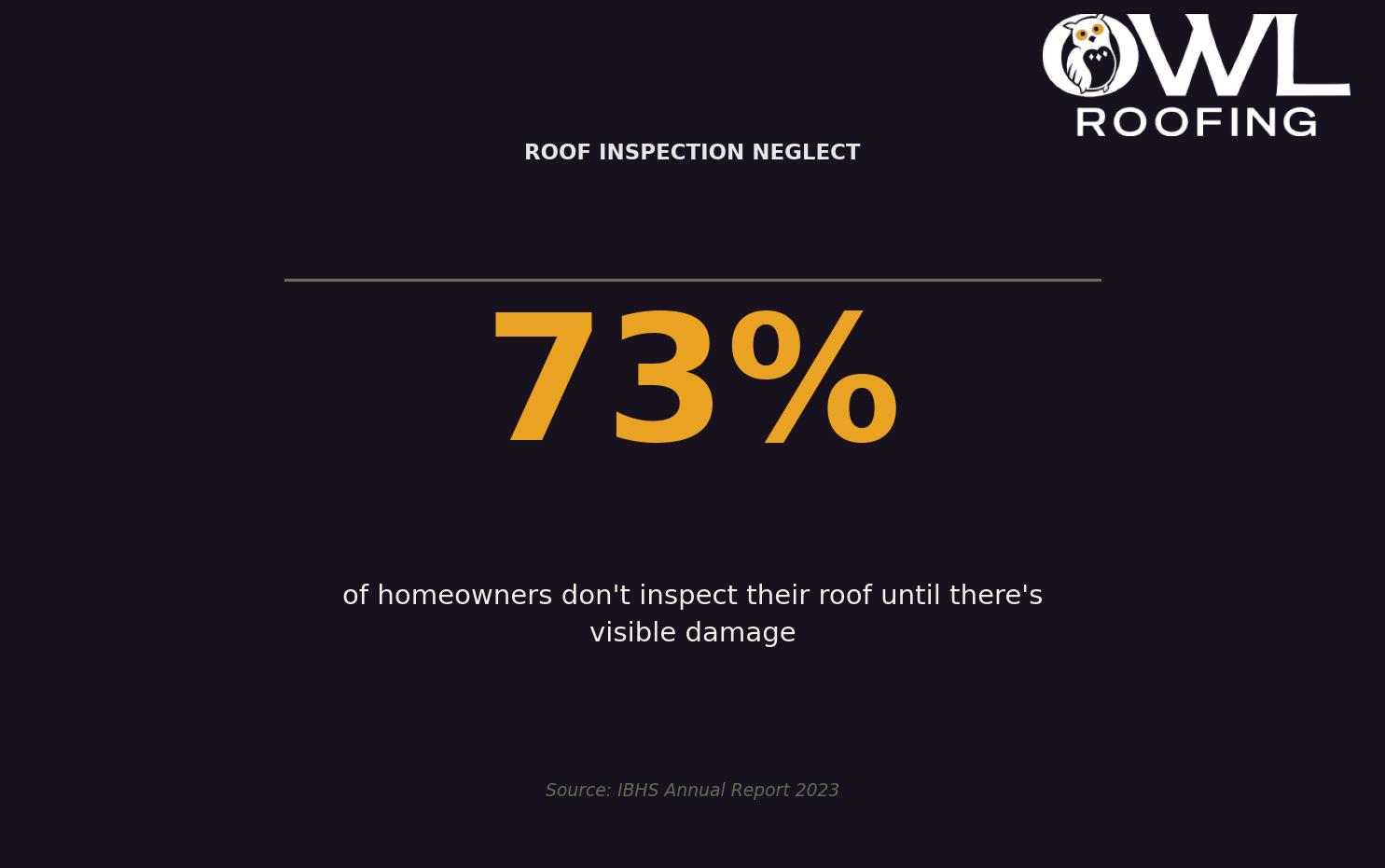
Here’s a number that might make you look up: 73% of homeowners don’t inspect their roof until they see visible damage. By then? You’re often looking at repairs that cost three to five times what prevention would have. If you’ve owned a home in the Twin Cities for more than a few winters, you know our climate doesn’t give roofs any breaks—and waiting until water’s dripping into your living room is an expensive gamble.
The good news: roofing has come a long way. The trends shaping 2024 aren’t just about making your house look good (though they do that too). They’re about building smarter, lasting longer, and actually saving money over time. We’re talking materials that laugh at our freeze-thaw cycles, technology that tells you there’s a problem before it becomes a disaster, and options that can bump up your property value while cutting your energy bills.
Let’s break down what’s actually worth your attention—and what makes sense for a Minnesota home.
Why Your Roof Deserves More Attention Than It Gets
Most of us don’t think about our roofs until something goes wrong. Out of sight, out of mind, right? But here’s the thing: according to the National Roofing Contractors Association (NRCA), nearly 40% of your home’s exterior is roof. That’s not a small component—it’s a massive shield between your family and everything Minnesota weather throws at us.
And the Insurance Institute for Business & Home Safety (IBHS) puts it bluntly: roofs are the most vulnerable part of any home during severe weather events. Hail, wind, heavy snow, ice dams—we get all of it here. A roof that’s behind the times isn’t just an eyesore; it’s a liability waiting to happen.
The flip side? A well-chosen, well-maintained roof does more than keep rain out. It regulates your home’s temperature, affects your energy bills, and plays a surprisingly big role in your property value. Understanding what’s new in roofing isn’t about chasing fads—it’s about making decisions that protect your investment and keep your home comfortable for decades.
Sustainable Roofing Materials: Good for the Planet, Great for Your Wallet
Why Eco-Friendly Is Taking Over
One of the biggest shifts in roofing? Homeowners are done with the “replace it every 15 years” cycle. Sustainable materials—recycled shingles, reclaimed metal, even solar tiles—are moving from niche to mainstream. And it’s not just because people want to feel good about their choices (though that’s part of it).
The numbers tell the real story. According to the National Association of Realtors (NAR), homes with solar roofing see an average property value increase of 4%. That’s not pocket change on a Twin Cities home. And with federal tax incentives, state rebates, and local programs still in play, the upfront cost of going green is more manageable than it used to be.
Beyond the financial perks, sustainable roofing materials often perform better in extreme conditions. Recycled metal roofing, for example, handles our heavy snow loads without flinching. And solar tiles? They’re generating electricity while protecting your home—double duty that traditional asphalt just can’t match.
What This Looks Like in Practice
You don’t have to go full “off-grid homestead” to benefit from sustainable roofing. Even choosing shingles made from recycled materials or opting for lighter colors that reflect heat counts. The key is matching the material to your home’s needs, your budget, and your long-term plans. A good contractor will walk you through options without pushing you toward the most expensive choice.
Cool Roof Technology: Beating the Heat (Yes, Even in Minnesota)
Wait, We Need Cool Roofs Here?
When people hear “cool roof,” they often think of Arizona or Texas—places where summer heat is relentless. But Twin Cities homeowners know our summers can get brutal too. July and August bring stretches of 90°+ days, and traditional dark roofing soaks up that heat like a sponge.
Cool roofs are designed to reflect more sunlight and absorb less heat than standard materials. The U.S. Department of Energy reports that cool roofs can reduce roof surface temperatures by up to 50°F. That’s a massive difference when you’re trying to keep your upstairs bedrooms livable without running the AC around the clock.
How It Works
Cool roof technology comes in several forms:
- Reflective coatings that can be applied to existing roofs
- Specially designed shingles with reflective granules
- Metal roofing with reflective finishes
- Single-ply membranes for flat or low-slope roofs
The best part? You don’t have to sacrifice style. Cool roofing materials now come in a wide range of colors and profiles, so you’re not stuck with a blindingly white roof that looks out of place in your neighborhood. You get the energy savings without the aesthetic compromise.
Asphalt Shingles vs. Metal Roofing: The Great Debate
The Case for Asphalt
Let’s be honest: asphalt shingles aren’t going anywhere. They’re affordable, they come in practically every color and style you can imagine, and most contractors can install them in their sleep. For homeowners on a tighter budget or those planning to sell within the next decade, asphalt often makes the most sense.
Modern asphalt shingles have also improved significantly. Architectural shingles (the thicker, more dimensional ones) offer better wind resistance and a longer lifespan than the flat three-tab shingles your parents’ house probably had. They’re not as durable as metal, but they’re a solid, reliable choice that won’t break the bank.
The Case for Metal
Metal roofing used to be something you’d see on barns and industrial buildings. Now? It’s one of the fastest-growing segments in residential roofing, and for good reason.
According to the Metal Roofing Alliance, a properly installed metal roof can last over 50 years—that’s two to three times longer than most asphalt shingle roofs. Metal also reduces cooling costs by up to 25%, handles heavy snow loads without issue, and sheds ice and snow more easily than textured shingles (a real plus when you’re dealing with Minnesota winters and the threat of ice dams).
The catch? Higher upfront cost. Metal roofing typically runs 2-3 times the price of asphalt. But when you factor in longevity, lower maintenance, and energy savings, the math often works out in metal’s favor—especially if you’re planning to stay in your home long-term.
So Which One Should You Pick?
There’s no universal answer. It depends on your budget, your timeline, and your priorities. A contractor who knows Twin Cities homes can help you weigh the options honestly—no pressure, just facts about what makes sense for your situation.
Smart Roof Technology: Your Roof, But Smarter
What Are Smart Roofs?
This is where roofing gets genuinely exciting. Smart roofs use sensors embedded in the roofing system to monitor conditions in real-time. Temperature, moisture levels, structural stress—these sensors track it all and send alerts to your phone or computer when something needs attention.
Think of it like a check-engine light for your roof. Instead of waiting until you notice a water stain on the ceiling (which means the damage is already done), you get a heads-up when moisture levels spike or when a section of roofing starts showing stress. Early intervention means smaller repairs and way lower costs.
Why This Matters in Minnesota
Remember that IBHS stat about 73% of homeowners not inspecting their roofs until there’s visible damage? In Minnesota, that’s especially risky. Our freeze-thaw cycles are brutal on roofing materials. Water seeps into tiny cracks, freezes, expands, and makes those cracks bigger. Repeat that process a few dozen times over a single winter, and you’ve got a serious problem brewing.
Smart roof technology catches these issues early. A sensor detects unusual moisture in a specific area, you get an alert, and a contractor can address it before it becomes a major leak. It’s the difference between a $300 repair and a $3,000 one.
Is It Worth the Investment?
Smart roof systems aren’t cheap, and they’re not necessary for every home. But if you have a larger home, a complex roofline, or you just want the peace of mind that comes with real-time monitoring, it’s worth exploring. The technology is improving fast, and costs are coming down as more contractors get trained on installation.
What Twin Cities Homeowners Need to Think About
National roofing trends are great, but let’s talk about what actually matters for homes in Shoreview, Roseville, Maple Grove, and everywhere else in the metro.
Snow Load and Ice Dams
Heavy snow is a fact of life here. Your roof needs to handle the weight without issue, and it needs to be designed to minimize ice dam formation. Metal roofs with snow guards are excellent for this—they shed snow gradually instead of letting it pile up and melt unevenly. Proper insulation and ventilation are also critical; a cold roof (where the attic stays close to outdoor temperatures) prevents the uneven melting that causes ice dams in the first place.
Freeze-Thaw Durability
Any roofing material you choose needs to handle our temperature swings. We can go from 40°F to 10°F in a single day, and that repeated expansion and contraction takes a toll. Materials rated for cold climates—and installed by contractors who understand proper underlayment and flashing techniques—will last significantly longer than generic solutions.
Local Codes and Requirements
The City of Shoreview (and most Twin Cities municipalities) has specific building codes addressing insulation, ventilation, and structural requirements for roofing. These aren’t arbitrary hoops to jump through—they’re based on what actually works in our climate. A contractor familiar with local codes will make sure your roof meets or exceeds these standards, which matters for both performance and resale value.
Your Action Plan: What to Do Next
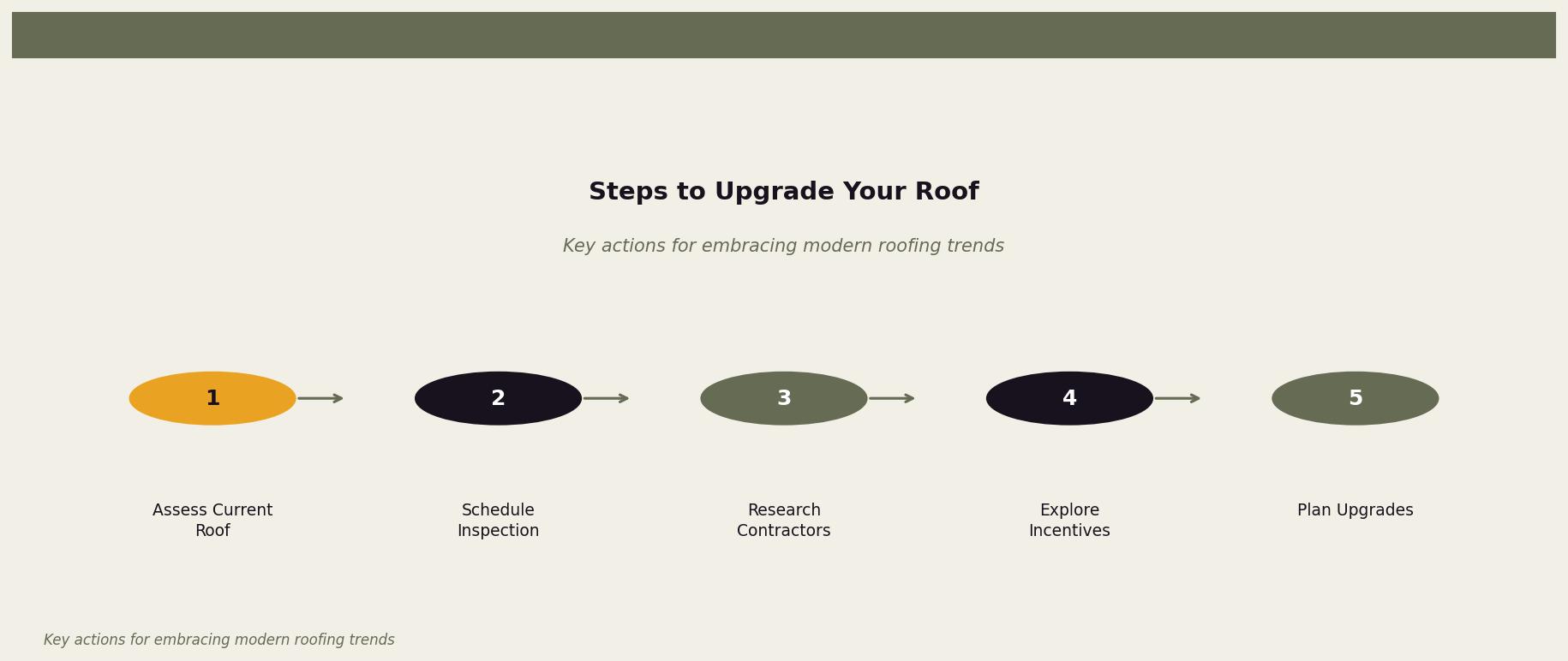
Ready to put this information to work? Here’s a practical roadmap:
1. Assess Your Current Roof
How old is it? Have you noticed any issues—missing shingles, granules in your gutters, water stains inside? Even if everything looks fine from the ground, a roof that’s 15+ years old deserves a closer look.
2. Schedule a Professional Inspection
Don’t wait for visible damage. A thorough inspection can identify problems you’d never spot yourself—worn flashing, early signs of moisture intrusion, ventilation issues. This is especially important after harsh winters or significant storms.
3. Research Your Options
Think about what matters most to you. Longevity? Energy efficiency? Upfront cost? Aesthetics? There’s no single “best” roofing material—just the best one for your specific situation and priorities.
4. Find a Contractor Who Gets Minnesota
National franchises and storm chasers might offer low prices, but they often don’t understand the specific demands of our climate. Look for local contractors with real experience in the Twin Cities—people who’ll still be around if you have questions or issues five years from now.
5. Explore Incentives
If you’re considering solar roofing or other energy-efficient upgrades, check current federal tax credits and any Minnesota-specific rebates. These programs change, so get up-to-date information before making decisions.
6. Plan for the Long Term
A roof is a significant investment. Think beyond the next few years—what will your home need a decade from now? Sometimes spending a bit more upfront saves substantially over time.
Let’s Talk About Your Roof
If you’ve made it this far, you’re clearly someone who takes home maintenance seriously—and that’s exactly the kind of homeowner we love working with. At Owl Roofing, we’re a family-owned crew based right here in Shoreview, serving neighbors across the Twin Cities. Tim, Bea, Noah, and Anya have seen every roofing trend come and go, and we know which ones actually make sense for Minnesota homes.
We’re not storm chasers who’ll disappear after your check clears. We’re not a franchise reading from a script. We’re your neighbors, and we’ll look at your roof, tell you exactly what it needs, and get it done right—no pressure, no runaround.
Got questions about whether your roof is ready for the next few Minnesota winters? Give us a call at 651-977-6027 or visit owlroofing.com/ to schedule a conversation. We’d be happy to take a look and help you figure out your next steps.
Protect Your Nest.
📍 Owl Roofing Serves the Entire Twin Cities Metro
Andover · Anoka · Apple Valley · Arden Hills · Big Lake · Blaine · Bloomington · Brooklyn Center · Brooklyn Park · Burnsville · Champlin · Chanhassen · Chaska · Columbia Heights · Coon Rapids · Cottage Grove · Crystal · deephaven · Delano · Eagan · East Bethel · Eden Prairie · Excelsior · Farmington · Forest Lake · Fridley · Golden Valley · Ham Lake · Hastings · Hopkins · Hugo · Inver Grove Heights · Lake Elmo · Lakeville · Lino Lakes · Mahtomedi · Maplewood · Mendota Heights · Minneapolis · Minnetrista · Mound · Mounds View · New Brighton · New Hope · North Oaks · North St. Paul · Oak Grove · Oakdale · Plymouth · Prior Lake · Ramsey · Richfield · Robbinsdale · Rosemount · Roseville · Saint Paul · Savage · Shakopee · Shoreview · South St. Paul · St. Louis Park · St. Michael · St. Paul · Stillwater · Vadnais Heights · Victoria · Waconia · wayzata · West St. Paul · White Bear Lake · woodbury
Licensed Minnesota roofing contractor · Free inspections · 10-year workmanship warranty · Get a free estimate →
