


What Is a Roof Made of and How It Works
 18min Read
 Posted 9.27.2025
What Is a Roof Made Of and How It Works
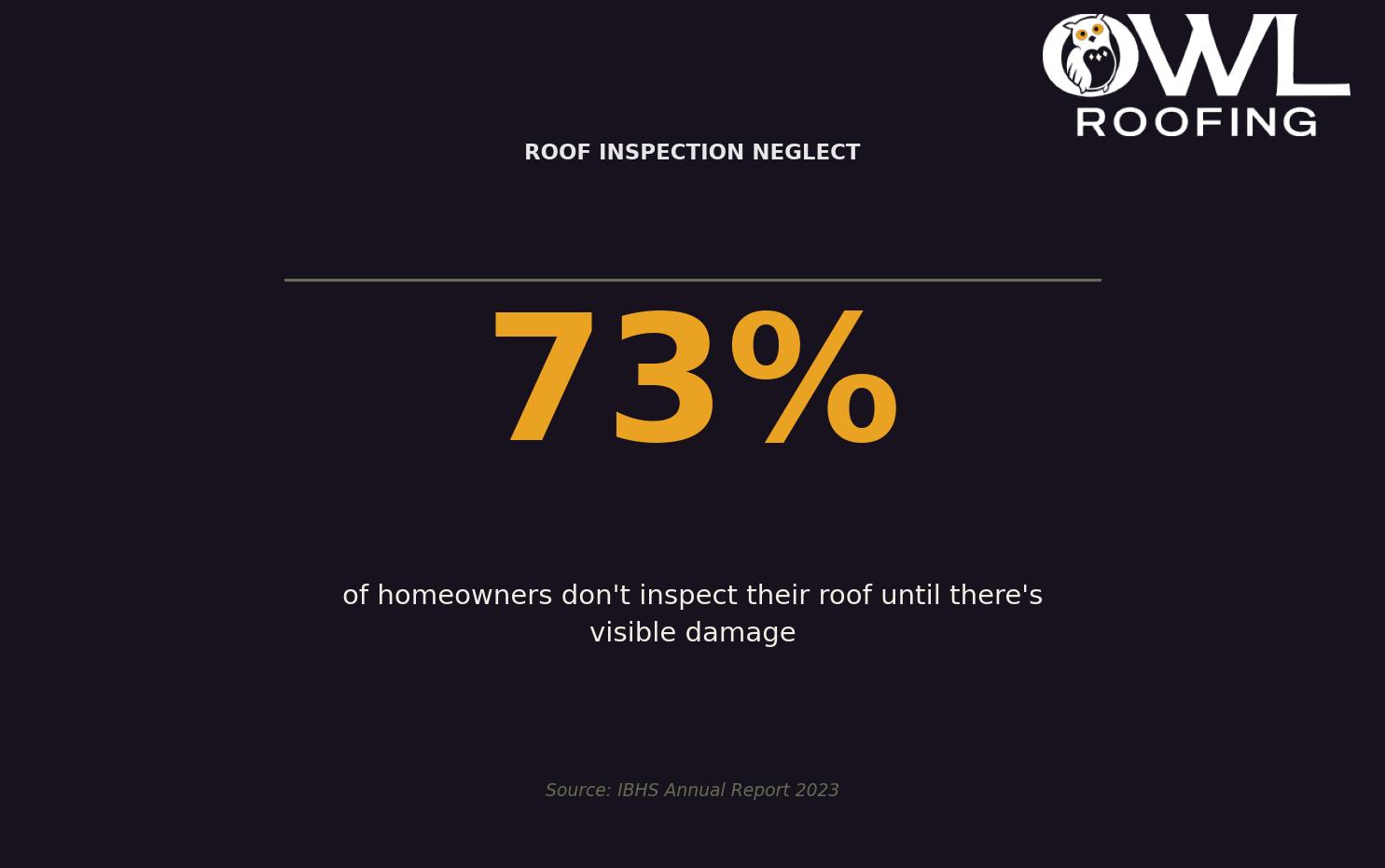
Here’s a number that should make you nervous: 73% of homeowners never inspect their roof until water is literally dripping through their ceiling. If you’re reading this from your living room in Shoreview, Roseville, or anywhere in the Twin Cities, there’s a decent chance you’re in that majority—and your roof might be quietly falling apart while you watch Netflix.
That’s not meant to scare you. It’s meant to wake you up. Because here’s the thing about roofs: they don’t fail dramatically. They fail slowly, invisibly, one compromised shingle or deteriorating seal at a time. And by the time you notice the water stain spreading across your bedroom ceiling, you’re not looking at a quick patch job anymore. You’re staring down thousands of dollars in repairs, potential mold remediation, and the kind of stress that ruins your whole month.
The good news? Understanding what your roof is actually made of—and how all those layers work together—puts you miles ahead of most homeowners. You’ll know what to look for, what questions to ask contractors, and when something’s actually wrong versus when someone’s trying to sell you work you don’t need. So let’s crack open your roof (figuratively) and see what’s really going on up there.
Why This Matters to Twin Cities Homeowners
Your roof isn’t just a hat for your house. It’s a sophisticated system that stands between your family and everything Minnesota throws at it—and Minnesota throws a lot. We’re talking about a climate that swings from -20°F in January to 95°F in July, with hail, ice storms, heavy snow loads, and wind that can rip through the metro like it’s got somewhere to be.
According to the Insurance Institute for Business & Home Safety (IBHS), roofs in the Midwest face some of the harshest conditions in the country. The constant freeze-thaw cycles we experience from November through March are particularly brutal. Water seeps into tiny cracks, freezes, expands, and literally tears roofing materials apart from the inside. Do that a few hundred times over a winter, and even a solid roof starts showing its age.
The National Roofing Contractors Association (NRCA) puts it bluntly: a roof’s lifespan drops significantly without regular inspection and maintenance. That 25-year shingle warranty? It assumes you’re actually taking care of the thing. Neglect it, and you might be shopping for a new roof at year 15—or sooner.
Here’s another reality check: data from the U.S. Census Bureau shows the average Minnesota home is over 40 years old. That means a huge chunk of Twin Cities homes are running on roofing systems that are either at the end of their life or were installed with materials and methods that wouldn’t meet today’s standards. If your home was built in the ’80s and still has its original roof, you’re not being frugal—you’re playing roulette with your biggest investment.
The cost of ignorance here is real and measurable. A small leak caught early might cost a few hundred dollars to fix. That same leak ignored for a year can lead to rotted decking, damaged insulation, mold growth in your attic, and structural issues that push repair bills into five figures. We’ve seen it happen to smart, responsible homeowners who simply didn’t know what to look for.
The Anatomy of Your Roof: Layer by Layer
Understanding What’s Actually Up There
So what is a roof made of, exactly? Most people think “shingles” and stop there. But your roof is more like a layer cake—each layer has a specific job, and if any one of them fails, the whole system is compromised. Let’s break it down from the inside out.
The Roof Deck (Your Foundation)
Everything starts with the roof deck. This is the structural base—usually sheets of plywood or oriented strand board (OSB)—that’s nailed directly to your rafters or trusses. Think of it as the subfloor for your roof. Every other roofing component attaches to this deck, so its integrity is absolutely critical.
In Minnesota, roof decks take a beating. Heavy snow loads (we’re talking 20-40 pounds per square foot during big storms) put constant stress on the wood. Moisture infiltration from ice dams or failed shingles can cause the deck to rot, warp, or delaminate. When roofers talk about “soft spots” during an inspection, they’re usually talking about deck damage—and that’s the kind of thing that turns a simple re-shingle into a major repair project.
OSB is more common in newer construction because it’s cheaper, but it’s also more vulnerable to moisture damage than plywood. If your home was built after 1990, there’s a good chance you’ve got OSB up there. That’s not necessarily a problem, but it does mean moisture control is even more important.
Underlayment (Your Hidden Safety Net)
Directly on top of the deck sits the underlayment—a water-resistant barrier that most homeowners never see but absolutely cannot live without. Traditionally, this was 15-pound or 30-pound felt paper (the black stuff you might have seen during roof installations). Modern roofs often use synthetic underlayment, which is lighter, stronger, and more resistant to tearing.
The underlayment serves as your backup plan. If wind-driven rain gets under your shingles, or if a shingle cracks and fails, the underlayment is there to keep water from reaching the deck. In Minnesota, we also use a specialized product called ice and water shield in vulnerable areas—along the eaves, in valleys, and around penetrations like chimneys and vents. This self-adhering membrane creates a waterproof seal that’s specifically designed to handle the ice dam conditions we deal with every winter.
Here’s a pro tip: when getting quotes for a new roof, ask what type of underlayment is included and how much ice and water shield will be installed. Cheaper bids often skimp here, using the minimum code-required coverage. But in the Twin Cities, more ice and water shield is almost always a smart investment.
Shingles (Your First Line of Defense)
Now we get to the part everyone recognizes: the shingles. These overlapping pieces are your roof’s armor against sun, rain, wind, and hail. According to the NRCA, asphalt shingles account for more than 80% of residential roofing in the United States, and the Twin Cities is no exception.
Asphalt shingles work through a simple but effective design. They’re made of a fiberglass or organic mat coated with asphalt and covered with ceramic granules. The asphalt provides waterproofing, while the granules protect against UV damage and add fire resistance. When properly installed with the right overlap, shingles shed water like fish scales, directing it down and off your roof.
Not all asphalt shingles are created equal, though. Three-tab shingles are the budget option—flat, uniform, and typically warrantied for 20-25 years. Architectural shingles (also called dimensional or laminate shingles) are thicker, more durable, and have a more textured appearance. They typically carry 30-50 year warranties and handle Minnesota’s weather significantly better. The price difference might be $1,500-3,000 on an average home, but the longevity and performance gains usually make architectural shingles the smarter long-term choice.
Flashing (The Unsung Hero)
Wherever your roof meets something else—a chimney, a vent pipe, a skylight, a wall—you’ve got a potential leak point. Flashing is the metal (usually aluminum or galvanized steel) that seals these transitions. It’s bent and shaped to direct water away from these vulnerable intersections.
Flashing failures are one of the most common causes of roof leaks, and they’re often the result of poor installation rather than material failure. We’ve seen roofs where the shingles looked perfect, but improperly installed chimney flashing was letting water pour into the attic every time it rained. If you’re having leak issues, the flashing should be one of the first things inspected.
Beyond the Basics: Components That Make or Break Your Roof
Ventilation, Insulation, and Why They Matter More Than You Think
A roof isn’t just the materials you can see and touch—it’s also about airflow and temperature management. This is where a lot of homeowners (and frankly, a lot of contractors) get things wrong, especially in Minnesota.
Attic Ventilation: The Ice Dam Preventer
Proper attic ventilation might be the single most important factor in how long your roof lasts in the Twin Cities. Here’s why: in winter, heat from your living space rises into the attic. If that heat has nowhere to go, it warms the roof deck, which melts the snow on your roof. That meltwater runs down to the eaves, where it refreezes (because the eaves extend past the warm house). Ice builds up, water backs up behind it, and suddenly you’ve got water under your shingles and into your home.
The solution is a properly ventilated attic that stays close to the outside temperature. You need intake vents (usually at the soffits) and exhaust vents (at the ridge or near the peak). This creates airflow that carries heat and moisture out before they can cause problems. The Minnesota Department of Commerce specifically emphasizes this in their energy code guidelines—it’s that important.
Signs of poor ventilation include ice dams in winter, a hot attic in summer (which cooks your shingles from below), and moisture stains or mold in your attic space. If you’re seeing any of these, ventilation should be addressed before you invest in new shingles.
Insulation: Keeping the Heat Where It Belongs
Insulation works hand-in-hand with ventilation. The goal is to keep your living space heat in your living space—not leaking into the attic where it causes problems. According to the IBHS, inadequate insulation is a leading cause of both ice dams and high energy bills in cold climates.
Current Minnesota code calls for R-49 insulation in attics for new construction. Many older Twin Cities homes have far less than that—sometimes R-19 or even less. Upgrading your attic insulation is one of the best investments you can make for both roof longevity and energy efficiency. It often pays for itself in reduced heating costs within a few years.
Vapor Barriers: Moisture’s Last Line of Defense
In cold climates like ours, moisture management is critical. Warm, humid air from your living space wants to migrate up into the cold attic, where it can condense on cold surfaces and cause rot and mold. A vapor barrier—typically a plastic sheet installed on the warm side of the insulation—helps prevent this moisture migration.
If your attic insulation is wet, matted, or shows signs of moisture damage, you may have a vapor barrier issue. This isn’t something most homeowners can diagnose themselves, but a good roofing contractor or energy auditor can identify the problem and recommend solutions.
Roofing Material Options: What Works Best in Minnesota

Comparing Your Choices
While asphalt shingles dominate the Twin Cities market (and for good reason), they’re not your only option. Here’s how the main contenders stack up for Minnesota conditions:
Asphalt Shingles
Pros: Affordable, widely available, easy to repair, good performance in cold climates, huge variety of colors and styles. Most contractors are experienced with installation.
Cons: Shorter lifespan than premium materials (20-30 years typical), can be damaged by severe hail, granule loss over time reduces effectiveness.
Best for: Most Twin Cities homeowners looking for the best balance of cost and performance.
Metal Roofing
Pros: Extremely durable (40-70 year lifespan), excellent for shedding snow, highly resistant to wind and hail, energy efficient, recyclable at end of life.
Cons: Higher upfront cost (2-3x asphalt), can be noisy in rain/hail without proper insulation, requires specialized installation, can dent from large hail.
Best for: Homeowners planning to stay in their home long-term, those with steep or complex rooflines where snow shedding is important.
Cedar Shakes
Pros: Beautiful natural appearance, excellent insulation value, can last 30-40 years with proper maintenance.
Cons: High maintenance requirements, fire risk (requires treatment), expensive, not all contractors experienced with installation, can rot in our humid summers.
Best for: Historic homes or homeowners who prioritize aesthetics and are committed to maintenance.
Tile and Slate
Pros: Extremely long-lasting (50-100+ years), beautiful appearance, fire resistant.
Cons: Very heavy (may require structural reinforcement), extremely expensive, can crack from impact or freeze-thaw cycles, limited contractor availability in Minnesota.
Best for: High-end custom homes where budget isn’t the primary concern.
For most Twin Cities homeowners, high-quality architectural asphalt shingles with a good impact resistance rating remain the smart choice. Look for shingles rated Class 4 for impact resistance if you want the best protection against our frequent hailstorms. According to the Insurance Information Institute, hail damage is consistently one of the top insurance claims in Minnesota—choosing impact-resistant shingles can even qualify you for insurance discounts.
Common Mistakes That Cost Twin Cities Homeowners Big Money
After years of working on roofs throughout the metro, we’ve seen the same mistakes over and over. Here’s what to avoid:
Mistake #1: Waiting Until There’s Visible Damage
That IBHS statistic bears repeating: 73% of homeowners don’t inspect their roof until they see damage inside their home. By that point, you’ve likely got water damage to your decking, insulation, and possibly your ceiling and walls. What could have been a $500 repair becomes a $5,000 problem.
The fix: Get your roof inspected annually, ideally in spring after the winter damage and before the summer storms. It takes about an hour and costs far less than emergency repairs.
Mistake #2: Ignoring Gutter Maintenance
Gutters aren’t technically part of your roof, but they’re critical to its performance. Clogged gutters cause water to back up under your shingles, pool on your fascia boards, and create the perfect conditions for rot and ice dams. We’ve seen gutters so packed with debris that they pulled away from the house entirely.
The fix: Clean your gutters at least twice a year—once in late spring and once in late fall after the leaves drop. If you’ve got a lot of trees, consider gutter guards.
Mistake #3: DIY Repairs Gone Wrong
YouTube makes everything look easy, and we get it—the urge to save money is strong. But roofing mistakes can void your warranty, create new leaks, and even be dangerous. We’ve fixed plenty of “repairs” where well-intentioned homeowners made things worse with improper flashing, wrong sealants, or shingles installed backwards.
The fix: Small jobs like replacing a couple of blown-off shingles can be DIY if you’re comfortable on a ladder and know what you’re doing. Anything involving flashing, valleys, or structural issues should be left to professionals.
Mistake #4: Hiring the Wrong Contractor
Every spring after hail season, out-of-state “storm chasers” flood the Twin Cities, knocking on doors and promising quick fixes. They often do substandard work, use cheap materials, and are long gone by the time problems show up. The NRCA recommends always hiring local, licensed contractors with verifiable references and a physical address.
The fix: Ask for proof of insurance (both liability and workers’ comp), check references from recent local jobs, and be wary of anyone who wants payment upfront or offers a deal that seems too good to be true.
Your Roof Maintenance Action Plan
Taking care of your roof doesn’t have to be complicated. Here’s a practical checklist that any Twin Cities homeowner can follow:
- Spring Inspection (April/May): After the snow melts, have a professional inspect your roof for winter damage. Look for missing or damaged shingles, check flashing around chimneys and vents, and inspect for any ice dam damage along the eaves. This is also a good time to check your attic for signs of moisture intrusion.
- Gutter Cleaning (May and November): Clear all debris from gutters and downspouts. Check that gutters are securely attached and properly pitched toward downspouts. Make sure downspouts direct water at least 4-6 feet away from your foundation.
- Post-Storm Checks (As Needed): After any significant hail or wind event, do a visual inspection from the ground. Look for obvious damage like missing shingles, bent flashing, or debris on the roof. Check your yard for shingle granules—a few is normal, a lot indicates damage. If you suspect damage, call for a professional inspection.
- Fall Prep (October): Trim back any tree branches within 10 feet of your roof. Clean gutters of leaves and debris. Check attic ventilation and insulation before winter arrives.
- Interior Monitoring (Ongoing): Periodically check your attic for daylight coming through the roof, water stains, mold, or pest intrusion. Check ceilings in top-floor rooms for water stains or bubbling paint, which can indicate slow leaks.
- Documentation (Ongoing): Keep records of all roof inspections, repairs, and maintenance. This helps track your roof’s condition over time and is valuable if you ever need to file an insurance claim or sell your home.
Protect Your Nest: Here’s Where We Come In
If you’ve made it this far, you know more about your roof than most homeowners ever will. That knowledge puts you in a great position to take care of your home—and to recognize when you need professional help.
When that time comes, we’d be honored if you gave Owl Roofing a call. We’re Tim, Bea, Noah, and Anya—two families who’ve built this company right here in Shoreview. We’ve been climbing onto Twin Cities roofs for over 15 combined years, and we’ve seen every type of damage, every material failure, and every “repair” gone wrong that you can imagine.
We’re not a franchise, and we’re definitely not storm chasers. We’re your neighbors. We shop at the same grocery stores, deal with the same Minnesota winters, and understand exactly what your roof is up against. When we look at your roof, we tell you exactly what it needs—no upselling, no scare tactics, no mysterious “roofing solutions.” Just straight talk about what’s working, what’s not, and what it’ll take to fix it.
Whether you need a full inspection, a minor repair, or it’s time to talk about a new roof entirely, we’re here to help. We handle the whole process, from the initial assessment through insurance paperwork (if needed) to final cleanup. You won’t have to chase us down for updates or decode confusing estimates.
Give us a call at 651-977-6027 or visit owlroofing.com/ to schedule a free inspection. We serve Shoreview and the entire Twin Cities metro, and we’d love to help you understand exactly what’s going on with your roof—and make sure it keeps protecting your family for years to come.
Protect Your Nest.
📍 Owl Roofing Serves the Entire Twin Cities Metro
Andover · Anoka · Apple Valley · Arden Hills · Big Lake · Blaine · Bloomington · Brooklyn Center · Brooklyn Park · Burnsville · Champlin · Chanhassen · Chaska · Columbia Heights · Coon Rapids · Cottage Grove · Crystal · deephaven · Delano · Eagan · East Bethel · Eden Prairie · Excelsior · Farmington · Forest Lake · Fridley · Golden Valley · Ham Lake · Hastings · Hopkins · Hugo · Inver Grove Heights · Lake Elmo · Lakeville · Lino Lakes · Mahtomedi · Maplewood · Mendota Heights · Minneapolis · Minnetrista · Mound · Mounds View · New Brighton · New Hope · North Oaks · North St. Paul · Oak Grove · Oakdale · Plymouth · Prior Lake · Ramsey · Richfield · Robbinsdale · Rosemount · Roseville · Saint Paul · Savage · Shakopee · Shoreview · South St. Paul · St. Louis Park · St. Michael · St. Paul · Stillwater · Vadnais Heights · Victoria · Waconia · wayzata · West St. Paul · White Bear Lake · woodbury
Licensed Minnesota roofing contractor · Free inspections · 10-year workmanship warranty · Get a free estimate →
